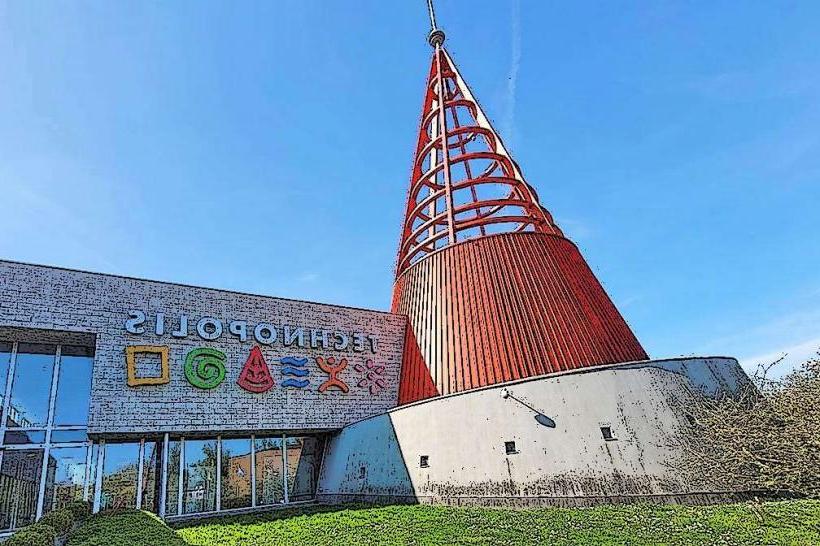
Landmark: Museum of the History of Science
City: Mechelen
Country: Belgium
Continent: Europe
Museum of the History of Science, Mechelen, Belgium, Europe
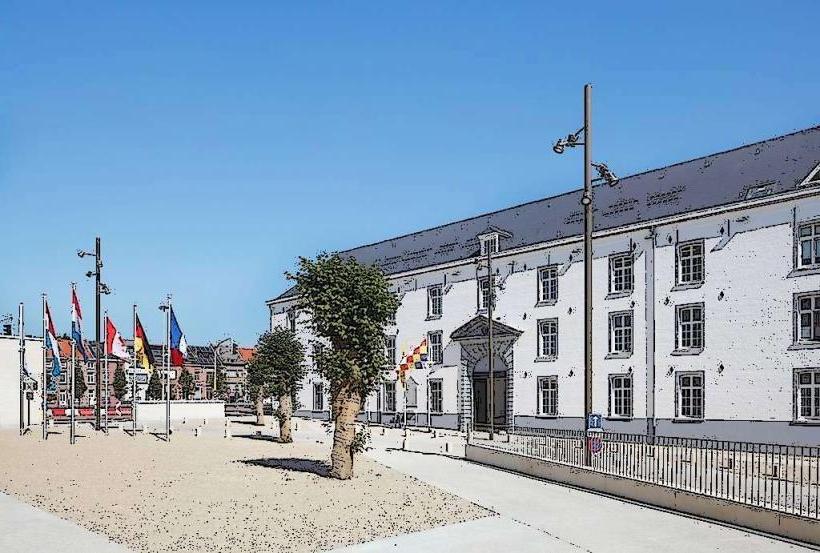
The Museum of the History of Science (Museum voor de Geschiedenis van de Wetenschappen) is a specialized collection located within the Technical School Mechelen (TSM) campus in the northern part of the city. It houses a vast array of scientific instruments and pedagogical tools used for technical education and research since the 19th century.
Visual Characteristics
The collection is housed in a traditional brick school building with high-ceilinged classrooms. It features thousands of brass, wood, and glass instruments, including early electrical generators, vacuum pumps, and mahogany-encased microscopes. Larger artifacts include stationary steam engines, vintage radio transmitters, and early computing hardware organized in dense, glass-fronted wooden cabinets.
Location & Access Logistics
The museum is situated at Jef Denynplein 2, approximately 0.6km north of the Grote Markt. Access is primarily on foot or by bicycle via the city's northern residential streets. The "Mechelen Biest" bus stop is located 200 meters away. Public parking is available at "Parking Tinel," a 5-minute walk from the entrance. Entry is typically by appointment or during specific heritage days as it is located on an active school site.
Historical & Ecological Origin
The museum originated as the didactic collection of the Technical School Mechelen, founded in the late 1800s to support the region's industrialization. Over decades, teachers and administrators preserved decommissioned equipment rather than discarding it, resulting in a comprehensive archive of technological evolution. The collection was formally organized into a museum to document the history of physics, chemistry, and mechanical engineering.
Key Highlights & Activities
Visitors can examine a rare collection of Wimshurst machines and Ruhmkorff coils used in early electricity experiments. Demonstrations of specific mechanical principles are occasionally conducted by curator-educators. The museum also features a section dedicated to the history of telecommunications, showcasing early telegraph and telephone systems used in Belgium.
Infrastructure & Amenities
As the museum is located within a school building, amenities are basic and focused on educational use. Restrooms are available within the school complex. The facility is generally not climate-controlled in a modern sense, retaining the ambient temperature of the historic masonry building. Cell phone signal (5G) is reliable, though food and beverage vendors are located off-site toward the Veemarkt.
Best Time to Visit
Because the museum is integrated into a functioning school, the best time to visit is during the annual Flanders Heritage Day (Open Monumentendag) or by contacting the TSM administration for a private tour during school breaks. Mid-day visits provide the best natural light through the large classroom windows for viewing small instrument details.
Facts & Legends
The collection includes instruments designed by the famous Belgian physicist Joseph Plateau, known for his work on persistence of vision. A local "secret" is that the museum holds several prototype devices that were never mass-produced, serving as unique physical records of failed or bypassed technological paths in the 20th century.
Nearby Landmarks
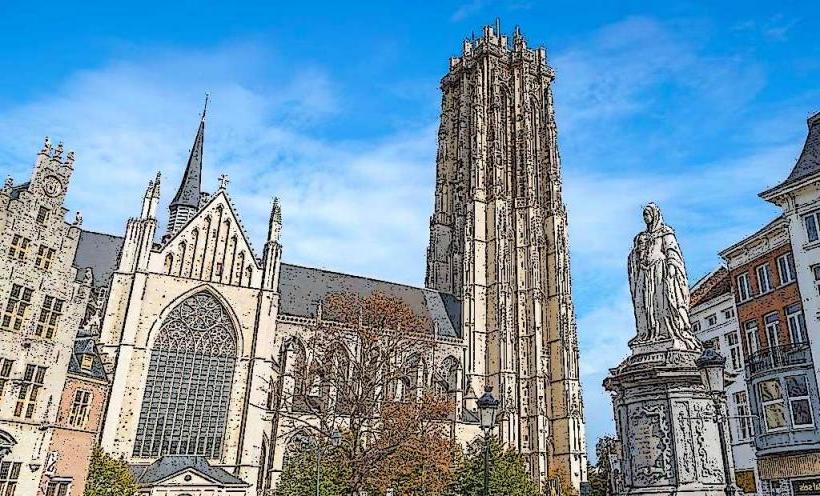
St. Rumbold's Tower: 0.5km South
Kazerne Dossin: 0.4km Northwest
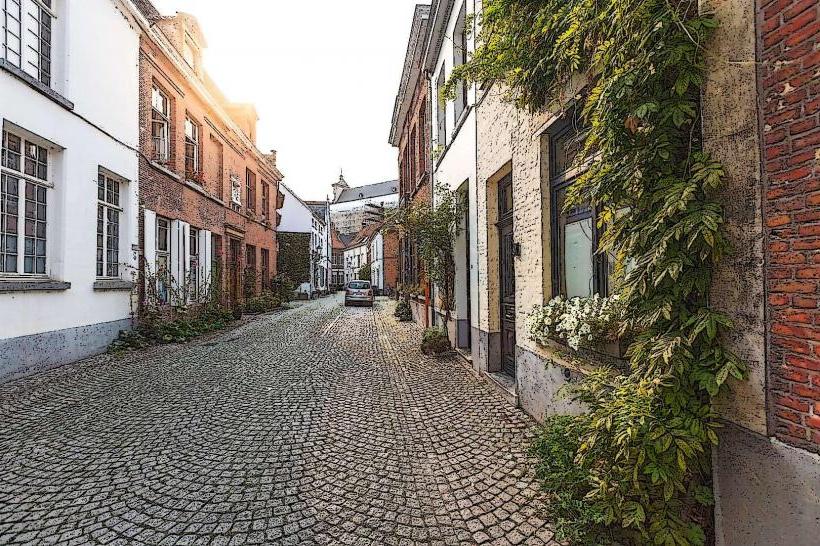
Small Beguinage: 0.3km West
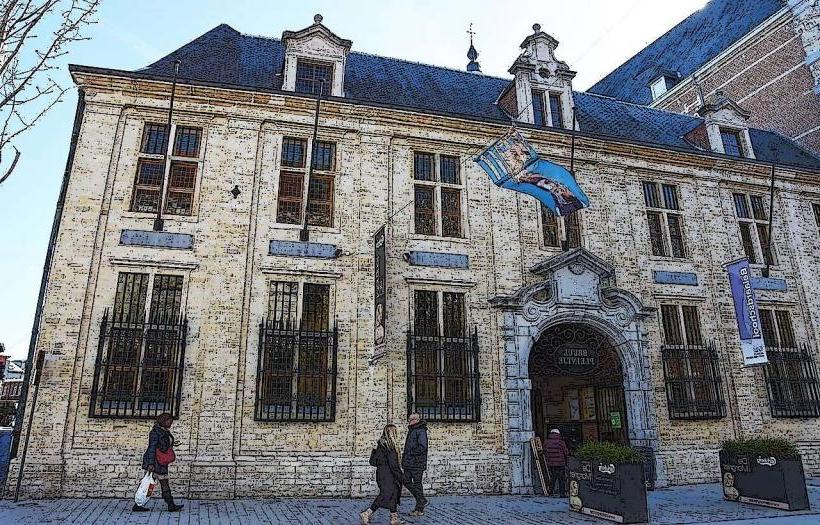
Museum Hof van Busleyden: 0.2km Southeast
St. John's Church: 0.1km South