Landmark: Ngousso Village
City: Yaounde
Country: Cameroon
Continent: Africa
Ngousso Village, Yaounde, Cameroon, Africa
Ngousso Village is a community located within the city limits of Yaounde, Cameroon.
It functions as a residential and agricultural area on the outskirts of the capital.
Visual Characteristics
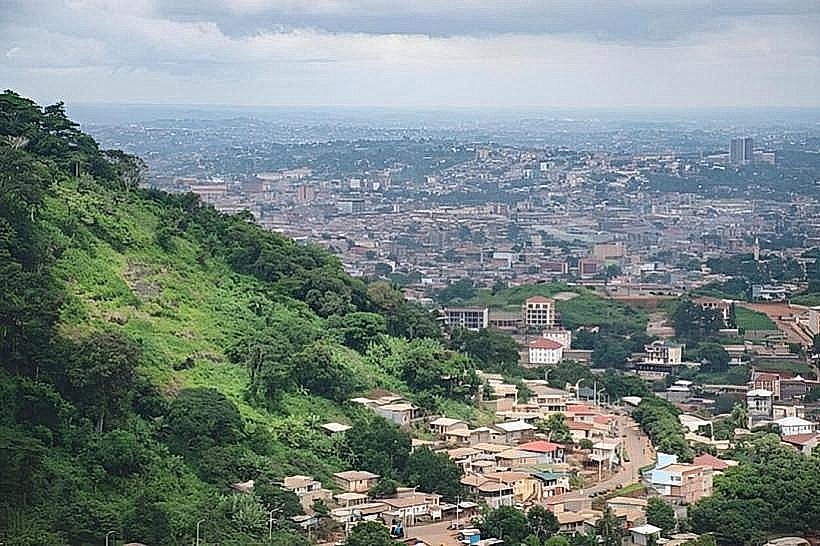
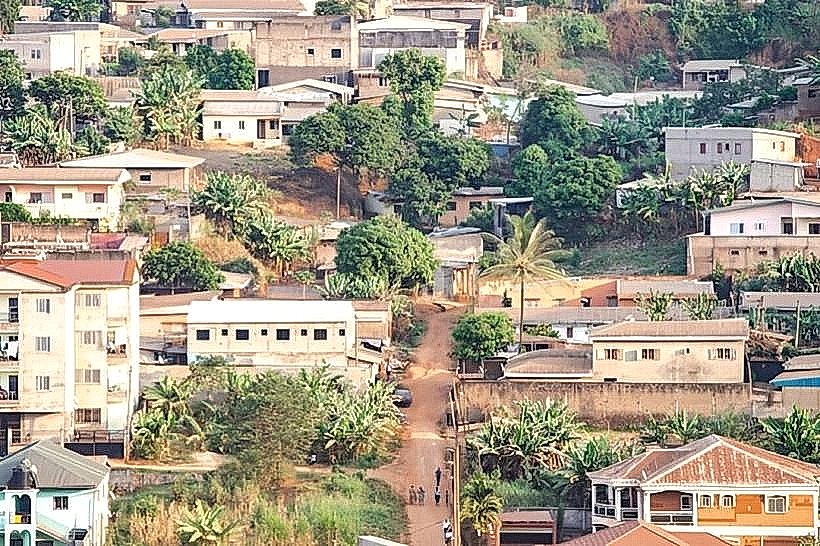
The village consists of a mix of permanent and semi-permanent structures, primarily constructed from concrete blocks, mud brick, and corrugated metal sheeting. Dwellings are generally single-story, with some exhibiting simple, functional designs. Vegetation is characterized by scattered fruit trees (mango, avocado) and small-scale agricultural plots cultivating crops such as cassava and maize. Dirt paths serve as the primary internal thoroughfares.
Location & Access Logistics
Ngousso Village is situated approximately 15 kilometers southwest of Yaounde's city center. Access is primarily via the N1 national highway, turning onto the Rue de Ngousso. The final approach involves unpaved roads that can become difficult to navigate during the rainy season. Limited public transport is available; local taxis and shared minibuses (known as "moto-taxis" and "buses") operate on the main access routes, with services becoming less frequent closer to the village core. On-site parking is informal and typically consists of cleared areas adjacent to residences.
Historical & Ecological Origin
Ngousso Village originated as a rural settlement established to support agricultural activities feeding the growing population of Yaounde. Its development accelerated in the latter half of the 20th century as urban expansion encroached upon surrounding farmland. Ecologically, the area is part of the Guinean savanna mosaic, characterized by a transition zone between dense forest and open grassland, with a distinct wet and dry season influencing agricultural cycles.
Key Highlights & Activities
Visitors can observe traditional agricultural practices, including small-scale farming and animal husbandry. Interaction with local residents is possible, offering insight into daily life. The area provides opportunities for walking and exploring the rural landscape surrounding the urban center.
Infrastructure & Amenities
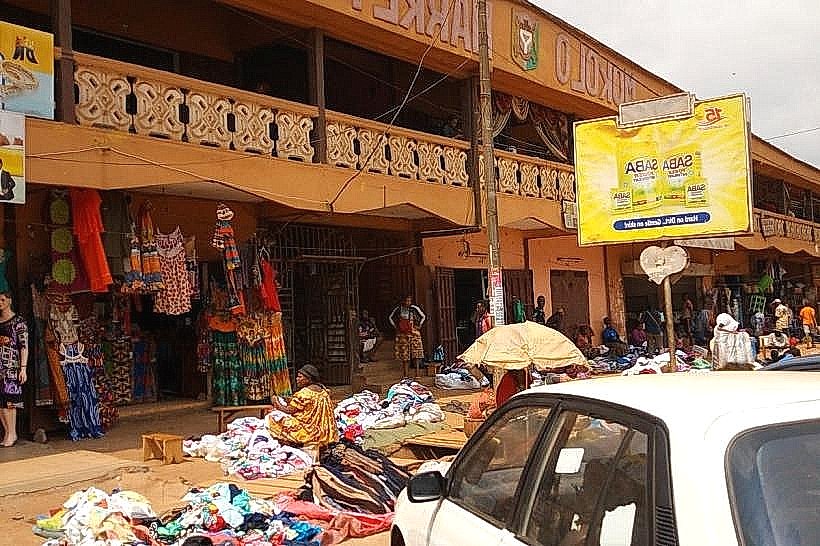
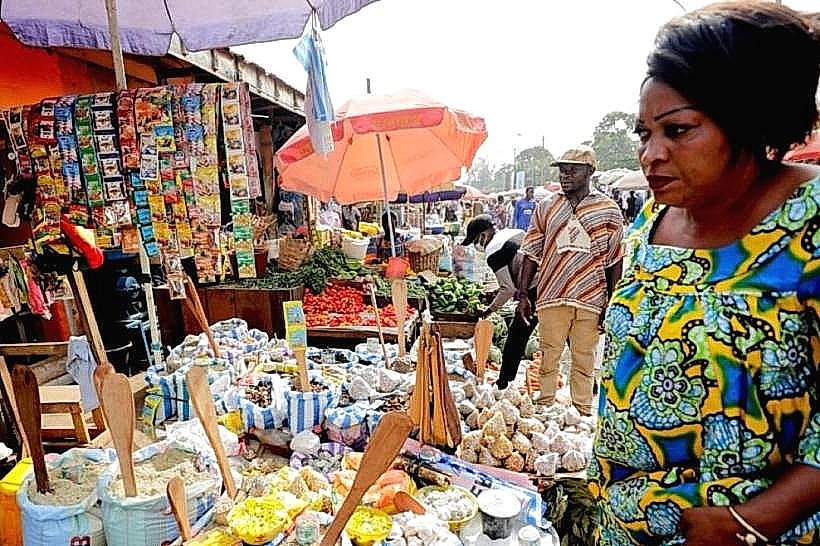
Basic amenities are present. Small local shops ("boutiques") offer essential goods. There are no formal public restrooms; sanitation facilities are private. Shade is provided by trees and building overhangs. Cell phone signal (primarily 2G/3G) is generally available, though reception can be inconsistent in certain areas. Food vendors are limited to small, informal stalls.
Best Time to Visit
The dry season, from November to March, offers the most favorable conditions for visiting, with less challenging road access. Mid-morning provides optimal natural light for observing daily activities. The period immediately following the harvest season (typically August-September) can offer a glimpse into agricultural abundance.
Facts & Legends
A local belief suggests that certain ancient trees within the village boundaries possess protective spirits, and offerings are sometimes made to them for good fortune and bountiful harvests.
Nearby Landmarks
- Cameroon National Museum (8km Northeast)
- Yaounde Central Market (12km Northeast)
- Mont Febe Monastery (10km North)
- Stade Omnisports Ahmadou Ahidjo (9km Northeast)