Landmark: Norman Bird Sanctuary
City: Middletown RI
Country: USA Rhode Island
Continent: North America
Norman Bird Sanctuary, Middletown RI, USA Rhode Island, North America
The Norman Bird Sanctuary is a protected natural area located in Middletown, Rhode Island, USA. It encompasses coastal woodlands, meadows, and shoreline habitats.
Visual Characteristics
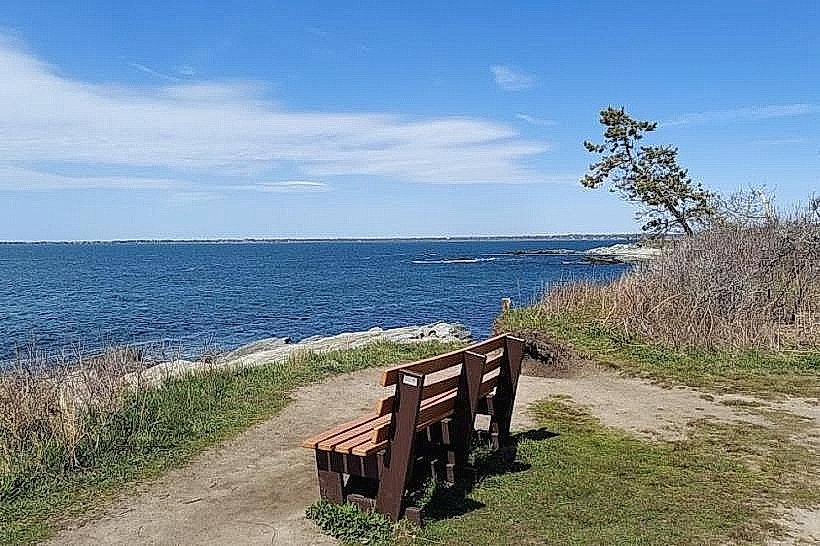
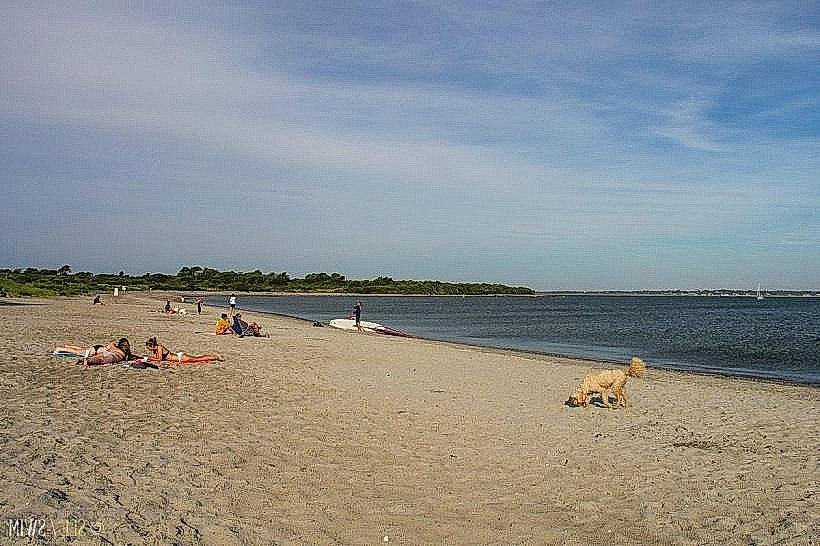
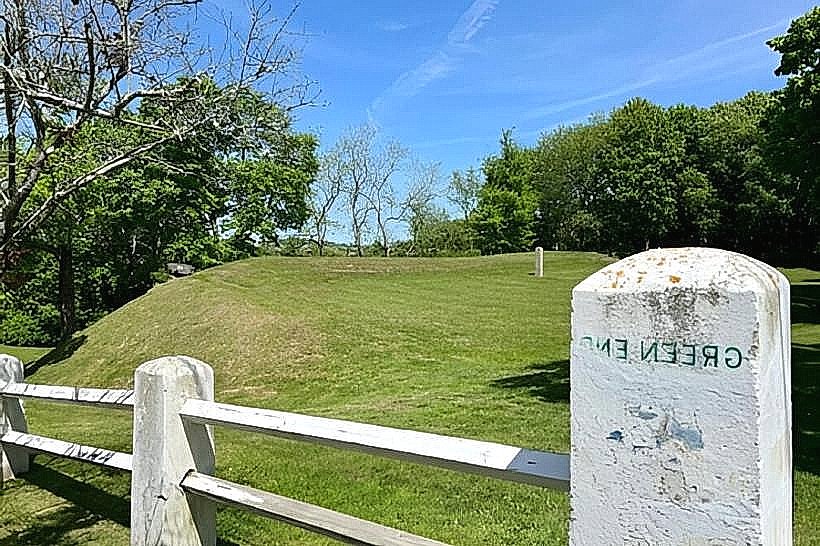
The sanctuary features a mix of deciduous trees, including oak and maple, with dense undergrowth in wooded areas. Open meadows are characterized by grasses and wildflowers. The coastline consists of rocky shores and small, pebble-strewn beaches. The Sakonnet River estuary forms a significant water feature, with tidal flats visible during low tide.
Location & Access Logistics
The Norman Bird Sanctuary is situated approximately 4.8 kilometers (3 miles) southeast of downtown Middletown. Access is via Sachuestown Road. Parking is available in a designated lot at the sanctuary entrance. No public transport directly serves the sanctuary; visitors typically arrive by private vehicle.
Historical & Ecological Origin
The land was originally part of a larger agricultural estate. In 1949, Reginald and Mildred Norman established the Norman Bird Sanctuary to preserve its natural state for ornithological study and public appreciation. Ecologically, it represents a coastal Rhode Island habitat type, supporting diverse bird populations due to its varied terrain and proximity to Narragansett Bay.
Key Highlights & Activities
Hiking is permitted on marked trails, including the Ocean Drive Trail and the Meadow Trail. Birdwatching is a primary activity, with observation blinds located at strategic points. Photography of flora and fauna is also common. Access to the shoreline for exploration is permitted.
Infrastructure & Amenities
Restrooms are available near the main entrance. Limited shaded areas are present within the wooded sections of the trails. Cell phone signal (4G) is generally available but can be intermittent in denser wooded areas. No food vendors are located within the sanctuary; visitors should bring their own provisions.
Best Time to Visit
For birdwatching, spring (April-May) and fall (September-October) offer peak migratory activity. Early morning and late afternoon provide optimal lighting for photography. Tidal conditions do not significantly impact access to trails, but low tide exposes mudflats relevant for shorebird observation.
Facts & Legends
The sanctuary is a critical stopover point for migratory birds along the Atlantic Flyway. A specific historical note is the presence of remnants of old stone walls, indicating past agricultural use of the land.
Nearby Landmarks
- Sachuest Point National Wildlife Refuge (0.8km Southwest)
- Easton's Beach (Second Beach) (2.4km West)
- Fort Adams State Park (6.1km West)
- The Breakers (Newport Mansions) (7.5km West)