Landmark: Old Bridge Museum
City: Mostar
Country: Bosnia and Herzegovina
Continent: Europe
Old Bridge Museum, Mostar, Bosnia and Herzegovina, Europe
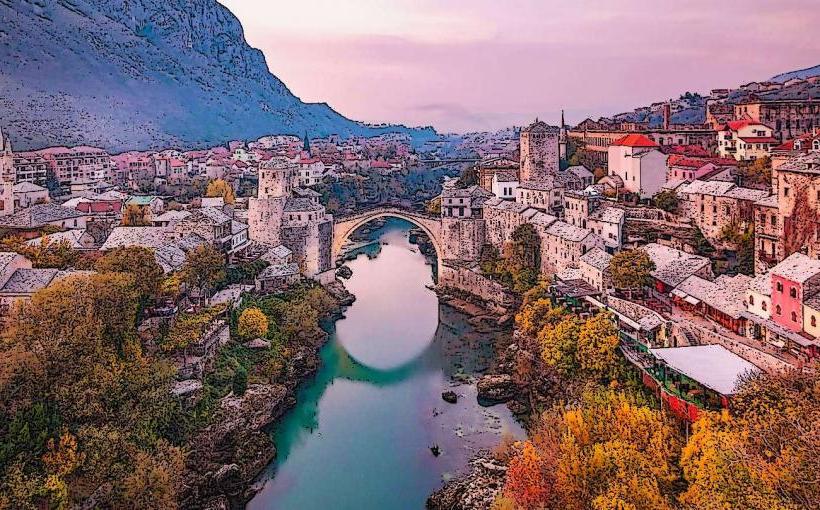
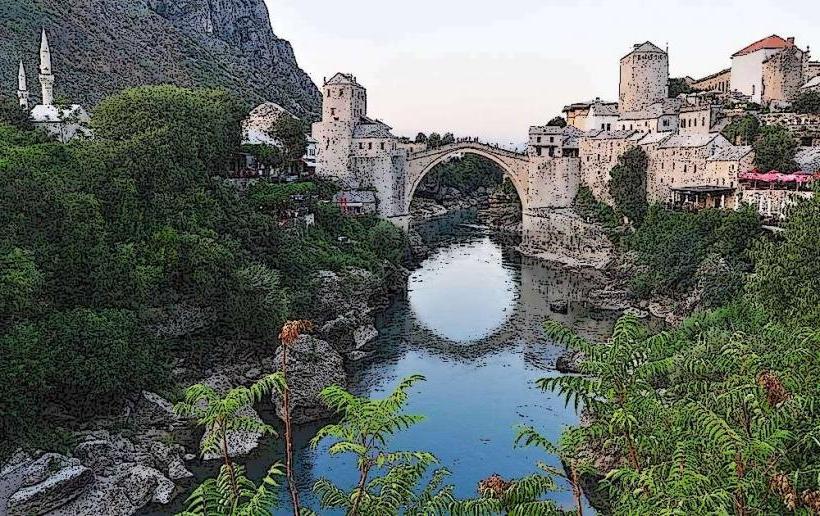
The Old Bridge Museum (Muzej Stari most) is located within the Tara Tower on the eastern bank of the Neretva River in Mostar. It serves as the primary interpretive center for the history, destruction, and reconstruction of the Stari Most.
Visual Characteristics
The museum is housed in a massive, semi-circular limestone fortification (Tara Tower) characterized by thick medieval walls and small, defensive window slits. The interior features a vertical layout across five floors connected by a narrow wooden and stone staircase. The architectural highlights include an open-air gazebo at the summit and an exposed archaeological pit at the base.
Location & Access Logistics
The museum is located at Kujundžiluk bb, immediately adjacent to the eastern entrance of the Stari Most.
Pedestrian Access: It is situated in the heart of the pedestrian-only Old Town.
Public Transport: The nearest major hub is the Mostar Main Station (Bus/Train), 1.5km North. Local buses stop at the Spanish Square (Španski trg), approximately a 15-minute walk from the site.
Parking: No vehicle access is permitted at the museum. The closest paid parking facilities are Parking-Old Town (Gojka Vukovića) and Parking Bridge (Čelebića), both within a 5-minute walk of the Old Town perimeter.
Historical & Ecological Origin
The Tara Tower originally served as a bridge-keeper’s residence and an ammunition depot during the Ottoman era. The museum was inaugurated in July 2006 to commemorate the second anniversary of the bridge's reconstruction. Excavations conducted during the restoration project (2001–2003) revealed that the current stone structure was preceded by at least two medieval wooden suspension bridges, the remains of which are preserved in situ.
Key Highlights & Activities
Section 1 (Tara Tower): Five floors displaying archaeological artifacts, including stone cannonballs, Ottoman-era weaponry, and ancient navigational tools. The top floor features a 360-degree panoramic gazebo.
Section 2 (Archaeological Site): A subterranean area showcasing the original wooden foundations and the base of the 16th-century stone arch.
Section 3 (The Labyrinth): A multimedia gallery documenting the 1993 destruction and the international reconstruction efforts led by UNESCO.
Bridge Diving: Visitors can observe traditional divers from the tower's proximity, a practice dating back to 1664.
Infrastructure & Amenities
The museum provides printed informative charts in multiple languages. Restrooms are available for a fee in the immediate vicinity of the tower. Due to the historical nature of the building and its narrow spiral staircases, the upper floors and minaret-style views are not wheelchair accessible. 4G/5G cellular coverage is excellent throughout the tower.
Best Time to Visit
The museum typically operates daily from 08:00 to 16:00 (hours may extend to 20:00 during summer peak). Morning visits are recommended to avoid the narrow staircases becoming crowded. The panoramic gazebo offers optimal lighting for photographs of the Old Bridge in the late afternoon.
Facts & Legends
Local lore suggests the original architect, Mimar Hayruddin, was so terrified the bridge would collapse upon removal of the scaffolding that he began digging his own grave in the nearby cemetery before the unveiling. Another legend claims the bridge was held together with mortar mixed with egg whites and goat hair, though scientific analysis during the reconstruction identified a specialized bauxite-based pink mortar.
Nearby Landmarks
Stari Most (Old Bridge) - 0.01km West
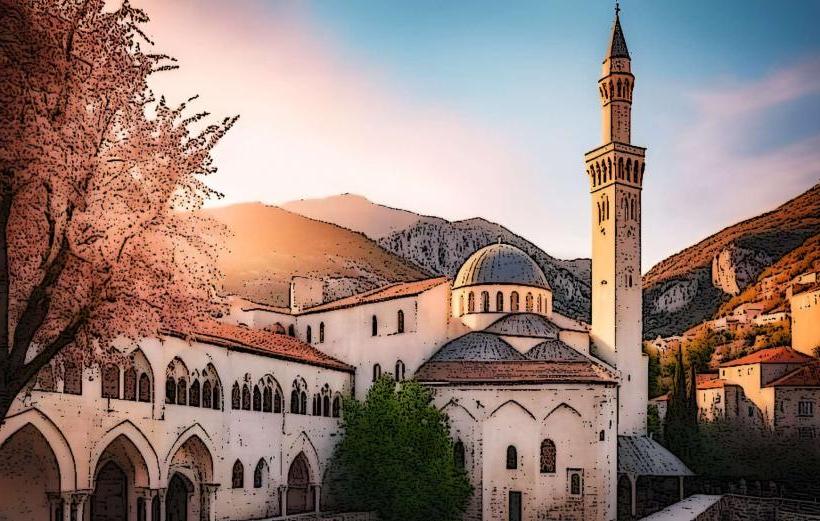
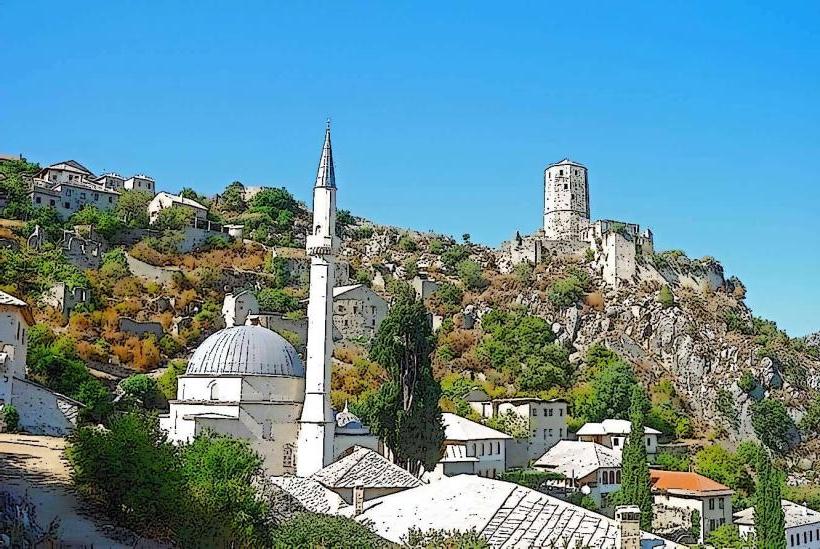
Koski Mehmed Pasha Mosque - 0.1km North
Kujundžiluk (Old Bazaar) - 0.05km North
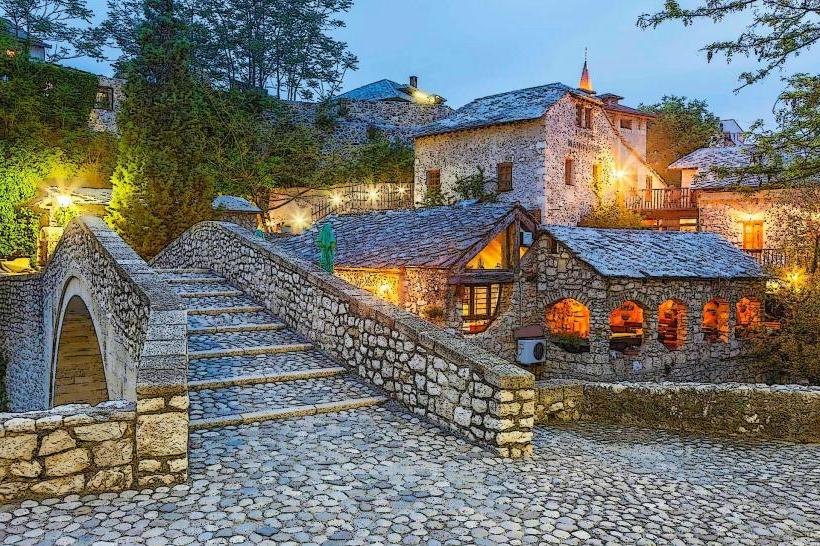
Crooked Bridge (Kriva Ćuprija) - 0.25km West
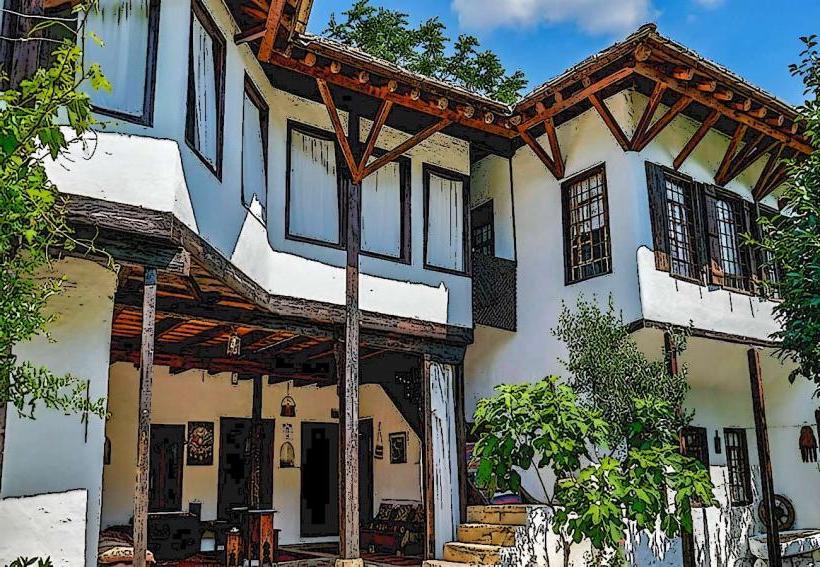
Hamam Museum - 0.2km Northwest