Landmark: Paindane Beach
City: Inhambane
Country: Mozambique
Continent: Africa
Paindane Beach, Inhambane, Mozambique, Africa
Paindane Beach is a coastal location situated south of the city of Inhambane in Mozambique.
Visual Characteristics
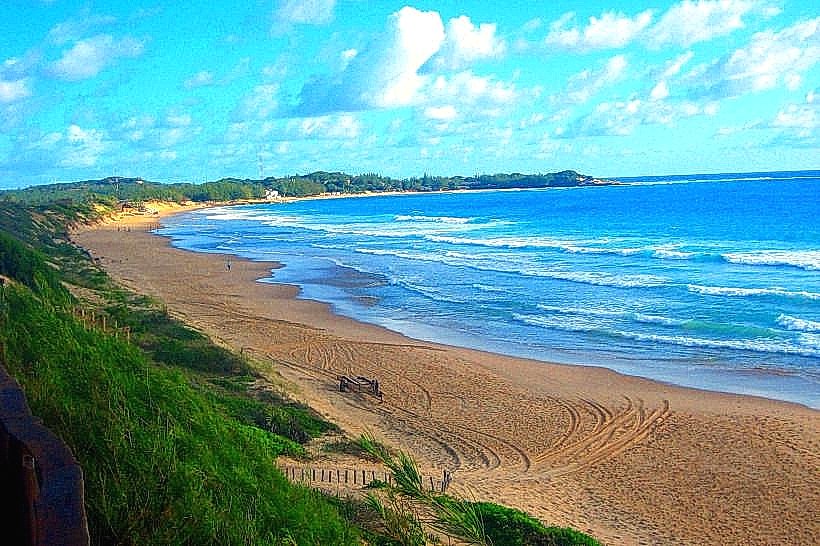
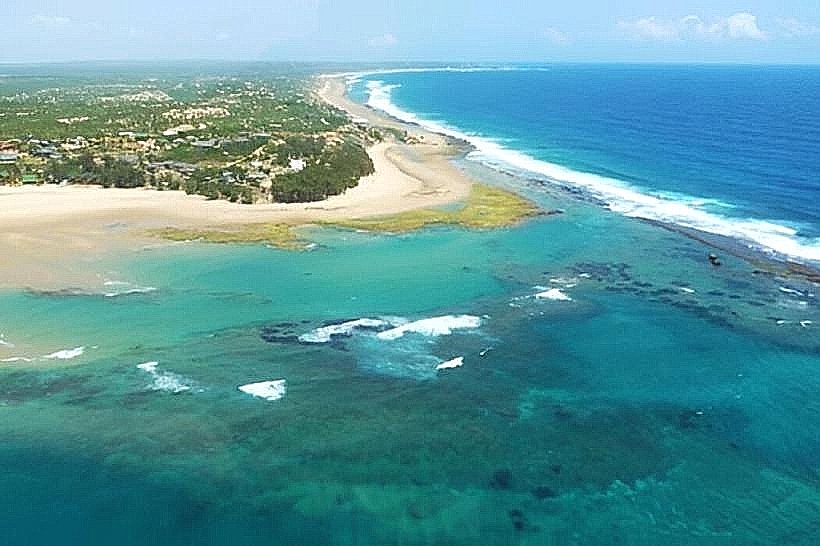
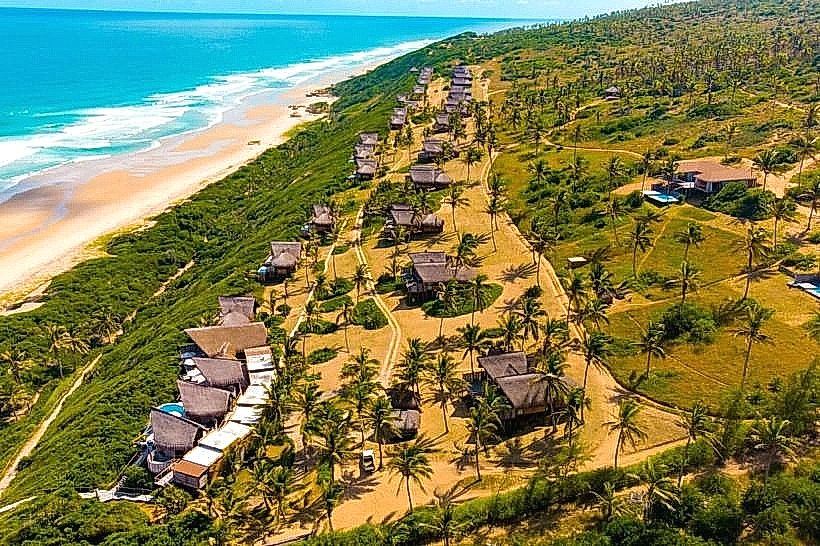
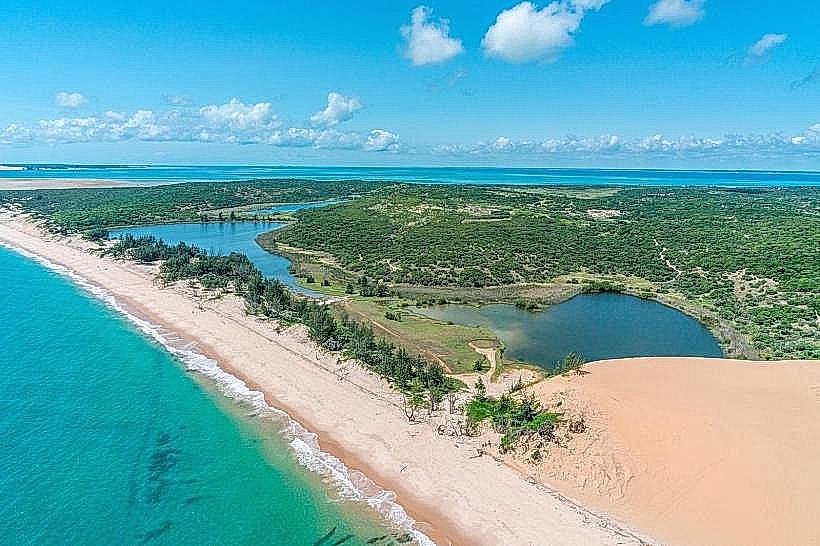
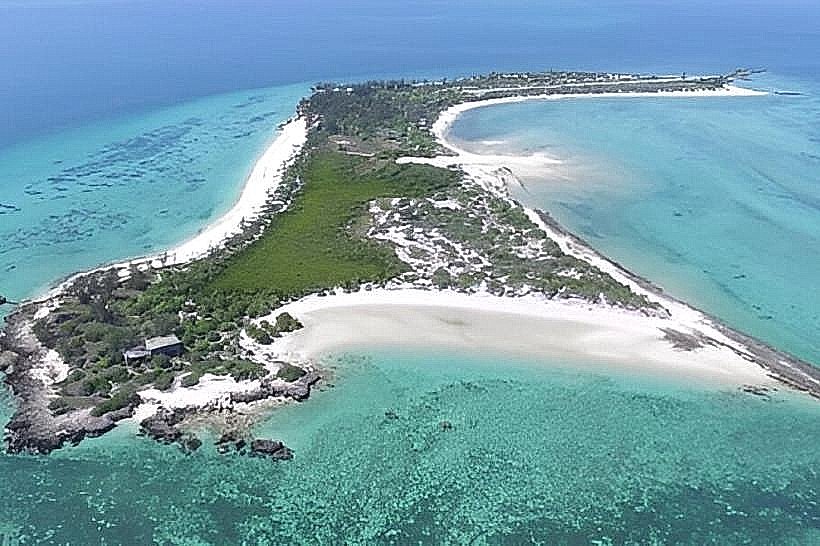
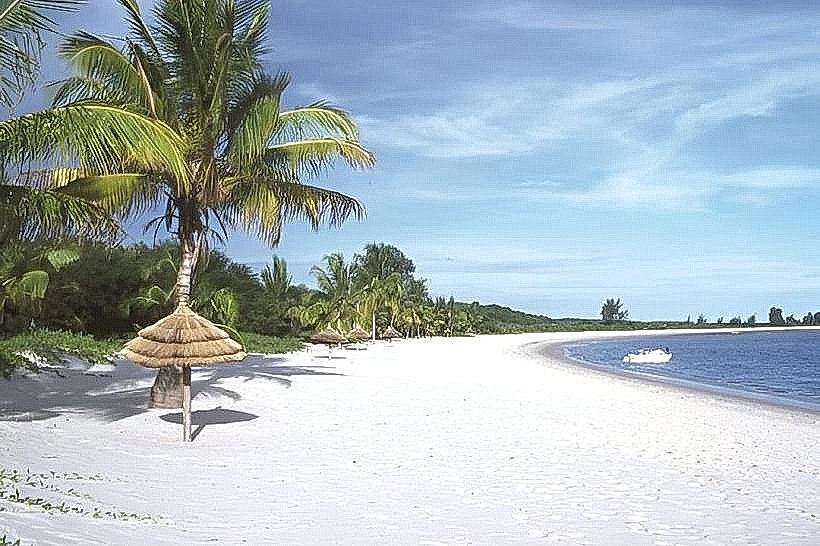
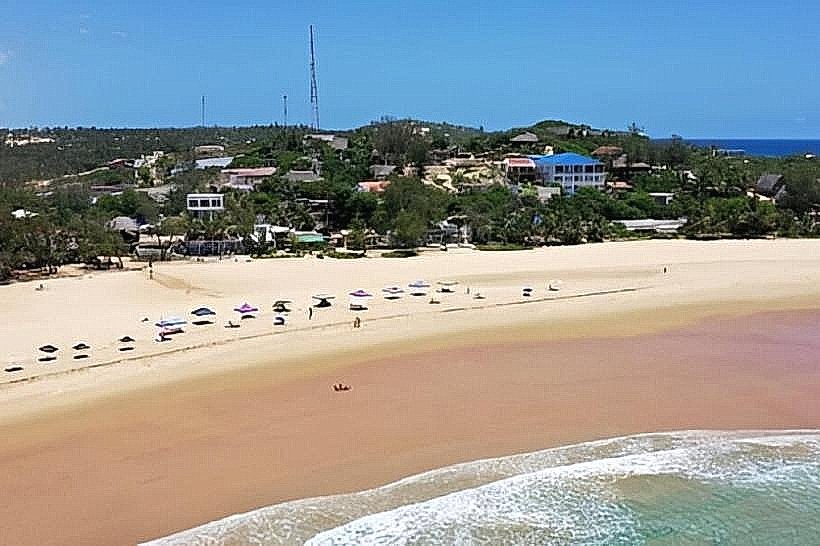
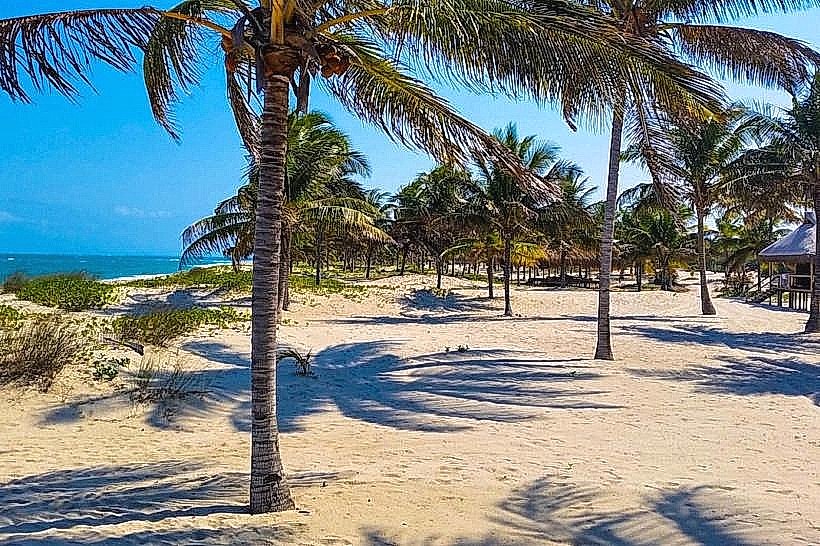
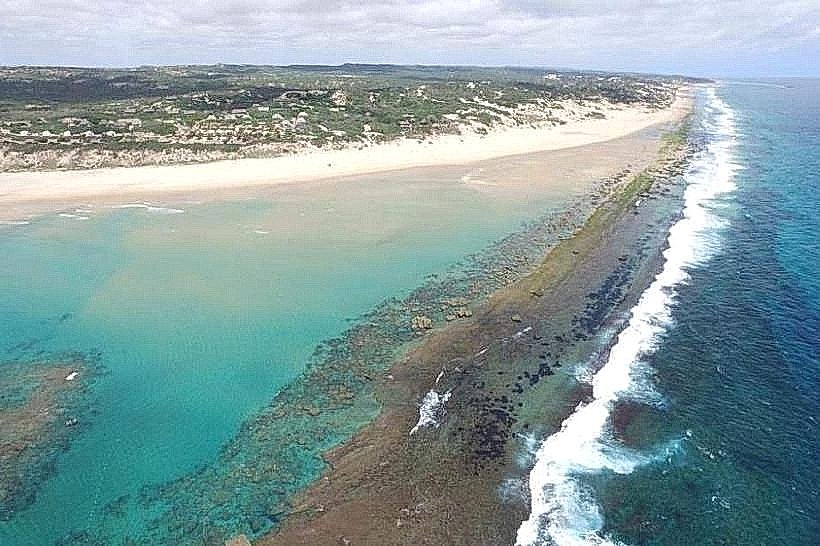
The beach features fine, pale sand. The ocean water exhibits a clear turquoise hue, transitioning to deeper blue further offshore. Coastal vegetation consists of dense, low-lying shrubs and scattered palm trees. Rocky outcrops are present at the northern and southern extremities of the beach.
Location & Access Logistics
Paindane Beach is located approximately 25 kilometers south of Inhambane. Access is via the N1 national road, turning off onto a well-maintained gravel road (approximately 5 kilometers) leading directly to the beach. Ample parking is available on-site, often on designated sandy areas. Public transport options directly to Paindane Beach are limited; shared taxis (machimbombos) operate between Inhambane and nearby villages, requiring a final transfer by local transport or walking.
Historical & Ecological Origin
Paindane Beach is part of the Mozambique Coastal Plain, a geologically recent formation characterized by ancient sand dunes and marine terraces. Ecologically, it is a tropical marine environment supporting coral reefs offshore and coastal dune ecosystems.
Key Highlights & Activities
Snorkeling and diving are possible around the offshore coral reefs, particularly during calm sea conditions. Fishing from the shore or by boat is a common activity. Beachcombing for shells is feasible. Walking along the coastline is permitted.
Infrastructure & Amenities
Basic restroom facilities are available at the main access point. Shade is provided by natural vegetation and some thatched structures. Cell phone signal (2G/3G) is generally available. Limited food and beverage options may be present from local vendors during peak seasons.
Best Time to Visit
The best time for clear water visibility for snorkeling and diving is during the dry season, from April to October. Mornings typically offer calmer seas and softer light for photography. High tide is generally preferred for swimming and accessing certain reef areas.
Facts & Legends
Local folklore suggests that ancient mariners used the distinctive rocky outcrops at Paindane as navigational markers. A specific tip for visitors is to explore the tidal pools during low tide for small marine life.
Nearby Landmarks
- Praia do Tofo (5km North)
- Inhambane City Centre (25km North)
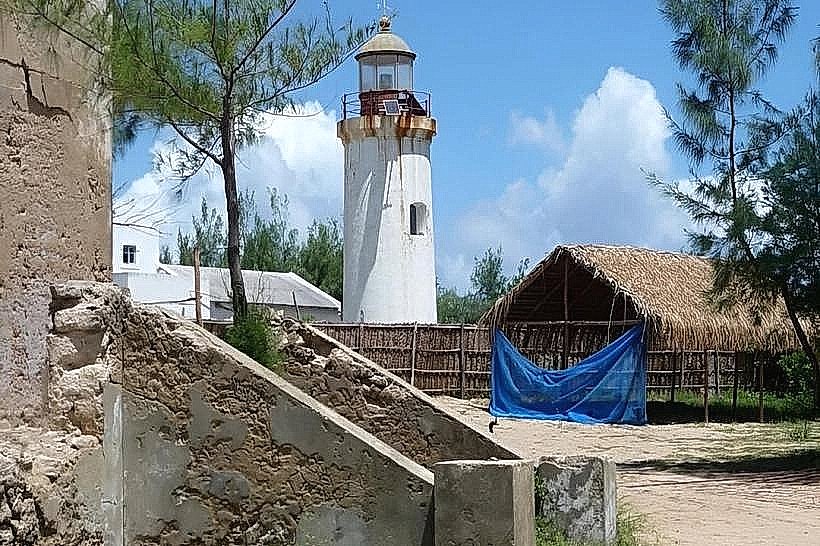
- Barra Lighthouse (7km North)
- Lingua de Inhambane (10km North)