Landmark: Palazzo Pisani Moretta
City: Venice
Country: Italy
Continent: Europe
Palazzo Pisani Moretta, Venice, Italy, Europe
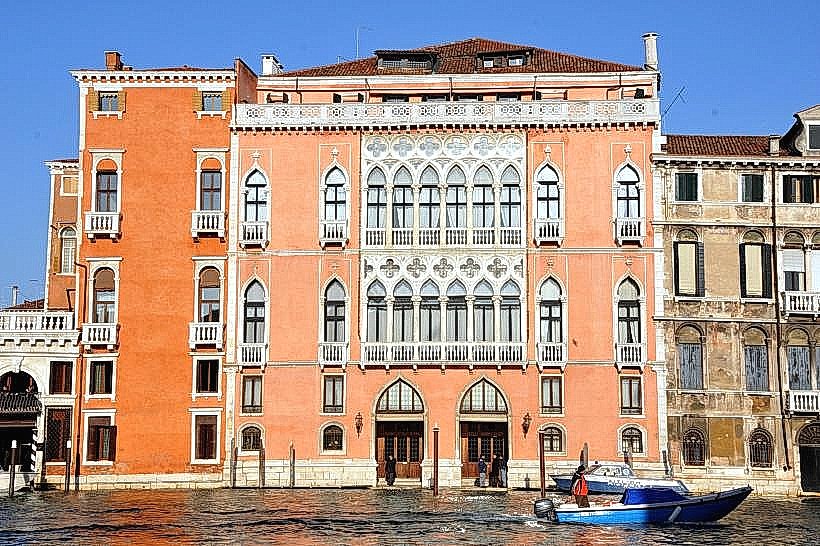
Palazzo Pisani Moretta is a Venetian Gothic palace situated on the Grand Canal in Venice, Italy.
It is one of the few palaces on the Grand Canal to retain its original medieval facade.
Visual Characteristics
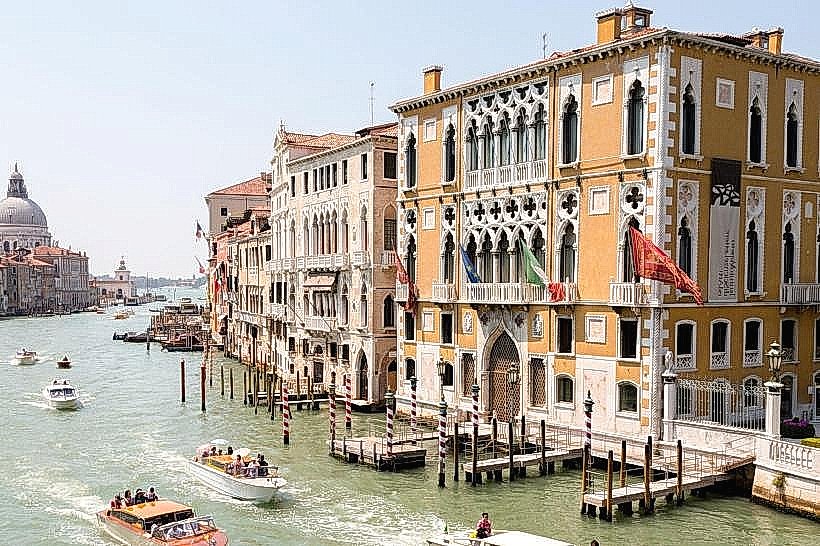
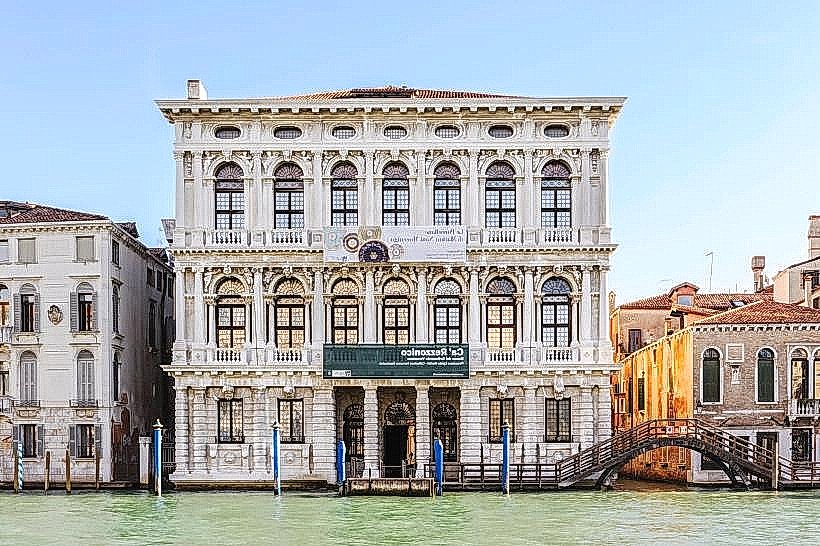
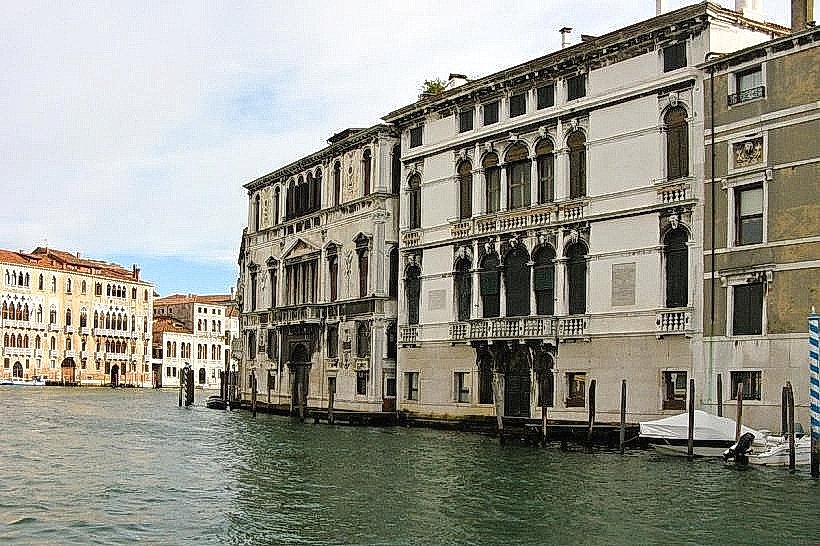
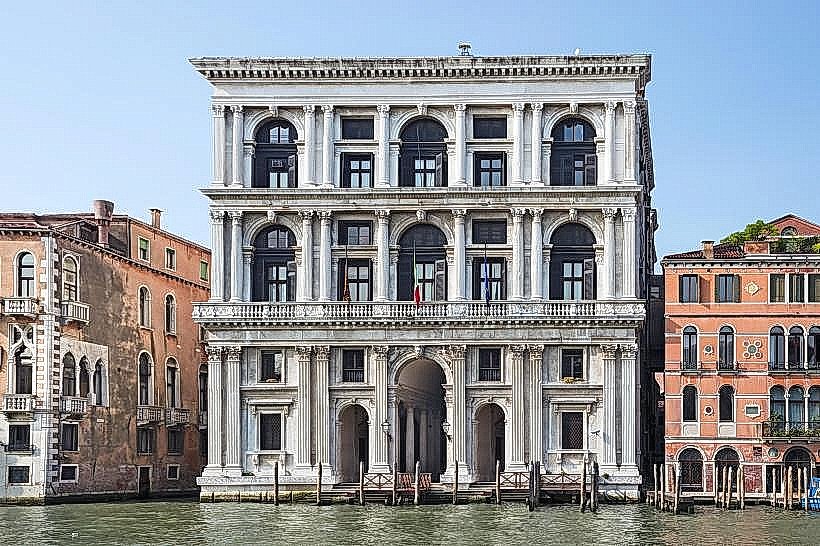
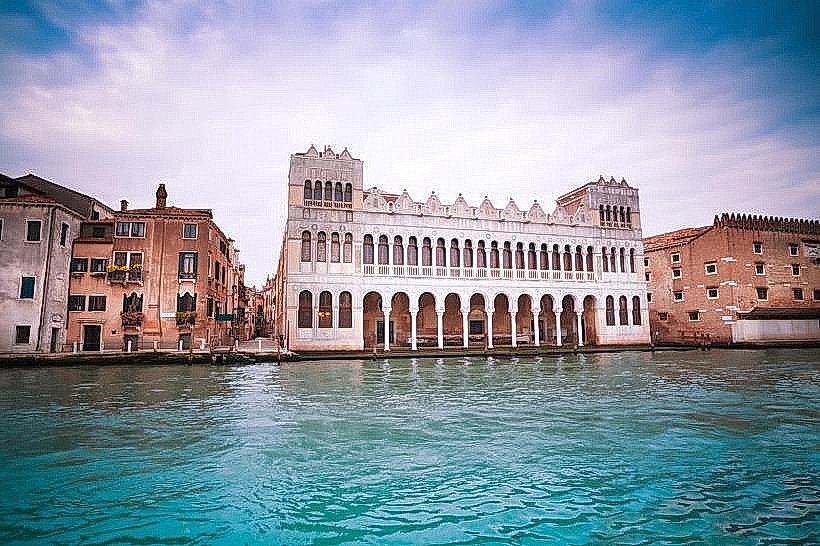
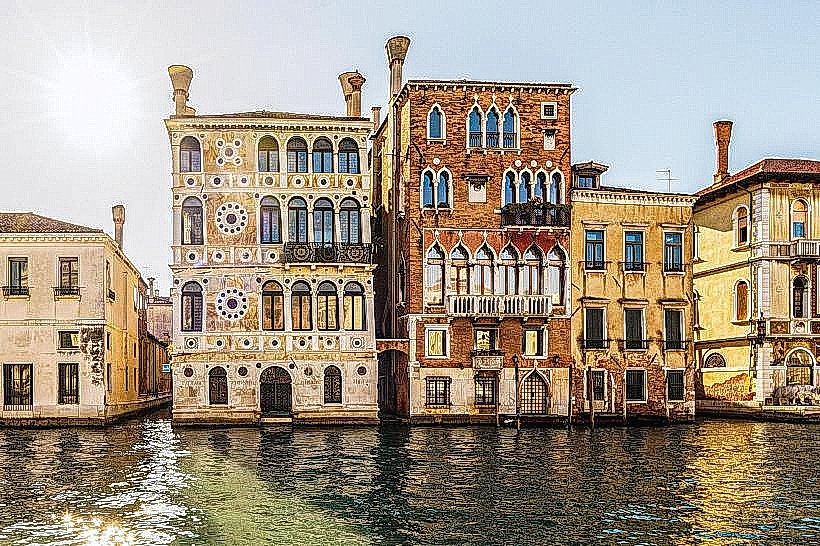
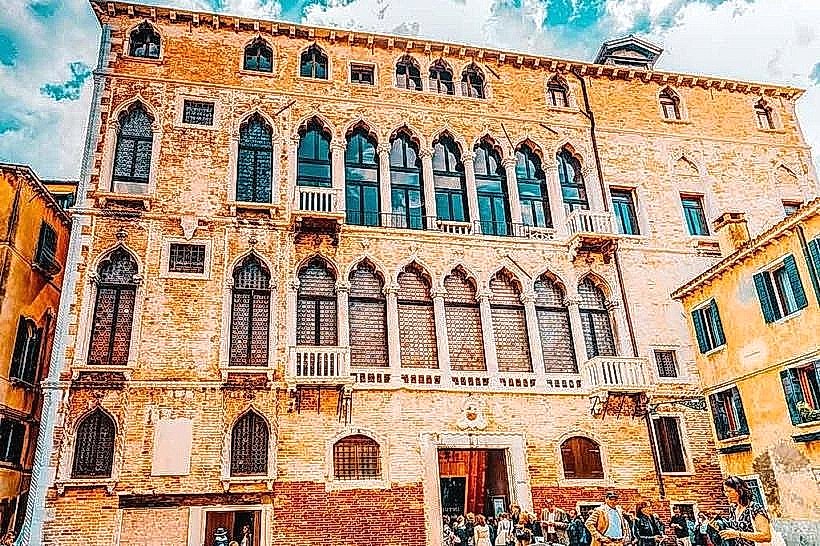
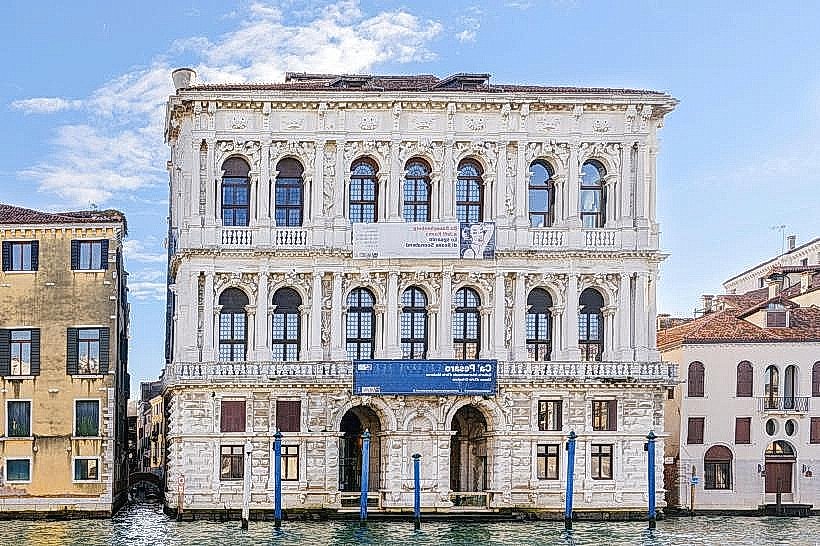
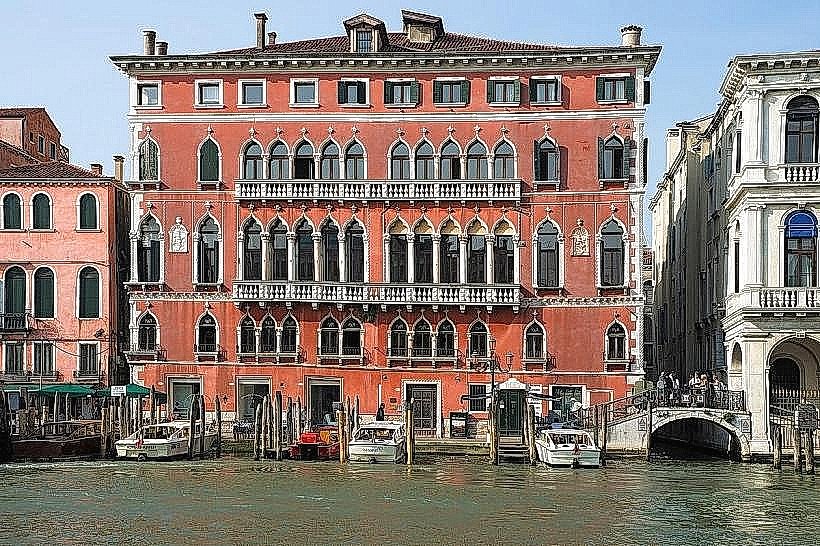
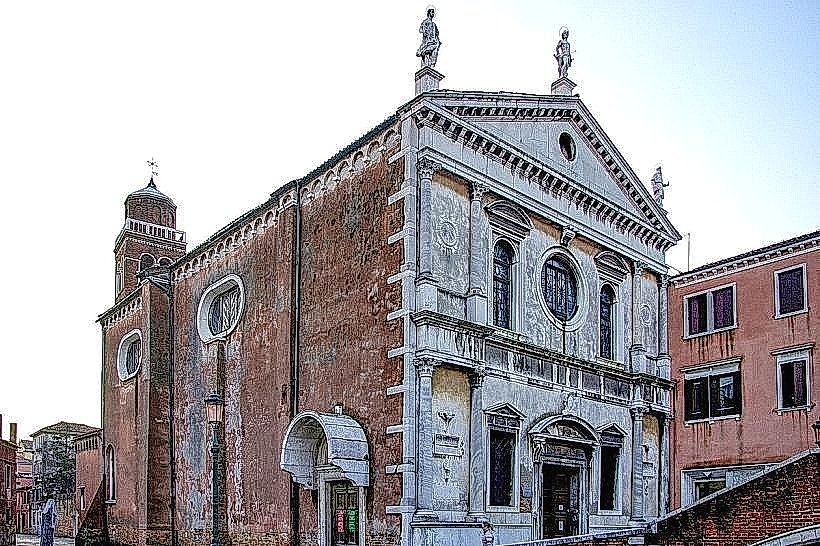
The palace features a tripartite facade constructed from Istrian stone. The central section is characterized by a loggia with six pointed arches on the piano nobile, flanked by single lancet windows. The ground floor exhibits a series of smaller, arched openings. The exterior color palette is dominated by the pale grey of the stone, with accents of red brick visible in certain areas. The building rises to three stories, with a prominent cornice and a crenellated parapet.
Location & Access Logistics
Palazzo Pisani Moretta is located on the Grand Canal at San Polo 2766. Access is primarily via water. The nearest Vaporetto stop is San Tomà, served by lines 1 and 2. From the San Tomà stop, the palace is a short walk along the canal. Land access involves navigating the narrow calle (alleys) of the San Polo district; the closest land routes are via the Rialto Bridge or the Accademia Bridge, requiring significant walking through the city's labyrinthine streets.
Historical & Ecological Origin
The palace was constructed in the 15th century, with its current form largely attributed to the Pisani family, who acquired the property in the late 14th century. The original structure likely dates back to the 14th century. Its purpose was residential, serving as the primary home for the wealthy Pisani family, a prominent Venetian noble house. The architectural style is a prime example of Venetian Gothic, blending Byzantine and Gothic elements.
Key Highlights & Activities
Visitors can observe the exterior facade from the Grand Canal during Vaporetto transit or by private watercraft. Limited interior access may be available during specific events or by private arrangement, though it is not a publicly accessible museum. The primary activity is appreciating the architectural details and its historical context within the Venetian urban fabric.
Infrastructure & Amenities
Public restrooms are not directly associated with the palace. Shade is available from the building's overhangs and nearby structures. Cell phone signal (4G/5G) is generally available in this central Venice location. Food vendors and restaurants are located in the surrounding San Polo district, particularly near the Rialto Market.
Best Time to Visit
For optimal viewing of the facade's details and lighting, late afternoon is recommended when the sun illuminates the stone. The best months for visiting Venice, and thus for appreciating the palace's context, are April, May, September, and October, avoiding the peak summer heat and crowds. High tide can affect water levels on the Grand Canal, but does not typically impede viewing of the palace itself.
Facts & Legends
A notable historical anecdote concerns the Pisani family's wealth and influence, with the palace serving as a testament to their status. It is said that the family commissioned elaborate frescoes and decorations within, though much of this interior work is not publicly visible today. The palace is one of the few on the Grand Canal to have maintained its original medieval appearance without significant Baroque or Neoclassical alterations.
Nearby Landmarks
- Rialto Bridge (0.4km Northeast)
- Basilica dei Frari (0.6km Northwest)
- Scuola Grande di San Rocco (0.7km West)
- Ca' d'Oro (0.8km Northeast)
- Doge's Palace (1.2km East)