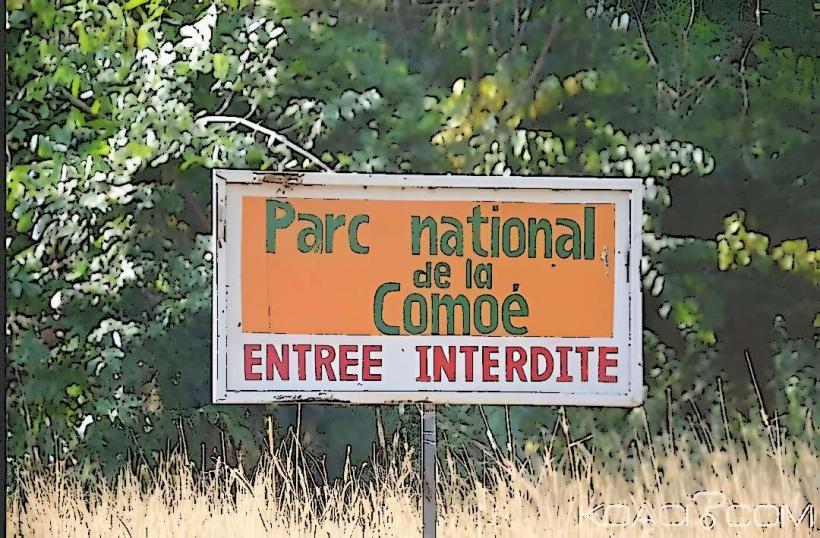
Landmark: Parc National de la Comoé
City: Bouake
Country: Cote d-Ivoire
Continent: Africa
Parc National de la Comoé, Bouake, Cote d-Ivoire, Africa
Parc National de la Comoé is a protected area located in northeastern Côte d'Ivoire, spanning across the Zanzan and Savanes regions.
This national park encompasses a significant portion of the Comoé River basin, characterized by a mosaic of savanna ecosystems.
Visual Characteristics
The landscape consists primarily of Sudanian savanna, featuring open grasslands interspersed with gallery forests along the Comoé River and its tributaries. Tree species include various Acacia and Daniellia species. The terrain is generally flat to gently undulating, with some rocky outcrops. The Comoé River itself is a prominent feature, varying in width and flow depending on the season.
Location & Access Logistics
The park is situated approximately 500 km northeast of Abidjan. Access is typically via the N1 highway towards Yamoussoukro, then the A3 towards Bouaké, and finally a secondary road (often unpaved and requiring a 4x4 vehicle, especially during the rainy season) towards the park entrance. The closest major city with an airport is Bouaké. Parking is available at park ranger stations, but facilities are basic. Public transport to the park's vicinity is limited; travel is predominantly by private vehicle.
Historical & Ecological Origin
Parc National de la Comoé was established in 1968 and designated a UNESCO World Heritage Site in 1983. Its ecological significance lies in its representation of a transition zone between West African savanna and Sudanian savanna, supporting a high diversity of flora and fauna. The park's geological formation is part of the West African Craton, with ancient rock formations influencing the soil types and drainage patterns.
Key Highlights & Activities
Wildlife observation is a primary activity, with opportunities to see elephants, lions, leopards, hippopotamuses, and various antelope species. Birdwatching is also significant. Hiking is possible on designated trails, though often requires a guide. Boat trips on the Comoé River are sometimes available, depending on water levels and park management. Photography is a common pursuit due to the diverse landscapes and wildlife.
Infrastructure & Amenities
Basic infrastructure exists at ranger posts, including some accommodation options (lodges or camping sites) which require advance booking. Restrooms are generally available at main entry points and ranger stations. Shade is provided by trees in forested areas and gallery forests. Cell phone signal is unreliable within the park boundaries. Food vendors are not typically found within the park; visitors must bring their own supplies.
Best Time to Visit
The dry season, from November to March, is generally considered the best time to visit for wildlife viewing, as animals congregate around water sources. The best time of day for photography is early morning and late afternoon, due to softer light and increased animal activity. High water levels in the Comoé River can restrict access to certain areas during the rainy season (June to October).
Facts & Legends
The park is home to a significant population of chimpanzees, which are a focus of ongoing research. A specific local legend speaks of the Comoé River as a protective spirit for the surrounding lands, influencing the behavior of its inhabitants.
Nearby Landmarks
- 0.8km West: Ranger Station Comoé
- 2.5km North: Comoé River
- 4.0km Southeast: Village of Kounounou
- 4.8km Southwest: Savanna plains