Information
Landmark: Parque Nacional de MadidiCity: Beni
Country: Bolivia
Continent: South America
Parque Nacional de Madidi, Beni, Bolivia, South America
Parque Nacional de Madidi is a protected area located in the northwestern part of the Beni Department in Bolivia. It is one of the most biodiverse national parks in the world.
Visual Characteristics
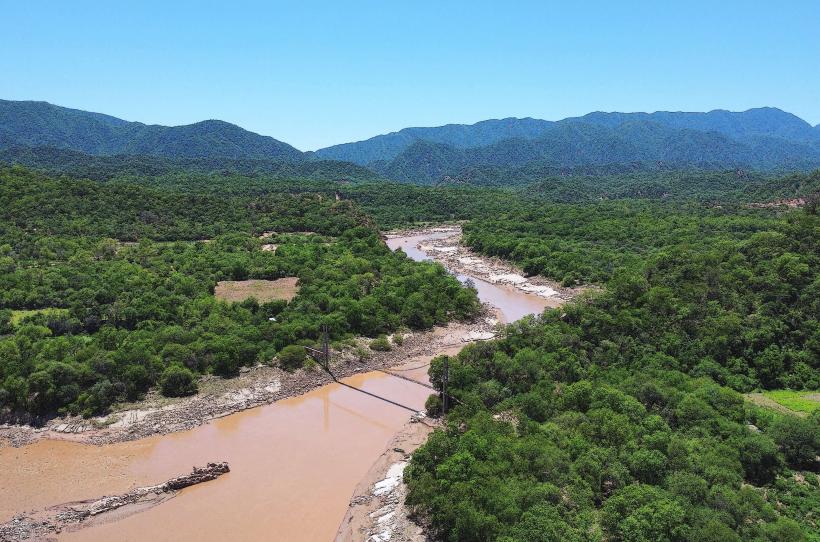
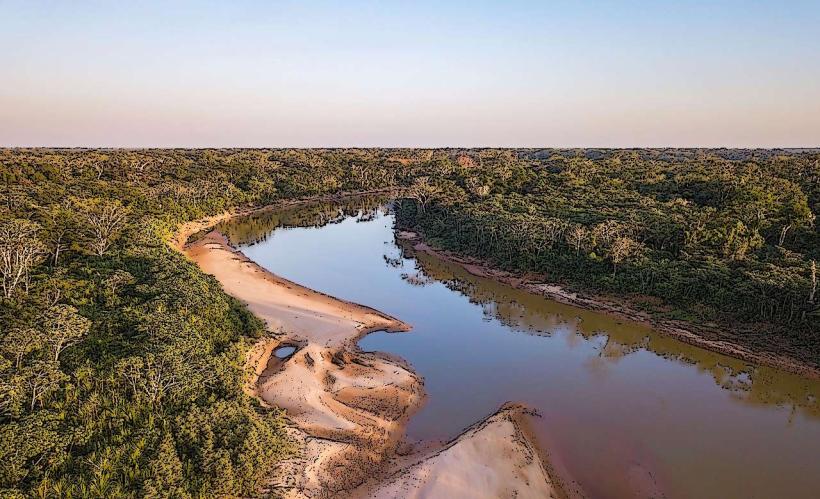
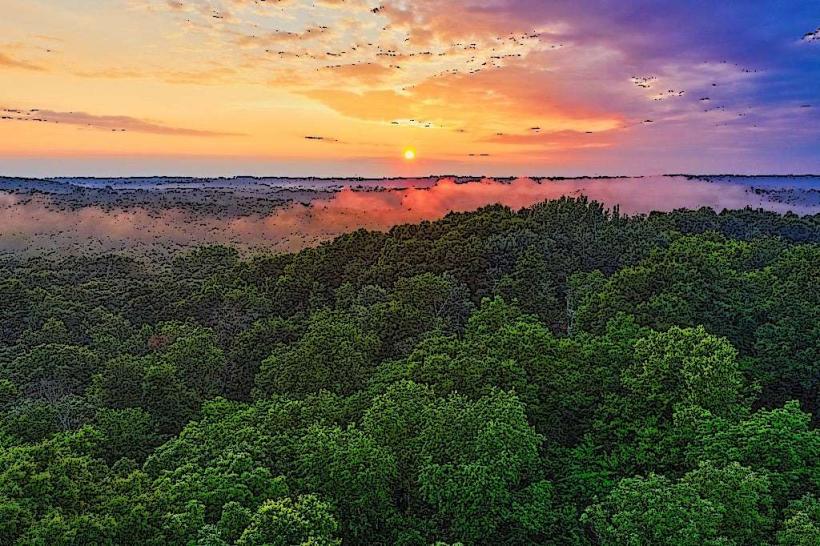
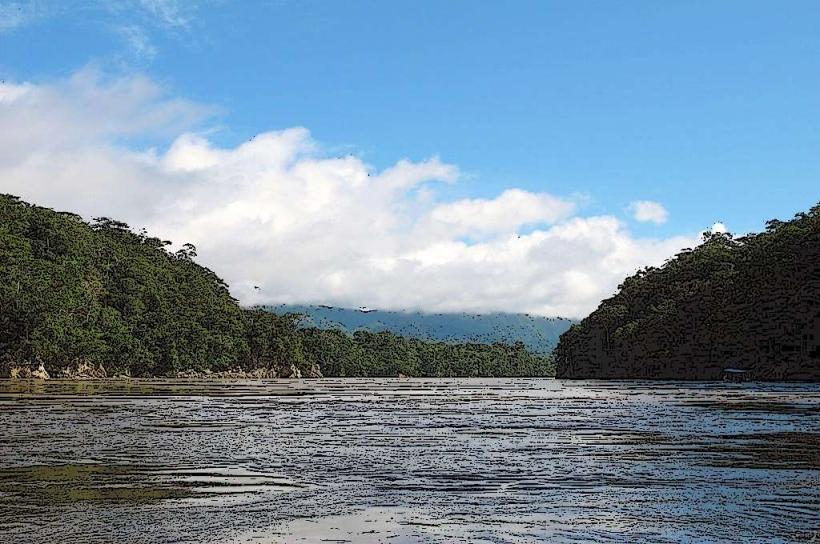
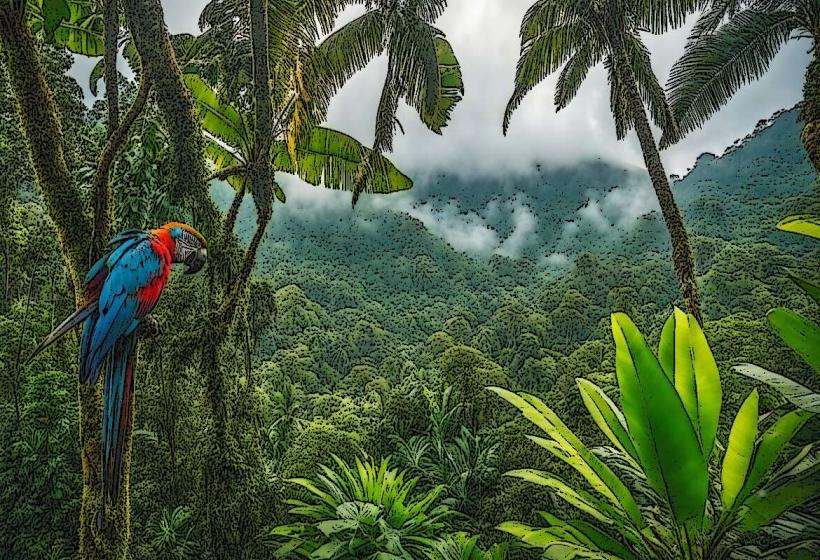
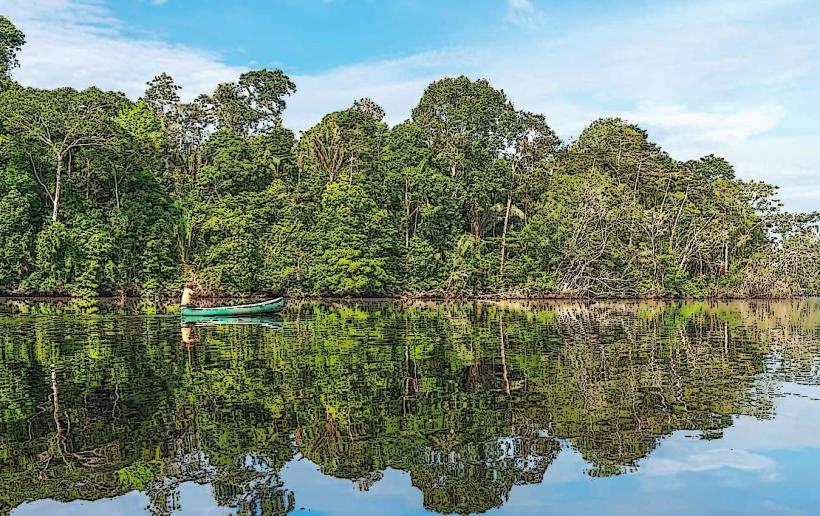
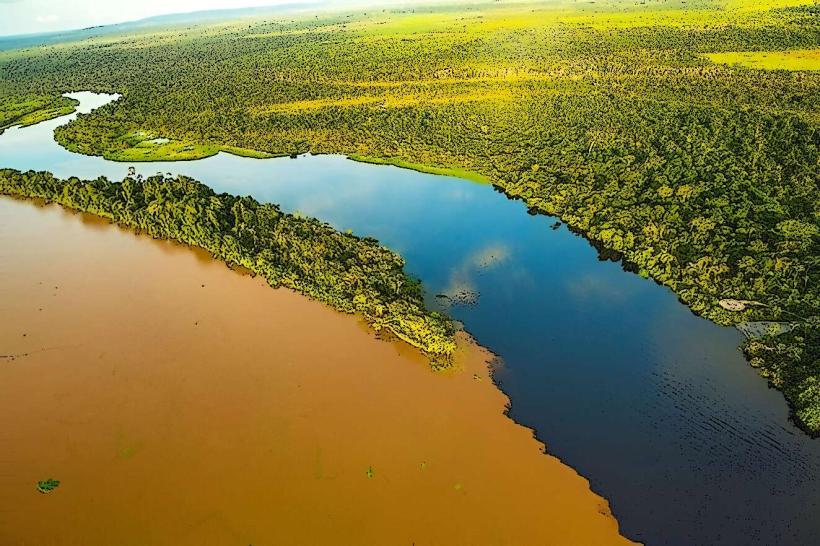
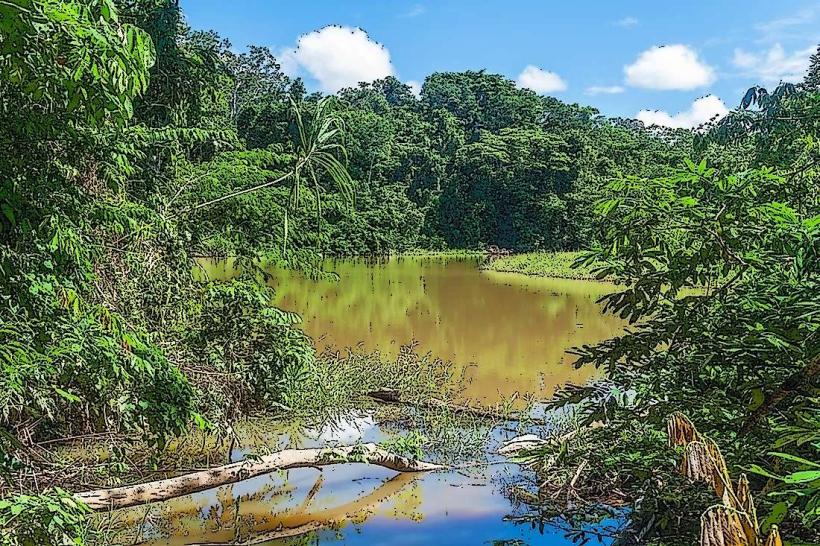
The park encompasses a wide range of ecosystems, from Andean cloud forests to Amazonian rainforests. Vegetation density is high, characterized by dense canopy cover in the lowland rainforests and a more varied, often moss-covered, flora in the higher elevations. Rivers within the park, such as the Tuichi River, are typically brown due to sediment load from the Andes.
Location & Access Logistics
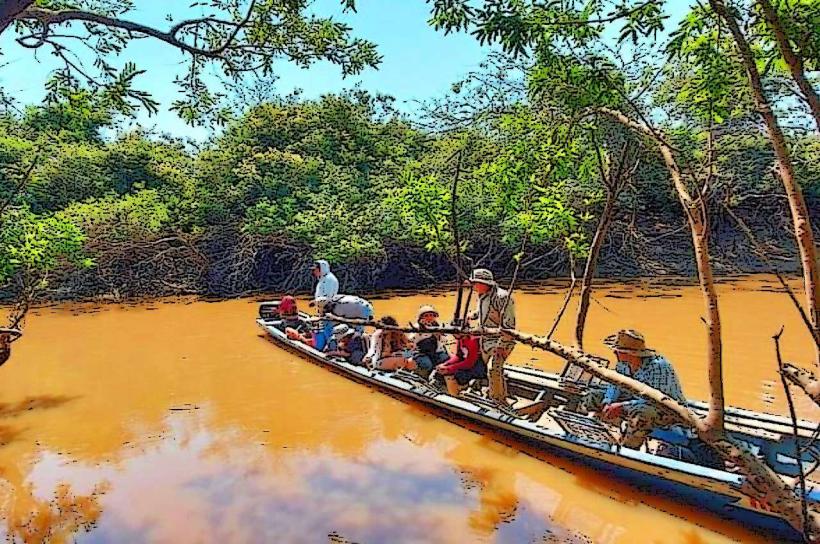
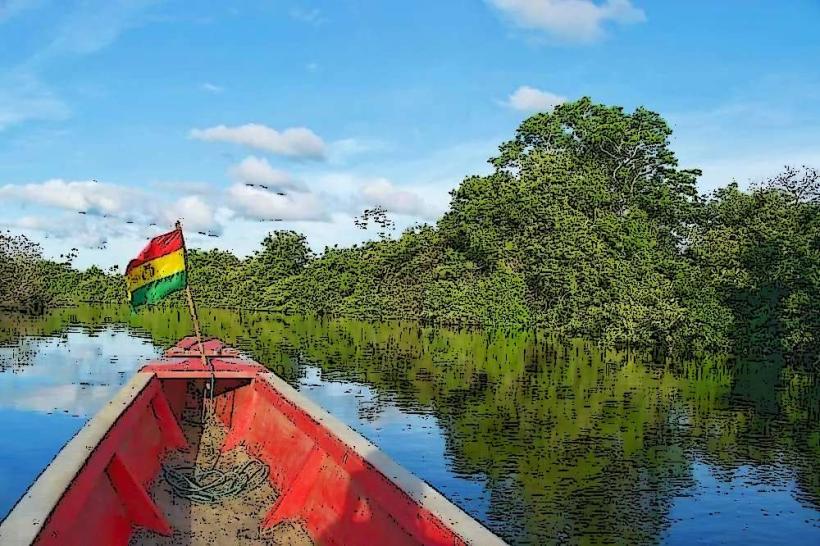
Madidi National Park is situated in the Amazon basin, bordering the Andes Mountains. The primary access point is via the town of Rurrenabaque, which is reachable by air from La Paz or by road. From Rurrenabaque, access to the park is typically by motorized canoe along the Beni and Tuichi Rivers. Travel time by boat can range from 4 to 12 hours depending on the specific lodge or area within the park. There is no direct road access into the core of the park. Limited parking is available in Rurrenabaque for vehicles not involved in park expeditions.
Historical & Ecological Origin
Madidi National Park was established on June 21, 1995. Ecologically, it represents a transition zone between the Andes and the Amazon, contributing to its exceptional biodiversity. The park's geological history involves uplift of the Andes and subsequent erosion, depositing sediments that form the basis of the lowland rainforest soils. Indigenous communities have inhabited the region for centuries, with their presence influencing the landscape and biodiversity through traditional land management practices.
Key Highlights & Activities
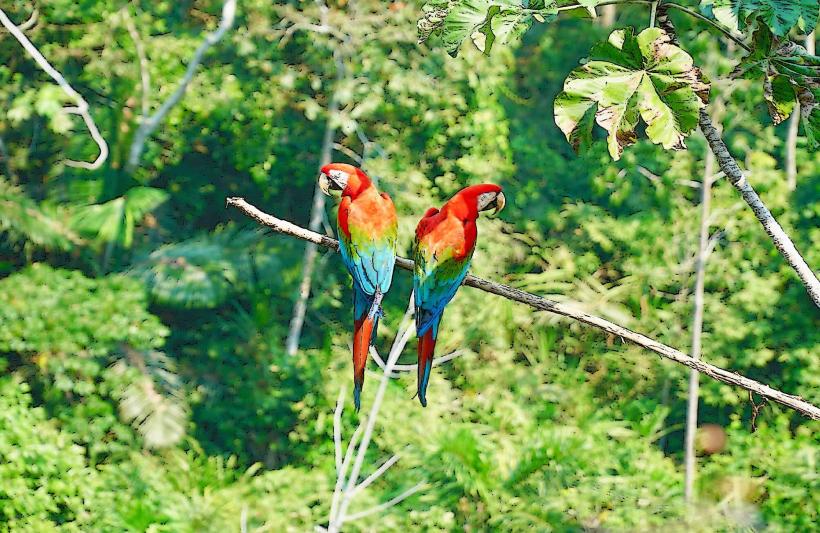
Activities include guided jungle treks on established trails, birdwatching (over 1,000 species recorded), wildlife observation (including monkeys, jaguars, tapirs, and caimans), and boat excursions on rivers and tributaries. Night walks are offered to observe nocturnal fauna. Visits to indigenous communities are sometimes arranged.
Infrastructure & Amenities
Within the park, infrastructure is limited to eco-lodges and ranger stations. Lodges typically provide basic accommodation, meals, and guided tours. Restrooms are available at lodges and designated campsites. Shade is abundant due to the dense forest canopy. Cell phone signal is generally absent within the park boundaries. Food vendors are not present within the park; meals are provided by lodges.
Best Time to Visit
The dry season, from May to October, is generally considered the best time to visit for easier trekking and wildlife viewing, as river levels are lower and trails are more accessible. The wet season (November to April) sees higher river levels, which can facilitate boat access to more remote areas but may also lead to trail closures. For photography, early morning and late afternoon offer optimal lighting conditions due to the forest canopy.
Facts & Legends
Madidi is home to the indigenous Tacana people, who have a deep understanding of the forest's medicinal plants. A specific tip for visitors is to carry insect repellent with a high concentration of DEET, as mosquitoes and other biting insects are prevalent year-round.
Nearby Landmarks
- 0.5km North: Chalalan Ecolodge
- 1.0km East: Tuichi River
- 2.5km Southwest: Madidi River
- 4.0km West: San José de Uchupiamonas Indigenous Community
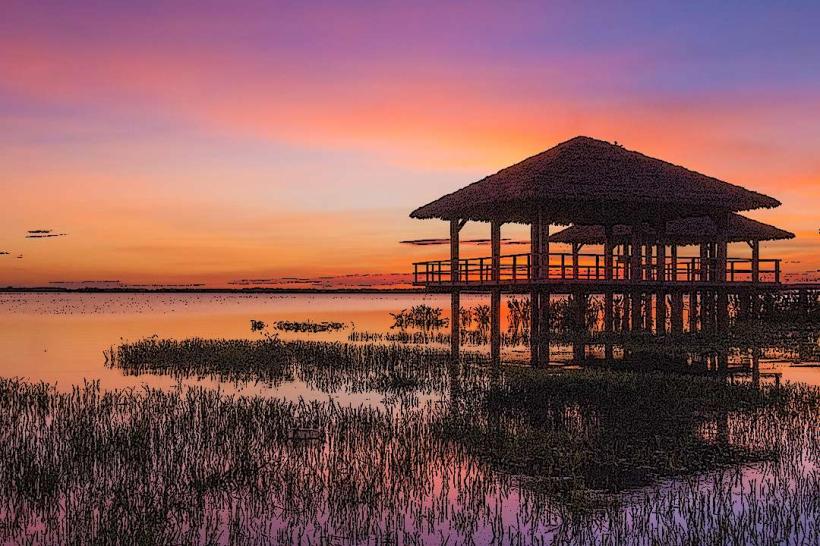
- 5.0km Northeast: Pampas Grasslands (accessible from Rurrenabaque)