Landmark: Parque Nacional do Cameia
City: Moxico
Country: Angola
Continent: Africa
Parque Nacional do Cameia, Moxico, Angola, Africa
Parque Nacional do Cameia is a protected area situated in the Moxico Province of Angola. It encompasses a significant portion of the Angolan plateau.
Visual Characteristics
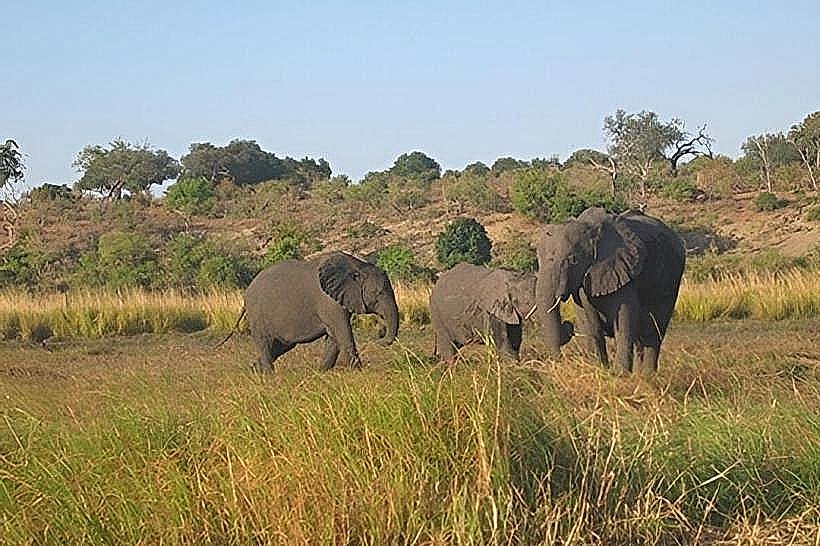
The park's landscape is characterized by extensive savanna grasslands, interspersed with miombo woodlands. Several shallow lakes and seasonal wetlands are present, with water color varying from clear to muddy depending on rainfall and sediment load. The terrain is generally flat to gently undulating.
Location & Access Logistics
Parque Nacional do Cameia is located approximately 150 kilometers west of Luena, the capital of Moxico Province. Access is primarily via the EN180 highway, which passes through the park. The road surface can be variable, with sections of gravel and compacted earth. There are no designated public transport routes directly serving the park. Visitors typically require private vehicles, preferably 4x4, for effective navigation within the park boundaries. Parking is not formally organized; vehicles are usually parked off the main tracks.
Historical & Ecological Origin
Established as a national park in 1934, Parque Nacional do Cameia was initially designated as a game reserve. Its ecological classification is that of a savanna biome, supporting a diverse range of flora and fauna adapted to seasonal rainfall patterns. The park's formation aimed at conserving wildlife populations and their habitats.
Key Highlights & Activities
Wildlife viewing is the primary activity, with opportunities to observe antelopes such as sable, roan, and hartebeest. Birdwatching is also significant due to the presence of wetlands. Game drives along existing tracks are the main method of exploration. Walking is permitted in designated areas but requires caution due to wildlife presence.
Infrastructure & Amenities
Basic infrastructure within the park is limited. There are no formal visitor centers or developed amenities. Restrooms are not available. Shade is provided by the natural tree cover in woodland areas. Cell phone signal is generally absent within the park. Food vendors are not present; visitors must bring their own supplies.
Best Time to Visit
The dry season, from May to October, is generally considered the best time for wildlife viewing as animals congregate around remaining water sources. The wet season (November to April) can make some tracks impassable. Early morning and late afternoon offer optimal lighting conditions for photography.
Facts & Legends
The park was once home to a significant population of African wild dogs, though their current numbers are uncertain. A specific tip for visitors is to carry sufficient fuel, as there are no refueling stations within or near the park.
Nearby Landmarks
- Luena City (150km East)
- Cazombo (Approx. 100km Southeast)