Information
Landmark: Pasture BayCity: Mustique
Country: Saint Vincent and the Grenadines
Continent: North America
Pasture Bay, Mustique, Saint Vincent and the Grenadines, North America
Pasture Bay is a coastal area situated on the western side of Mustique island in Saint Vincent and the Grenadines.
This location serves as a natural habitat and a point of interest for observing marine life.
Visual Characteristics
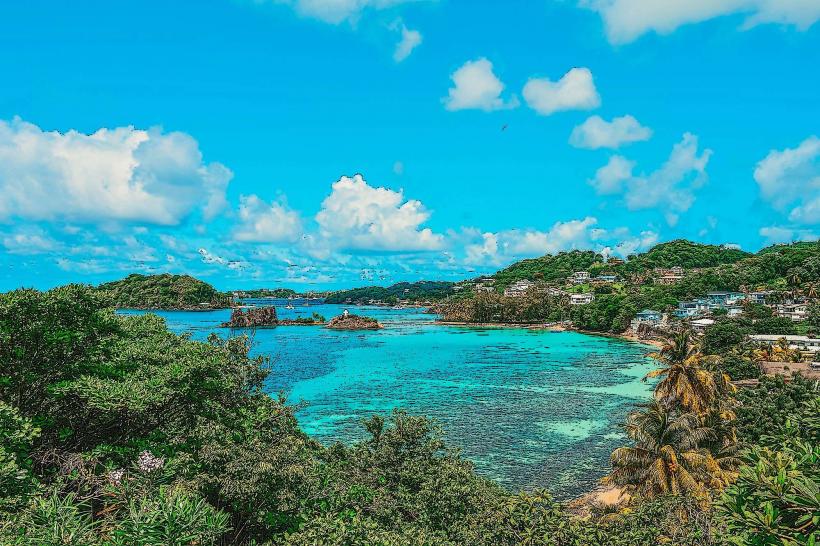
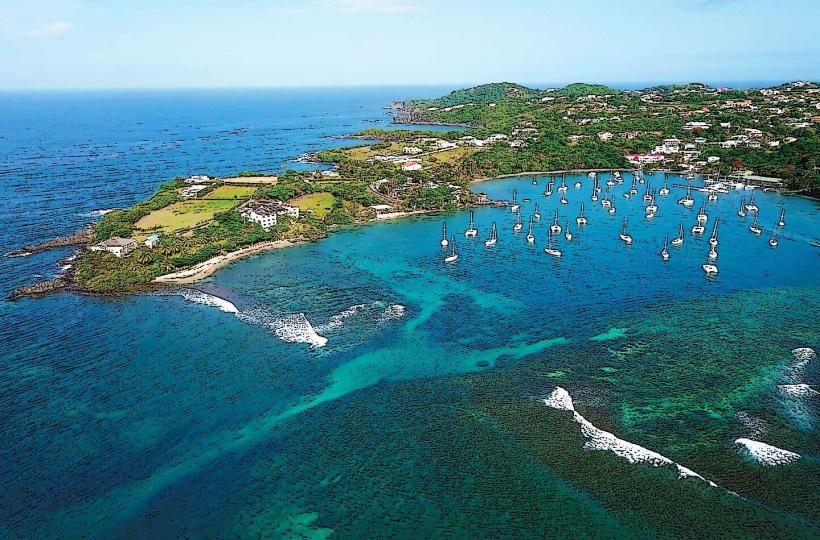
Pasture Bay features a coastline characterized by coarse, light-colored sand. The water exhibits a clear, turquoise hue, transitioning to deeper blues further offshore. The bay is bordered by low-lying, scrubby vegetation and occasional palm trees. Rock outcroppings are present at the northern and southern extremities of the bay.
Location & Access Logistics
Pasture Bay is located approximately 3 kilometers west of the main settlement on Mustique. Access is primarily via unpaved service roads originating from the island's interior road network. Vehicle access is restricted to authorized personnel and residents with specific permits. Visitors typically reach the bay on foot via designated walking paths, a journey of approximately 20-30 minutes from the nearest accessible point by golf cart or utility vehicle. There are no public transport services directly to Pasture Bay.
Historical & Ecological Origin
Pasture Bay is a natural formation, part of the island's coastal geomorphology. Its ecological significance lies in its role as a nesting ground for sea turtles and a feeding area for various marine species. The bay's formation is attributed to coastal erosion and sediment deposition over geological time.
Key Highlights & Activities
Observation of nesting sea turtles (seasonal, typically May to October). Birdwatching along the coastline. Beachcombing for shells and marine debris. Photography of the coastal landscape.
Infrastructure & Amenities
There are no permanent infrastructure or amenities at Pasture Bay. Visitors should carry their own water and provisions. Cell phone signal is intermittent and unreliable. No restroom facilities or food vendors are present.
Best Time to Visit
For turtle nesting observation, the period between May and October is most relevant, with nesting activity often occurring at night. For general visitation and photography, early morning or late afternoon provides optimal lighting conditions, avoiding the midday sun. The dry season, from December to May, offers the most predictable weather patterns.
Facts & Legends
Local lore suggests that the bay was historically used by island inhabitants for grazing livestock, hence its name. A specific tip for visitors is to tread lightly and avoid disturbing the sand, particularly during nesting season, to protect potential turtle nests.
Nearby Landmarks
- Cotton House (1.5km East)
- Mustique Polo Club (2.0km Northeast)
- Geoffrey's (2.5km East)
- Firefly Plantation (3.0km East)