Landmark: Pedra de Lume Salt Crater
City: Pedra de Lume
Country: Cabo Verde
Continent: Africa
Pedra de Lume Salt Crater, Pedra de Lume, Cabo Verde, Africa
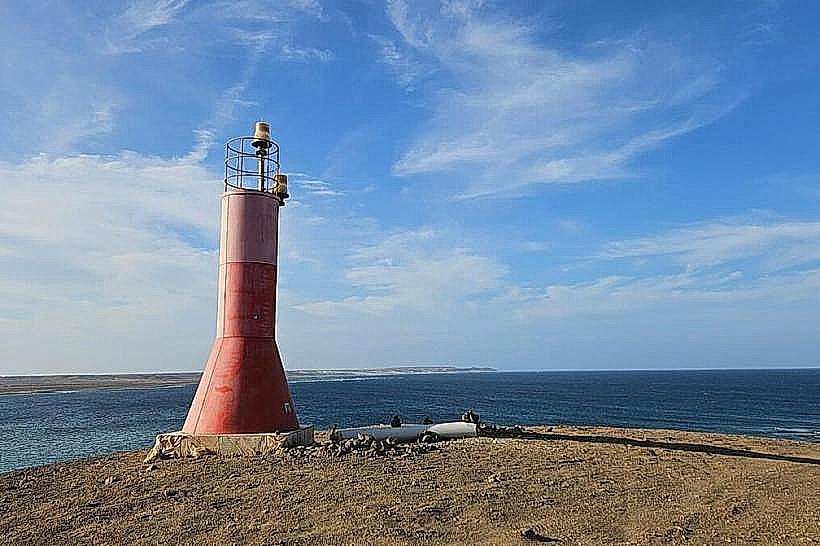
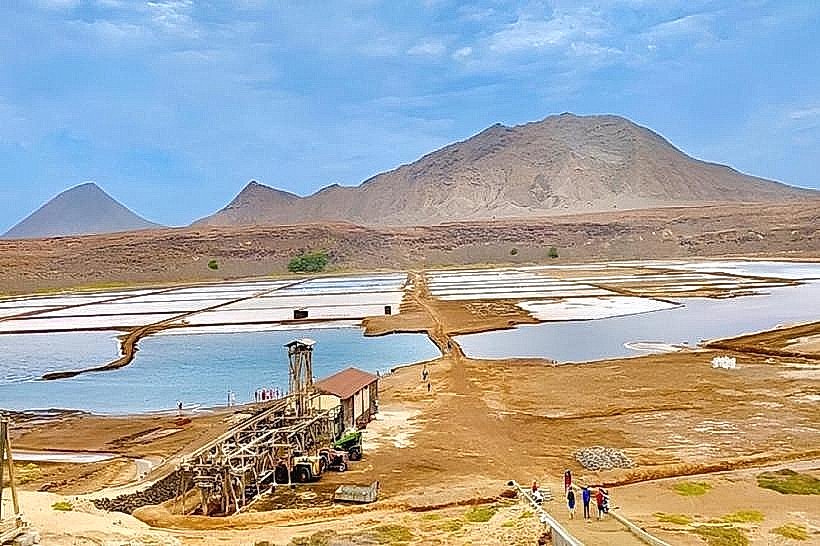
The Pedra de Lume Salt Crater is a volcanic crater containing salt pans located on Sal Island, Cabo Verde.
It is situated within the village of Pedra de Lume.
Visual Characteristics
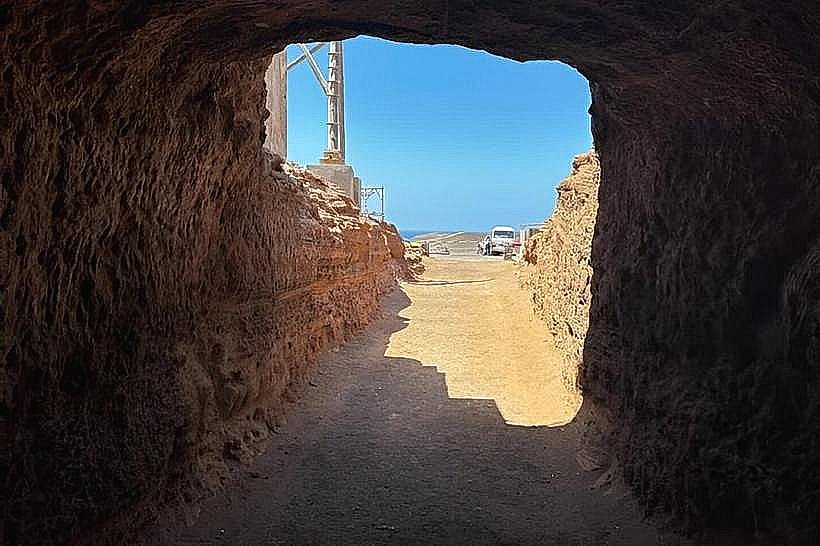
The crater rim is composed of dark volcanic rock. Inside, the crater floor is a mosaic of salt pans, varying in color from white to pink and orange due to mineral content and algae. The salt pans are shallow, with water levels fluctuating based on rainfall and evaporation. The surrounding landscape is arid and rocky.
Location & Access Logistics
The crater is located approximately 5 kilometers northeast of Espargos, the island's capital. Access is via a paved road from Espargos, designated as EN1-SL. Parking is available at the crater entrance. Public transport to the crater is limited; taxis or rental vehicles are the primary means of access from Espargos or Santa Maria.
Historical & Ecological Origin
The crater is a dormant volcanic caldera. Salt extraction from the crater began in the late 19th century, with commercial operations commencing in 1833. The salt was historically a significant export commodity for Sal Island. The salt pans are a result of natural evaporation of seawater that enters the crater.
Key Highlights & Activities
Visitors can walk along the crater rim for panoramic views. Descending into the crater allows for closer inspection of the salt pans. Swimming in the hypersaline water is possible, offering a buoyant experience similar to the Dead Sea. Guided tours explaining the salt extraction process are available.
Infrastructure & Amenities
Restrooms are available at the entrance to the salt pans. Limited shade is provided by small structures near the entrance. Cell phone signal (4G) is generally available. There are no food vendors directly at the crater; provisions should be made in Espargos or Santa Maria.
Best Time to Visit
The best time of day for photography is late morning or early afternoon when the sun is high, illuminating the salt pans. The driest months, from November to June, offer the most stable conditions for salt pan visibility. High tide is not a relevant factor for this inland salt crater.
Facts & Legends
The high salinity of the water within the salt pans is due to the concentration of dissolved salts from evaporated seawater and mineral deposits. The pinkish hues are caused by specific types of halophilic algae that thrive in these extreme saline environments.
Nearby Landmarks
- Espargos (5km Southwest)
- Buracona Natural Pools (12km Northwest)
- Shark Bay (15km West)
- Santa Maria (20km South)