Landmark: Potsdam Dutch Quarter
City: Potsdam
Country: Germany
Continent: Europe
Potsdam Dutch Quarter, Potsdam, Germany, Europe
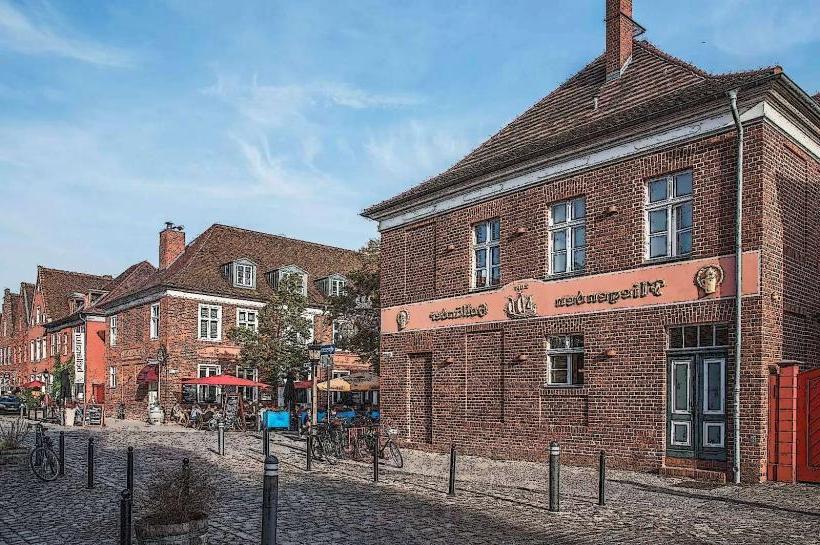
Dutch Quarter (Holländisches Viertel) is a historic neighborhood in Potsdam, Germany, consisting of 134 red-brick houses built in the Dutch style.
Visual Characteristics
The quarter is defined by its uniform architecture: red unplastered brick, white window shutters, and characteristic Dutch gables. It is organized into four symmetrical blocks. The streets are paved with cobblestones, and the ground floors are predominantly occupied by small boutiques, galleries, and cafes.
Location & Access Logistics
Located in the center of Potsdam (14467), bounded by Friedrich-Ebert-Straße, Mittelstraße, and Benkertstraße.
Transit: 15-minute walk from Potsdam Hauptbahnhof, or take Tram 92 or 96 to the "Holländisches Viertel" stop.
Access: Open public residential and commercial district.
Admission: Free.
Hours: Accessible 24/7; shop and cafe hours typically 10:00 AM – 6:00 PM.
Historical Origin
Constructed between 1733 and 1740 under King Frederick William I (the "Soldier King"). It was designed by the Dutch architect Jan Bouman to attract Dutch craftsmen and artisans to Potsdam, as the King admired their skills and work ethic. It remains the largest collection of Dutch-style houses outside the Netherlands.
Key Highlights & Activities
Jan Bouman Haus: A museum located at Mittelstraße 8, showcasing the history of the quarter and the original interior of a 1730s house.
Artisanal Shopping: Numerous shops specializing in antiques, handmade jewelry, and traditional crafts.
Culinary Scene: Known for Dutch specialties like Pannenkoeken (pancakes) and local German cuisine.
Tulip Festival: An annual event in April featuring Dutch crafts, flowers, and traditional costumes.
Infrastructure & Amenities
The area is a high-density pedestrian-friendly zone. It features numerous outdoor seating areas and narrow alleys. Public restrooms are available in nearby shopping centers or museums. 5G signal is robust throughout the central blocks.
Best Time to Visit
Weekends: For the most vibrant atmosphere and full shop availability.
December: For the "Sinterklaas" Christmas market, which features Dutch holiday traditions.
Facts & Legends
A technical oddity is the marshy ground; the houses were built on a foundation of thousands of wooden piles driven into the swampy soil of the Nuthe lowland. Legend states that the Soldier King was so disappointed that more Dutchmen didn't move in that he eventually filled the remaining houses with Prussian grenadiers and French Huguenots.
Nearby Landmarks
St. Peter and Paul Church – 0.1km East
Brandenburger Straße (Shopping Street) – 0.2km South
Sanssouci Park – 0.8km West
Nauener Tor (Nauen Gate) – 0.05km North