Information
Landmark: Radnor Lake State ParkCity: Nashville
Country: USA Tennessee
Continent: North America
Radnor Lake State Park, Nashville, USA Tennessee, North America
Radnor Lake State Park is a protected natural area located in the city of Nashville, Tennessee, USA.
This park preserves a significant natural environment within an urban setting.
Visual Characteristics
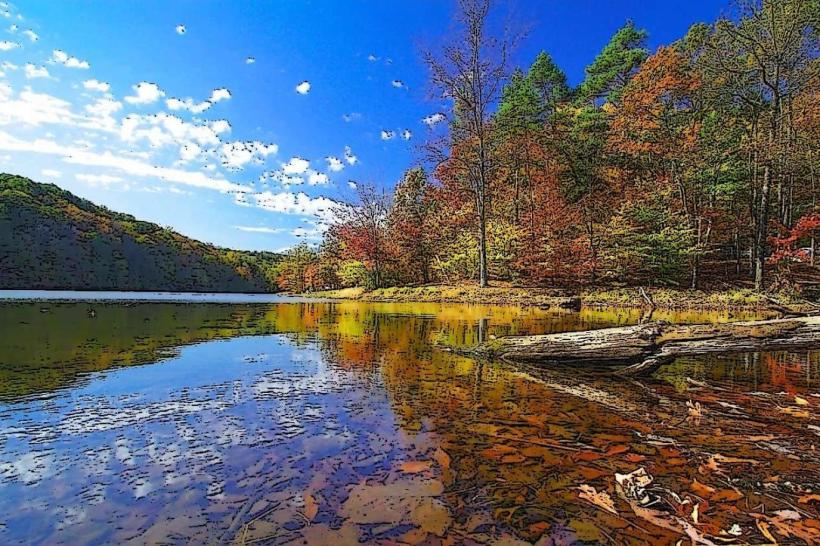
The park's central feature is Radnor Lake, a 135-acre body of water. The lake's surface varies in color from deep blue to greenish-brown depending on light conditions and sediment levels. The shoreline is predominantly natural, with dense deciduous and evergreen vegetation including oak, hickory, and pine trees. Several miles of unpaved trails traverse the park, offering views of the lake and surrounding woodlands. The terrain is generally rolling with some steeper inclines along the western edge of the lake.
Location & Access Logistics
Radnor Lake State Park is situated approximately 12 miles south of downtown Nashville. Access is via Franklin Pike (State Route 399). The primary entrance is located at 1150 Otter Creek Road, Nashville, TN 37220. Ample parking is available at the main visitor center and along Otter Creek Road. Public transportation options are limited; the nearest bus routes do not directly serve the park entrance. Visitors typically arrive by private vehicle.
Historical & Ecological Origin
Radnor Lake was created in 1890 by the Louisville and Nashville Railroad to serve as a water source for steam locomotives. The dam that created the lake was constructed of earth and stone. In 1973, the Tennessee Department of Conservation acquired the land, establishing it as a Class II Natural Area to protect its ecological integrity. The park is classified as a riparian ecosystem, supporting a diverse range of flora and fauna.
Key Highlights & Activities
Activities are restricted to preserve the natural environment. Hiking is permitted on designated trails, including the Lake Trail (2.5 miles loop) and the Ganier Ridge Trail (2.2 miles loop). Birdwatching is a primary activity, with over 200 species recorded. Canoeing and kayaking are allowed on the lake during specific hours, with no motors permitted. Photography is permitted, with optimal lighting for the lake occurring in the early morning and late afternoon.
Infrastructure & Amenities
Restrooms are available at the visitor center and at trailheads. Shaded areas are present along the trails and at designated picnic spots. Cell phone signal (4G/5G) is intermittent within the park, particularly in wooded areas. There are no food vendors within the park; visitors are advised to bring their own provisions. A visitor center provides information and exhibits.
Best Time to Visit
For photography, the best times are early morning (7:00 AM - 9:00 AM) and late afternoon (4:00 PM - 6:00 PM) for softer light. The best months for general visitation are April through October, when temperatures are moderate and vegetation is at its peak. Spring (March-May) offers abundant wildflowers. Fall (September-November) provides autumn foliage. There are no specific tide requirements as Radnor Lake is a freshwater lake.
Facts & Legends
A unique aspect of Radnor Lake is its status as a "Quiet Park." Motorized boats are prohibited, and noise levels are generally kept low to maintain the natural ambiance. The park is a designated Natural Area, meaning development is minimal to protect its ecological features.
Nearby Landmarks
- The Parthenon (7.5km Northeast)
- Country Music Hall of Fame and Museum (11.8km North)
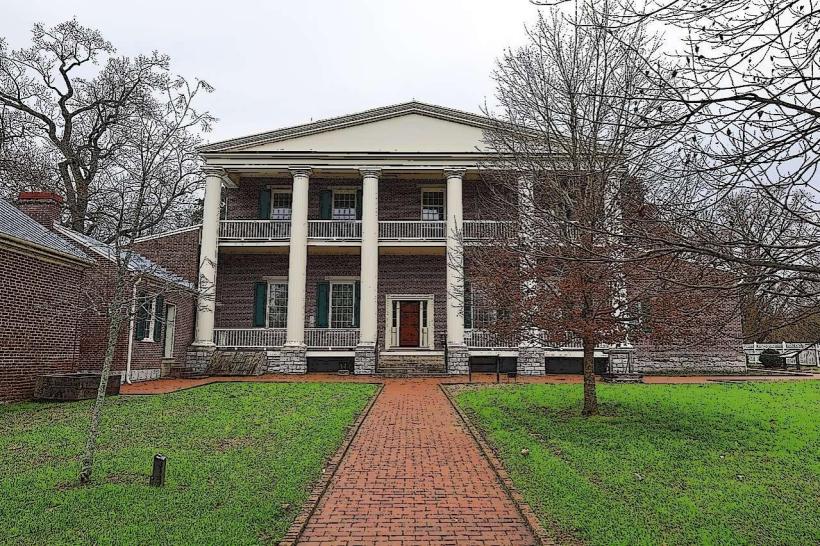
- The Hermitage (25km East)
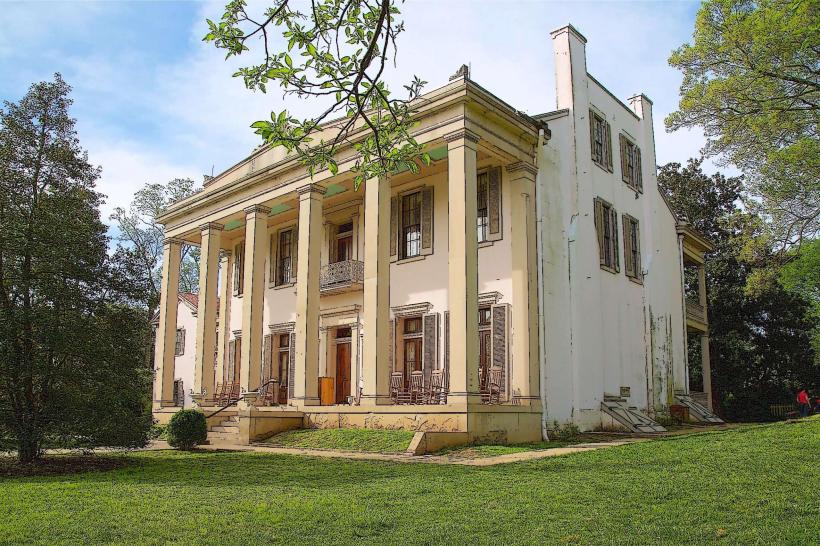
- Belle Meade Historic Site & Winery (3.2km Northwest)
- Percy Warner Park (5.1km West)