Landmark: Resurrection Bay
City: Seward
Country: USA Alaska
Continent: North America
Resurrection Bay, Seward, USA Alaska, North America
Resurrection Bay is a large, glacially carved inlet located in south-central Alaska, adjacent to the city of Seward.
It serves as the gateway to Kenai Fjords National Park.
Visual Characteristics
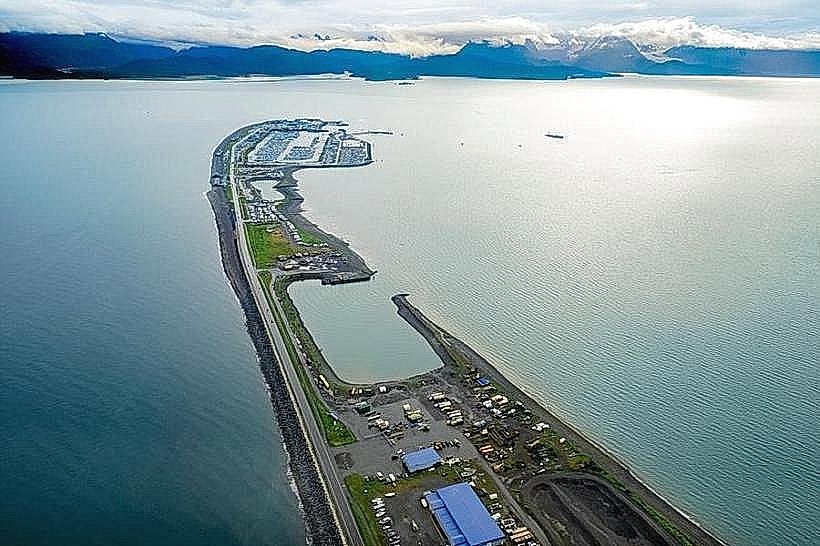
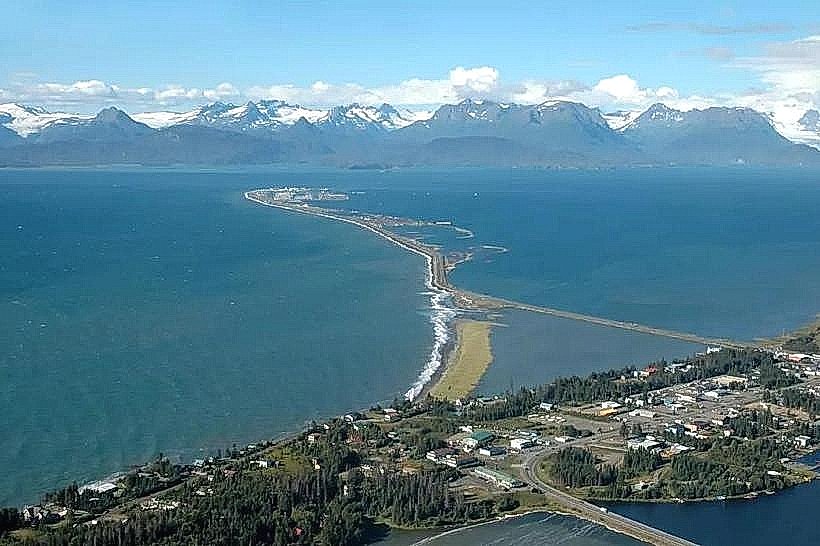
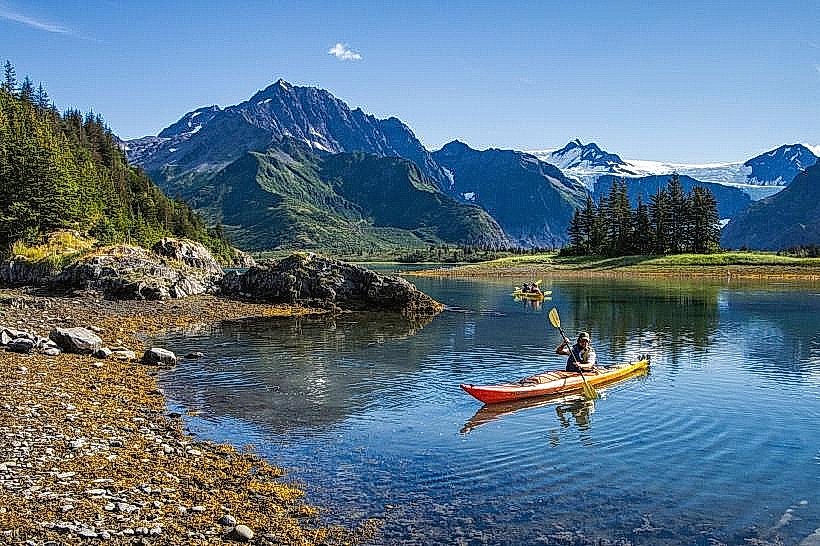
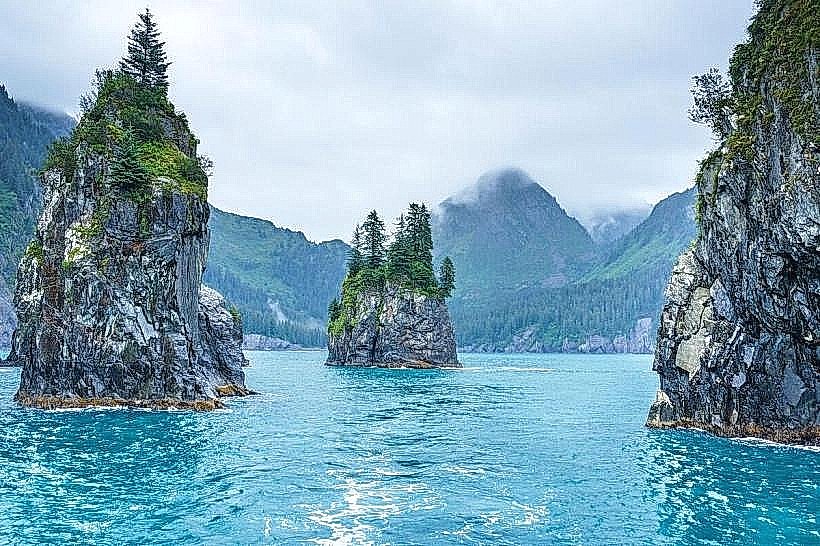
The bay is characterized by steep, U-shaped valley walls, a result of glacial erosion. Water depth varies significantly, reaching over 1,000 feet in some areas. The surrounding land is covered in dense coniferous forest, transitioning to alpine tundra at higher elevations. Glacial meltwater often imparts a milky or grey hue to the bay's surface, particularly during summer months. Numerous small islands and rocky outcrops are present within the bay.
Location & Access Logistics
Resurrection Bay is situated at the terminus of the Seward Highway (AK-1), approximately 125 miles south of Anchorage. The city of Seward is located on the eastern shore of the bay. Access to the bay itself is primarily via boat from the Seward Small Boat Harbor. Limited road access exists to specific points along the shoreline, such as Caines Head State Recreation Area, which requires a hike or boat drop-off. Parking is available in Seward, with fees typically charged in the downtown harbor area.
Historical & Ecological Origin
Resurrection Bay was carved by glaciers during past ice ages. Its current form is a classic fjord, a long, narrow inlet with steep sides or cliffs, created by glacial erosion. The bay is part of the larger Kenai Peninsula, which has a complex geological history involving tectonic activity and glaciation. Ecologically, it is a marine environment supporting diverse wildlife.
Key Highlights & Activities
Marine wildlife viewing tours operate from Seward, focusing on whales, sea otters, seals, and seabirds. Kayaking is possible within sheltered coves. Fishing charters depart regularly. Hiking trails are accessible from points along the bay, such as those within Caines Head State Recreation Area, offering coastal and forest environments. Boat-based exploration of the bay's numerous coves and islands is a primary activity.
Infrastructure & Amenities
Restrooms and food vendors are concentrated in the city of Seward, particularly around the Small Boat Harbor. Cell phone signal (4G/5G) is generally available in Seward and along the immediate coastline, but can be intermittent within the deeper fjords. Shade is abundant from the surrounding forest cover. No significant infrastructure exists within the bay itself beyond designated mooring buoys.
Best Time to Visit
The primary visitor season is from May through September, coinciding with warmer weather and longer daylight hours. Wildlife viewing is often optimal during the summer months. For photography, early morning and late afternoon light can provide favorable conditions on the water and surrounding mountains. Tidal fluctuations are present but do not typically impede access to the main bay.
Facts & Legends
The bay was named by Russian explorer Captain Nathaniel Rozanov in 1792, reportedly because he entered it on Easter Sunday. A notable historical feature is the abandoned World War II military installation at Caines Head, accessible via a challenging hike or boat drop-off.
Nearby Landmarks
- Caines Head State Recreation Area (0.5km West)
- Seward Small Boat Harbor (0.2km East)
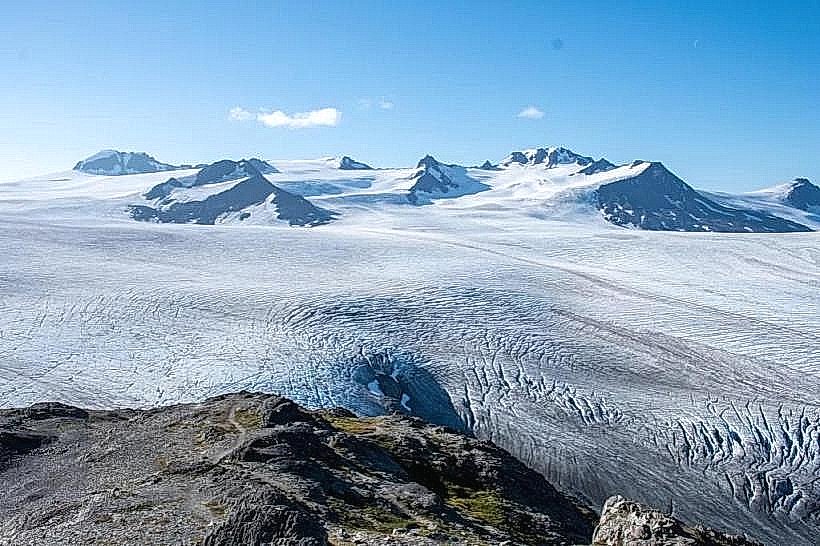
- Exit Glacier (10km Northwest)
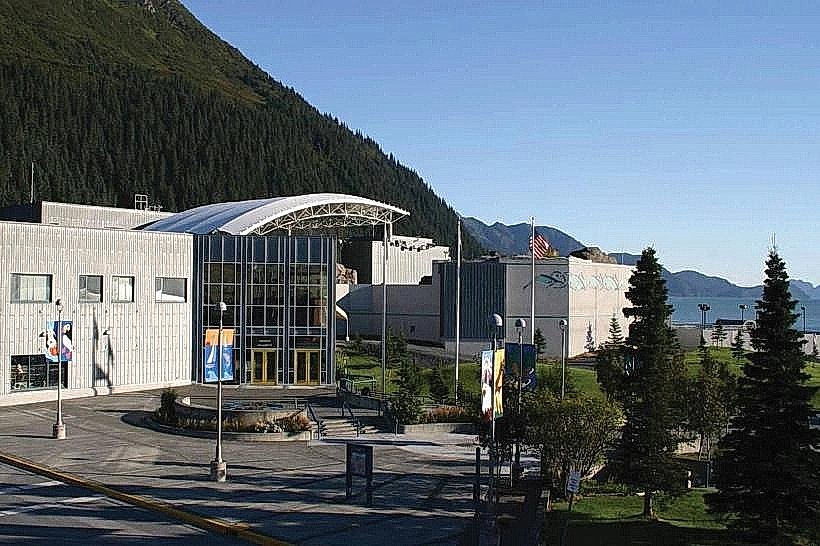
- Kenai Fjords National Park Visitor Center (0.3km East)
- Mount Marathon (2km Northwest)