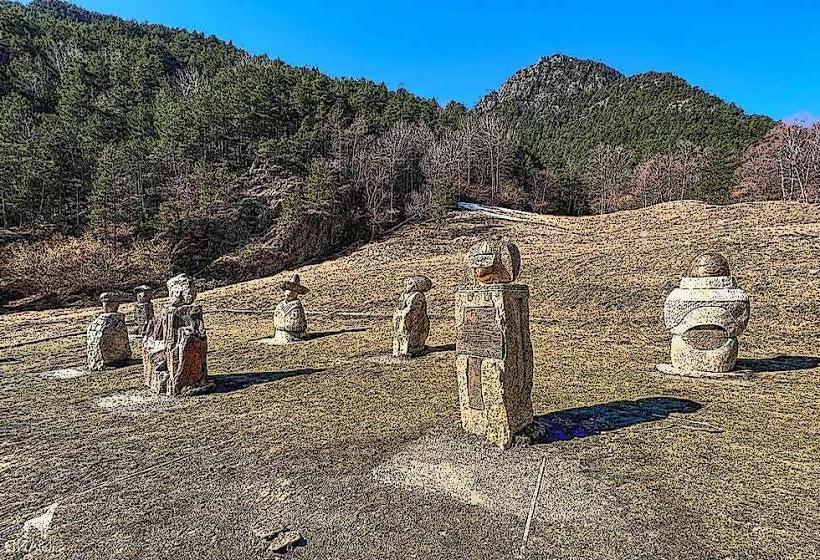
Landmark: Ruta del Ferro
City: Ordino
Country: Andorra
Continent: Europe
Ruta del Ferro, Ordino, Andorra, Europe
Visual Characteristics
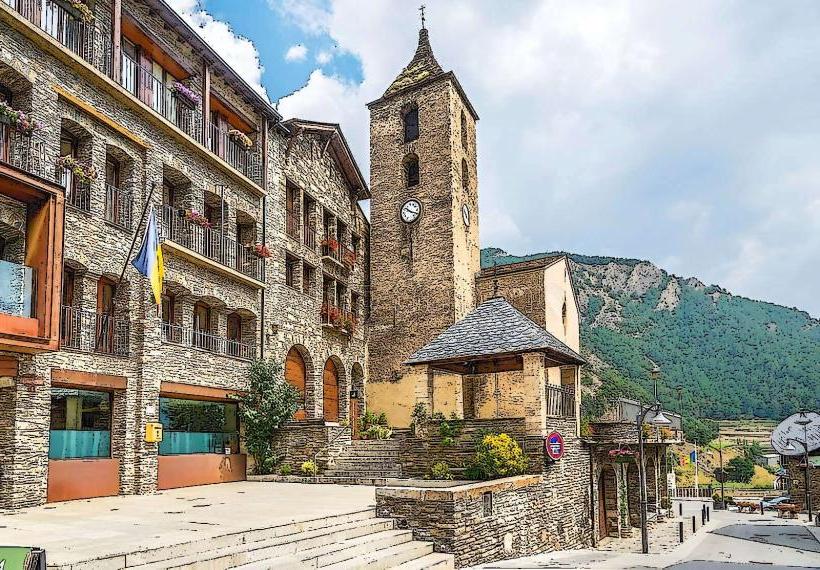
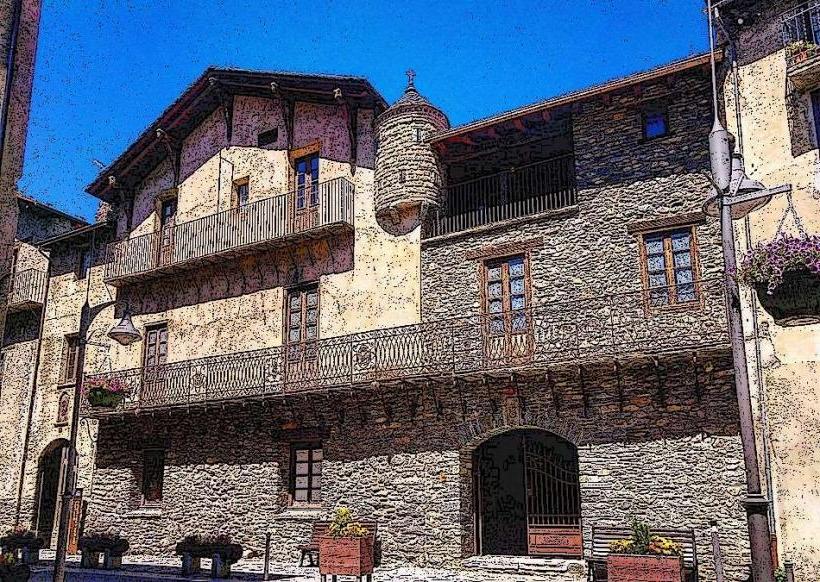
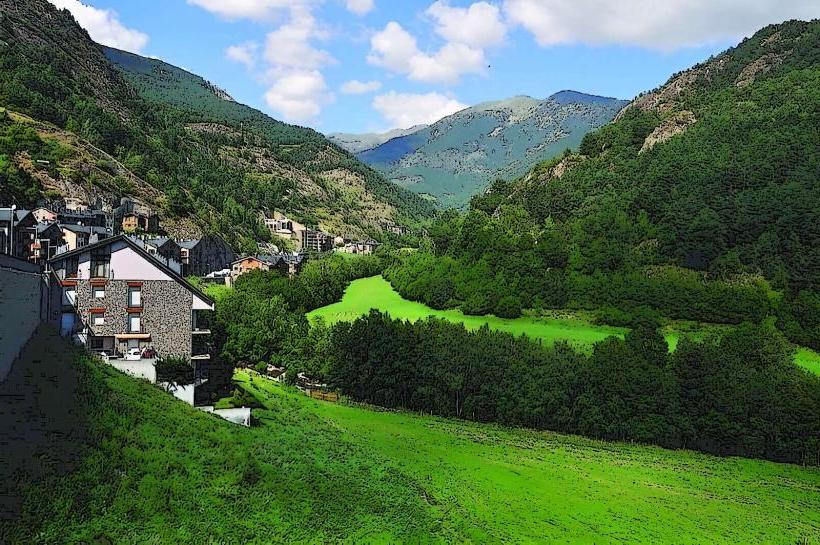
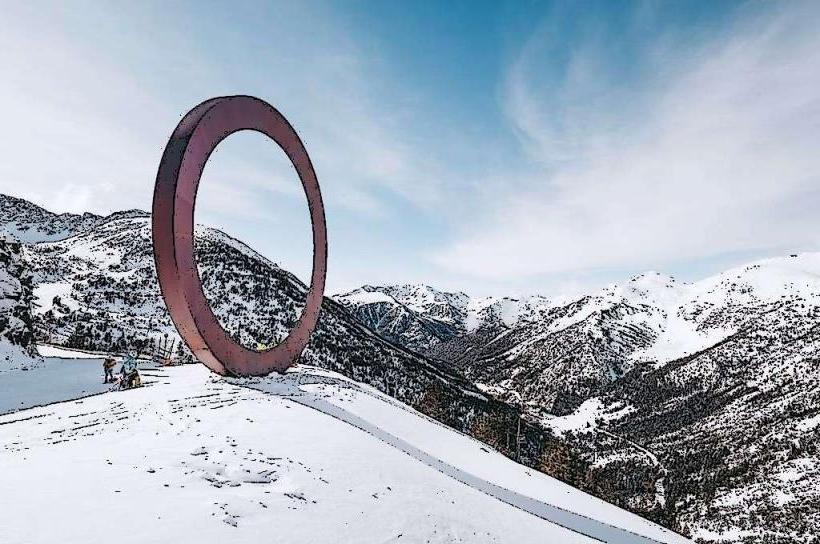
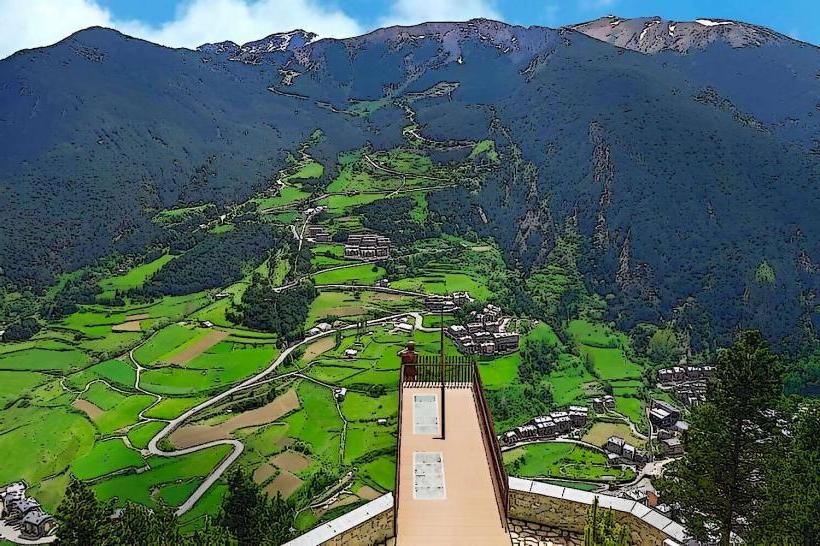
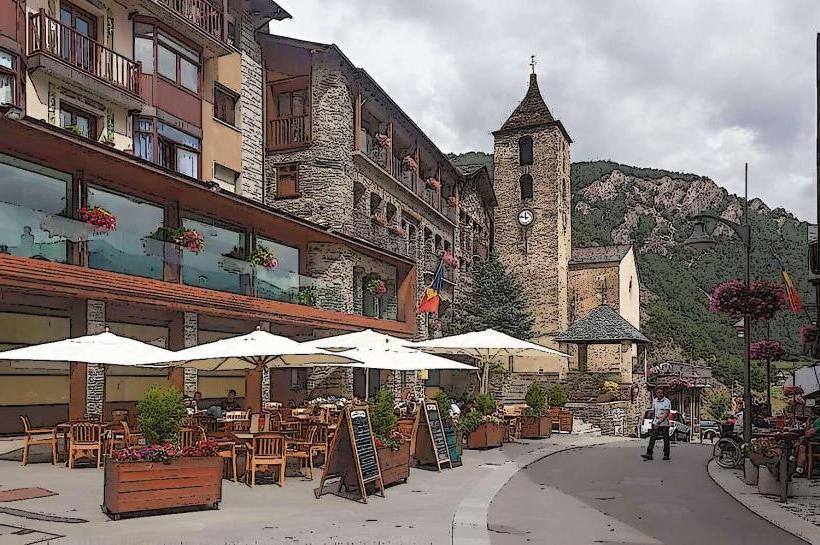
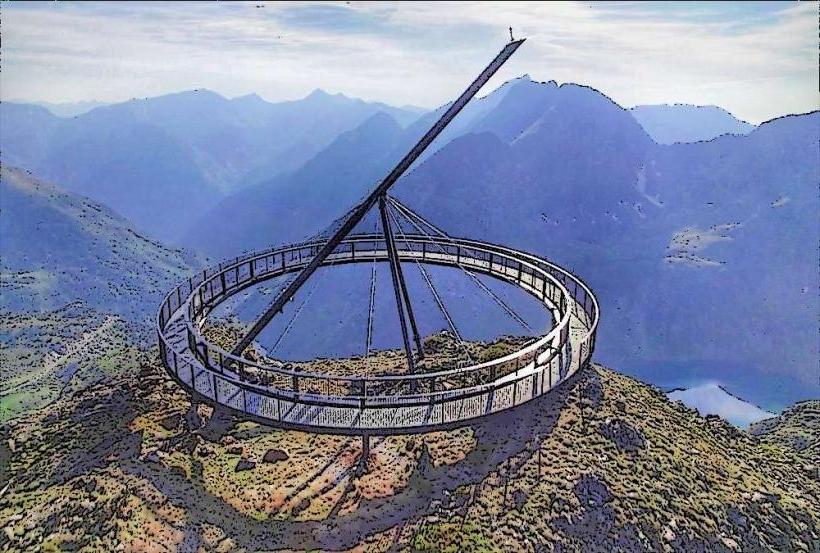
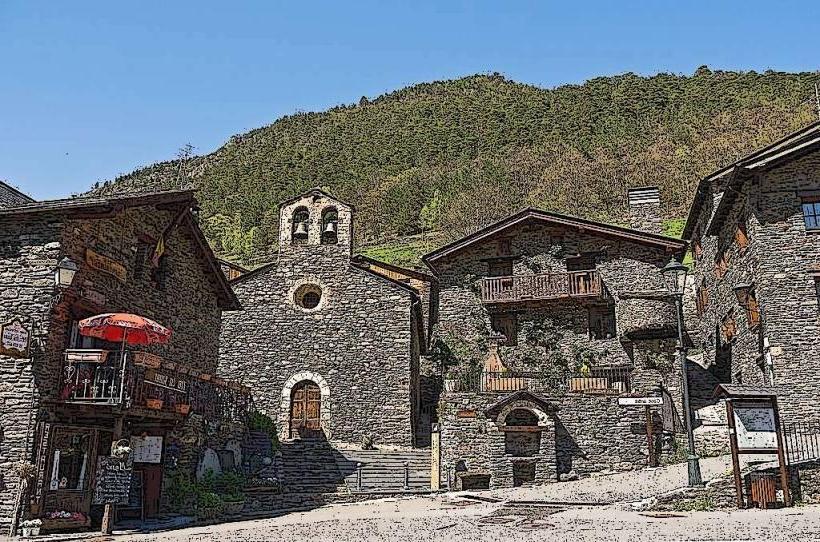
The route features a series of outdoor iron sculptures integrated into the natural landscape of forests and riverbanks. Key elements include the remains of the Mena de Llorts iron mine, the Farga Rossell forge, and traditional rural architecture constructed from local stone and wood. The path itself is primarily unpaved earth and gravel, traversing varied terrain with elevation changes.
Location & Access Logistics
The Ruta del Ferro is accessible from multiple points within the Ordino Valley. A primary starting point is the village of Llorts, located approximately 5km north of Ordino center via the CG-3 road. Another access point is La Cortinada, about 2km north of Ordino center, also on the CG-3. Parking is available in designated areas within Llorts and La Cortinada. Public transport is available via Andorra's national bus service; bus line L3 serves the Ordino Valley, with stops in Llorts and La Cortinada.
Historical & Ecological Origin
The Ruta del Ferro commemorates Andorra's iron industry, which flourished from the 17th to the late 19th century. The route connects sites like the Mena de Llorts mine, active from the 17th century, and the Farga Rossell, a fully operational forge from 1842 to 1876. The industry utilized local iron ore deposits and extensive forests for charcoal production, shaping the valley's economic and social landscape.
Key Highlights & Activities
Walking the full Ruta del Ferro trail is the primary activity, allowing observation of the outdoor iron sculptures. Visitors can explore the interior of the Mena de Llorts mine, which offers guided tours during peak season. The Farga Rossell forge provides demonstrations of traditional ironworking techniques. Interpretive panels along the route detail the history of iron extraction and transformation.
Infrastructure & Amenities
Restrooms are available in the villages of Llorts and La Cortinada, and at the Farga Rossell museum. The route itself offers natural shade from extensive tree cover in many sections. Cell phone signal (4G/5G) is generally reliable along the majority of the path. Food vendors and restaurants are present in the villages adjacent to the route, such as Llorts, La Cortinada, and Ordino.
Best Time to Visit
The optimal period for visiting the Ruta del Ferro is from late spring (May) through early autumn (October), when weather conditions are mild and trails are clear of snow. Summer months (July-August) offer the longest daylight hours. Early morning or late afternoon provide softer light for photography, particularly for the outdoor sculptures.
Facts & Legends
A local anecdote suggests that the iron ore from Llorts was considered of superior quality, leading to its export for use in specialized tools and weaponry across the Pyrenees. A practical tip for visitors is to wear sturdy footwear, as sections of the trail can be uneven and rocky, especially near the mine entrance.
Nearby Landmarks
- Casa d'Areny-Plandolit: 2.5km South
- Sant Martí de la Cortinada Church: 1km South
- Museu de la Miniatura: 3km South
- Sorteny Nature Park Entrance: 4km North