Information
Landmark: San Marino WineriesCity: Borgo Maggiore
Country: San Marino
Continent: Europe
San Marino Wineries, Borgo Maggiore, San Marino, Europe
The San Marino Wineries represent the collective viticultural operations within the Republic of San Marino, primarily concentrated around the municipality of Borgo Maggiore.
Visual Characteristics
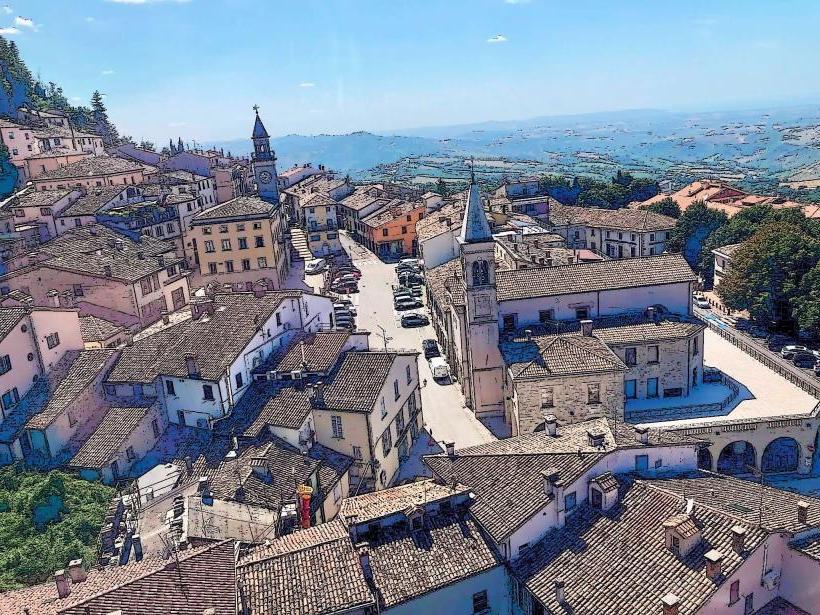
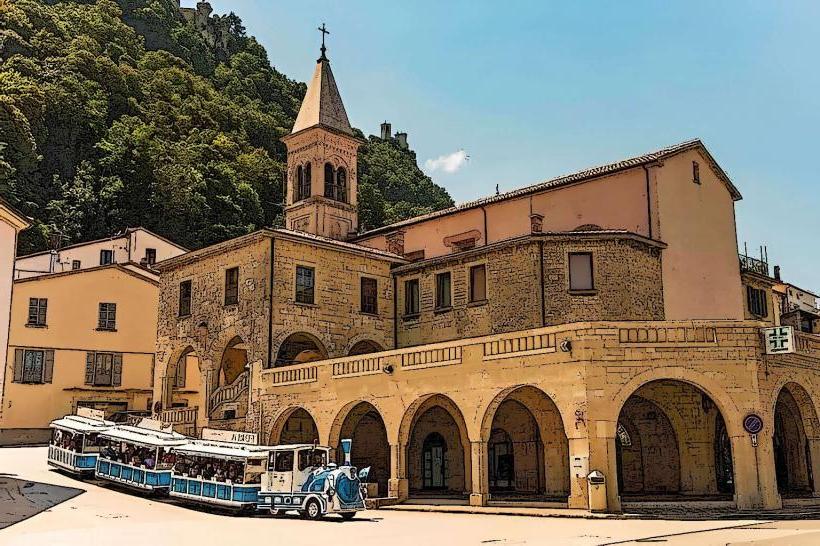
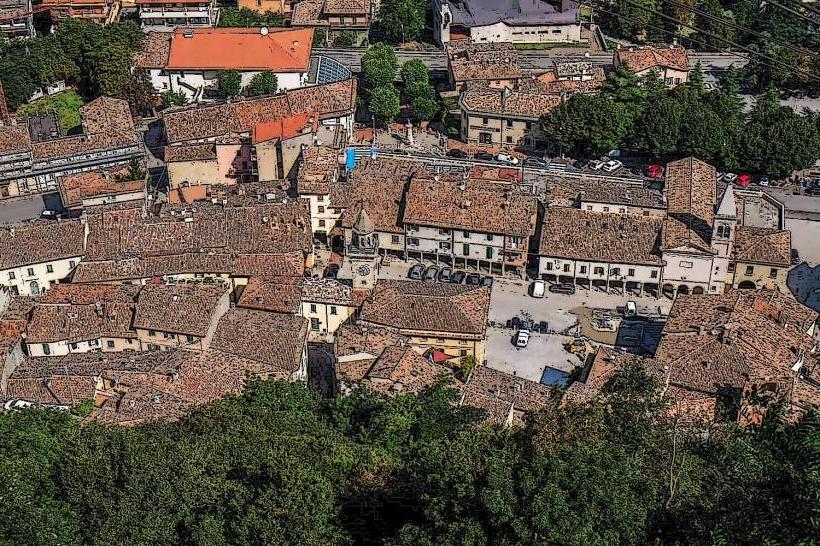
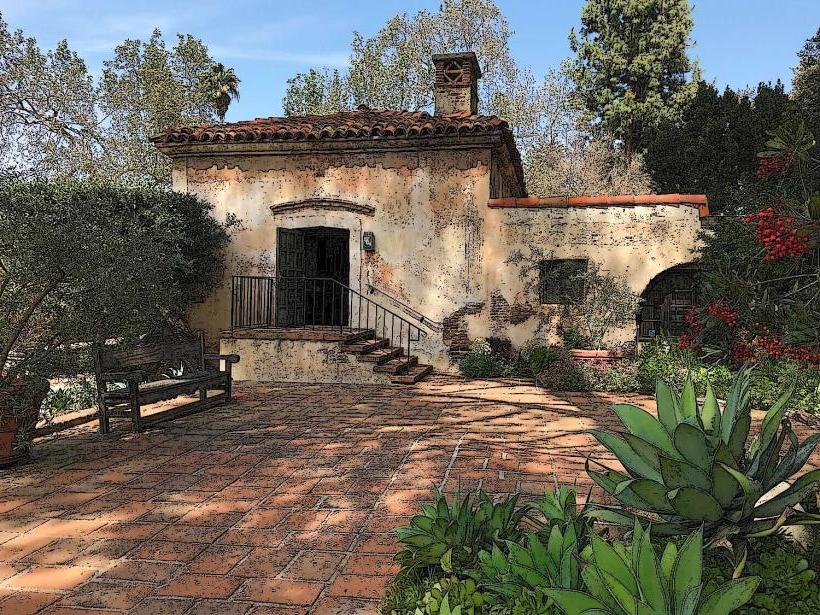
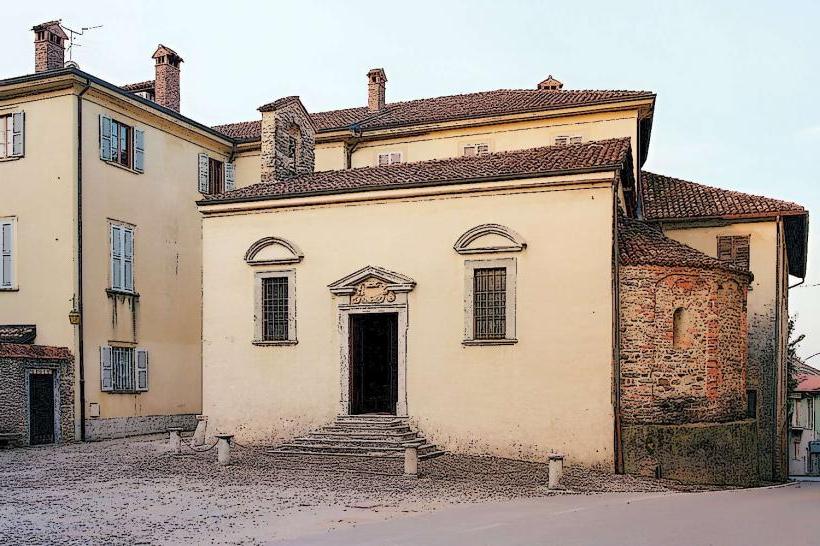
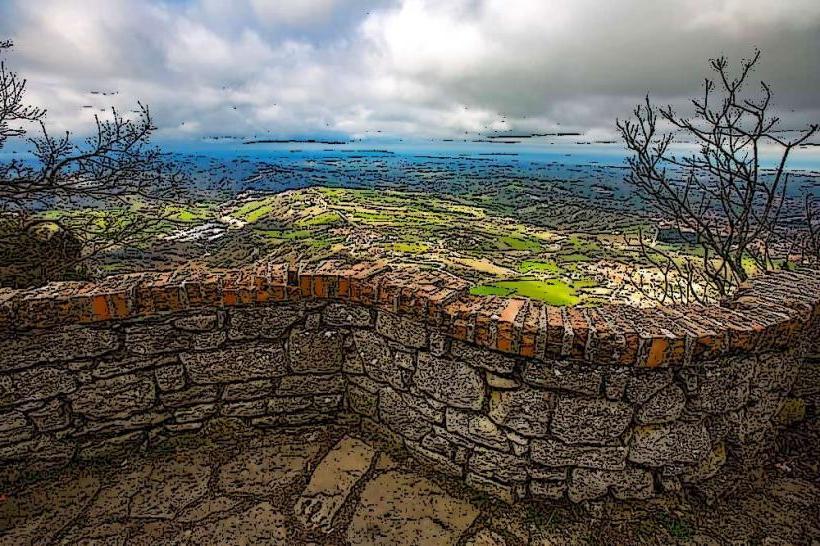
Vineyards are typically terraced on hillsides, featuring rows of grapevines trained on trellises. Winery buildings often utilize local stone, plaster, and terracotta roof tiles, blending traditional agricultural aesthetics with modern tasting room designs. Structures vary from renovated farmhouses housing cellars to purpose-built facilities for production and visitor experiences. The landscape is characterized by rolling hills and cultivated land.
Location & Access Logistics
The wineries are distributed across the hilly terrain surrounding Borgo Maggiore, a municipality situated at the base of Monte Titano. Access is primarily via local roads such as the Strada di Cerbaiola or Strada della Cella, which branch off the main arterial routes like the SS72. Borgo Maggiore is approximately 5km from the Italian border and 1.5km from San Marino City (Città di San Marino). Parking is available at individual winery sites, typically in dedicated lots. Public transport options are limited; a bus service connects Borgo Maggiore to San Marino City, but direct routes to specific wineries are rare, making a private vehicle or taxi the recommended mode of transport.
Historical & Ecological Origin
Viticulture in San Marino dates back centuries, with historical records indicating grape cultivation by the 13th century. Modern commercial wine production gained prominence in the mid-20th century with the establishment of cooperatives like the Consorzio Vini Tipici di San Marino. The region's terroir is characterized by clay-limestone soils, often rich in marine fossils, and a Mediterranean climate influenced by the nearby Apennine mountains, providing warm, dry summers and mild winters conducive to grape growing.
Key Highlights & Activities
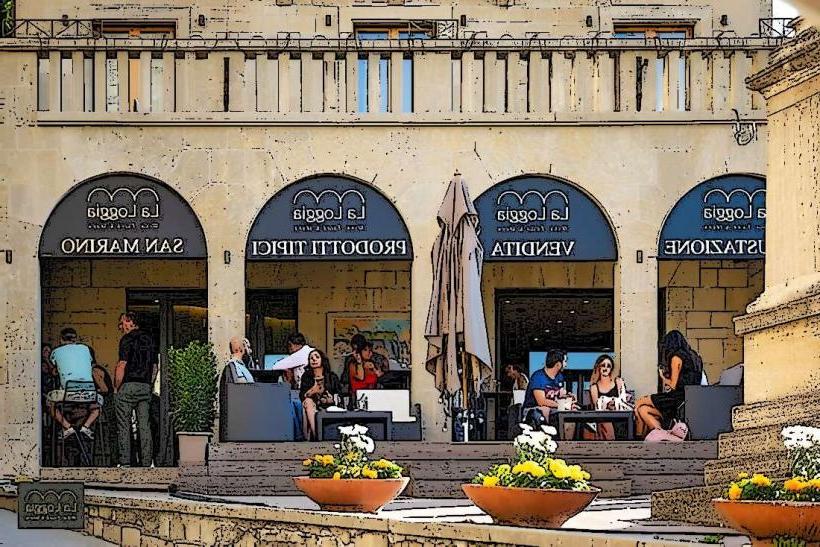
Visitors can participate in guided wine tastings, often featuring local varietals such as Biancale, Sangiovese, Ribolla Gialla, and Moscato. Cellar tours are available at many establishments, detailing the winemaking process from grape harvesting to bottling. Some wineries offer vineyard walks or educational sessions on viticulture. Direct purchase of bottled wines and other local products is common.
Infrastructure & Amenities
Restroom facilities are available at most individual wineries. Tasting rooms and outdoor seating areas often provide shade. Cell phone signal (4G/5G) is generally reliable across the region. Some wineries offer light food pairings, such as local cheeses and cured meats, or have associated restaurants. Otherwise, dining options are available in Borgo Maggiore and San Marino City.
Best Time to Visit
The optimal time to visit is during the late spring (April-May) for pleasant weather and blooming vineyards, or early autumn (September-October) to observe the grape harvest activities. Mid-day offers good natural lighting for vineyard photography, though specific winery operating hours should be confirmed in advance. Weekday visits typically offer a more intimate experience compared to weekends.
Facts & Legends
San Marino is one of the smallest wine-producing nations globally, with its entire viticultural area covering a limited acreage. The Consorzio Vini Tipici di San Marino oversees the quality and promotion of the Republic's wines, ensuring adherence to traditional methods and local varietals. The Republic's unique political status has historically allowed its wine producers to operate with distinct regulations compared to neighboring Italian regions.
Nearby Landmarks
- San Marino Cable Car (Funivia di San Marino) - 0.5km North
- Basilica di San Marino - 1.5km North
- Palazzo Pubblico - 1.6km North
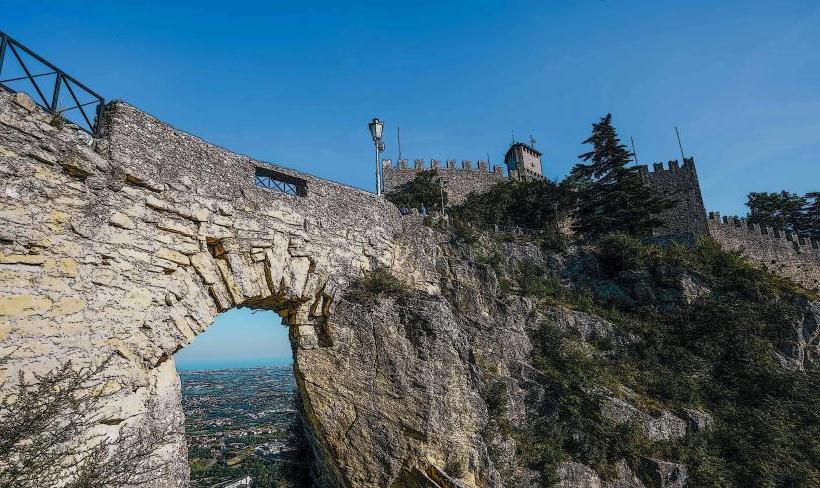
- Guaita Tower (First Tower) - 1.8km North
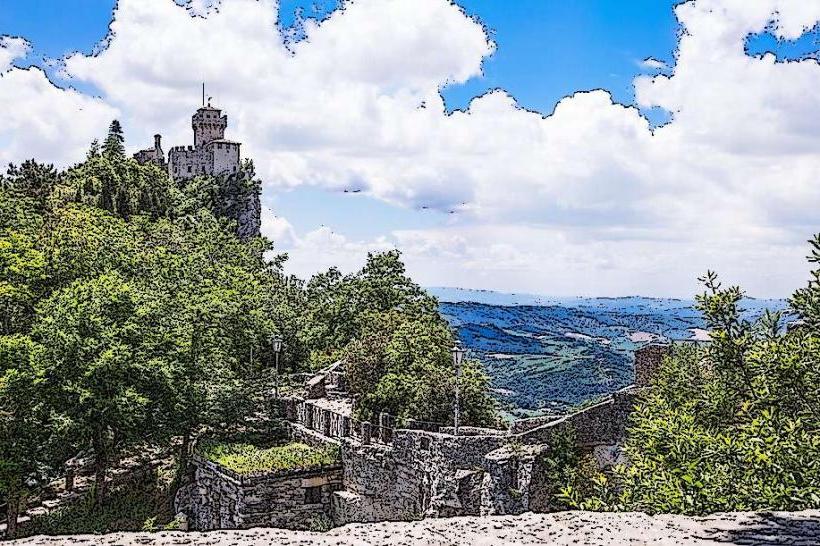
- Cesta Tower (Second Tower) - 2.0km North