Landmark: Small-Islet Fishing Villages
City: Ailuk Atoll
Country: Marshall Islands
Continent: Australia
Small-Islet Fishing Villages, Ailuk Atoll, Marshall Islands, Australia
Small-Islet Fishing Villages are a collection of settlements located on the coral atoll of Ailuk in the Marshall Islands.
These villages are characterized by their low-lying structures built on coral foundations and their proximity to the lagoon.
Visual Characteristics
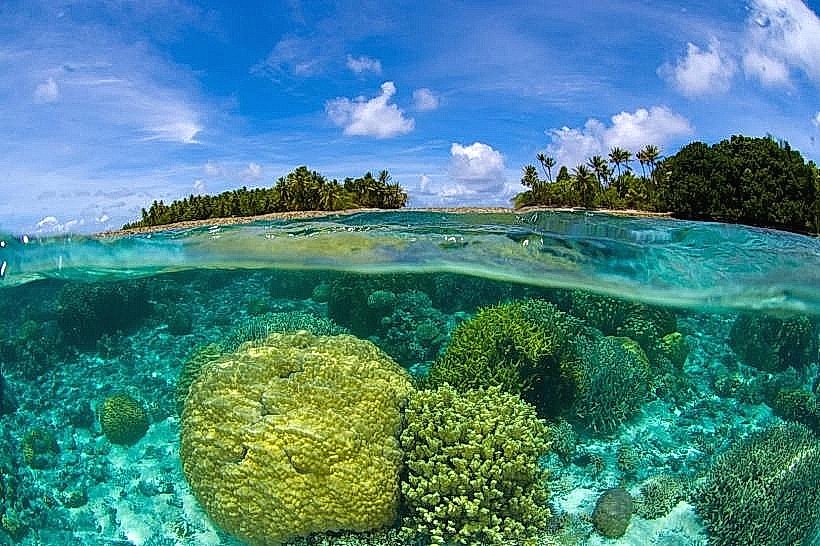
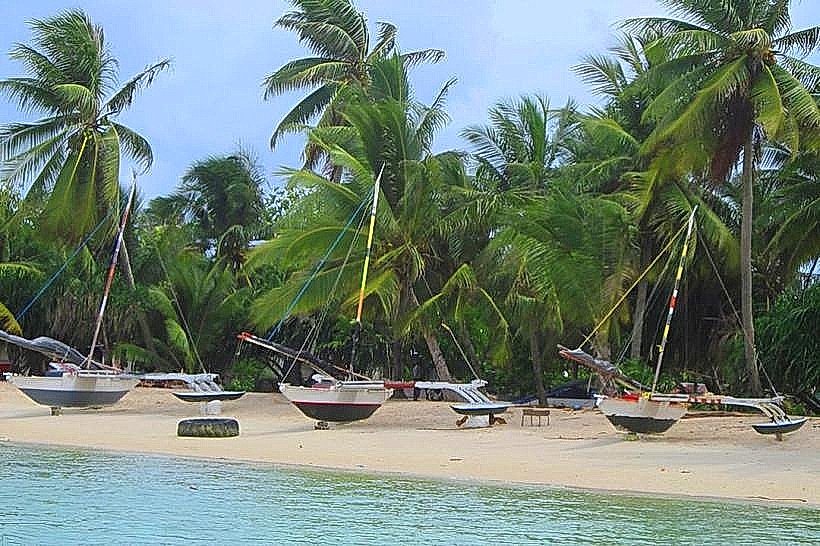
Structures are primarily constructed from coral stone and local wood, with roofs typically made of woven palm fronds or corrugated metal. Buildings are single-story, with a functional, utilitarian design. The surrounding environment consists of sandy beaches, shallow turquoise lagoons, and dense coconut palm vegetation.
Location & Access Logistics
Ailuk Atoll is located in the Ralik Chain of the Marshall Islands. Access is primarily via small aircraft to Ailuk Airport (AIK), which has unpaved runways. Inter-island boat transport is also a possibility, though schedules are infrequent. Within the atoll, travel between islets is typically by small boat or canoe. There is no direct road access from a major city center; travel is internal to the atoll.
Historical & Ecological Origin
Ailuk Atoll is a natural coral atoll, formed over millennia by the accumulation of coral polyps on submerged volcanic seamounts. The fishing villages developed organically as human settlements adapted to the atoll's resources, with a history tied to traditional Marshallese subsistence practices. The exact date of the earliest permanent settlement is not precisely documented but predates European contact.
Key Highlights & Activities
Activities include observing traditional fishing techniques, exploring the lagoon by canoe, and interacting with local residents. Snorkeling is possible in designated areas of the lagoon, particularly during calm weather. Visits to the local church and community meeting houses are also possible.
Infrastructure & Amenities
Basic amenities are available on the main inhabited islets. Restrooms are typically simple, often composting toilets. Shade is provided by palm trees and the structures themselves. Cell phone signal is generally weak and inconsistent. Food vendors are not a formal feature; sustenance is largely based on local fishing and agriculture.
Best Time to Visit
The dry season, from January to April, offers the most favorable weather conditions with less rainfall. The best time of day for photography is generally during the morning and late afternoon when the sun angle is lower, providing softer light on the lagoon and structures. High tide is preferable for lagoon exploration by boat.
Facts & Legends
A local legend speaks of a giant turtle that helped shape the atoll, guiding the first settlers to its shores. A verified historical oddity is the presence of a small, abandoned Japanese radio outpost from the World War II era on one of the outer islets, a remnant of the atoll's strategic importance during that period.
Nearby Landmarks
- Jemo Island (15km Northeast)
- Mejit Island (60km Southwest)
- Wotho Atoll (120km West)