Information
Landmark: Snorrastofa (Snorri Sturluson Center)City: Reykjavik
Country: Iceland
Continent: Europe
Snorrastofa (Snorri Sturluson Center), Reykjavik, Iceland, Europe
Visual Characteristics
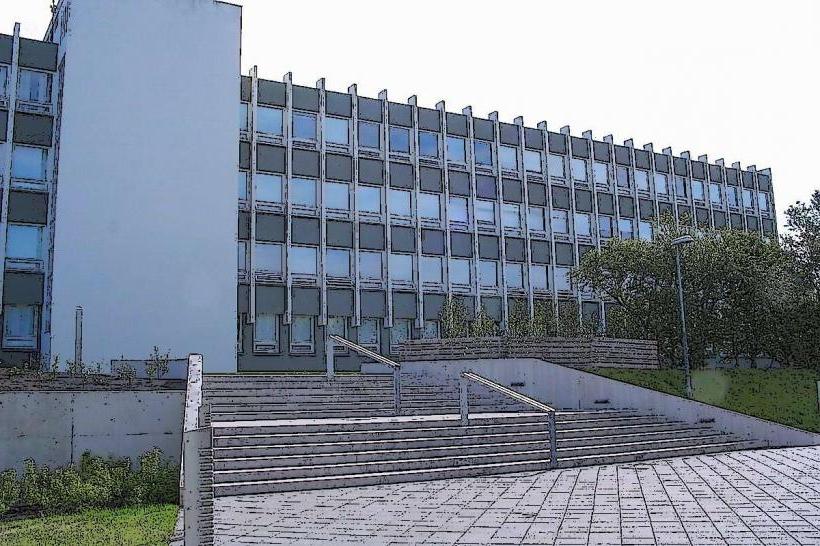
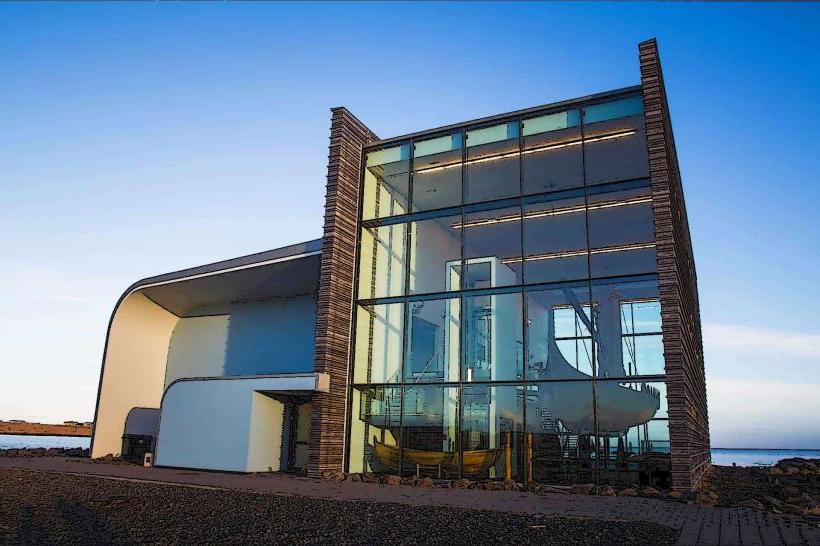
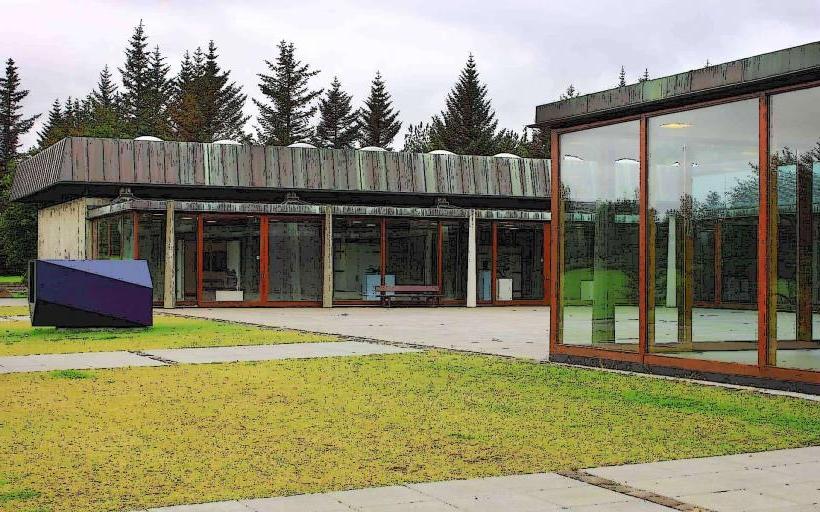
The center comprises a modern building constructed with a blend of concrete, wood, and glass, featuring a low-profile design that integrates with the surrounding landscape. Its exterior often presents a muted color palette, primarily grays and natural wood tones. The structure is part of a larger historical complex that includes a white-painted church with a red roof and the archaeological remains of Snorri Sturluson's medieval farmstead, including stone foundations and a geothermal bath.
Location & Access Logistics
Snorrastofa is located in Reykholt, Borgarfjörður, approximately 100 kilometers northeast of Reykjavik. Access from Reykjavik is primarily via Route 1 (the Ring Road) heading north, then turning onto Route 50 towards Reykholt. The drive typically takes 1.5 to 2 hours. On-site parking is available for visitors. Public transportation options are limited; the site is best reached by private vehicle or as part of an organized tour.
Historical & Ecological Origin
The Snorrastofa institution was established in 1997, built on the historical grounds where Snorri Sturluson lived from 1206 until his assassination in 1241. The center's purpose is to promote research and education on Snorri Sturluson, medieval Icelandic literature, and Icelandic culture. The site itself has been a significant cultural and ecclesiastical center since the Middle Ages, known for its geothermal activity that Snorri utilized.
Key Highlights & Activities
Visitors can explore exhibitions detailing the life and works of Snorri Sturluson, including his sagas and Eddas. Access is provided to the archaeological remains of Snorri's farm, including the preserved geothermal bath, Snorralaug, and a medieval tunnel. The center houses a research library specializing in medieval studies. Occasional cultural events, lectures, and concerts are held on the premises.
Infrastructure & Amenities
The center provides public restrooms within the main building. Indoor areas offer shelter and seating. Cell phone signal (4G/5G) is generally reliable throughout the site. A small café or restaurant is typically available on-site or in the immediate vicinity, offering light refreshments and meals.
Best Time to Visit
The best time to visit Snorrastofa is during the summer months, from June to August, when the weather is mildest and daylight hours are extended. This period also allows for comfortable exploration of the outdoor historical site. For photography, morning hours often provide softer light and fewer visitors. No specific tide requirements affect visitation.
Facts & Legends
A unique feature of the site is Snorralaug, a circular geothermal pool believed to have been used by Snorri Sturluson himself. It is connected by a stone-lined tunnel to the remains of his farm, showcasing advanced medieval engineering for its time. Snorri Sturluson, a prominent chieftain, historian, and poet, was assassinated at Reykholt in 1241, an event that marked a significant point in Icelandic history.
Nearby Landmarks
- Deildartunguhver (Europe's most powerful hot spring): 10km North
- Hraunfossar and Barnafoss waterfalls: 15km Northeast
- Borgarnes town (services, museums): 30km Southwest
- Víðgelmir Cave (lava cave): 40km Northeast
- Grábrók Crater (hiking): 35km North