Landmark: Son Doong Cave
City: Quang Binh
Country: Vietnam
Continent: Asia
Son Doong Cave, Quang Binh, Vietnam, Asia
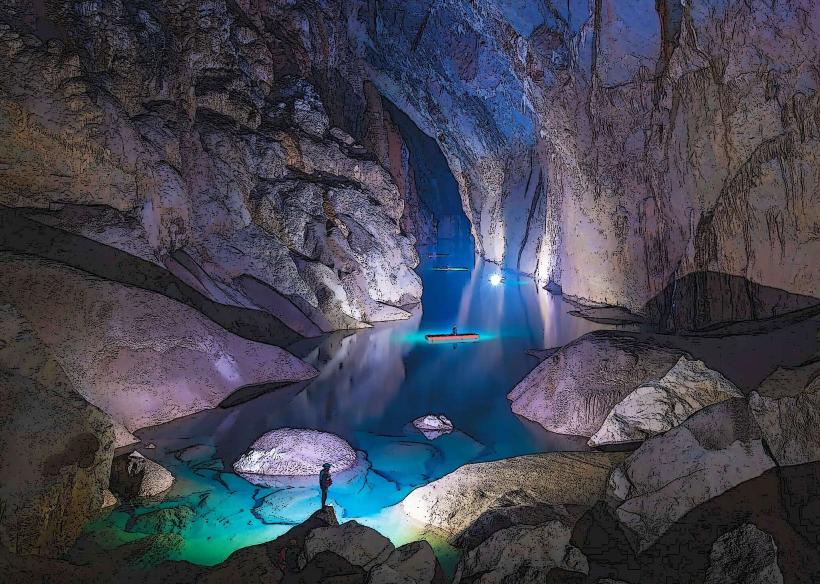
Son Doong Cave is a large natural cave located in Phong Nha-Ke Bang National Park, Quang Binh Province, Vietnam. It is recognized as the world's largest cave passage.
Visual Characteristics
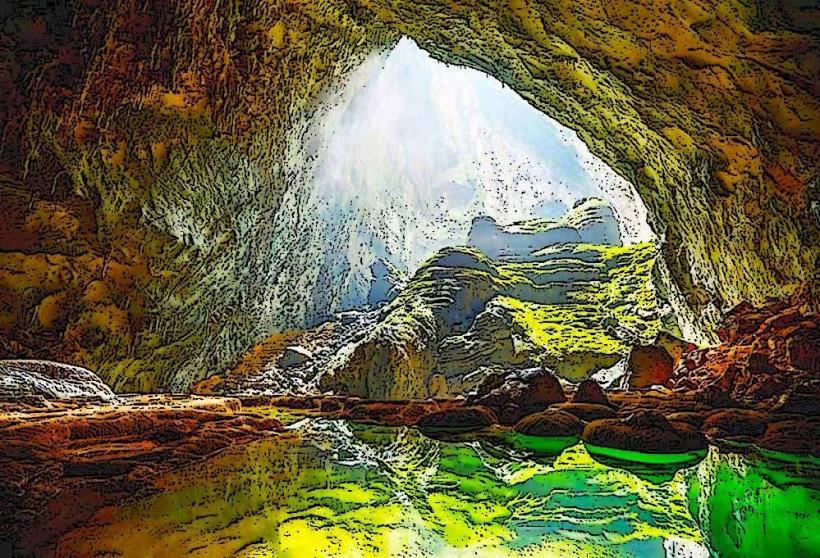
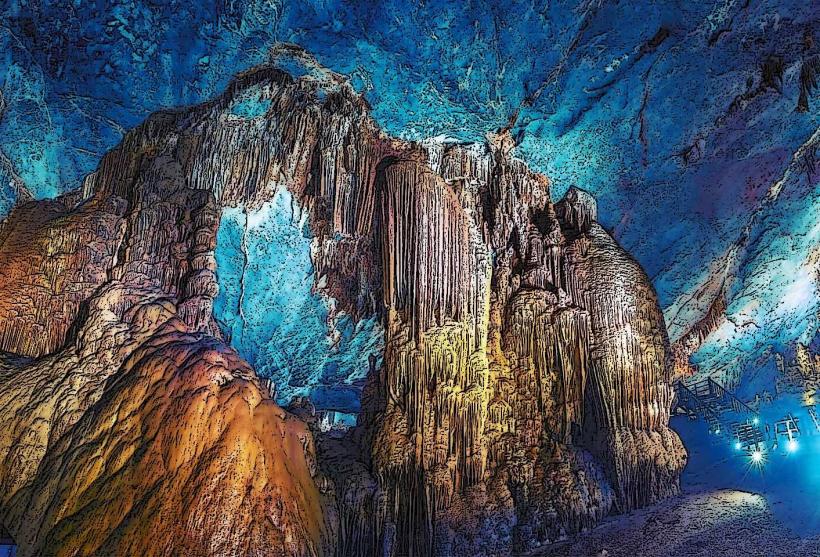
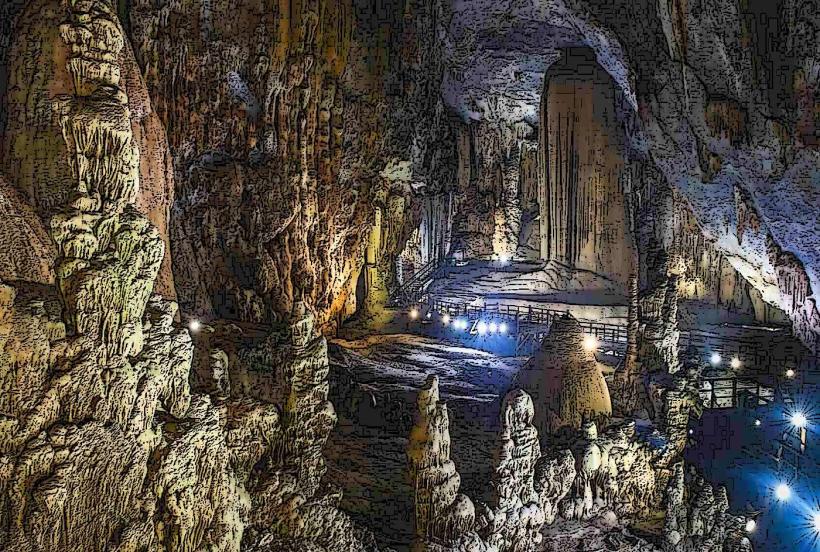
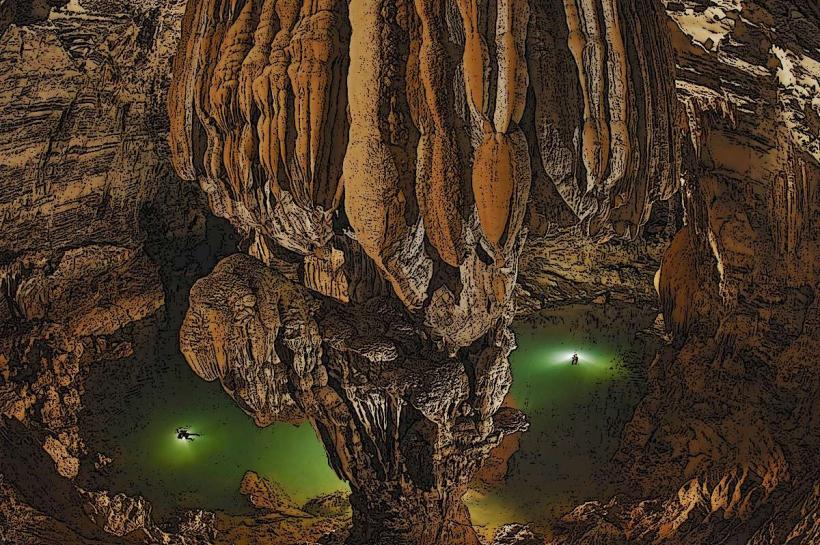
The cave passage reaches a width of up to 200 meters and a height of 150 meters. It contains a subterranean river and jungle ecosystems within its larger sections. Stalactites and stalagmites are present, some exceeding 70 meters in height. The cave floor consists of sand, mud, and rock debris.
Location & Access Logistics
Son Doong Cave is situated within Phong Nha-Ke Bang National Park. Access requires a multi-day expedition, typically departing from Dong Hoi City. The journey involves a 1-hour drive to the park entrance, followed by a 2-hour trek to the cave's primary entrance. Private transport from Dong Hoi to the park is available. No public transport directly serves the cave entrance. Parking is available at the expedition's staging area.
Historical & Ecological Origin
Son Doong Cave was formed approximately 2 to 5 million years ago by the erosion of limestone by river water. It is part of a network of over 150 caves in the Annamite Range. The cave was first discovered by a local man named Ho Khanh in 1991 and later surveyed by the British Cave Research Association in 2009.
Key Highlights & Activities
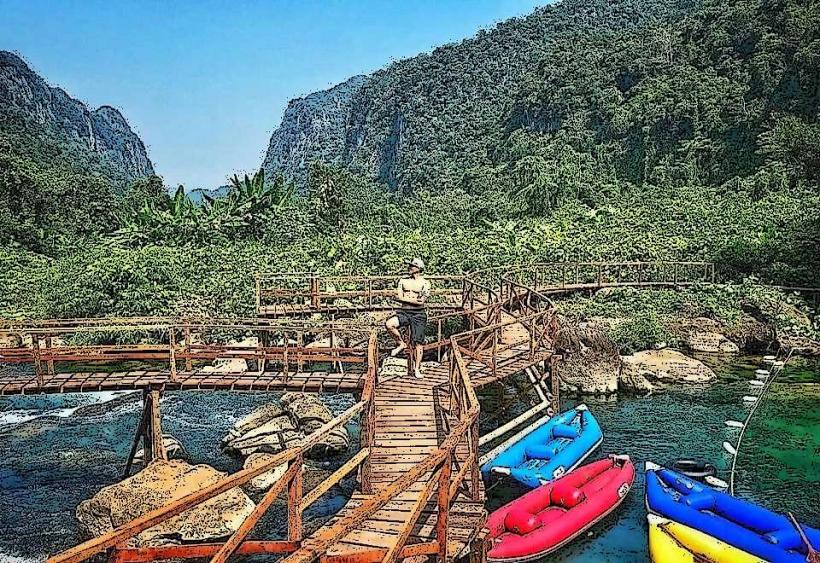
Exploration involves multi-day trekking and caving expeditions. Activities include navigating underground rivers, rappelling down cave walls, and exploring jungle sections within the cave. Overnight camping is part of the expedition itinerary. Photography is permitted.
Infrastructure & Amenities
Expedition services provide camping equipment, food, and water. Basic sanitation facilities are set up at designated campsites within the cave. Cell phone signal is absent within the cave system. No permanent food vendors are present at the cave entrance.
Best Time to Visit
The expedition season typically runs from February to August, avoiding the rainy season which can cause flooding. The best time of day for photography within the cave is during daylight hours when light penetrates from the dolines (natural skylights).
Facts & Legends
A unique feature of Son Doong Cave is its "jungle" section, a self-contained ecosystem with trees and wildlife that have adapted to the cave environment. Local folklore speaks of spirits inhabiting the deep caverns, though these are unverified.
Nearby Landmarks
- Phong Nha Cave (20km Northwest)
- Paradise Cave (25km Northwest)
- Dark Cave (22km Northwest)
- Mooc Spring (18km Northwest)