Landmark: Sorteny Nature Reserve
City: Aarhus
Country: Andorra
Continent: Europe
Sorteny Nature Reserve, Aarhus, Andorra, Europe
The Sorteny Nature Reserve is a protected high-mountain area located in the Pyrenees, within the Principality of Andorra. It encompasses a diverse alpine ecosystem, characterized by glacial landscapes and significant biodiversity.
Visual Characteristics
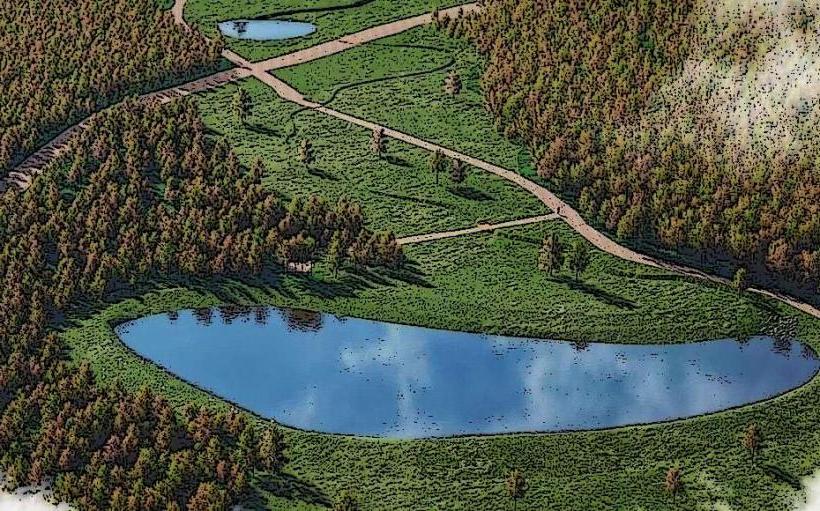
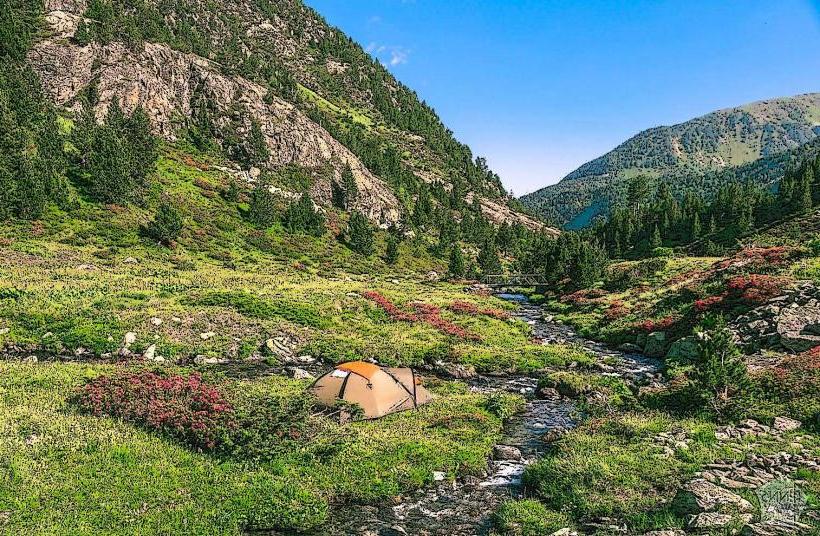
The reserve features a landscape dominated by granite peaks and glacial cirques, with elevations ranging from approximately 1,600 meters to 2,912 meters at Pic de l'Estanyó. Valleys are carved by mountain streams, leading to small alpine lakes. Vegetation includes subalpine forests of Scots pine and fir at lower altitudes, transitioning to alpine meadows and rocky scree slopes at higher elevations. The flora displays a wide spectrum of colors, particularly during summer with numerous wildflower species.
Location & Access Logistics
Access to Sorteny Nature Reserve is primarily via the CS-370 road, which branches off the CG-3 road near the village of El Serrat in the parish of Ordino. The reserve entrance and parking area are located approximately 4 kilometers from El Serrat. From Andorra la Vella, the capital, the drive is about 20 kilometers north, taking approximately 30 minutes. Public transport involves taking bus line L3 from Andorra la Vella to Ordino, then a local bus or taxi to El Serrat, followed by a walk or shuttle service to the reserve entrance.
Historical & Ecological Origin
The Sorteny Nature Reserve was established in 1999, designated as a protected area to conserve its unique high-mountain ecosystems. Its geological formations are primarily composed of granite and schist, shaped by extensive glacial activity during the Quaternary period. The reserve is classified as a high-mountain natural park, serving as a crucial habitat for alpine flora and fauna and a site for scientific research on Pyrenean biodiversity.
Key Highlights & Activities
Hiking is a primary activity, with marked trails leading to points such as Estany de l'Estanyó (a glacial lake) and the summit of Pic de l'Estanyó. The Botanical Garden of Sorteny, located near the entrance, allows for observation of over 300 species of Pyrenean flora. Birdwatching opportunities exist for species like the bearded vulture and golden eagle. Photography of the alpine landscape and wildflowers is also a common pursuit.
Infrastructure & Amenities
Restroom facilities are available at the entrance to the reserve and at the Refuge de Sorteny, located approximately 1.5 kilometers into the reserve. Natural shade is provided by pine forests at lower elevations, but higher trails are exposed. Cell phone signal (4G/5G) is generally available near the entrance and refuge but can be intermittent in deeper valleys or higher altitudes. The Refuge de Sorteny offers basic food and beverage services, as well as overnight accommodation.
Best Time to Visit
The optimal period to visit Sorteny Nature Reserve is from June to September. During these months, snow has largely melted, trails are accessible, and alpine wildflowers are in bloom. Early mornings are recommended for hiking to avoid afternoon heat and for optimal wildlife viewing. Photography benefits from morning light for landscape shots and late afternoon light for dramatic mountain profiles.
Facts & Legends
The reserve is home to over 700 species of vascular plants, representing approximately one-third of Andorra's total flora, including several endemic species. A verified historical oddity is the presence of ancient iron mines within the reserve, dating back centuries, which contributed to Andorra's historical iron industry. A specific tip for visitors is to consult the refuge staff for current trail conditions and local wildlife sightings, as they often have up-to-date information.
Nearby Landmarks
- Ordino Village: 6km South
- Casa d'Areny-Plandolit Museum: 6.5km South (in Ordino)
- Vallnord - Arcalís Ski Resort: 8km West
- Iron Route (Ruta del Ferro): 5km South (starts near Ordino)
- Estany de Tristaina: 10km West (accessible via Arcalís)