Landmark: Stadtpark Graz
City: Graz
Country: Austria
Continent: Europe
Stadtpark Graz, Graz, Austria, Europe
Stadtpark Graz is the largest public park in the city, forming a green belt around the eastern edge of the historic center. Covering approximately 22 hectares, it serves as the primary urban recreational space and a botanical buffer between the old town and the residential districts.
Visual Characteristics
The park is designed as a classic English landscape garden, featuring expansive lawns, mature stands of deciduous trees (including rare specimens), and winding gravel paths. The central axis is defined by wide promenades, manicured flower beds, and numerous historical monuments and fountains. A distinctive modern element is the "Forum Stadtpark," a minimalist white pavilion used for contemporary art and cultural events.
Location & Access Logistics
The park is located at Stadtpark 1, 8010 Graz.
Public Transport: Directly accessible via Tram line 7 (stop: "Lichtenfelsgasse/Kunstuniversität") and multiple bus lines at the "Geidorfplatz" and "Zinzendorfgasse" hubs.
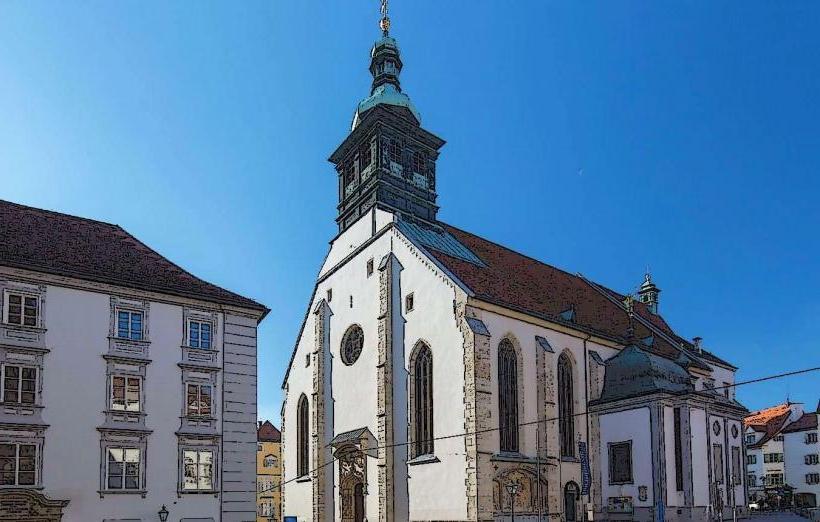
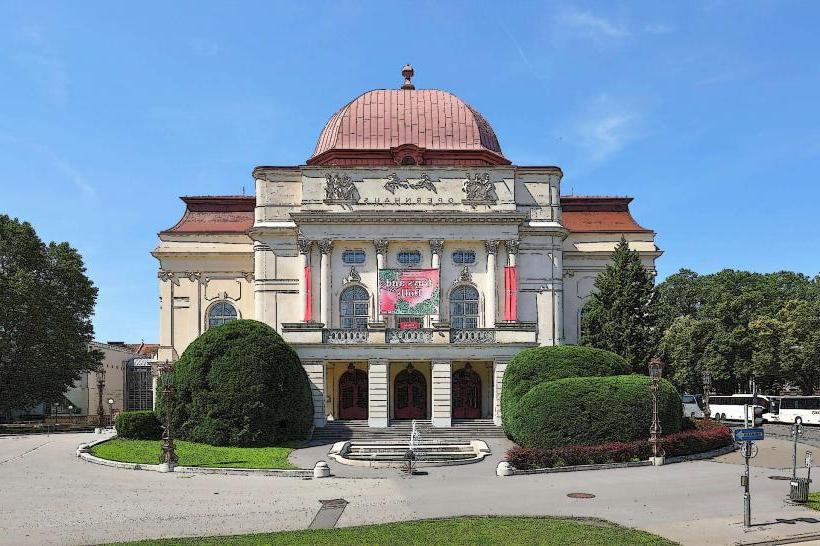
Pedestrian Access: A 5-minute walk from the Graz Opera House, the Cathedral, or the base of the Schlossberg.
Parking: Limited on-street "Blue Zone" parking is available in surrounding streets. The nearest large facility is the "Pfauengarten Garage."
Entry: The park is public and accessible 24/7 without an admission fee.
Historical & Ecological Origin
The park was established in 1869 on the site of the former city fortifications and glacis. Under the initiative of Mayor Moritz von Franck, the military terrain was transformed into a public garden. The site contains over 2,000 trees, some dating back to the park's founding. It is legally protected as a historic garden and serves as a critical micro-climate regulator for the inner city.
Key Highlights & Activities
Forum Stadtpark: A cultural center hosting exhibitions, readings, and music performances.
Monument Row: Features sculptures of famous Styrian figures, including the poet Robert Hamerling and the astronomer Johannes Kepler.
Emperor Franz Joseph Fountain: A large, central fountain structure near the Opera House entrance.
Children's Playground: A modern, expansive play area located in the northern section.
Botanical Diversity: Home to several champion trees and a significant population of urban squirrels.
Infrastructure & Amenities
The park features the "Parkhouse" cafe/bar, which is a popular social node. Numerous public benches are distributed throughout the grounds. 5G cellular coverage is excellent. Most paths are paved or well-maintained gravel, making the entire park fully wheelchair and stroller accessible. Public restrooms are located near the Parkhouse and the playground.
Best Time to Visit
Photography of the floral displays is optimal in late spring (tulips and roses) and autumn (foliage). The park is a major hub during the "Aufsteirern" folk festival in September and hosts various outdoor installations during the "Klanglicht" light festival. Early mornings are ideal for observing local birdlife and avoiding crowds.
Facts & Legends
A historical oddity is the presence of the "Stadtpark-Eichhörnchen" (park squirrels), which are unusually accustomed to humans. Legend suggests that the park's design intentionally follows the lines of the destroyed bastions, effectively preserving the "ghost" of the city's defensive walls in the layout of the paths and lawns.
Nearby Landmarks
Graz Opera House – Adjacent (South)
Graz Cathedral – 0.3km West
Schlossberg / Clock Tower – 0.4km West
University of Graz – 0.5km Northeast
Kaiser-Josef-Platz Market – 0.2km South