Landmark: Star Fort
City: Matara
Country: Sri Lanka
Continent: Asia
Star Fort, Matara, Sri Lanka, Asia
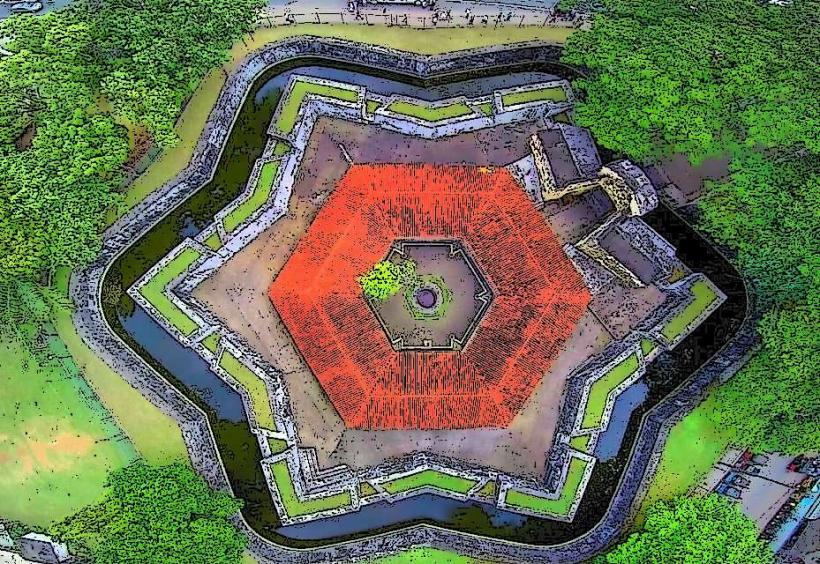
Star Fort is a historic fortification located in the city of Matara, Sri Lanka.
This pentagonal structure was built by the Dutch during their colonial rule.
Visual Characteristics
The fort is constructed primarily from coral stone and granite. Its walls are approximately 6 meters high and 3 meters thick. The exterior exhibits a weathered, greyish-brown hue due to the materials used and exposure to the elements. The architectural style is functional and defensive, characteristic of 17th-century European military engineering.
Location & Access Logistics
Star Fort is situated approximately 1 kilometer inland from the Matara city center, accessible via Hospital Road. Parking is available directly outside the fort entrance. Public transport options include local bus routes that stop near the fort; the nearest bus stop is a 5-minute walk away.
Historical & Ecological Origin
Construction of Star Fort commenced in 1763 and was completed in 1765. It was built by the Dutch East India Company (VOC) to defend against potential attacks from the Kingdom of Kandy and to secure their trading interests in the region. The fort's design is a classic example of Dutch military architecture of the period.
Key Highlights & Activities
Visitors can walk along the ramparts of the fort for an elevated view of the surrounding area. The interior courtyard houses a small museum displaying artifacts related to the fort's history. Photography of the fort's structure and interior is permitted.
Infrastructure & Amenities
Restrooms are available within the fort complex. Limited shaded areas are present along the ramparts. Cell phone signal (4G) is generally good within the fort. No food vendors are located directly at the fort; however, numerous eateries are available in the nearby Matara city center.
Best Time to Visit
The best time of day for photography is in the late afternoon, approximately between 3:00 PM and 5:00 PM, when the sunlight casts longer shadows on the walls. The dry season, from December to March, offers the most pleasant weather conditions for visiting.
Facts & Legends
A unique historical detail is that the fort was never actually engaged in significant combat during its operational history, serving more as a strategic deterrent and administrative post. Local lore suggests that during construction, workers discovered a large, ancient stone carving beneath the foundation, which was subsequently re-buried.
Nearby Landmarks
- Matara Lighthouse - 0.8km South
- Weherahena Buddhist Temple - 2.5km West
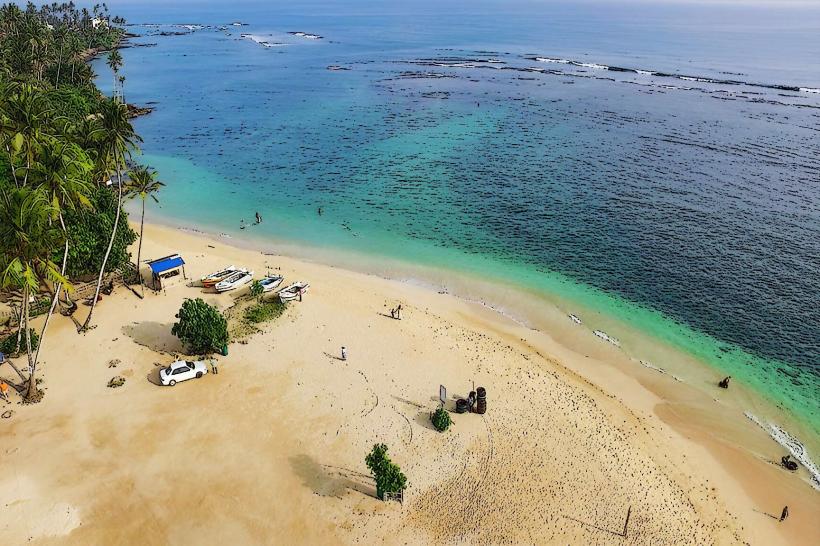
- Polhena Beach - 1.5km South
- Dondra Lighthouse - 5.0km Southeast