Information
Landmark: Tammerkoski RapidsCity: Tampere
Country: Finland
Continent: Europe
Tammerkoski Rapids, Tampere, Finland, Europe
The Tammerkoski Rapids are a natural waterway flowing through the city center of Tampere, Finland, connecting Lake Näsijärvi to Lake Pyhäjärvi. This 2-kilometer long rapids system has been a significant power source for the city's industrial development.
Visual Characteristics
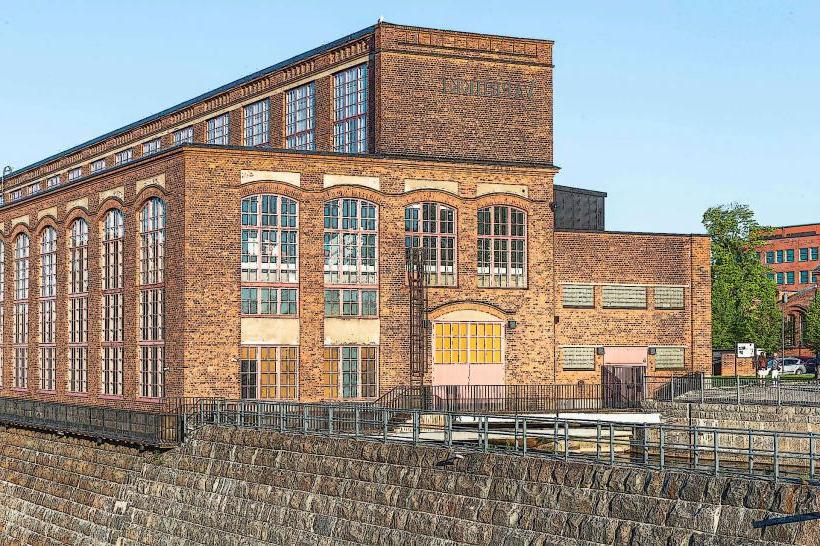
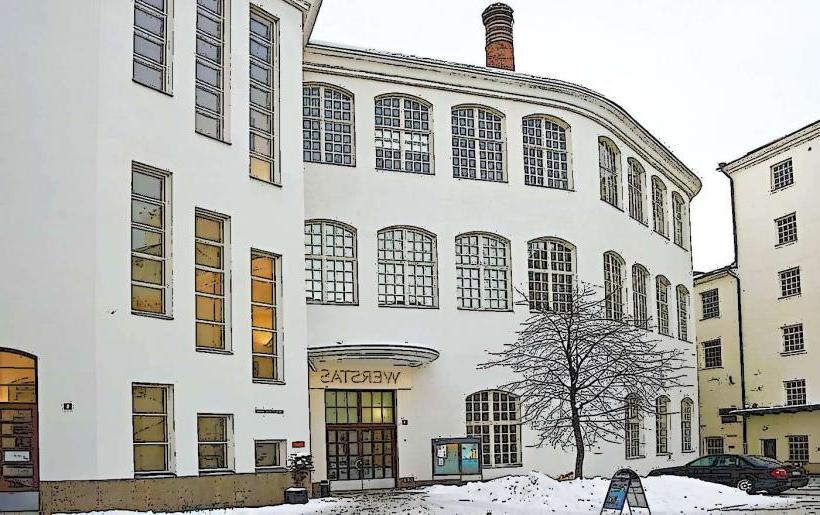
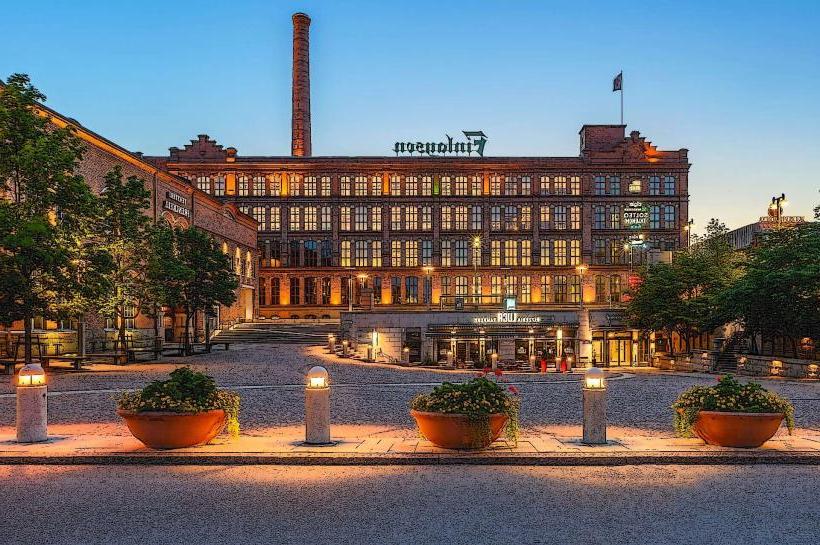
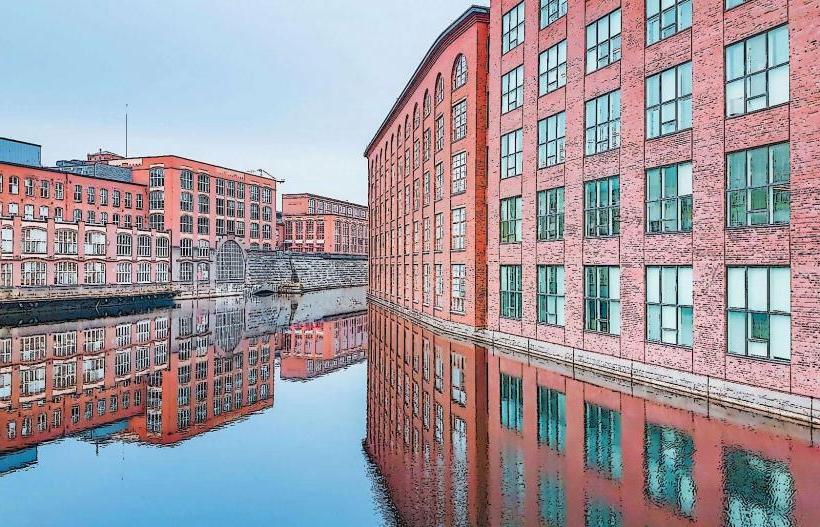
The Tammerkoski Rapids feature a significant elevation drop of 18 meters between the two lakes, creating a powerful, turbulent water flow. The water color is typically dark, reflecting the surrounding urban and industrial landscape. The rapids are bordered by historic red-brick factory buildings, particularly on the western bank in the Finlayson area and the eastern bank near Tampella. Several bridges span the rapids, including the stone Hämeensilta Bridge and the pedestrian Patosilta Bridge. The banks are lined with walkways and some deciduous trees, providing a contrast to the built environment.
Location & Access Logistics
The Tammerkoski Rapids run directly through the heart of Tampere city center. The main street, Hämeenkatu, crosses the rapids via the Hämeensilta Bridge. The rapids are easily accessible by foot from any central location. The Tampere Railway Station is approximately 0.5 km east of the rapids. Numerous local bus lines serve the city center, with stops along Hämeenkatu and its vicinity. Public parking is available in underground garages such as P-Hämppi or P-Frenckell, both within 0.2-0.4 km walking distance of the rapids' banks.
Historical & Ecological Origin
The Tammerkoski Rapids are a post-glacial formation, created as the land uplifted after the last ice age, causing the water from Lake Näsijärvi to seek an outlet to Lake Pyhäjärvi. Ecologically, it is classified as a riverine rapids system. Historically, the rapids were harnessed for power as early as the 17th century with sawmills. In the 19th century, the rapids became the industrial heart of Tampere, powering textile mills, paper factories, and metalworks, leading to the city's designation as the "Manchester of Finland." The first major industrial facility, the Finlayson cotton mill, was established on its banks in 1820.
Key Highlights & Activities
Walking along the pedestrian paths on both sides of the rapids offers views of the historic industrial architecture and the flowing water. Photography of the rapids, bridges, and illuminated factory buildings is a common activity. Fishing for trout and salmon is possible with a valid permit, particularly below the dams. Observing the fish ladder near the Patosilta Bridge during migration seasons is also an option. Guided historical walking tours of the surrounding industrial heritage areas, such as Finlayson, often incorporate the rapids.
Infrastructure & Amenities
Public restrooms are available in nearby commercial buildings, cafes, and restaurants along the rapids. Shade is provided by trees along the walkways and by the tall buildings lining the banks. Cell phone signal (4G/5G) is consistently strong throughout the city center area. Numerous food vendors, cafes, and restaurants are located directly adjacent to the rapids, particularly in the Finlayson and Tampella areas, offering a wide range of dining options.
Best Time to Visit
The Tammerkoski Rapids can be visited year-round. For photography, late afternoon and early evening offer optimal lighting, especially when the surrounding buildings are illuminated. During summer months (June-August), the weather is mildest for walking and outdoor activities. In winter (December-March), the rapids may partially freeze, and the surrounding snow-covered landscape offers a different visual experience. There are no specific high/low tide requirements as it is a riverine system.
Facts & Legends
The Tammerkoski Rapids are one of Finland's officially designated national landscapes, recognized for their cultural and historical significance. A unique feature is the series of dams and power plants that control the water flow, yet the rapids maintain their natural character. Local lore suggests that the rapids' constant roar was once considered the "heartbeat" of Tampere, symbolizing its industrial vitality and continuous progress.
Nearby Landmarks
- Tampere Cathedral: 0.7 km East
- Vapriikki Museum Centre: 0.5 km North-West
- Finlayson Area: 0.1 km West (adjacent)
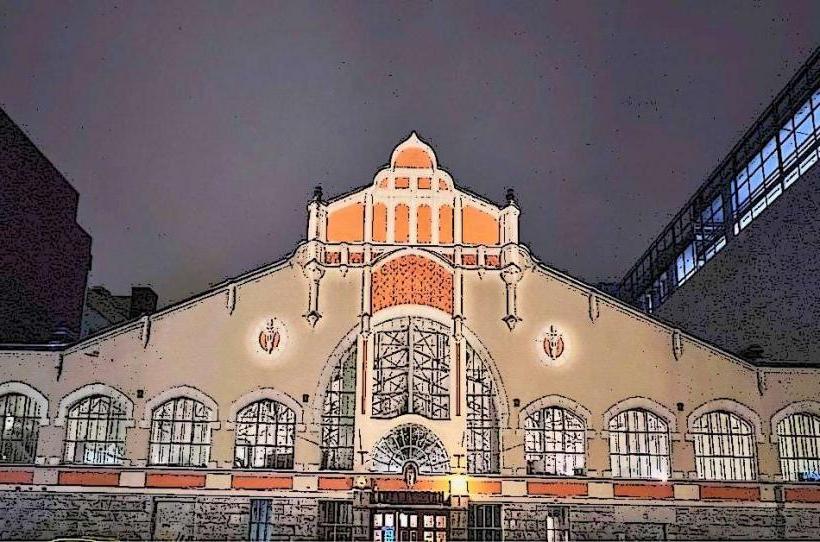
- Tampere Market Hall: 0.4 km South-East
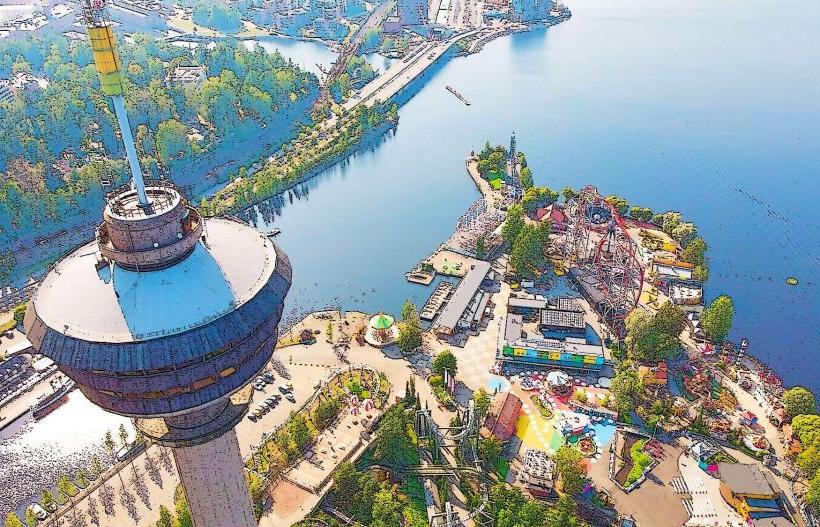
- Särkänniemi Adventure Park: 1.5 km North-West