Information
Landmark: Te PuiaCity: Rotorua
Country: New Zealand
Continent: Australia
Te Puia, Rotorua, New Zealand, Australia
Te Puia is a geothermal valley and cultural center located in Rotorua, New Zealand.
It showcases geothermal activity and Māori cultural experiences.
Visual Characteristics
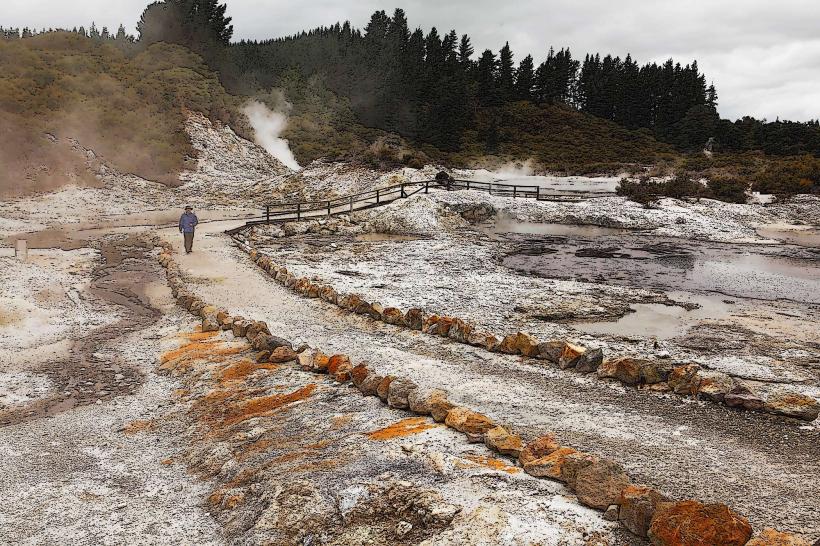
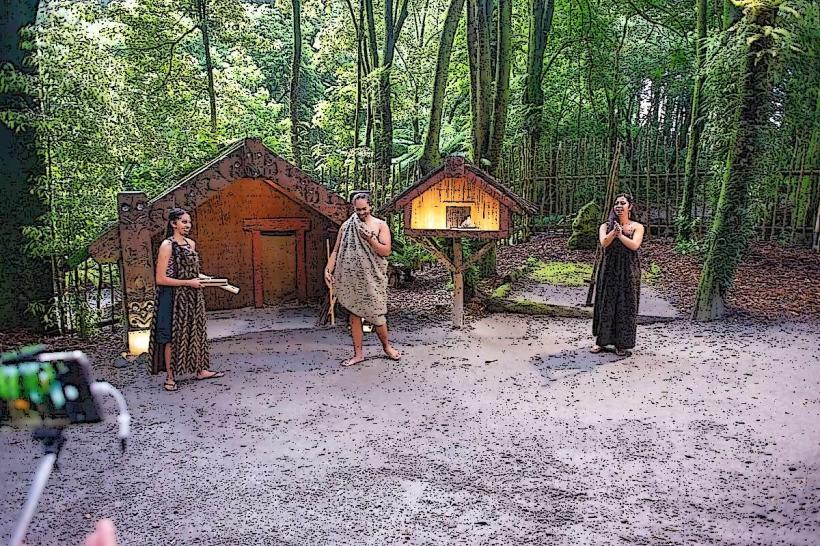
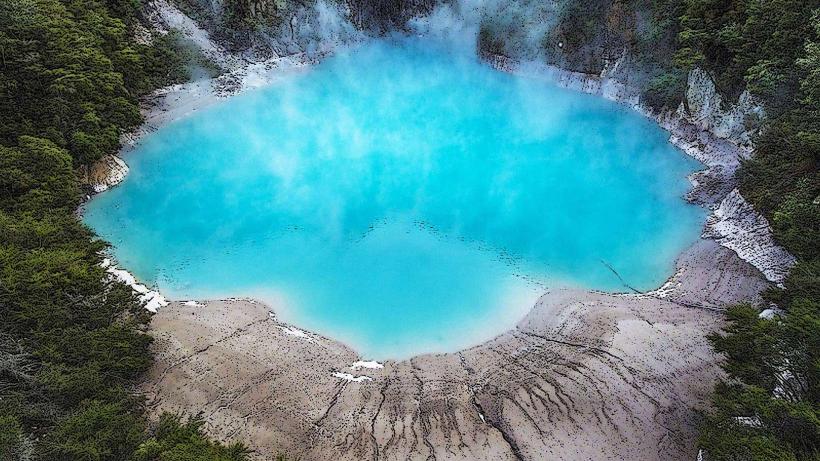
The landscape is characterized by active geothermal features including geysers, hot springs, and mud pools. The ground is often a mix of mineral-rich earth, with steam rising from numerous vents. The Pōhutu Geyser, the largest active geyser in the Southern Hemisphere, erupts from a silica sinter cone. The site also includes traditional Māori meeting houses constructed from timber and adorned with intricate carvings and tukutuku panels.
Location & Access Logistics
Te Puia is situated 2.5 kilometers south of Rotorua's central business district. Access is via State Highway 5 (Te Ngae Road). Ample parking is available on-site for private vehicles. Public transport options include the Rotorua Cityride bus service, with Route 10 stopping directly at the Te Puia entrance. For those arriving by boat, the Rotorua lakefront is approximately a 3-kilometer drive from the site.
Historical & Ecological Origin
The geothermal activity at Te Puia is a result of its location on the Taupo Volcanic Zone, a geologically active area. The Māori people have a long-standing connection to this land, utilizing the geothermal resources for cooking and heating for centuries. The site is also home to the New Zealand Māori Arts and Crafts Institute, established in 1926 to preserve and promote traditional Māori carving and weaving techniques.
Key Highlights & Activities
Observe the Pōhutu Geyser eruption, which can reach heights of up to 30 meters. Witness bubbling mud pools and steaming vents. Participate in guided tours that explain the geothermal processes and Māori history. Visit the Kiwi Conservation Centre to see native New Zealand brown kiwi. Explore the Māori Arts and Crafts Institute workshops and galleries. Attend a cultural performance featuring traditional songs and dances.
Infrastructure & Amenities
Restrooms are available at the main visitor center and at various points throughout the park. Shaded areas are provided by natural tree cover and constructed shelters. Cell phone signal (4G/5G) is generally available within the main visitor areas. Food vendors and a café are located at the visitor center, offering a range of refreshments and meals.
Best Time to Visit
For optimal geothermal viewing, early morning or late afternoon provides softer lighting for photography. The Pōhutu Geyser's eruption schedule is variable, but activity is consistent throughout the day. Weather is generally mild year-round, though winter months (June-August) can be cooler and wetter. High tide is not a factor for geothermal activity viewing.
Facts & Legends
Local Māori legends speak of the geothermal features being the work of the fire goddess Mahuika. A specific tip for visitors is to listen for the distinct hissing and bubbling sounds that precede a geyser eruption, often providing a few moments' warning.
Nearby Landmarks
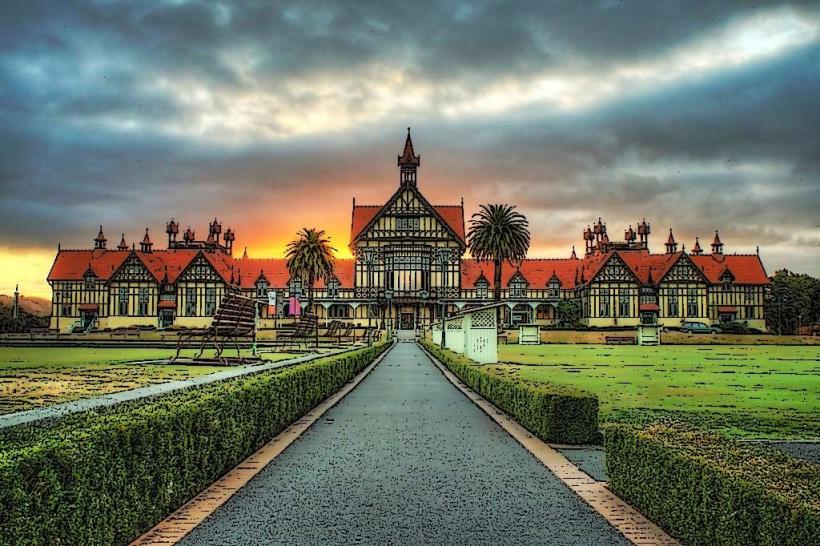
- Rotorua Museum (2.2km Northwest)
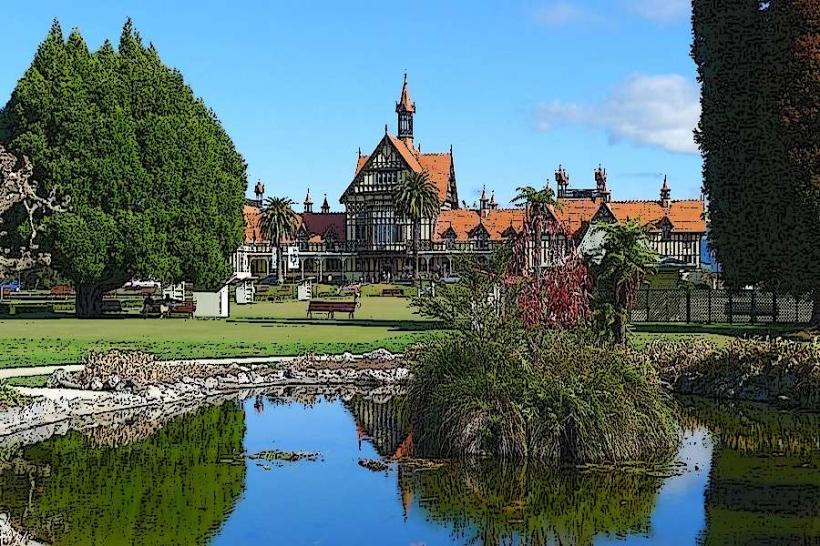
- Government Gardens (2.3km Northwest)
- Sulphur Point (2.8km North)
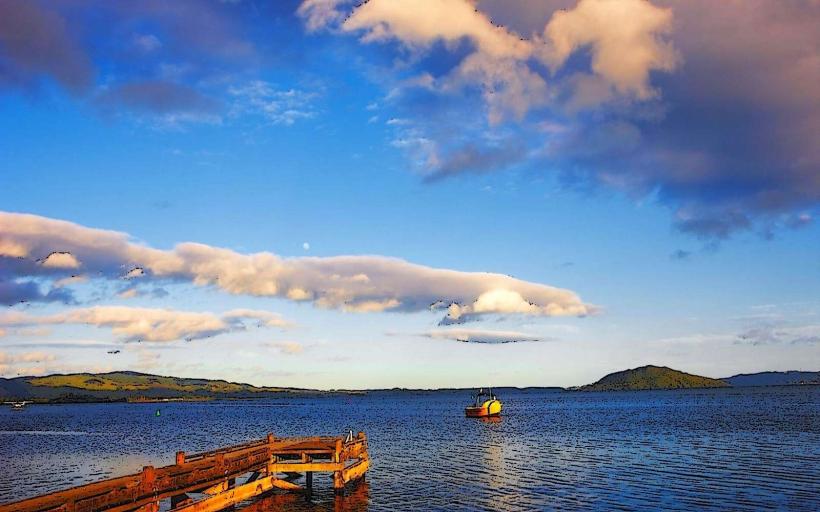
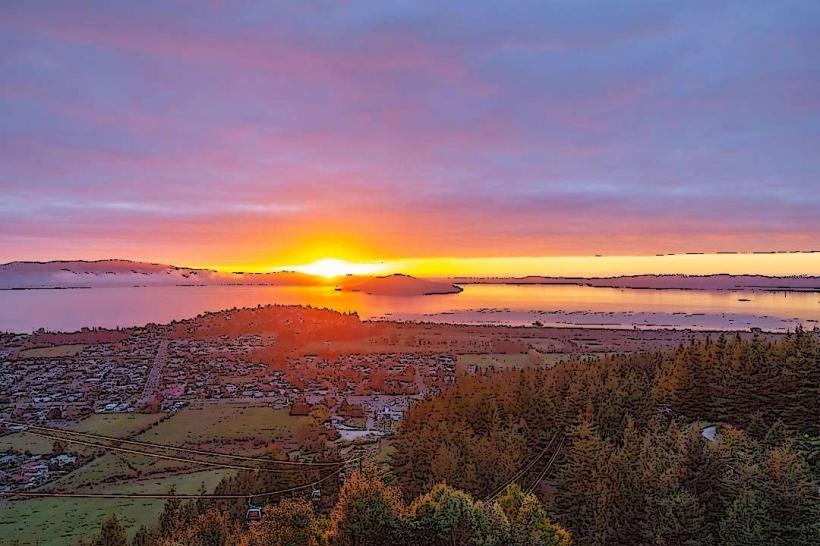
- Lake Rotorua (3.5km North)
- Skyline Rotorua (3.8km Northwest)