Information
Landmark: Tyler Pounds Regional AirportCity: Tyler
Country: USA Texas
Continent: North America
Tyler Pounds Regional Airport, Tyler, USA Texas, North America
Tyler Pounds Regional Airport (TYR) is a public airport serving the city of Tyler, Texas, and its surrounding East Texas region.
Visual Characteristics
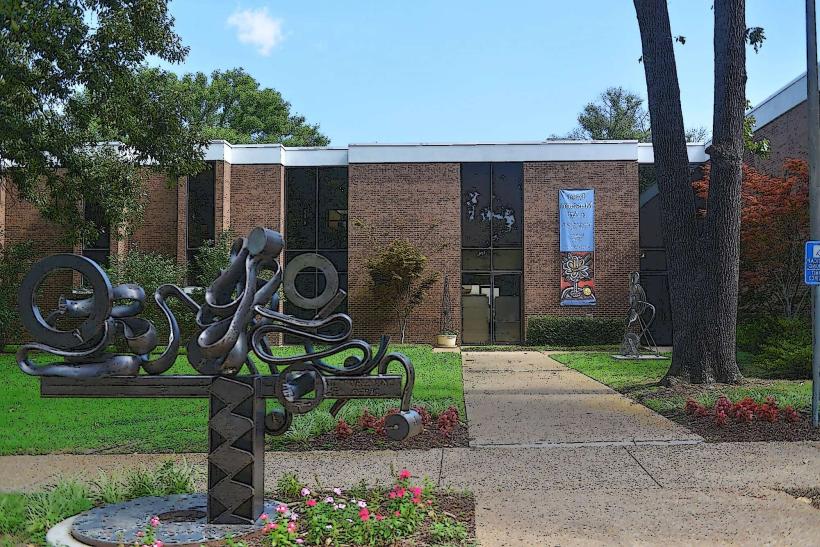
The airport features a single, primary asphalt runway measuring 6,501 feet (1,982 meters) in length and 150 feet (46 meters) in width. The terminal building is a single-story structure constructed primarily of brick and glass. Parking areas are paved with asphalt.
Location & Access Logistics
TYR is located approximately 5 miles (8 kilometers) southwest of downtown Tyler. Access is via State Highway 110 South. The airport offers on-site parking facilities for both short-term and long-term stays. Public transportation options directly serving the airport are limited; taxi services and ride-sharing platforms are the primary means of transport from the city center.
Historical & Ecological Origin
The airport was established in 1947 as Tyler Municipal Airport. It was later renamed in honor of local aviation advocate and businessman, Tyler Pounds. The site is situated on relatively flat terrain, historically part of the Piney Woods ecoregion of East Texas.
Key Highlights & Activities
The primary function of TYR is air travel facilitation. Visitors can observe aircraft operations from designated areas. The airport hosts occasional aviation-related events. Flight training services are available through local flight schools operating at the airport.
Infrastructure & Amenities
The terminal building contains restrooms, seating areas, and a small concessions counter. Cell phone signal (4G/5G) is generally available within the terminal and immediate vicinity. There are no on-site food vendors beyond the concessions counter. Limited shaded areas are available near the terminal entrance.
Best Time to Visit
For observing aircraft activity, early morning and late afternoon provide optimal lighting conditions. Weather is generally favorable for air travel year-round, though thunderstorms are more common during the spring and summer months.
Facts & Legends
During World War II, the land that now comprises the airport was utilized as a auxiliary training field for navigation and instrument flying. A local anecdote suggests that the airport's location was chosen due to its proximity to a specific stand of tall pine trees, which served as a navigational landmark for early pilots.
Nearby Landmarks
- Caldwell Zoo (2.5km Northeast)
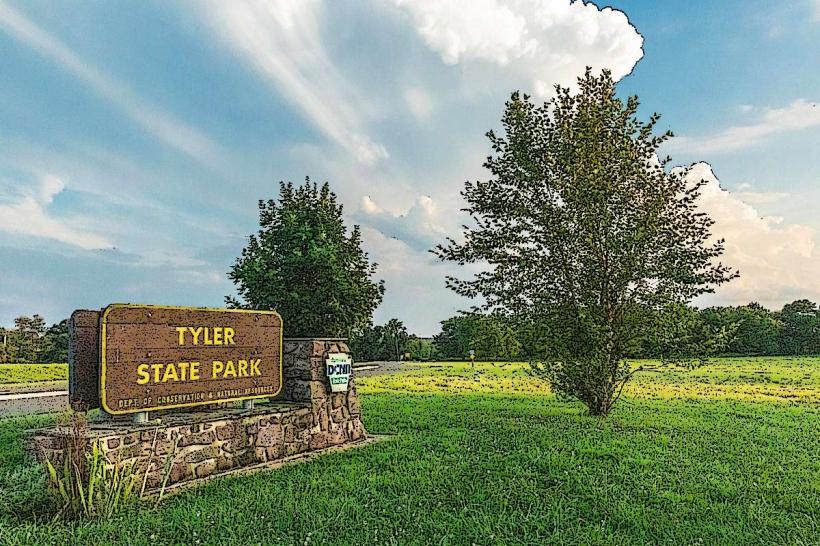
- Tyler State Park (6.0km North)
- Discovery Science Place (4.8km Northeast)
- Azalea Residential Historic District (5.2km Northeast)