Landmark: Vancouver Seawall
City: Vancouver
Country: Canada
Continent: North America
Vancouver Seawall, Vancouver, Canada, North America
The Vancouver Seawall is a multi-use pathway encircling Stanley Park and extending along the city's waterfront. It is located in Vancouver, British Columbia, Canada.
Visual Characteristics
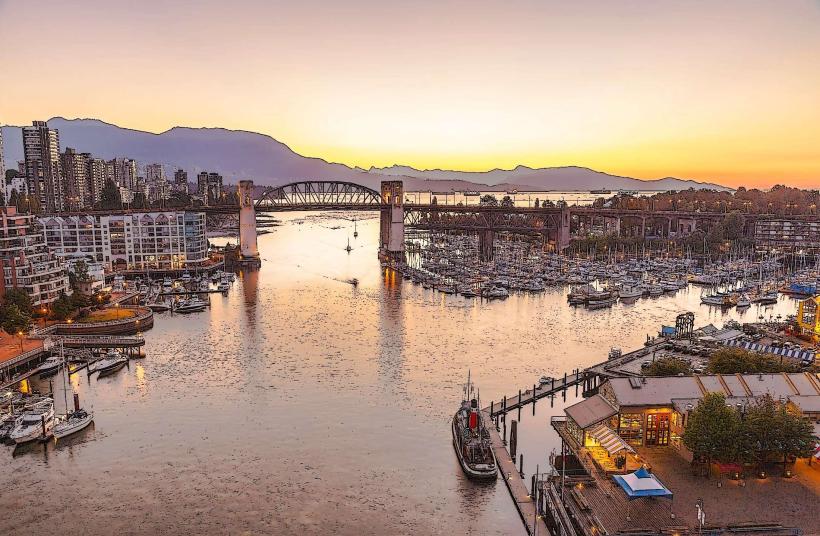
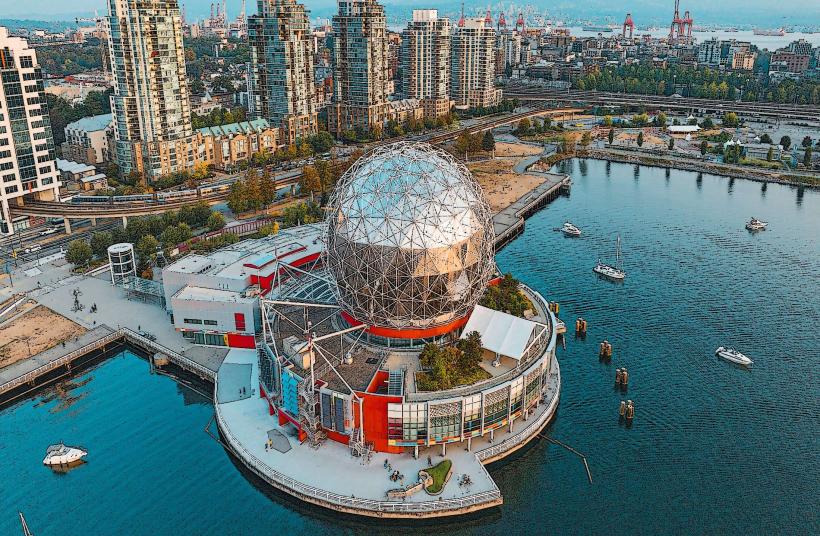
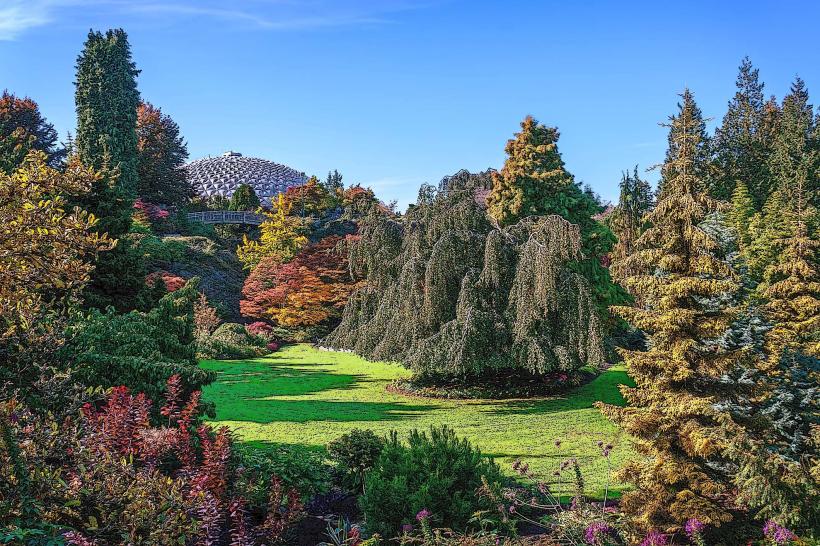
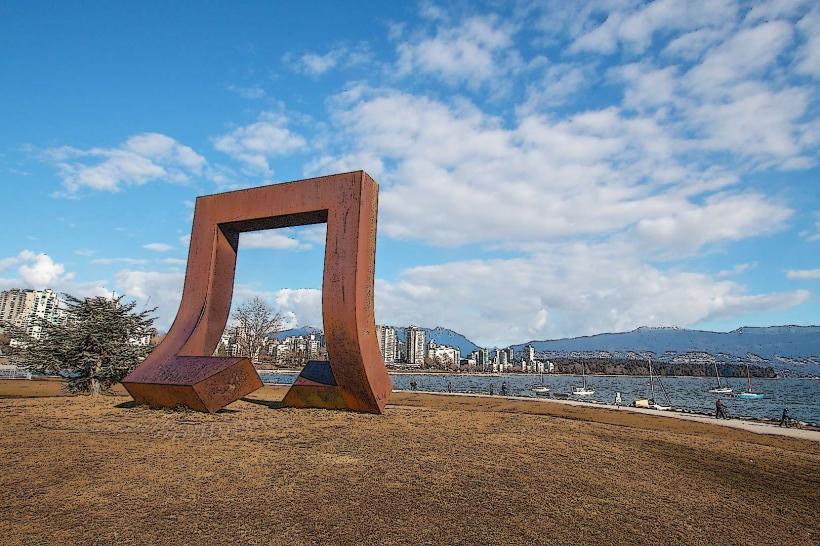
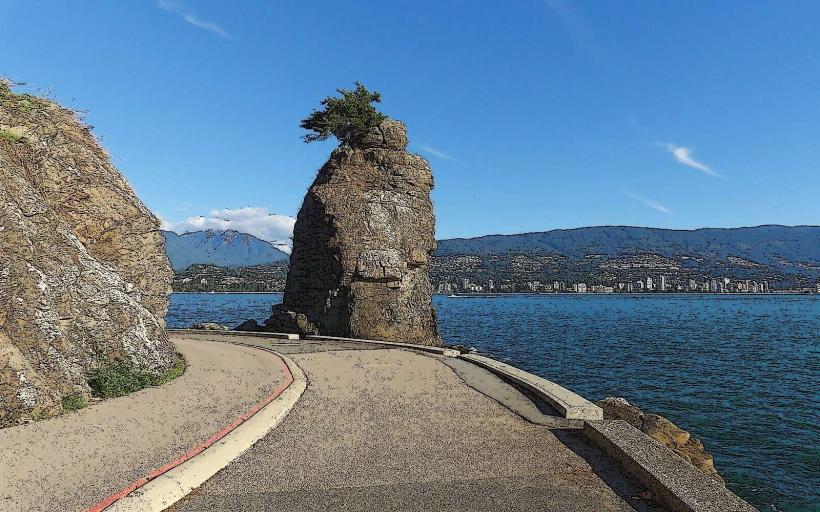
The seawall is primarily constructed of concrete, with sections of asphalt for cycling. It varies in width, accommodating pedestrian and bicycle traffic separately in many areas. The pathway offers views of Burrard Inlet, the North Shore mountains, and the Pacific Ocean. Vegetation along the park sections includes mature coniferous trees and coastal flora.
Location & Access Logistics
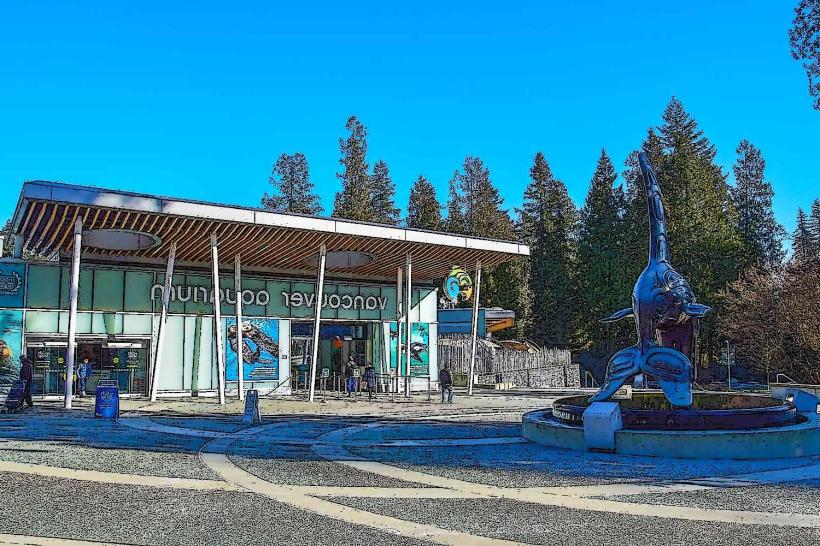
The seawall can be accessed from multiple points within Stanley Park, including entrances off Georgia Street and Stanley Park Drive. It is approximately 3km west of Vancouver's central business district. Vehicle access is via Stanley Park Drive, with paid parking available at various lots within the park, such as the Vancouver Aquarium lot and the Prospect Point lot. Public transport options include TransLink bus routes 005 Robson/Denman, which stop near the park entrance on Georgia Street, and the Aquabus or False Creek Ferries for access to the False Creek sections of the seawall.
Historical & Ecological Origin
Construction of the seawall began in 1917, with the initial section designed to prevent erosion along Stanley Park's shoreline. It was primarily built using concrete and rock. The seawall's purpose evolved to include recreational access and protection of the park's perimeter from the marine environment.
Key Highlights & Activities
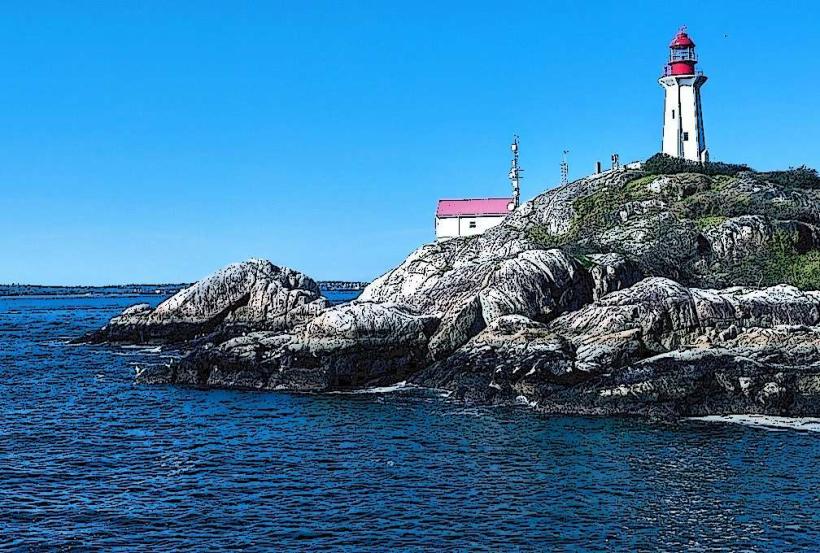
Activities include walking, jogging, and cycling along the paved pathway. The seawall provides access to various points of interest within Stanley Park, such as the Vancouver Aquarium, Brockton Point Lighthouse, and Siwash Rock. Kayaking and paddleboarding are possible in the adjacent waters, with launch points available at specific locations.
Infrastructure & Amenities
Restrooms are available at intervals along the seawall, particularly near major attractions like the Vancouver Aquarium and Brockton Point. Shade is provided by the tree canopy in park sections. Cell phone signal (4G/5G) is generally available. Food vendors and cafes are located within Stanley Park and along the False Creek sections of the seawall.
Best Time to Visit
For photography, early morning or late afternoon light offers optimal conditions. The best months for weather are typically from May to September, with lower rainfall and milder temperatures. Tidal conditions do not significantly impact access to the seawall itself, but can affect water-based activities.
Facts & Legends
A unique aspect of the seawall's construction involved the use of explosives to clear rock, with some of the removed material being repurposed for breakwaters. The seawall is one of the longest continuous waterfront paths in the world.
Nearby Landmarks
- Vancouver Aquarium (0.2km West)
- Brockton Point Lighthouse (1.5km Northwest)
- Prospect Point (2.5km Northwest)
- English Bay Beach (3.0km Southwest)
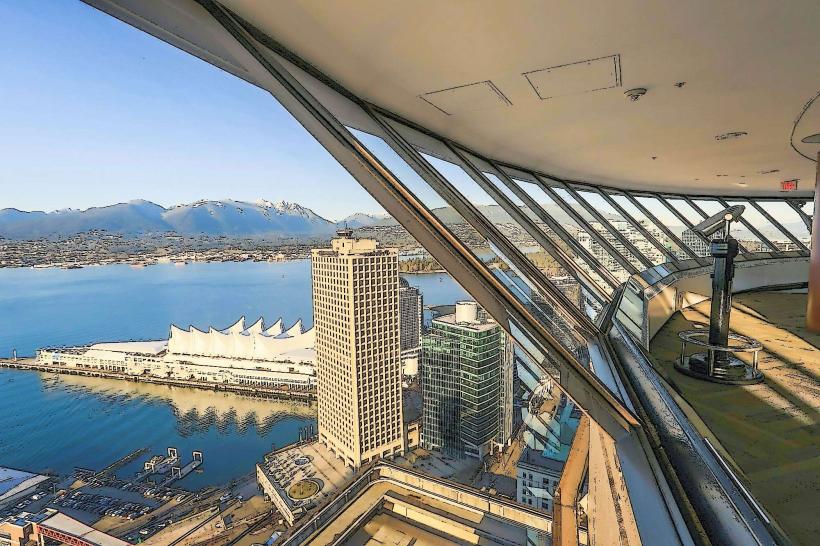
- Canada Place (4.0km Southeast)