Information
Landmark: Vytautas Great War MuseumCity: Kaunas
Country: Lithuania
Continent: Europe
Vytautas Great War Museum, Kaunas, Lithuania, Europe
Visual Characteristics
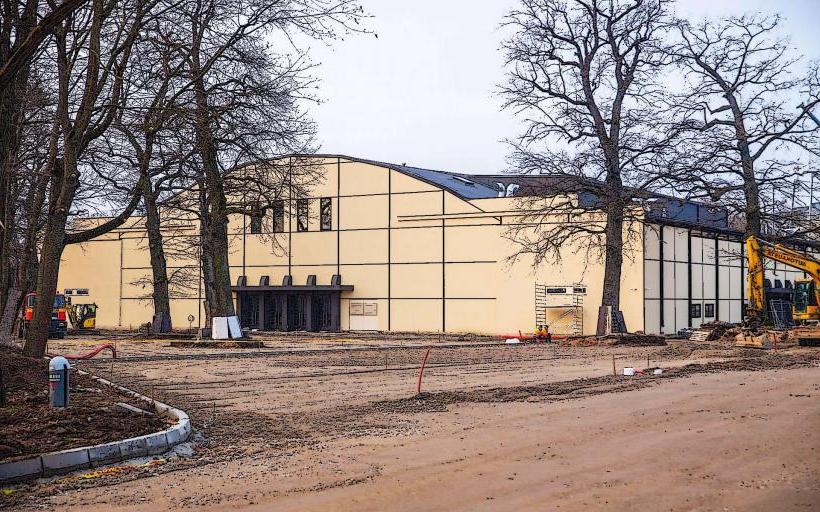
The museum occupies a prominent stone building with a symmetrical facade, featuring elements of Neo-Baroque and Neo-Classical architectural styles. Its exterior is characterized by light-colored stone, multiple stories, and large windows. The building is part of a larger complex that includes a garden and other cultural institutions.
Location & Access Logistics
The museum is situated at K. Donelaičio g. 64, within the central district of Kaunas. It is approximately 1 kilometer east of the historical Old Town. Public transportation is accessible, with several bus lines (e.g., routes 3, 7, 10, 11, 16, 20, 29, 37, 40, 46, 52) stopping at the "Kauno miesto savivaldybė" or "Laisvės Alėja" stops, both within a 200-meter radius. Paid street parking is available on surrounding streets, and underground parking garages are located within a 500-meter walk.
Historical & Ecological Origin
The Vytautas Great War Museum was established in 1921, shortly after Lithuania regained independence. The main building, designed by architect Mykolas Songaila, was completed in 1936. Its original purpose was to collect, preserve, and exhibit artifacts related to Lithuania's military history and the struggle for independence.
Key Highlights & Activities
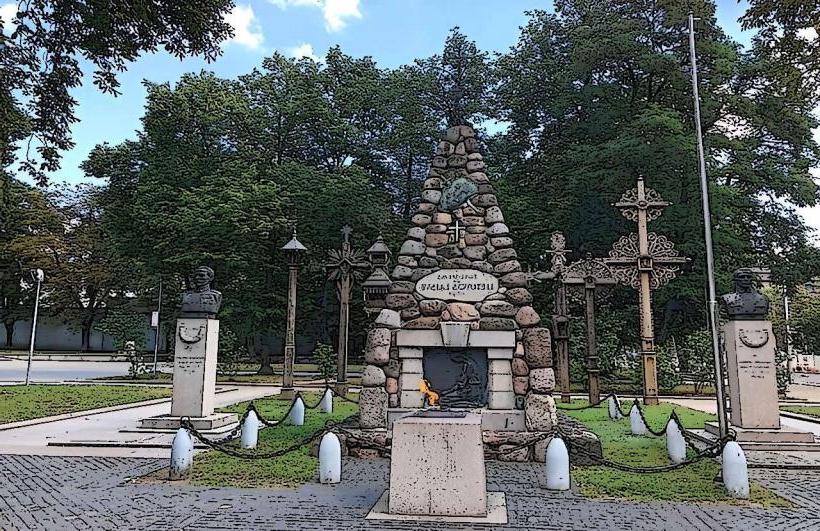
Visitors can explore permanent exhibitions detailing Lithuanian military history, including displays of weaponry, uniforms, medals, and historical documents. The museum grounds feature the Eternal Flame and the Tomb of the Unknown Soldier. The museum's Carillon, a set of bells, plays melodies at specific times, often on weekends. Educational programs and temporary exhibitions are also regularly presented.
Infrastructure & Amenities
Restrooms are available within the museum facility. As an indoor institution, the museum provides shelter and climate control. Cell phone signal (4G/5G) is consistently strong throughout the building and surrounding area. A small gift shop is located on-site. Numerous cafes and restaurants are situated within a 5-minute walk in the city center.
Best Time to Visit
The museum is generally less crowded on weekday mornings. It operates year-round, with no specific seasonal restrictions for optimal viewing. The Carillon concerts typically occur on Saturdays and Sundays at midday, offering an additional experience. Photography is best during daylight hours due to natural light entering the exhibition halls.
Facts & Legends
The museum's name honors Vytautas the Great, a Grand Duke of Lithuania who reigned from 1392 to 1430 and is considered one of the most prominent rulers in Lithuanian history. The museum complex also houses the M. K. Čiurlionis National Art Museum, making it a combined cultural destination. The Carillon bells were cast in Belgium and installed in 1935.
Nearby Landmarks
- M. K. Čiurlionis National Art Museum: 0km East (adjacent)
- Kaunas State Musical Theatre: 0.3km South
- Kaunas Picture Gallery: 0.5km North-West
- Laisvės Alėja (Liberty Avenue): 0.1km South-West
- Kaunas Cathedral Basilica: 1km West