Landmark: Wetland Museum of Ghar El Melh (Dar El Bhira)
City: Bizerte
Country: Tunisia
Continent: Africa
Wetland Museum of Ghar El Melh (Dar El Bhira), Bizerte, Tunisia, Africa
The Wetland Museum of Ghar El Melh, also known as Dar El Bhira, is situated in the coastal town of Ghar El Melh, within the governorate of Bizerte, Tunisia.
Visual Characteristics
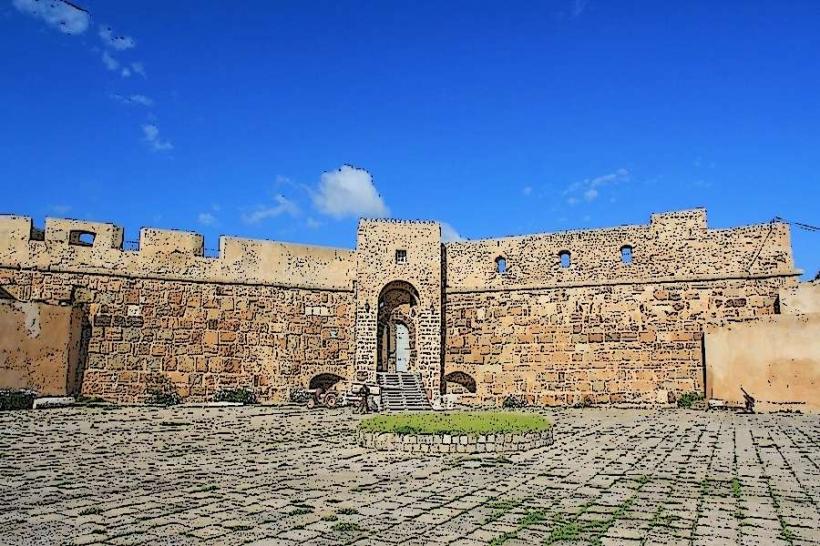
The museum building is a former salt storehouse constructed from local stone. Its exterior walls are whitewashed, with a terracotta-tiled roof. The structure is low-lying, designed to blend with the surrounding salt pans. Inside, exhibits are housed in a single, large hall with exposed wooden beams.
Location & Access Logistics
Dar El Bhira is located approximately 10 kilometers west of the city center of Bizerte. Access is via the P10 national road, turning off onto local roads signposted for Ghar El Melh. Ample free parking is available directly adjacent to the museum. Public transport options are limited; the nearest bus stop is in Ghar El Melh town, requiring a 1.5km walk to the museum.
Historical & Ecological Origin
The building was originally constructed in the 18th century to store salt harvested from the adjacent salt pans. It served this purpose for over two centuries. The surrounding wetland is a Ramsar site, recognized for its significant biodiversity, particularly migratory birds.
Key Highlights & Activities
Exhibits focus on the history of salt production in the region and the ecological importance of the Ghar El Melh wetlands. Visitors can observe displays detailing traditional salt harvesting techniques. Birdwatching opportunities are available from designated viewing points outside the museum, particularly during migratory seasons.
Infrastructure & Amenities
Restrooms are available on-site. Limited shade is provided by the building's overhang. Cell phone signal (4G) is generally reliable. No food vendors are located directly at the museum; options are available in Ghar El Melh town.
Best Time to Visit
For optimal birdwatching, visit during the spring (March-May) and autumn (September-November) migration periods. The best time of day for photography of the salt pans is early morning or late afternoon for softer light. Access is generally unrestricted during daylight hours.
Facts & Legends
A local anecdote suggests that the salt produced here was once transported by sea to supply the kitchens of the Beylical court in Tunis. The museum's location directly overlooks the active salt pans, allowing visitors to see the salt crystallization process in action.
Nearby Landmarks
- Fort d'Aghir (2.5km East)
- Ghar El Melh Port (1.8km Northeast)
- Bizerte Canal (9.0km East)
- Ichkeul National Park (15.0km Southwest)