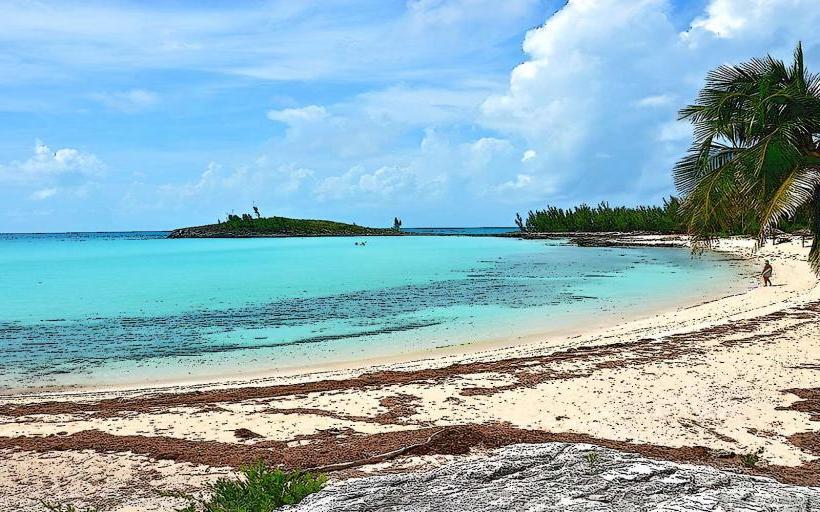
Landmark: Yamacraw Beach
City: Harbour Island
Country: Bahamas
Continent: North America
Yamacraw Beach, Harbour Island, Bahamas, North America
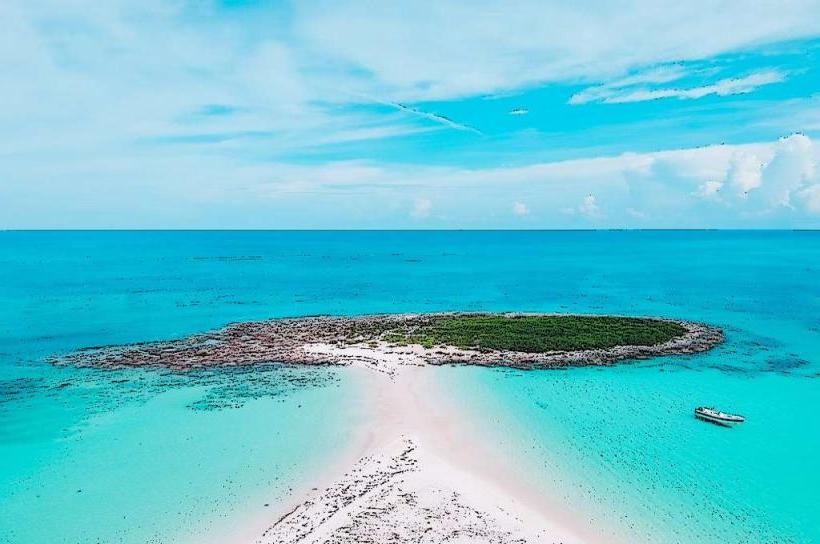
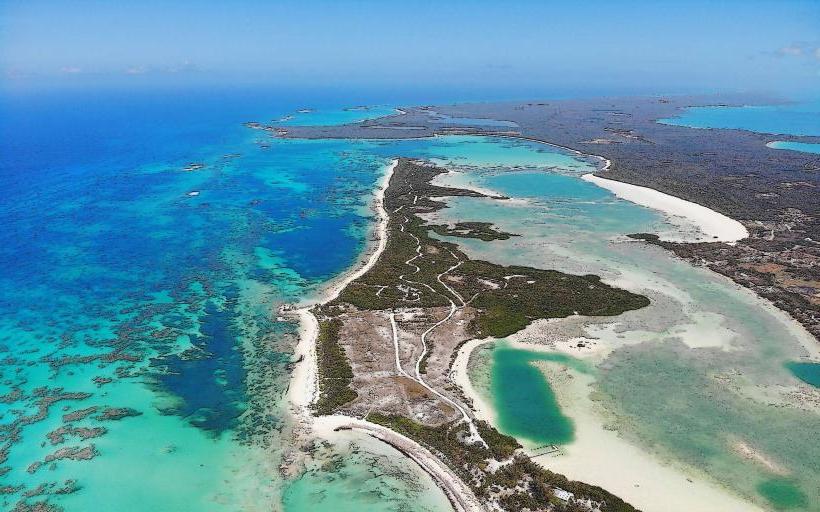
Yamacraw Beach is a public access shoreline located on the southern coast of Harbour Island in the Bahamas.
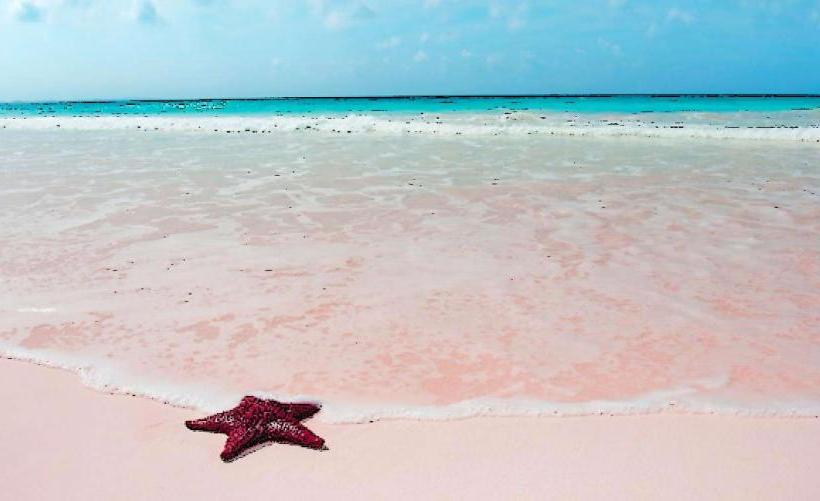
This beach is characterized by its fine, pale pink sand, a result of crushed coral and shells, and its clear, shallow turquoise waters. The shoreline extends for approximately 3 kilometers, with a moderate width that varies with tidal levels. Vegetation behind the beach consists primarily of low-lying coastal scrub and scattered palm trees.
Location & Access Logistics
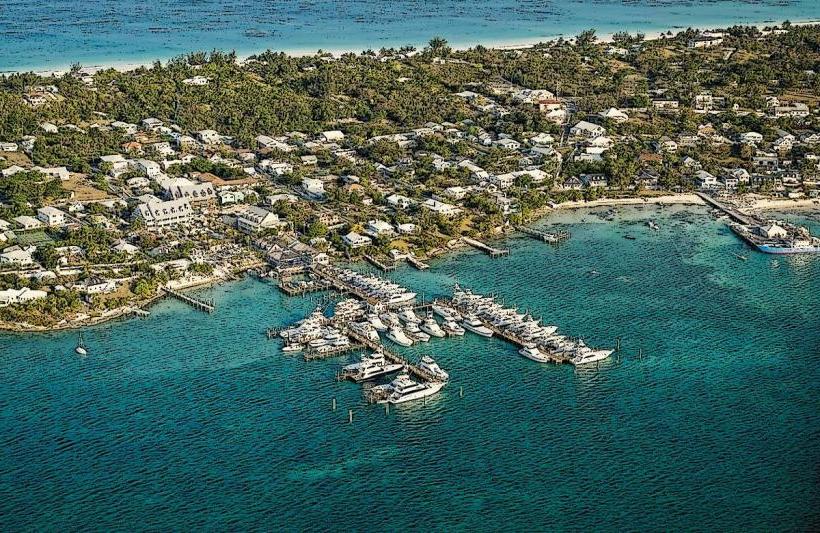
Yamacraw Beach is situated approximately 4 kilometers south of Dunmore Town, the main settlement on Harbour Island. Access is via Bay Street, which transitions into a dirt track road (South Palmetto Road) leading directly to the beach. Parking is available on the unpaved shoulder adjacent to the beach access point. No public transport services operate directly to the beach; access is primarily by rental vehicle or taxi from Dunmore Town.
Historical & Ecological Origin
The pink sand characteristic of Yamacraw Beach and other Bahamian beaches is formed from the exoskeletons of microscopic marine organisms called Foraminifera. These organisms, which have red or pink shells, live on the surrounding coral reefs and are washed ashore by wave action, gradually breaking down into fine particles over time. The beach itself is a natural accumulation of these marine sediments.
Key Highlights & Activities
Swimming is possible in the calm, shallow waters. Beachcombing for shells is a common activity. The beach is suitable for sunbathing and walking along the shoreline. No organized tours or specific activity providers are based at this location.
Infrastructure & Amenities
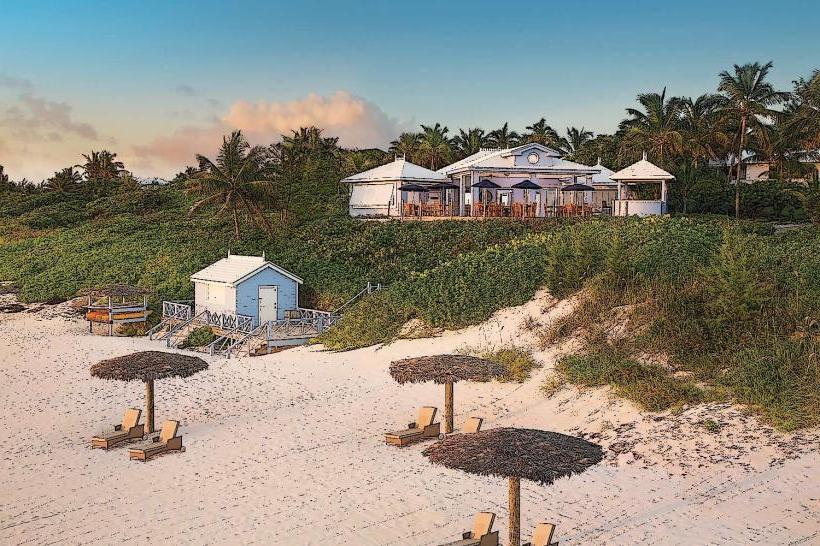
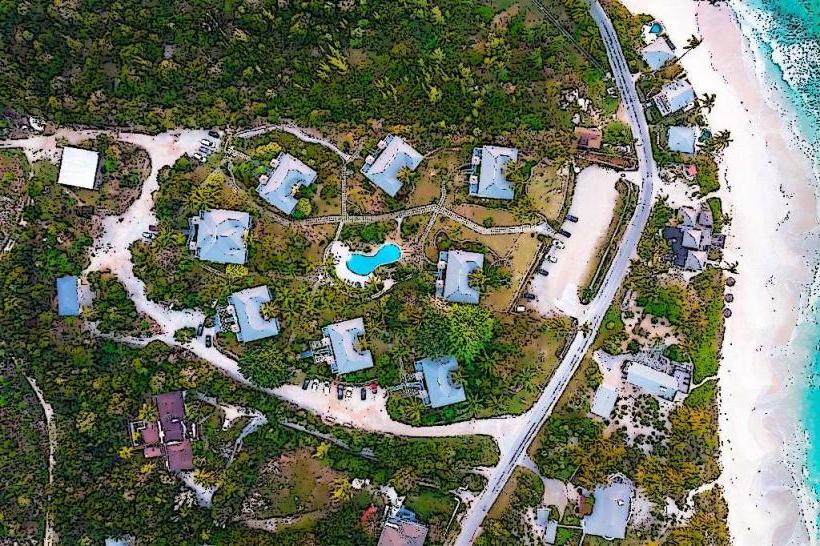
There are no permanent facilities at Yamacraw Beach. Restrooms, shade structures, and food vendors are not present. Cell phone signal (4G/5G) is generally available but can be intermittent closer to the water's edge.
Best Time to Visit
For photography, early morning or late afternoon provides optimal lighting conditions due to the angle of the sun. The best months for visiting are generally between December and May, offering drier weather and lower humidity. Tidal levels do not significantly impact access or usability of the main beach area.
Facts & Legends
A local anecdote suggests that the specific shade of pink in the sand is most pronounced after a storm, when more crushed coral is brought ashore. The beach is less frequented than Pink Sands Beach, offering a quieter experience.
Nearby Landmarks
- Pink Sands Beach (1.5km North)
- Government Dock, Dunmore Town (4.0km North)
- The Leon Levy Native Plant Preserve (3.5km North)
- St. John's Anglican Church, Dunmore Town (4.2km North)