Information
Landmark: Yusentei ParkCity: Fukuoka
Country: Japan
Continent: Asia
Yusentei Park, Fukuoka, Japan, Asia
Yusentei Park is a traditional Japanese garden located in the Hakata Ward of Fukuoka, Japan.
This 300-year-old garden was originally the villa of the Kuroda family, feudal lords of the Chikuzen province.
Visual Characteristics
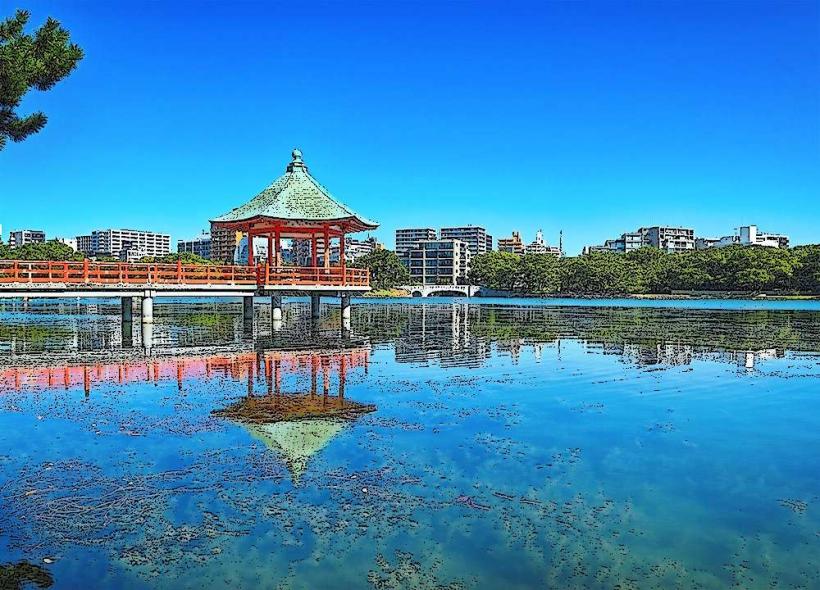
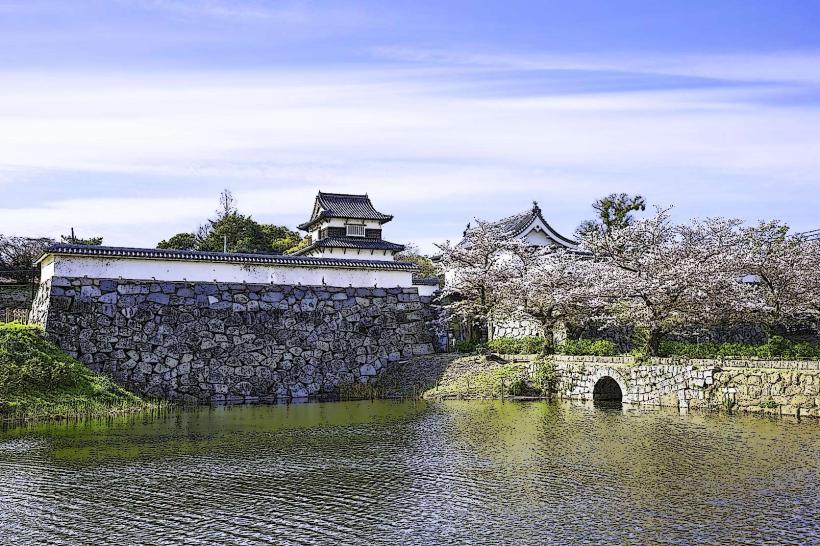
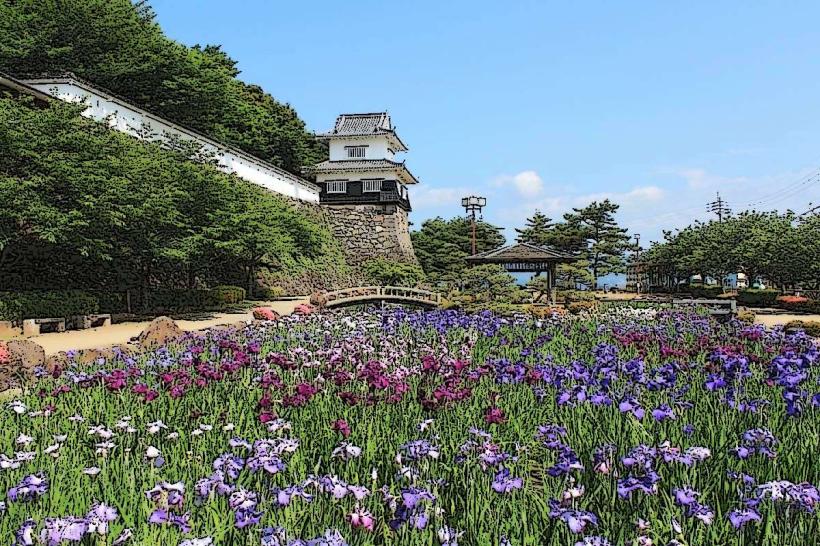
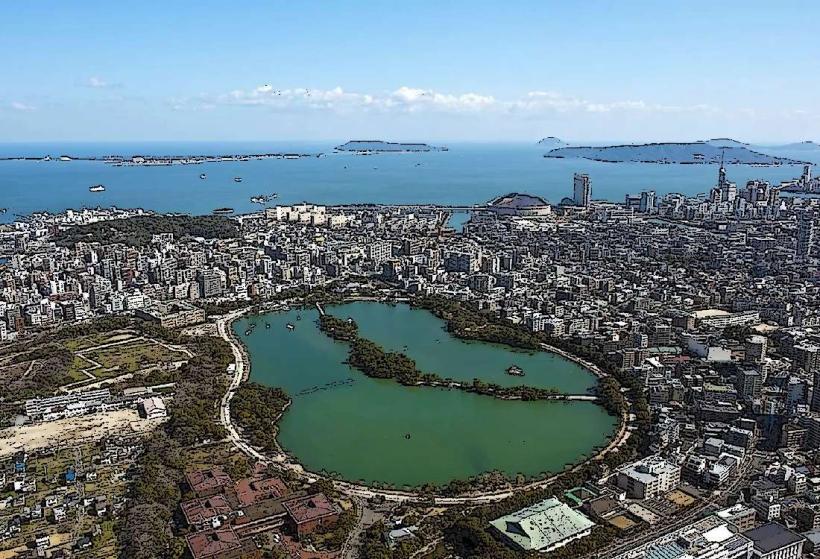
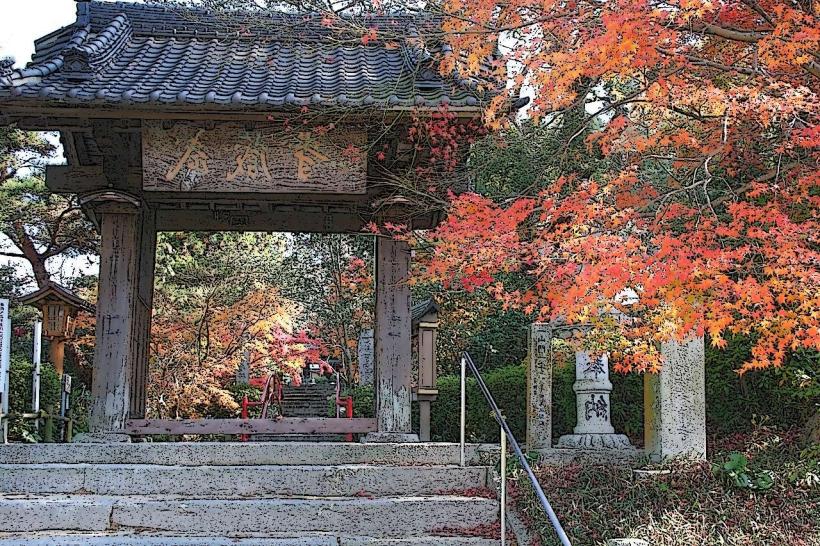
The park features a central pond, approximately 100 meters in diameter, with a depth of 1.5 meters. The pond is fed by a small stream originating from the surrounding hills. Surrounding the pond are meticulously maintained lawns, gravel paths, and a variety of deciduous and evergreen trees, including Japanese maples, pines, and cherry trees. A traditional teahouse, constructed from dark wood and featuring a tiled roof, is situated on the pond's edge. Stone lanterns and carefully placed rocks are integrated throughout the landscape.
Location & Access Logistics
Yusentei Park is situated 7 kilometers east of Fukuoka's city center. Access is via National Route 3, turning onto Prefectural Road 576. Parking is available at a dedicated lot with a capacity for 50 vehicles; a fee of 300 JPY per vehicle applies. Public transport options include the Nishitetsu Bus lines 3, 4, and 11, which stop at the "Yusentei Koen" bus stop, located 200 meters from the park entrance. The nearest subway station is Gion Station on the Kuko Line, approximately 2.5 kilometers west, requiring a bus transfer or a 30-minute walk.
Historical & Ecological Origin
The park was established in 1716 as a detached villa for Kuroda Nagamasa, the first lord of the Fukuoka domain. It was designed by the renowned landscape architect Tachibana Akimasa. The garden's design follows the principles of a stroll garden, intended for leisurely walking and contemplation. Ecologically, the area is a temperate deciduous forest biome, supporting a diverse range of local flora and fauna, including various bird species and insects.
Key Highlights & Activities
Visitors can walk the perimeter of the central pond via gravel paths. Entry to the teahouse is permitted, offering views of the garden. Photography of the garden's landscape is allowed. Seasonal flower viewing is a primary activity, with cherry blossoms in spring and autumn foliage being notable. Feeding the koi in the pond is prohibited.
Infrastructure & Amenities
Restrooms are located near the main entrance and the teahouse. Shaded areas are provided by mature trees and the teahouse structure. Cell phone signal (4G/5G) is generally available within the park. No food vendors are present within the park; however, convenience stores and small eateries are located approximately 500 meters from the park entrance along Prefectural Road 576.
Best Time to Visit
For optimal lighting conditions for photography, early morning (08:00-10:00) or late afternoon (15:00-17:00) is recommended, particularly during spring and autumn. The best months for visiting are April for cherry blossoms and November for autumn colors. The park is open year-round, with no specific tide requirements as it is a land-based garden.
Facts & Legends
A local legend states that the water from the stream feeding the pond has restorative properties, though this is unsubstantiated. A verified historical detail is that the teahouse was used for formal gatherings and tea ceremonies by the Kuroda family. A specific tip for visitors is to observe the reflection of the teahouse in the pond during calm weather for a symmetrical photographic composition.
Nearby Landmarks
- Ohori Park (1.2km West)
- Fukuoka Art Museum (1.5km West)
- Fukuoka City Museum (2.0km Southwest)
- Maizuru Park (1.8km West)
- Kushida Shrine (4.5km West)