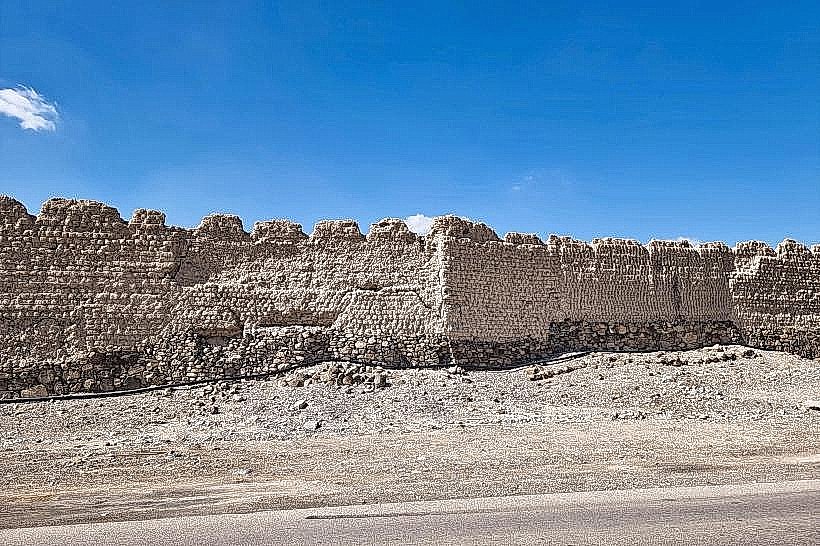
Landmark: Old Bahla Wall
City: Bahla
Country: Oman
Continent: Asia
Old Bahla Wall, Bahla, Oman, Asia
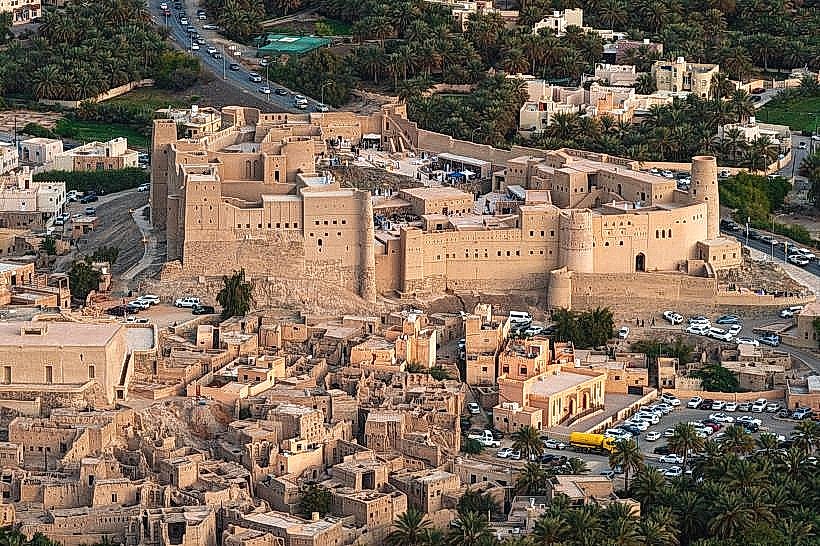
The Old Bahla Wall is a 12-kilometer-long defensive perimeter that encircles the Bahla Oasis and its historic fort in the Ad Dakhiliyah Governorate of Oman. It is a central component of the Bahla Fort UNESCO World Heritage site, located approximately 200km southwest of Muscat.
Visual Characteristics
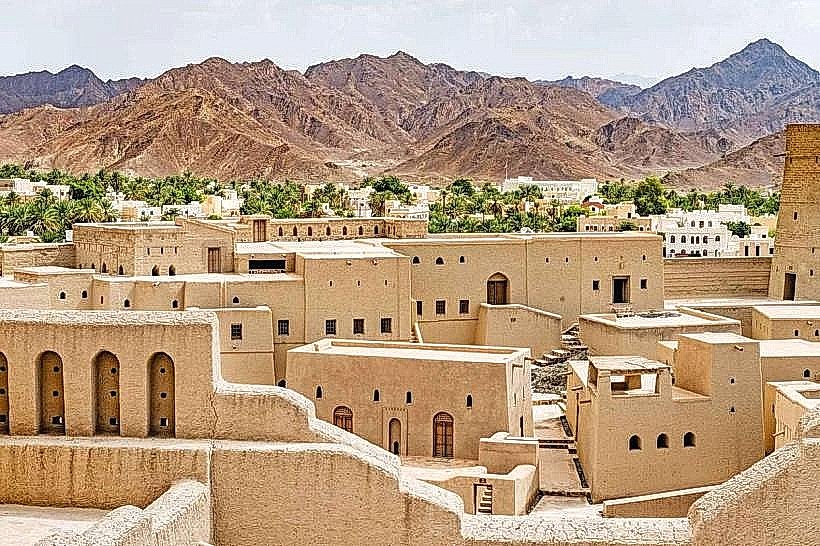
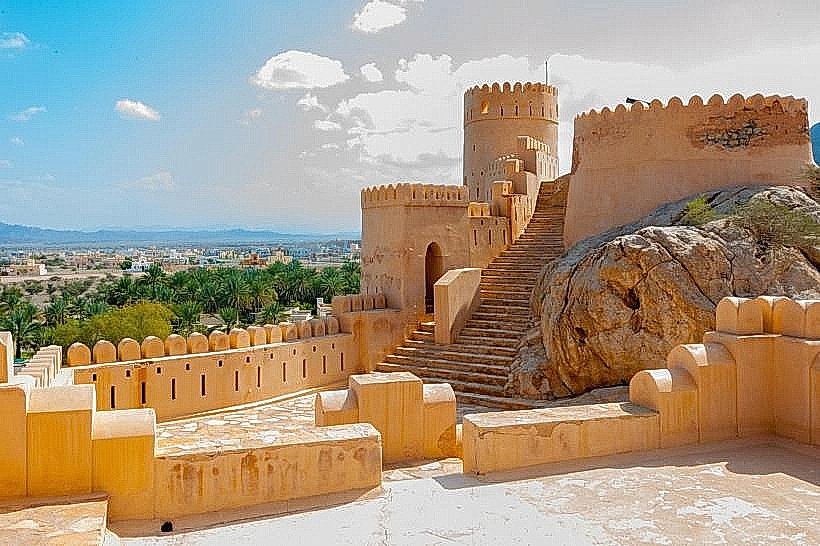
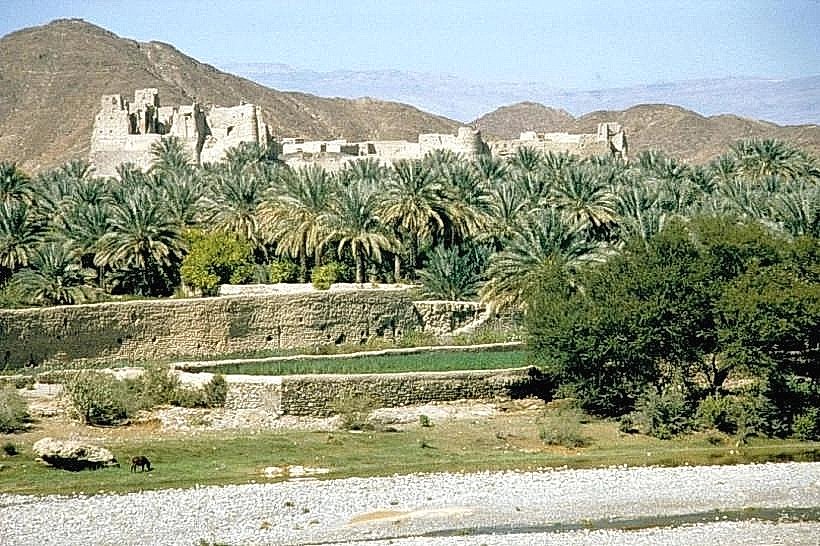
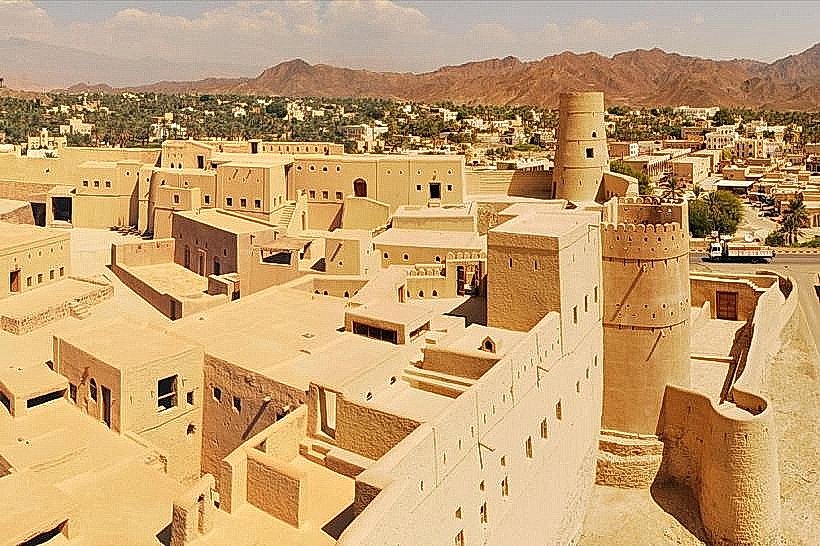
The wall is constructed from unbaked mud-brick and straw, standing approximately 5 meters high in preserved sections. It features a series of rounded watchtowers, crenellated battlements, and arched gateways (locally known as "sabahs"). The structure follows the natural contours of the rocky terrain and is weathered to a uniform desert-tan color, blending with the surrounding silt and limestone.
Location & Access Logistics
Access is via Route 21, which passes directly through sections of the wall as it enters Bahla. Most visitors view the structure from the main road or by walking the perimeter near the Bahla Fort parking area. While the exterior is visible by standard vehicle, exploring the footpaths alongside the wall requires walking on uneven gravel and dirt tracks. There is no dedicated public transport for the wall itself; it is accessed via the central Bahla bus and taxi stands.
Historical & Ecological Origin
Construction is attributed to the Banu Nebhan tribe between the 12th and 15th centuries. The wall was designed as a comprehensive defensive system to protect the town’s palm groves and "falaj" water channels from tribal raids. It was built using indigenous clay and traditional Omani masonry techniques that rely on constant maintenance to prevent erosion from rare but intense rainfall.
Key Highlights & Activities
Visitors can walk along specific preserved segments near the main oasis to observe the ancient mud-brick construction layers. Photography of the watchtowers against the backdrop of the Jebel Akhdar mountains is a primary activity. The wall also provides a physical boundary for exploring the traditional "haras" (neighborhoods) and agricultural terraces located within its perimeter.
Infrastructure & Amenities
The wall is an open archaeological feature and lacks dedicated infrastructure such as restrooms or visitor centers. Shade is only available under nearby date palms or within the shadows of the towers during early morning or late afternoon. Cellular signal (5G) is consistently strong throughout the Bahla town area where the wall is situated.
Best Time to Visit
The winter season from November to March provides the most suitable temperatures for walking the perimeter. The "golden hour" before sunset (16:30–18:00) is the optimal time for photography, as the low light emphasizes the texture of the mud-bricks and the silhouettes of the watchtowers. Avoid visiting during rain, as the mud-brick surfaces can become unstable.
Facts & Legends
Local folklore suggests that the entire 12-kilometer structure was built in a single night by "jinn" to protect the city from an imminent invasion. A verified historical oddity is the presence of internal secret passages within the thicker sections of the wall, used by sentries to move between towers undetected during sieges.
Nearby Landmarks
Bahla Fort (0.5km North)
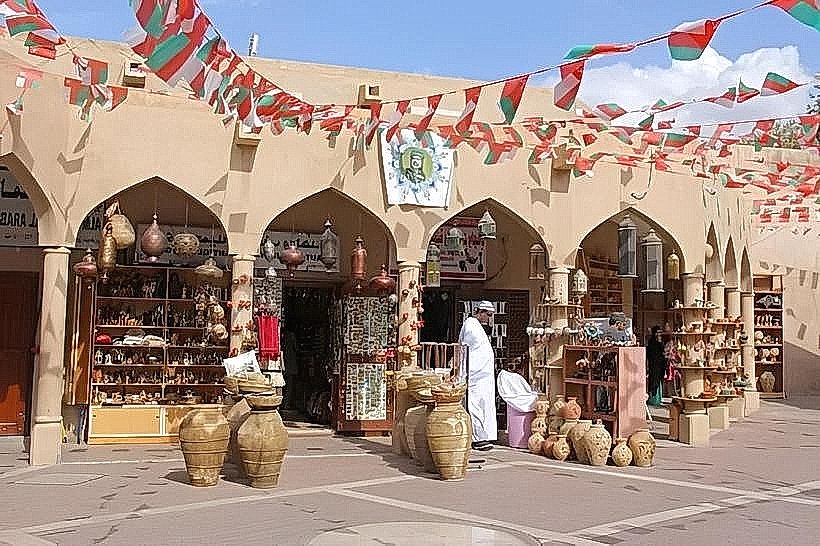
Bahla Old Souq (0.7km North)
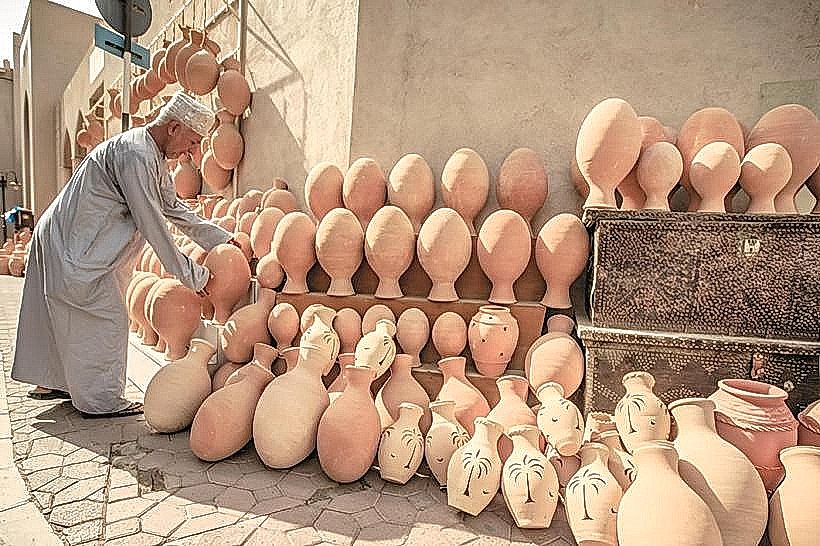
Bahla Pottery Factory (1.2km South)
Jabreen Castle (10km West)
Nizwa Fort (40km East)