Landmark: Wadi Bahla
City: Bahla
Country: Oman
Continent: Asia
Wadi Bahla, Bahla, Oman, Asia
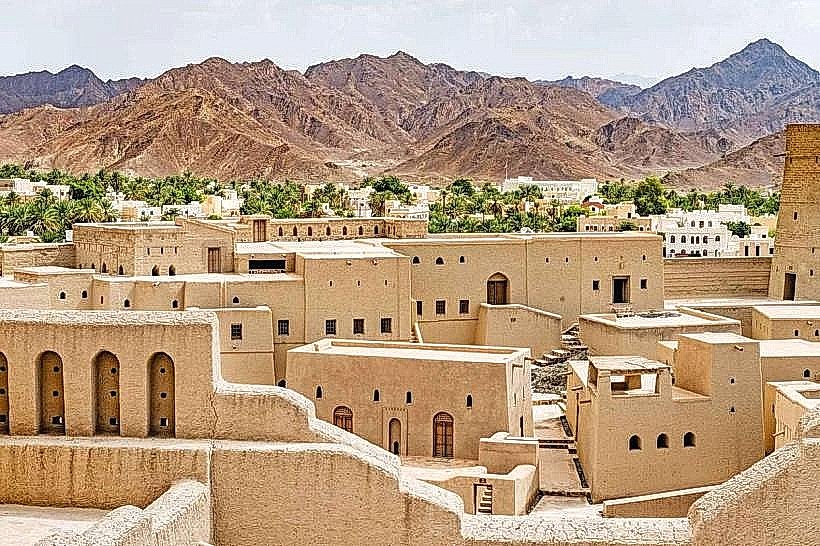
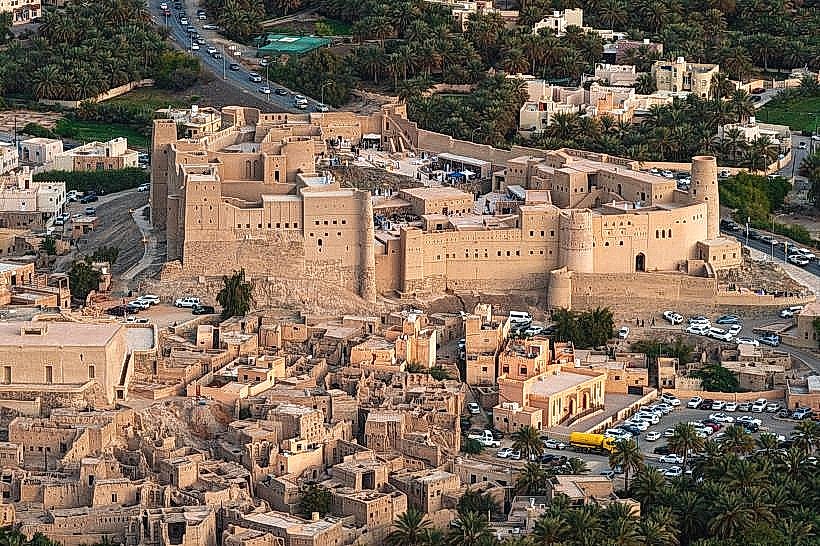
Wadi Bahla is a seasonal riverbed and drainage system that traverses the town of Bahla in the Ad Dakhiliyah Governorate of Oman. It originates in the southern foothills of the Al Hajar Mountains and flows past the historic fortifications of the Bahla Oasis.
Visual Characteristics
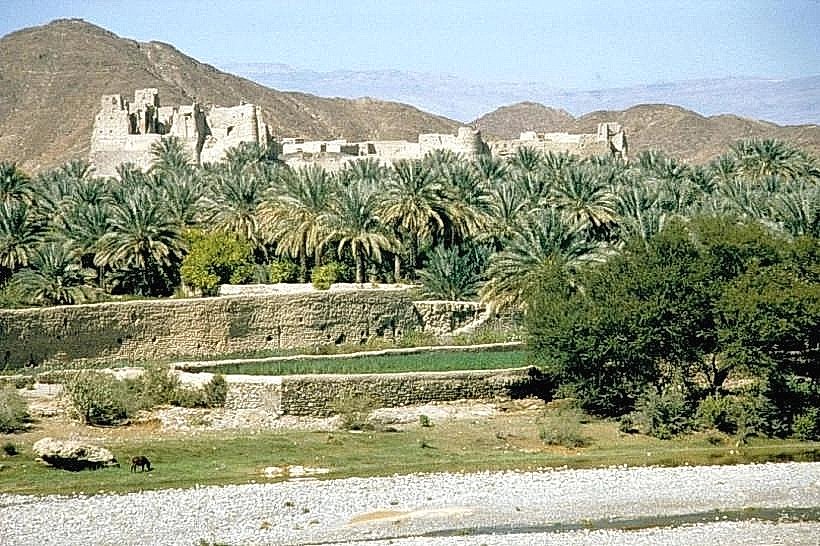
The wadi features a wide, gravel-filled bed interspersed with grey limestone boulders and sediment deposits. During dry periods, the landscape is arid with scattered acacia trees and drought-resistant shrubs. When active, the water is typically silty brown, filling narrow channels that run parallel to the ancient mud-brick walls and dense green date palm groves.
Location & Access Logistics
Access is via Route 21, which crosses the wadi at several points within Bahla town. Paved roads run along segments of the wadi bank, providing multiple entry points for standard vehicles. The most accessible sections are near the Bahla Fort and the Old Souq, where visitors can park in public lots and walk down to the wadi bed. No specialized public transport serves the wadi specifically, though local taxis are abundant.
Historical & Ecological Origin
The wadi is a natural tectonic drainage channel that has shaped the human geography of the region for millennia. It provides the primary alluvial soil and groundwater source for the Bahla Oasis. Historically, its flow was harnessed through the "falaj" system, a network of gravity-fed subterranean and surface channels used to irrigate the surrounding 12km perimeter of agricultural land.
Key Highlights & Activities
Walking along the wadi bed provides a unique perspective of the Old Bahla Wall from below. Birdwatching is possible near the stagnant pools that remain after seasonal rains. During the "khareef" or rainy intervals, locals gather to observe the "wail" (flash flood) from the safety of the bridges. Off-road cycling is feasible along the flatter gravel sections during the dry season.
Infrastructure & Amenities
The wadi is a natural feature and lacks dedicated visitor infrastructure such as restrooms or paved trails. Benches and shaded areas are located in the adjacent Shabab Park and near the Bahla Fort visitor area. 5G cellular signal is consistently strong throughout the wadi sections that pass through the town center.
Best Time to Visit
The winter months from November to February offer the most temperate conditions for exploring the wadi on foot. For photography, the late afternoon (16:00–17:30) provides optimal lighting to capture the contrast between the rocky wadi floor and the green palm canopies. Visitors must strictly avoid the wadi bed if there is any rain in the nearby mountains due to the high risk of flash floods.
Facts & Legends
Local tradition suggests that the wadi's water possesses protective qualities for the oasis, and its historical abundance was seen as a sign of the town's spiritual favor. A verified logistical tip: the wadi bed serves as a "shortcut" for locals moving between different "haras" (neighborhoods), but visitors should stay on marked paths to avoid trespassing on private palm farm property.
Nearby Landmarks
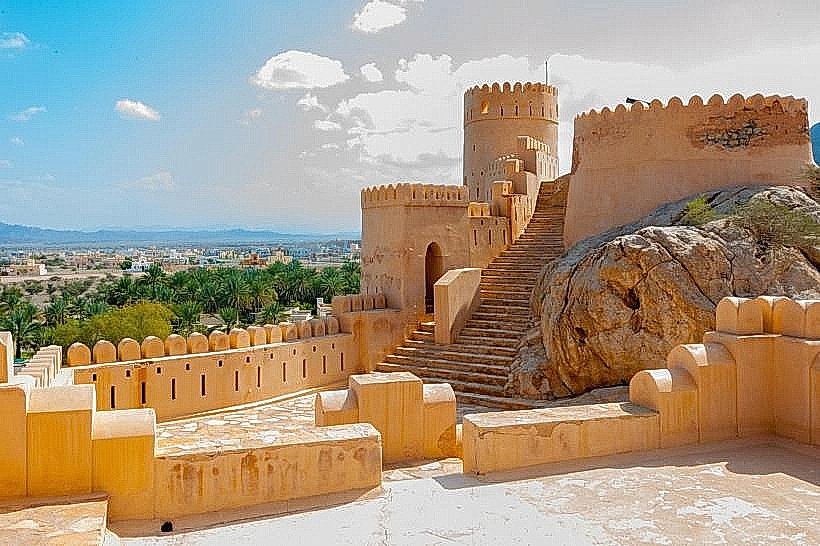
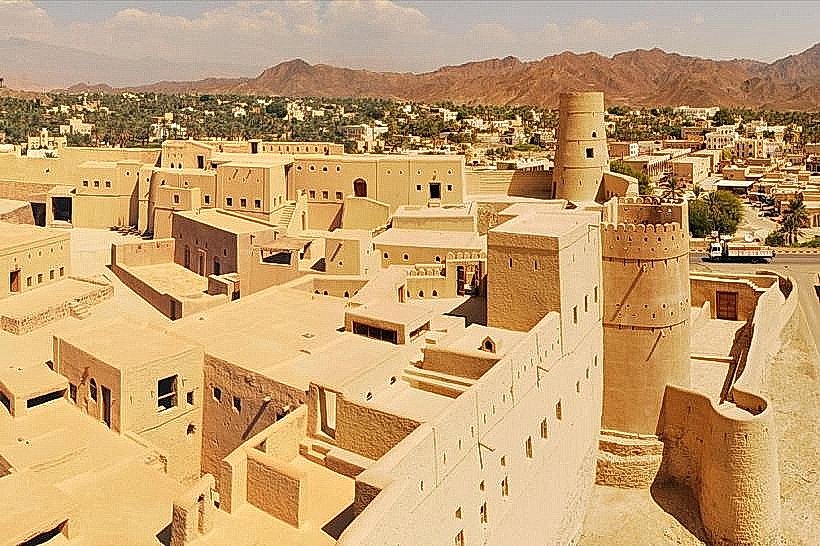
Bahla Fort (0.3km East)
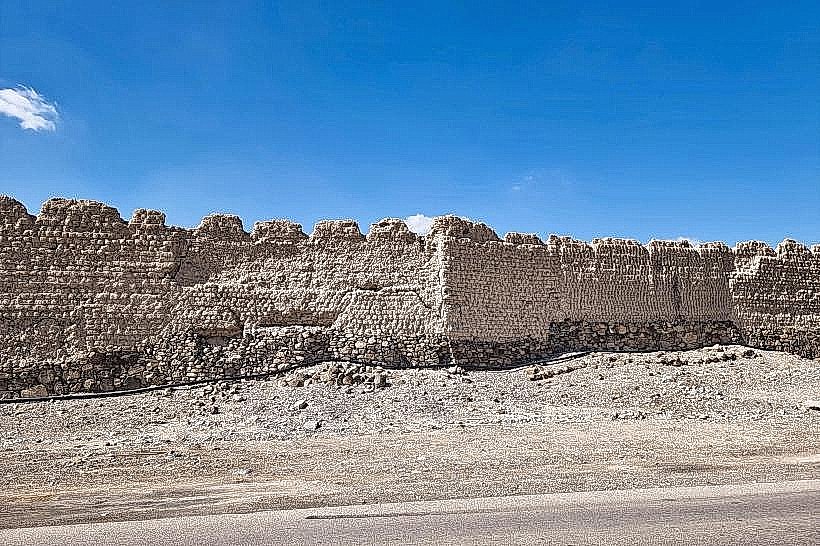
Old Bahla Wall (0.1km West)
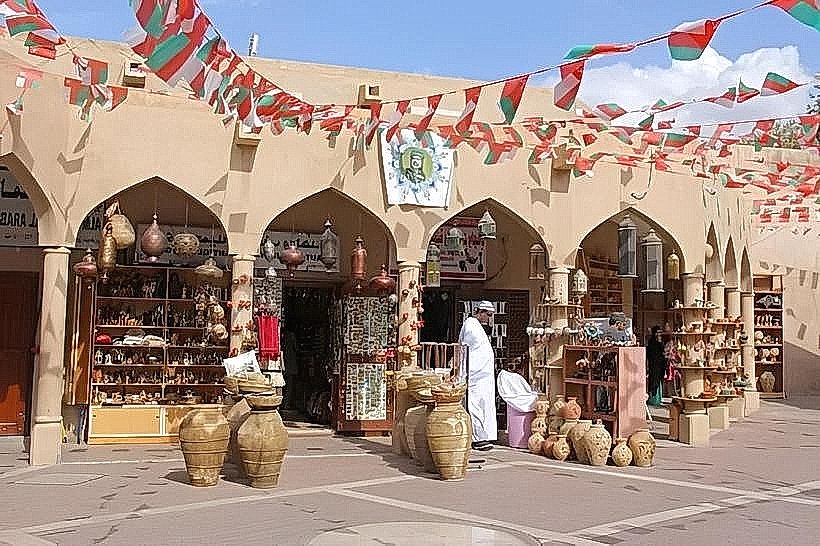
Bahla Old Souq (0.4km East)
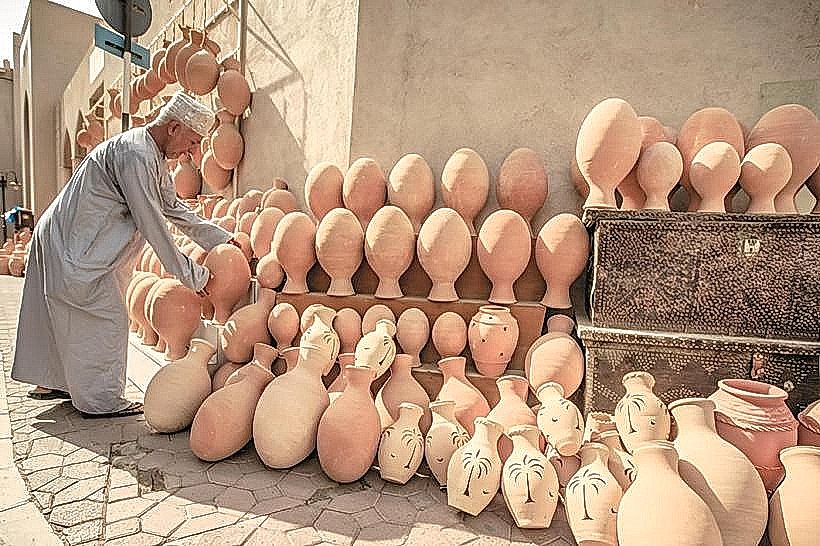
Bahla Pottery Factory (1.0km South)