City: Akko
Country: Israel
Continent: Asia
Akko, Israel, Asia
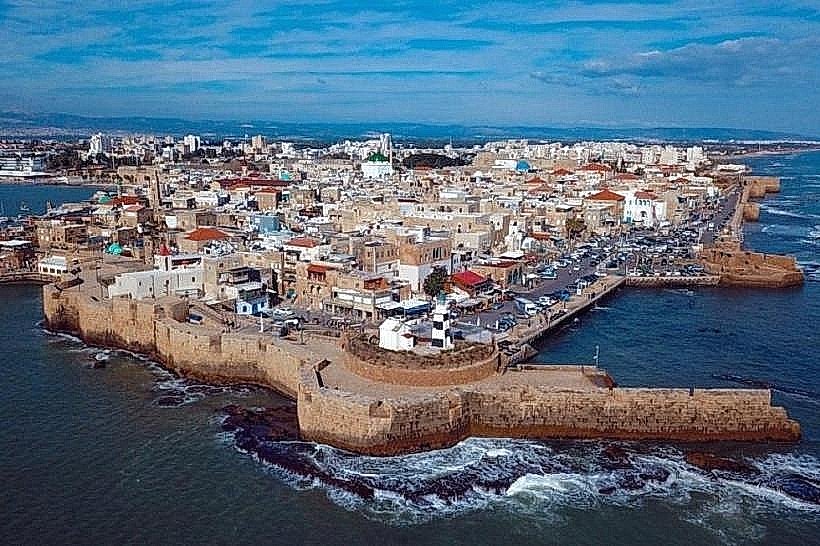
Akko (Acre) functions as a primary maritime heritage site and a critical cultural link between Israel’s coastal and northern regions. It is situated on a promontory at the northern edge of Haifa Bay on the Mediterranean coast.
Historical Timeline
Akko is one of the oldest continuously inhabited sites in the region, with its founding dating to the Early Bronze Age. Primary governance eras include the Phoenician, Hellenistic, Roman, Early Islamic, Crusader (as the capital of the Latin Kingdom), Mamluk, and Ottoman (1517–1917) periods. The primary event shaping its current urban form is the 18th-century reconstruction by Zahir al-Umar and Ahmed al-Jazzar, who built the current massive sea walls and fortifications over the ruins of the medieval Crusader city.
Demographics & Population
The total population within city limits is approximately 50,000 residents. The demographic composition is approximately 68% Jewish and 32% Arab (primarily Muslim, with a Christian minority). The median age is 32.4 years.
Urban Layout & Key Districts
The city is organized into the Old City and the New City. The Old City is a UNESCO World Heritage site enclosed by stone walls on the southern peninsula. The 2-3 most important districts are the Old City (South), containing the historical and religious sites, and the Ben Ami Street commercial area (North), which serves as the modern urban center.
Top City Landmarks
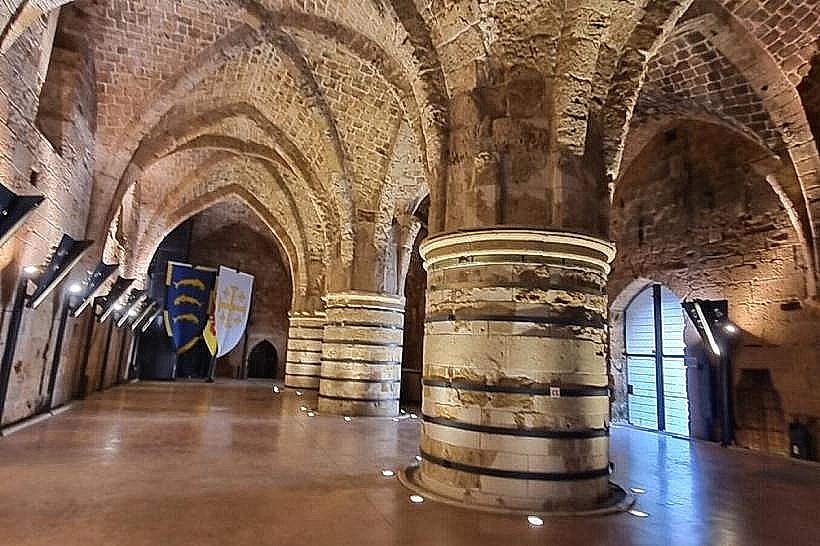
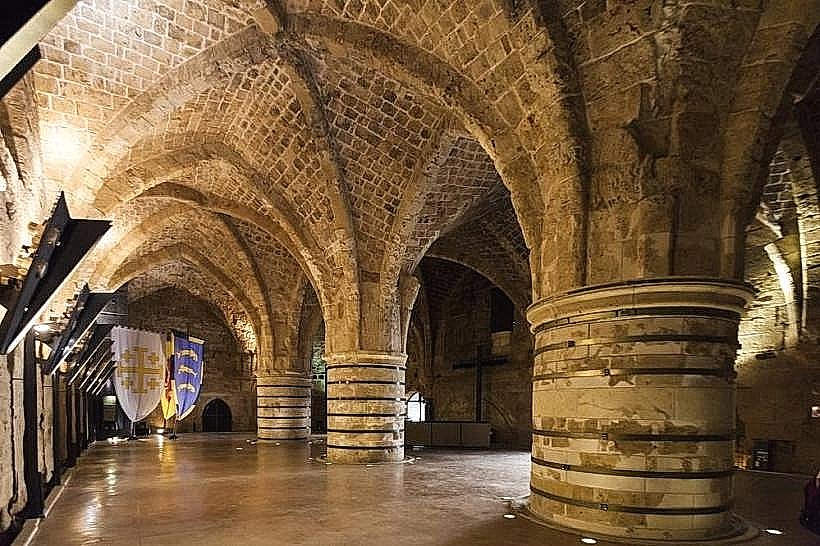
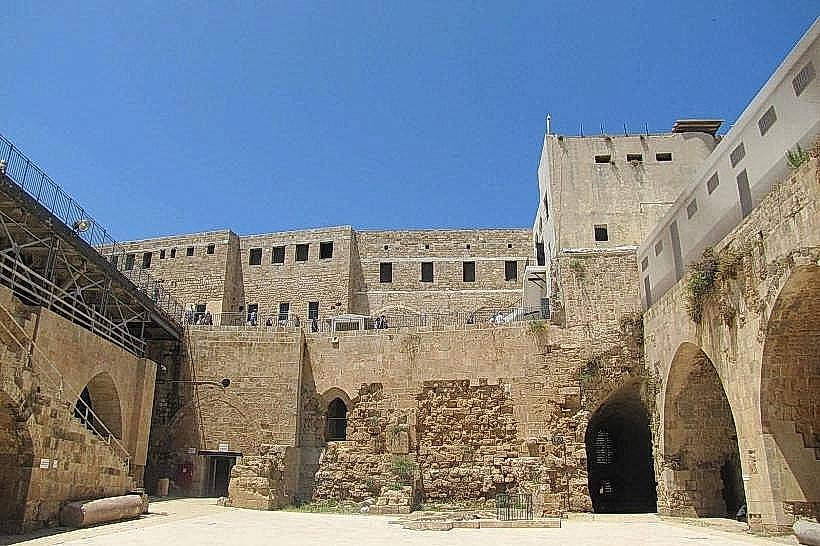
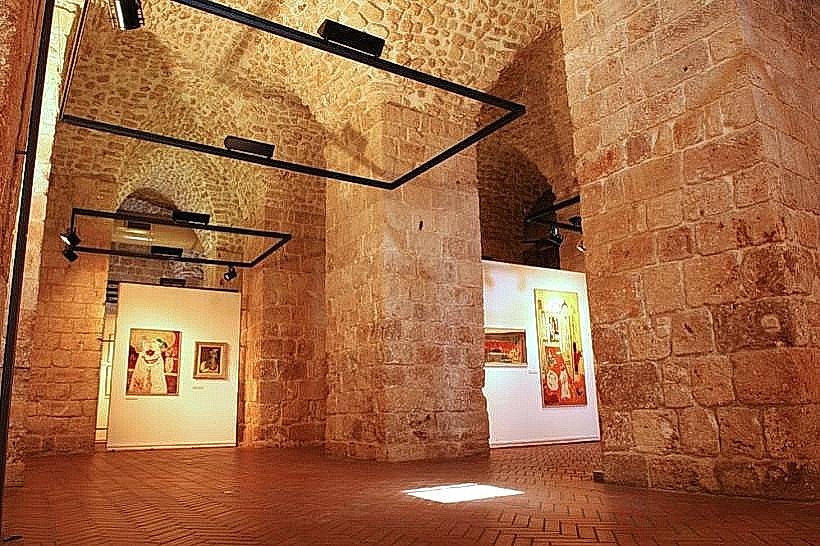
Knights’ Halls (Crusader City)
Templars’ Tunnel
Hospitaller Fortress
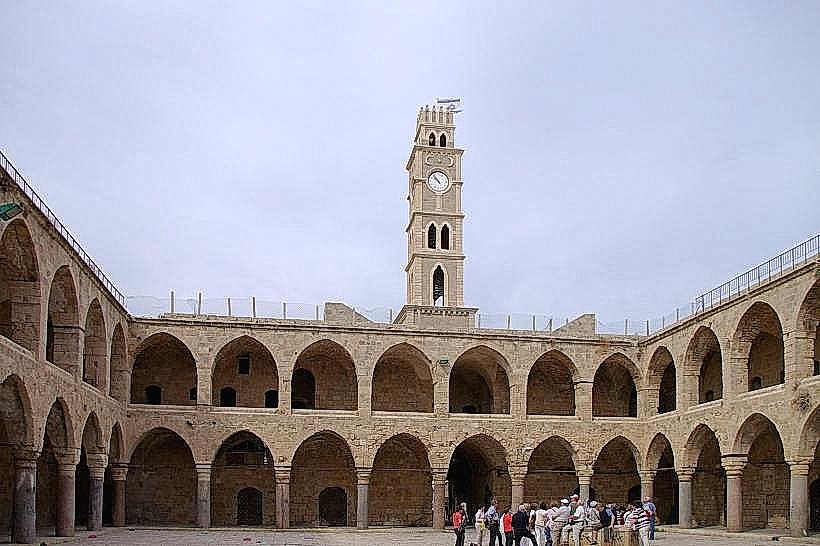
Khan al-Umdan (Caravanserai of Pillars)
Transportation Network
Internal movement within the Old City is strictly pedestrian due to narrow alleyways. The New City is served by local bus lines operated by Egged and Nativ Express. Akko is a major stop on the North-South coastal railway line. Ride-sharing via Gett is available; Uber is not operational. Official taxis are white. Traffic density is moderate but peaks at the entrance to the Old City on weekends.
Safety & "Red Zones"
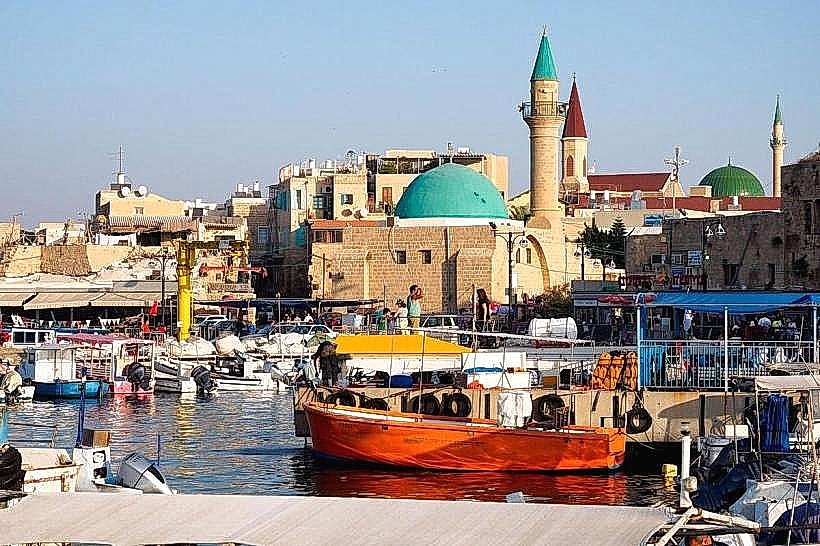
Akko is generally safe for tourists. Avoid walking alone in isolated areas of the eastern New City neighborhoods late at night. Common scams include "freelance" boat captains at the harbor quoting prices in USD then demanding the same numerical value in ILS, and aggressive street vendors near the entrance to the Knights' Halls.
Digital & Financial Infrastructure
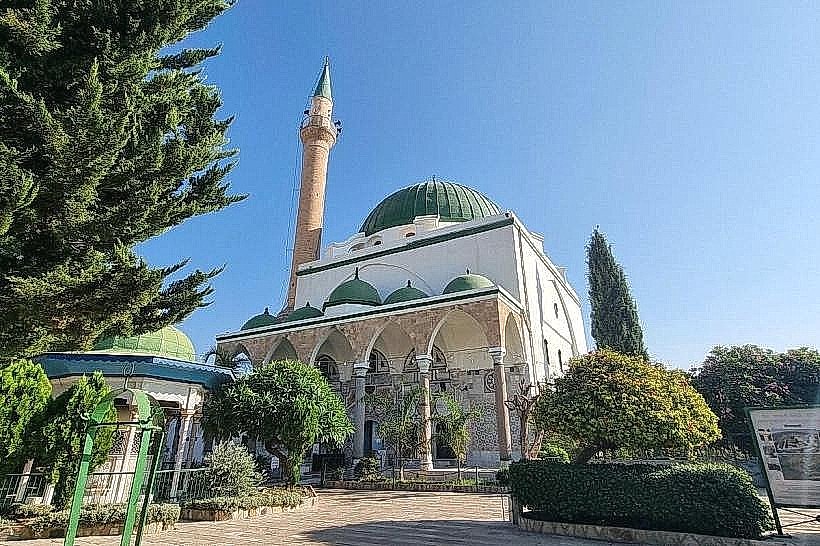
Average internet speed is 150 Mbps. Main mobile carriers are Partner, Cellcom, and Pelephone. Card acceptance is high in modern shops and restaurants, though the Old City market (Shuk) is predominantly cash-based. ATMs are located near the Al-Jazzar Mosque and along Ben Ami Street.
Climate & Air Quality
Summers (June–August) are hot and humid, with temperatures ranging from 23°C to 31°C. Winters (December–February) are mild and rainy, ranging from 9°C to 17°C. Air quality is generally high due to constant sea breezes, though humidity levels frequently exceed 70% during summer months.
Culture & Social Norms
A tipping rate of 10–15% is standard. Handshakes are the common greeting. Akko is a traditional city; modest dress is required for all religious sites. Public transport and Jewish-owned businesses close for Shabbat, while most businesses within the Old City remains open on Saturdays.
Accommodation Zones
Stay in the Old City for historic boutique guesthouses and direct access to archaeological sites.
Stay in the Northern Coastal Strip for modern hotel resorts with beach access and parking.
Local Cost Index
1 Espresso: 12 ILS ($3.25 USD)
1 Standard Lunch (Hummus/Seafood): 70 ILS ($19.00 USD)
1 Metro/Bus Ticket: 5.50 ILS ($1.50 USD)
Nearby Day Trips
Rosh HaNikra Grottoes (20 km)
Haifa (25 km)
Montfort Castle (35 km)
Nahariya (10 km)
Facts & Legends
A prominent local legend involves the 1799 Siege of Acre, where Napoleon Bonaparte was defeated by the Ottoman forces and the British Navy. It is claimed that Napoleon was so frustrated by his failure to capture the city that he threw his hat into the sea (or, in some versions, his sword over the walls), declaring that if he could not enter the city, at least a part of him would. His retreat from Akko effectively ended his campaign to conquer the Middle East.