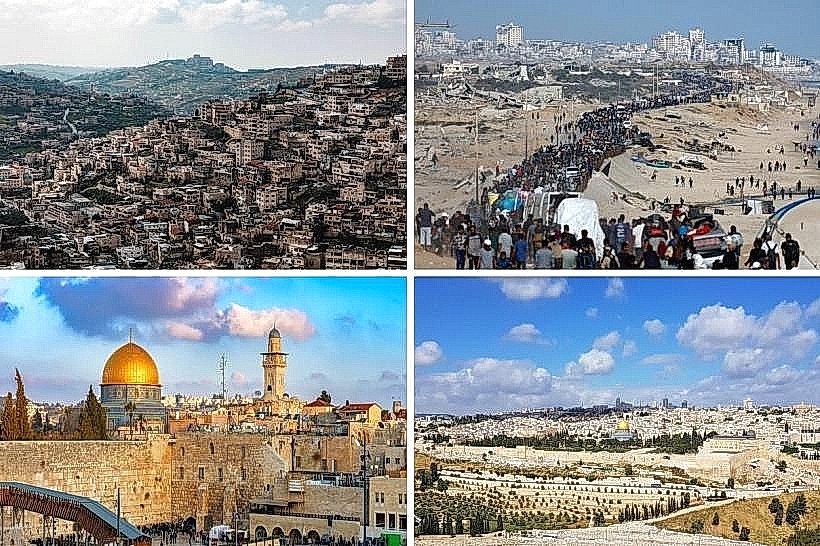
Country: Israel
Continent: Asia
Israel, Asia
Israel is located at the eastern edge of the Mediterranean Sea, bordered by Lebanon to the north, Syria to the northeast, Jordan to the east, and Egypt to the southwest. The country serves as a global technology and cybersecurity hub, with its government seat and proclaimed capital located in Jerusalem.
History & Culture
Israel declared independence in 1948 following the expiration of the British Mandate. Major political eras include the formative period of Labor Zionism (1948–1977) and the subsequent shift toward Likud-led coalitions and market liberalization. Judaism is the primary religious affiliation (73%), followed by Islam (18%) and Christianity (2%). Independence Day (Yom Ha'atzmaut) is the most significant national holiday. Social etiquette emphasizes direct speech and strict adherence to Shabbat closures in religious sectors.
Language & Communication
The official language is Hebrew. Arabic holds a special status and is spoken by approximately 21% of the population. English proficiency is High, particularly in urban centers and the business sector. Russian is also widely spoken due to significant immigration from the former Soviet Union.
Population & Economy
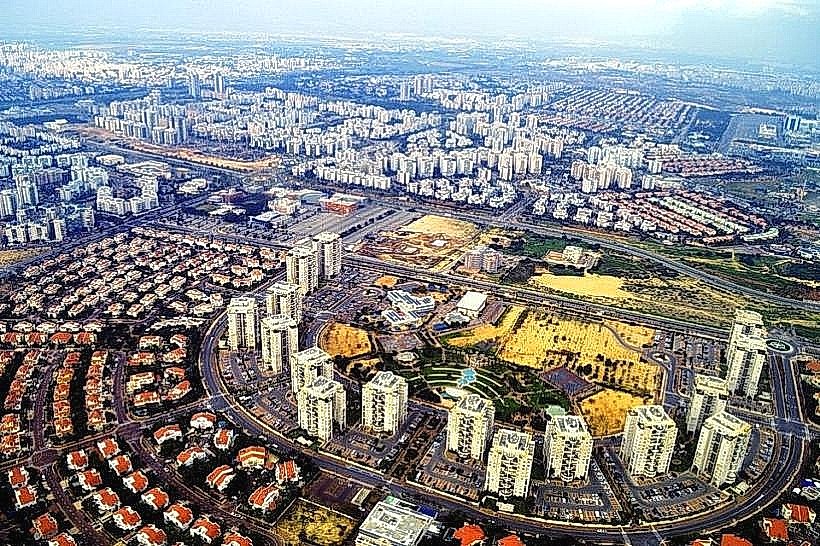
The population is approximately 9.9 million, with 93% residing in urban areas. GDP per capita is approximately $55,000 USD. The top three export commodities are cut diamonds, high-tech integrated circuits, and medical instruments. The labor market is primarily driven by the high-tech sector, which accounts for a significant portion of industrial R&D.
Visa & Entry Policy
Passport holders from the EU, US, and UK are granted visa-free entry for up to 90 days. Israel utilizes an Electronic Travel Authorization (ETA-IL) system for visa-exempt countries. Entry is strict; security interviews at Ben Gurion Airport are standard. Passports are not stamped; travelers receive a loose-leaf entry card.
Currency & Payment Systems
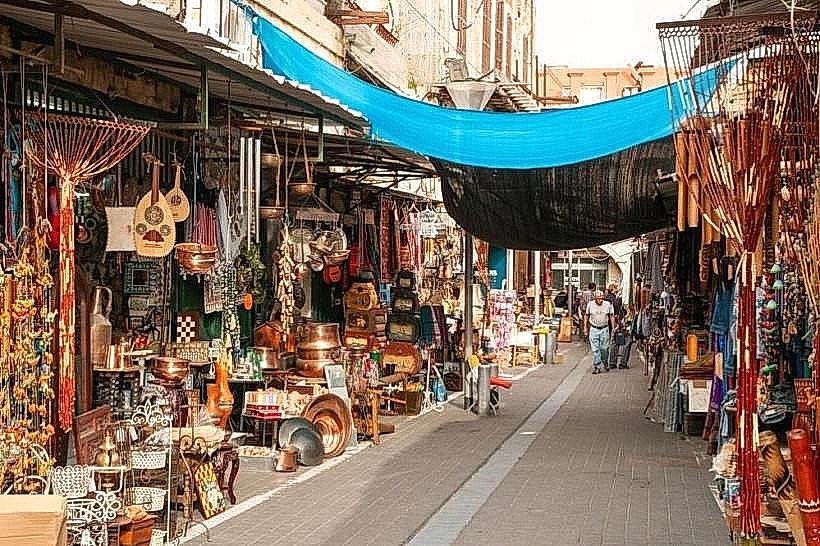
The currency is the Israeli New Shekel (ILS). Israel has a highly advanced digital payment culture where tap-to-pay and mobile apps are universal. While cash is used in traditional markets, ATMs are ubiquitous in both urban and rural areas.
National Transport Grid
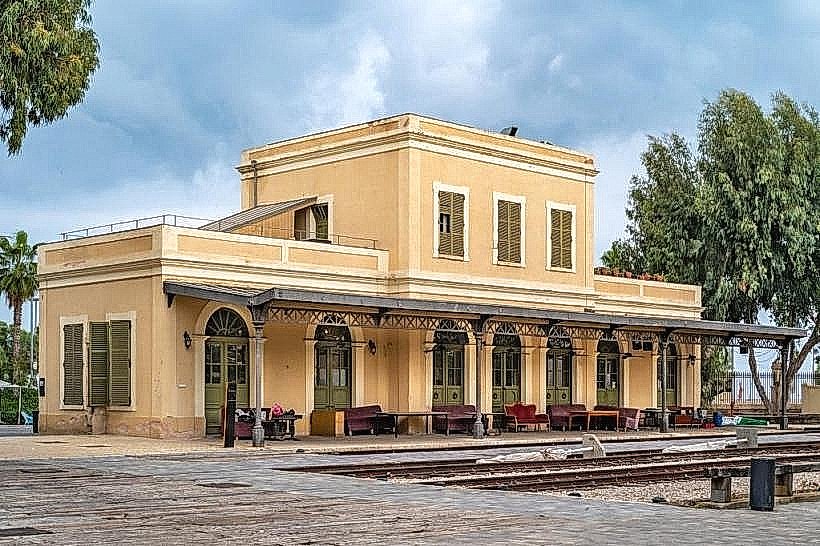
Intercity travel is facilitated by a rail network (Israel Railways) connecting the coast and major cities. The primary long-distance bus operators are Egged and Dan. Domestic flights operate between Tel Aviv and Eilat. Share taxis, known as monit sherut, operate on fixed routes including during Shabbat.
Digital Infrastructure
The primary mobile network providers are Cellcom, Partner, and Pelephone. 4G and 5G coverage is reliable in all populated regions, including the Negev desert and Galilee. Public Wi-Fi is standard in most municipal centers.
Climate & Seasonality
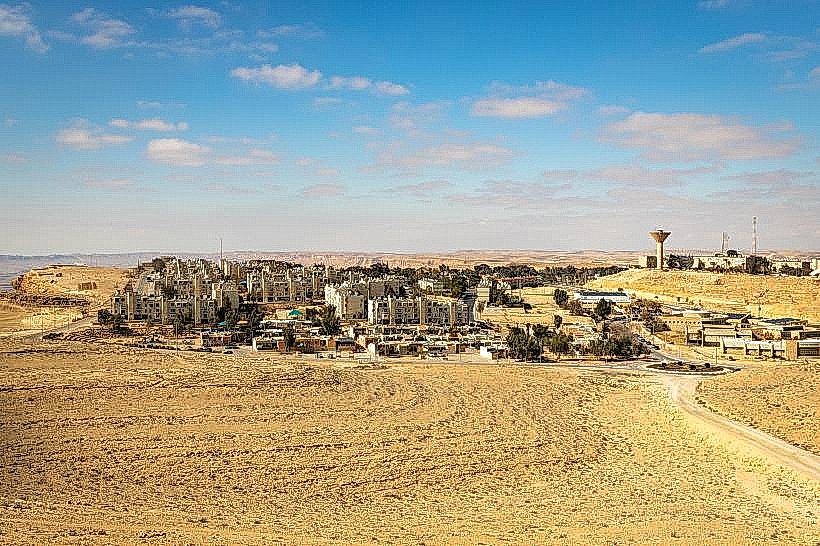
The climate is Mediterranean in the north and center, transitioning to arid in the south. There are two distinct seasons: a cool, rainy winter (October–April) and a hot, dry summer (May–September). The southern tip remains arid year-round.
Health & Safety
No mandatory vaccines are required for entry. Environmental risks include West Nile Virus and dehydration in desert regions. The emergency number for Police is 100, and 101 for Ambulance.
Top Major Regions & Cities
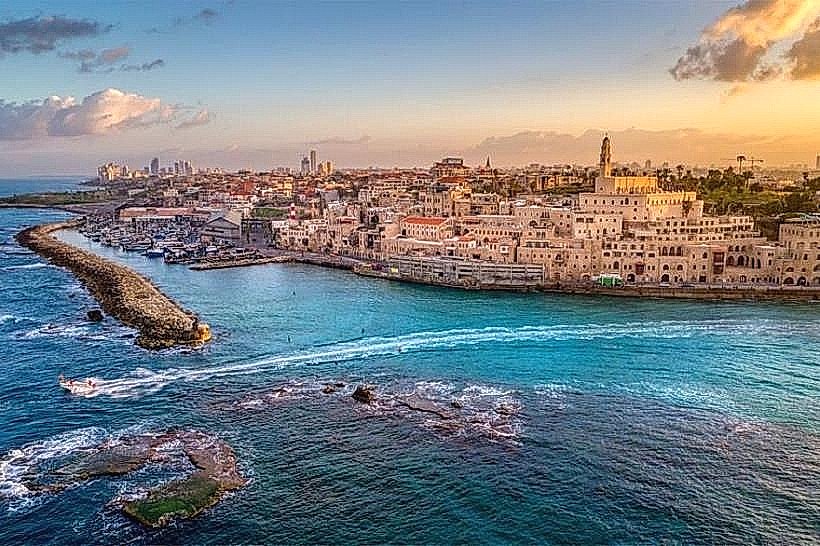
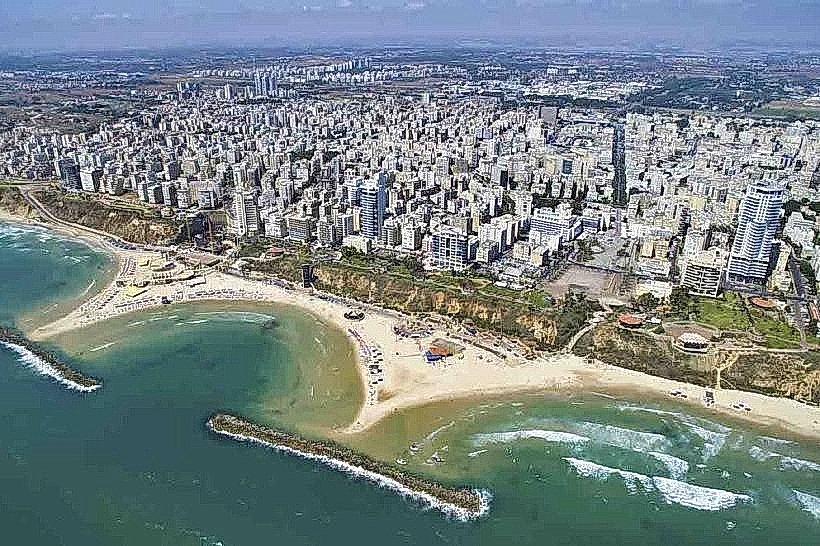
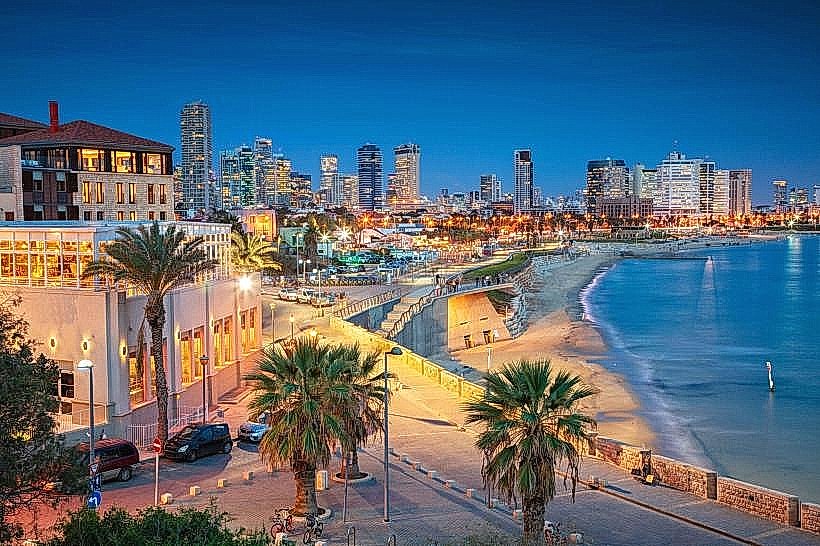
Central Coast: Tel Aviv
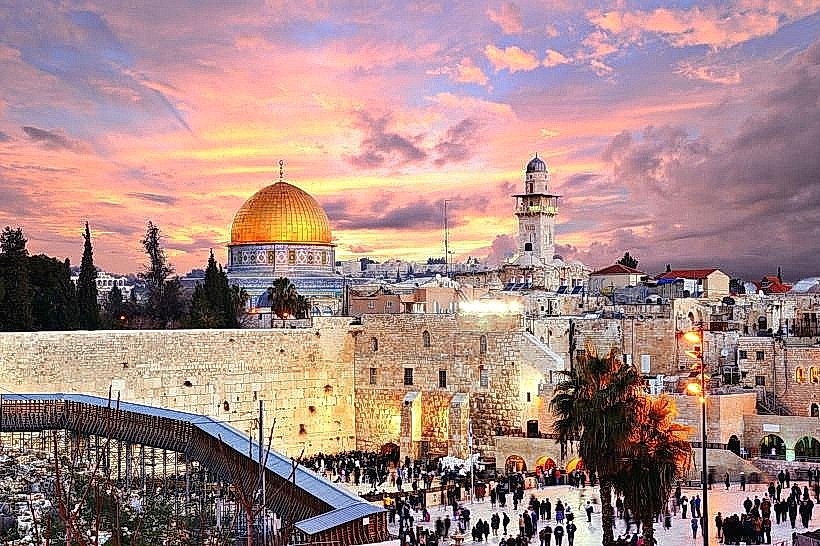
Judean Mountains: Jerusalem
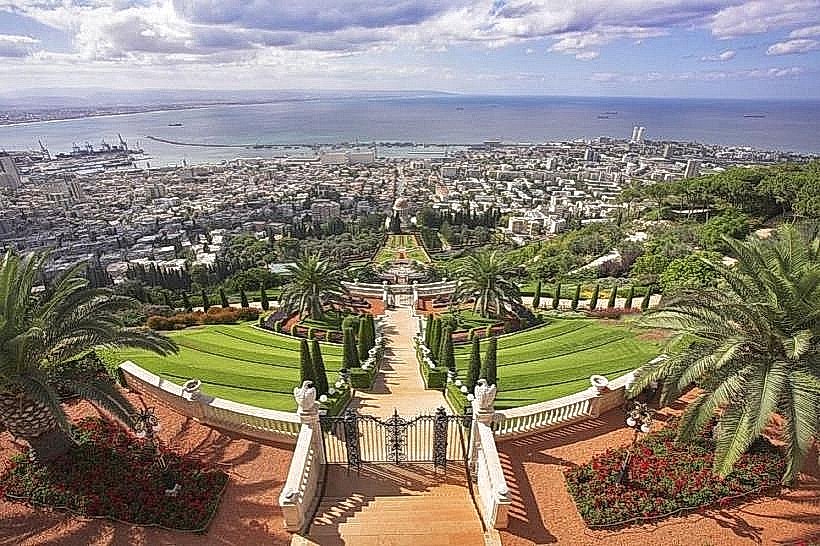
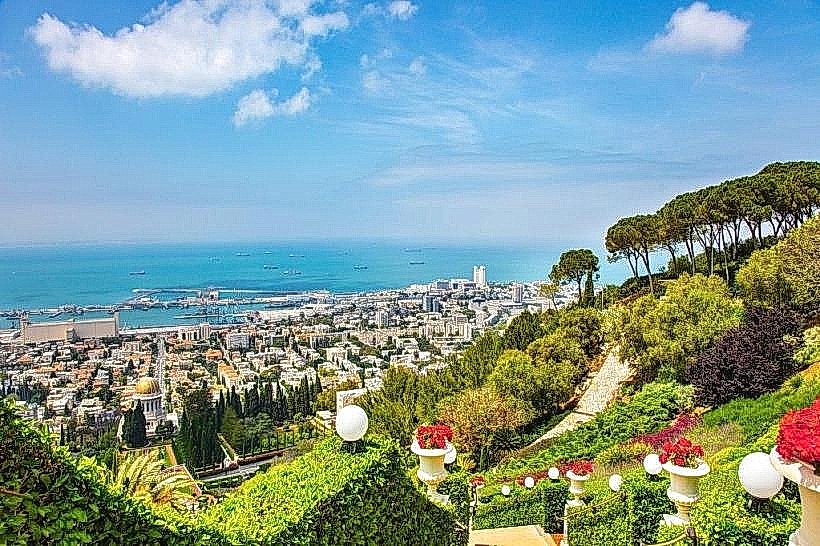
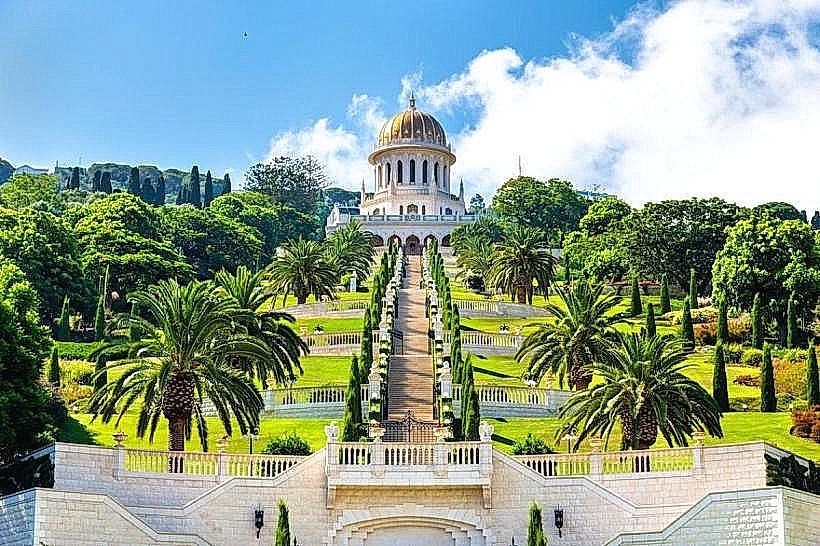
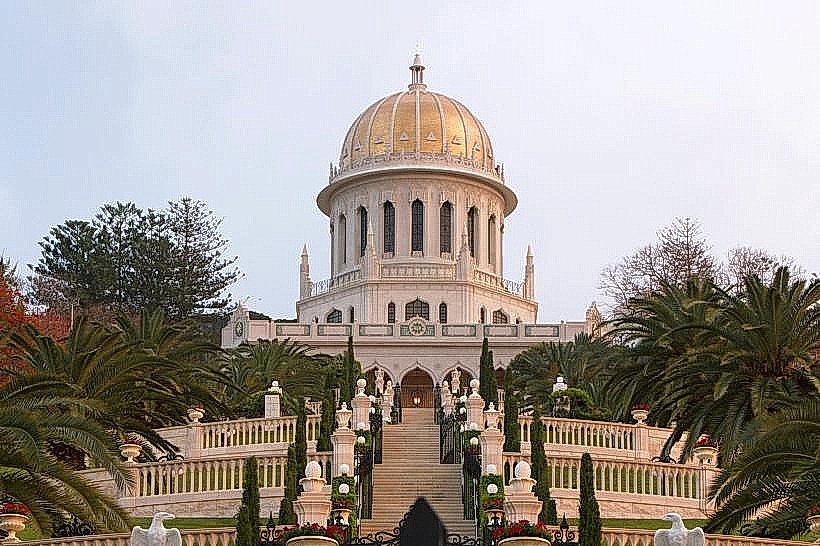
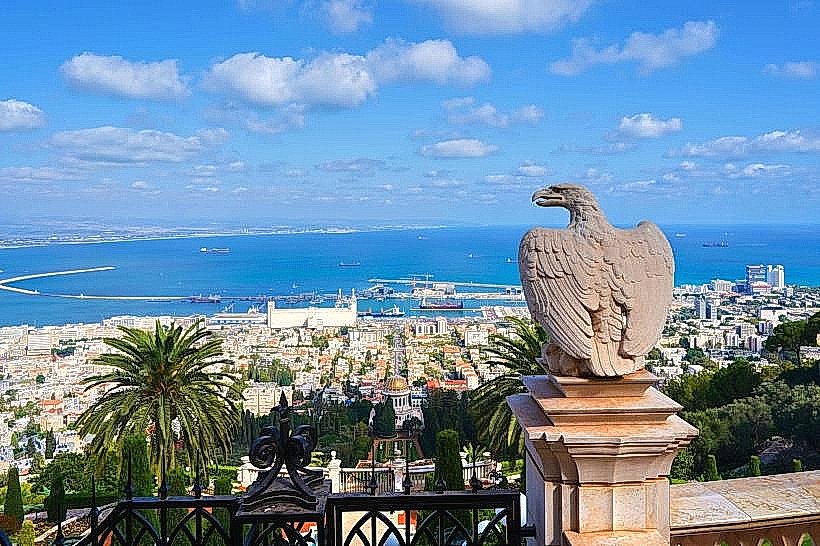
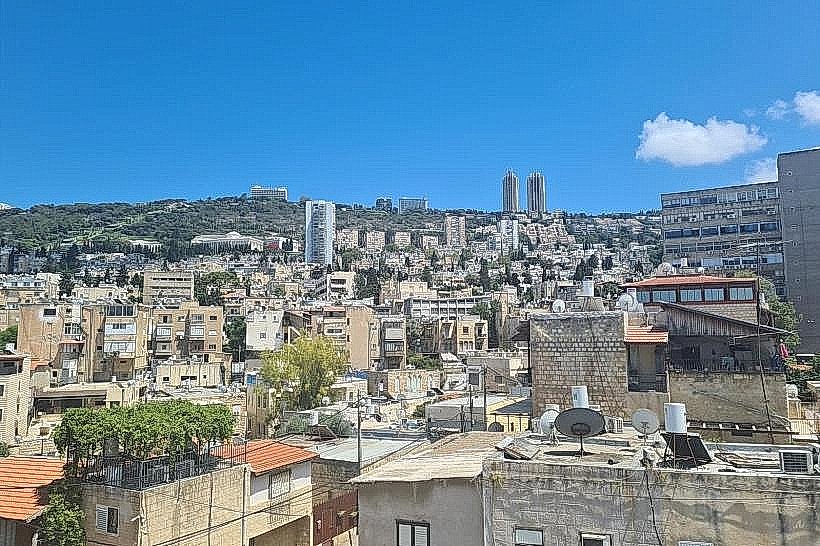
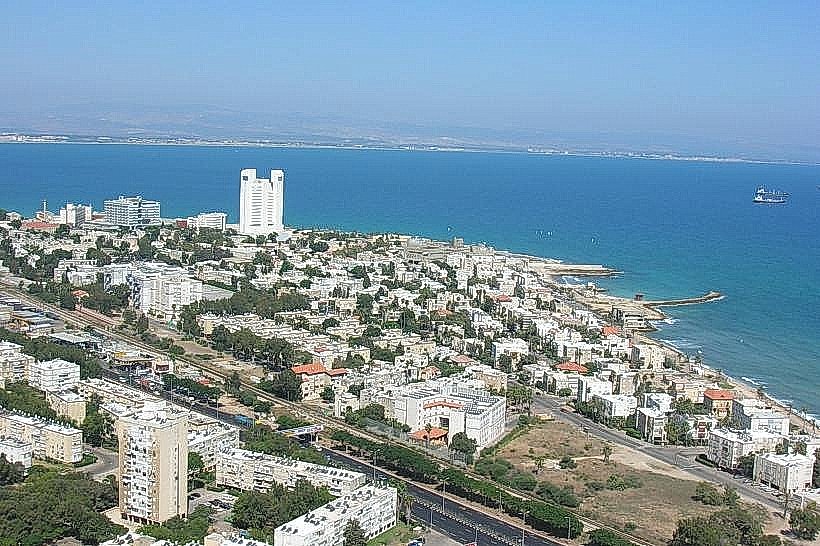
Northern District: Haifa
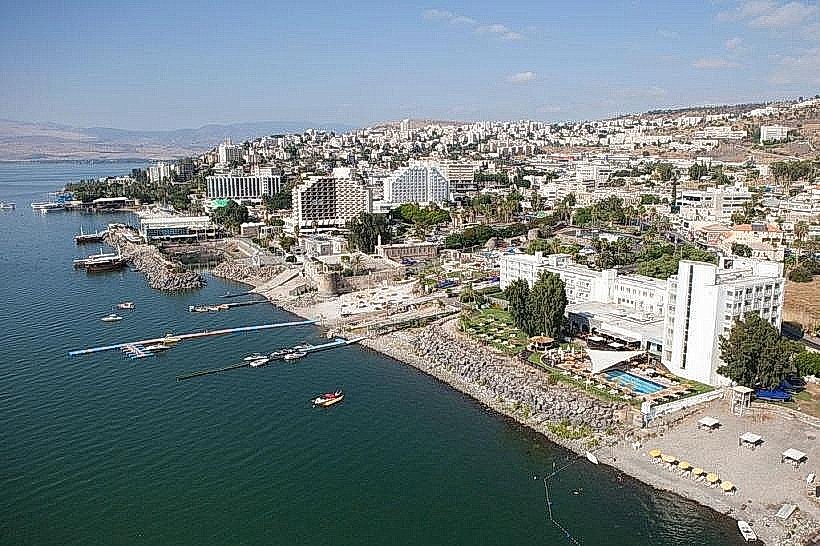
Galilee & Golan: Tiberias
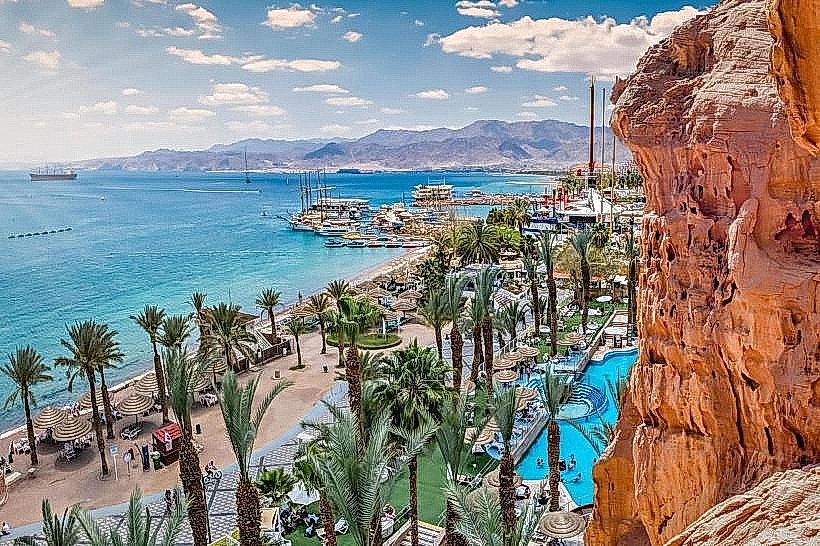
Southern Desert: Eilat
Local Cost Index
1L Water: ₪8.00 ($2.20 USD)
1 Domestic Beer (0.5L): ₪30.00 ($8.25 USD)
1 SIM Card (Data Plan): ₪60.00 ($16.50 USD)
Facts & Legends
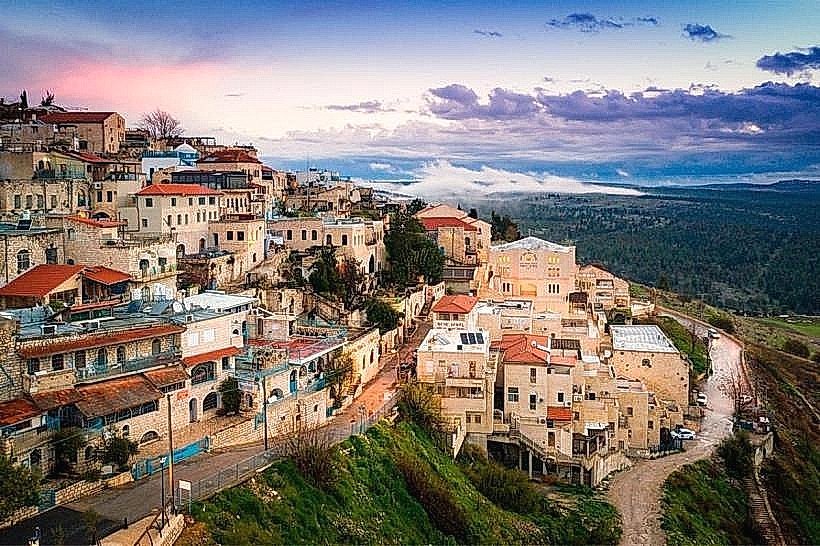
The Dead Sea, located at Israel's eastern border, is the lowest point on Earth's surface, sitting at approximately 430 meters below sea level. Local folklore includes the legend of the Golem of Safed, a clay protector said to have been animated by 16th-century kabbalists in the city’s mystical Old Quarter to defend the community during times of persecution.