City: Al Buraimi
Country: Oman
Continent: Asia
Al Buraimi, Oman, Asia
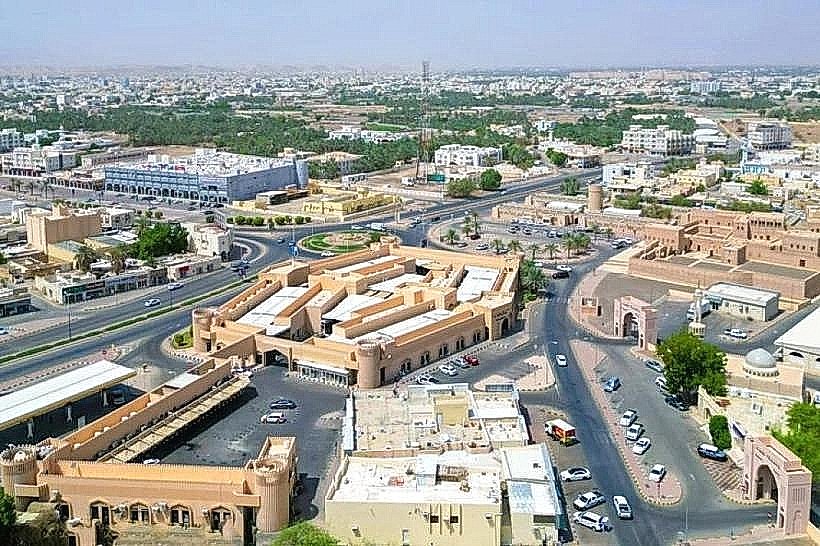
Al Buraimi is an inland governorate located in northwestern Oman, sharing a direct land border with the United Arab Emirates city of Al Ain to the west. The region is defined by its strategic border-crossing status and its historical oasis agriculture, with Al Buraimi City serving as the regional capital.
History & Culture
The region was a focal point of the "Buraimi Dispute" in the 1950s, a territorial conflict involving Oman, Saudi Arabia, and Abu Dhabi, which was eventually resolved in Oman's favor. Islam is the state religion, and the community is traditionally tribal with strong links to neighboring Emirati families. National Day on November 18th is the primary holiday. Social etiquette is highly traditional; visitors should dress conservatively and be aware that the border culture necessitates strict adherence to customs regulations.
Language & Communication
Arabic is the official language. English proficiency is medium, though higher in the hospitality and trade sectors due to the proximity to the UAE. The local dialect is a variation of Gulf Arabic, closely aligned with the Al Ain region of the Emirates.
Population & Economy
The population is approximately 122,000, with the majority concentrated in the urban center of Al Buraimi City. The top three export commodities are dates, copper, and construction materials. GDP per capita aligns with the national average of $25,000 USD. The primary industry driving the labor market is cross-border trade and logistics, followed by government services and small-scale agriculture.
Visa & Entry Policy
Entry follows Omani national policy, but its location on the UAE border adds complexity. EU, US, and UK passport holders are eligible for 14-day visa-free entry. Travelers entering from the UAE must pass through the Wadi Al Jizzi or Wadi Sa'a checkpoints. An E-Visa is required for stays exceeding 14 days. Strictness is high regarding visa stamps and vehicle insurance for border crossings.
Currency & Payment Systems
The currency is the Omani Rial (OMR), though the UAE Dirham (AED) is frequently accepted by local merchants due to the proximity to Al Ain. Card payments and tap-to-pay are common in supermarkets and malls. Cash is necessary for traditional souqs. ATMs are widely available in the city center.
National Transport Grid
Travel between cities is conducted via a modern road network. Mwasalat operates daily bus services connecting Al Buraimi to Muscat and Sohar. There is no rail network or domestic airport in the governorate; travelers often use the Al Ain International Airport (UAE) or Muscat International Airport for air travel.
Digital Infrastructure
Omantel and Ooredoo are the primary providers. 5G and 4G coverage is excellent within the city and along the border zones. Signal strength is reliable until moving deep into the desert plains toward the Empty Quarter.
Climate & Seasonality
The climate is hyper-arid. Summers are extremely hot, with temperatures often exceeding 48°C. The dry season from October to April is the only period with temperate weather. Rainfall is minimal, occurring mostly in short winter bursts that can cause sudden wadi flooding.
Health & Safety
No mandatory vaccines are required. Heat exhaustion is the most significant environmental risk. Travelers must exercise caution when driving in desert areas to avoid getting stuck in soft sand. The emergency number for all services is 9999.
Top Major Regions & Cities
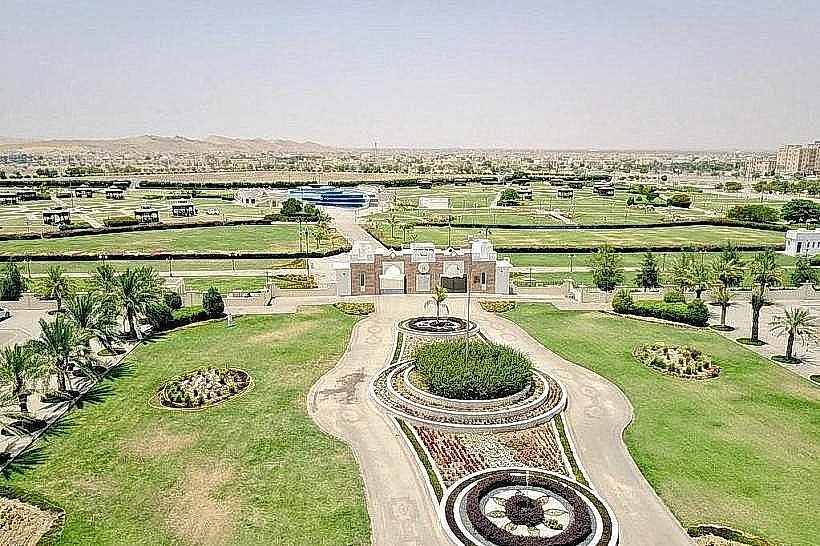
Al Buraimi City Center: The primary commercial and administrative hub located adjacent to the UAE border.
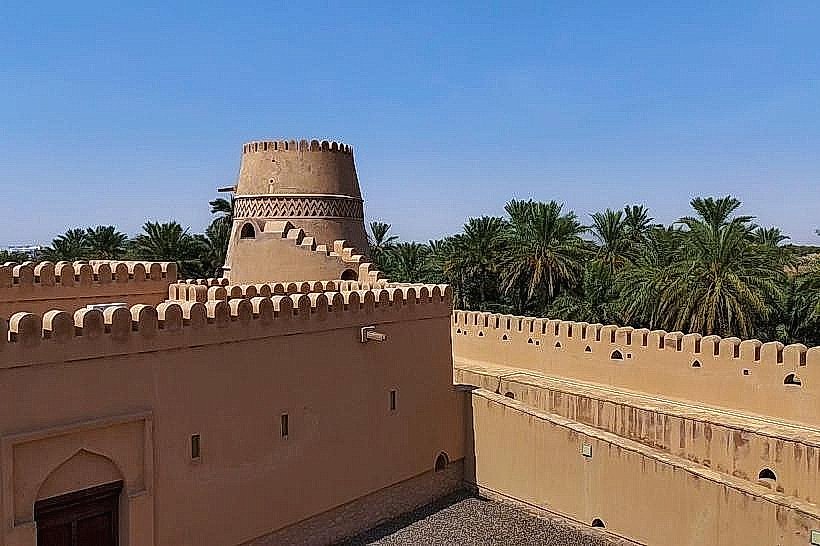
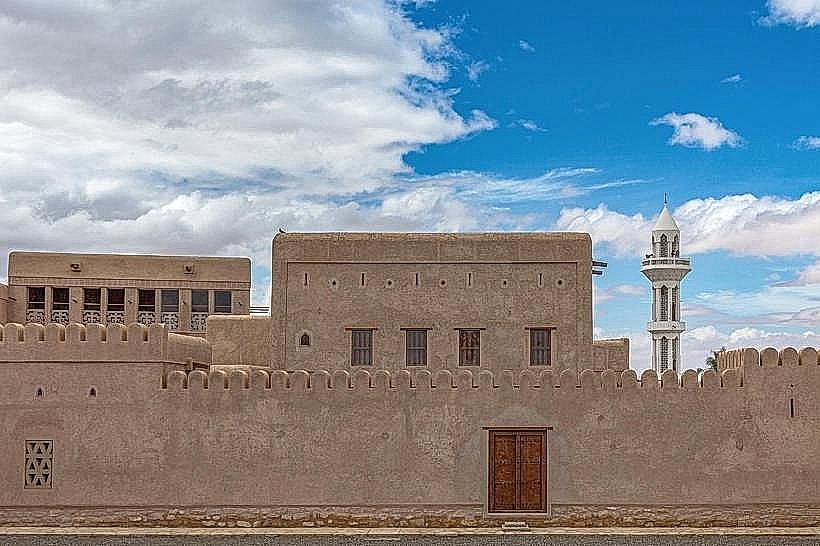
Al Khandaq Fort: A historical hub and the city's most significant architectural landmark.
Al Hilla Fort: A secondary historical hub located in the heart of the oasis.
Mahdah: A rural mountainous region to the east of the city known for its rugged terrain and traditional villages.
Local Cost Index
1L Water: 0.200 OMR ($0.52 USD)
1 Domestic Beer: Not available; Al Buraimi is a "dry" governorate with no licensed public alcohol outlets.
1 Sim Card (10GB Data): 5.000 OMR ($13.00 USD)
Facts & Legends
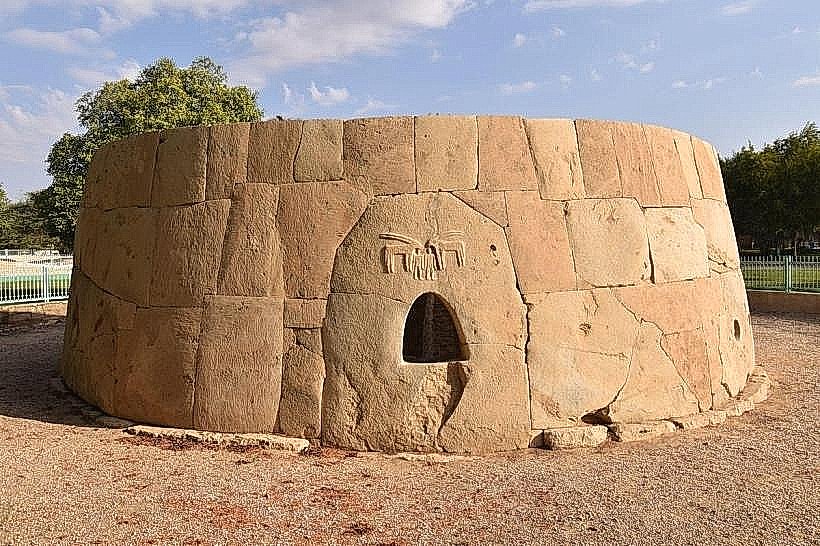
Al Buraimi is home to the Al Khandaq Fort, which is unique for its "dry moat" system, a rare architectural feature in Omani desert fortifications. Local legend speaks of the "Lost Oasis," a hidden grove deep in the nearby sands that only appears to travelers who have lost their way, offering them water before vanishing back into the dunes.