Country: Oman
Continent: Asia
Oman, Asia
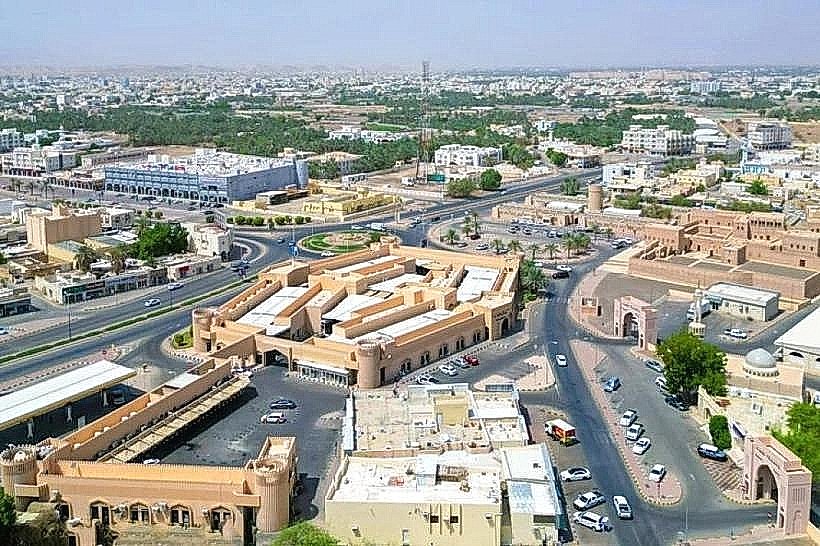
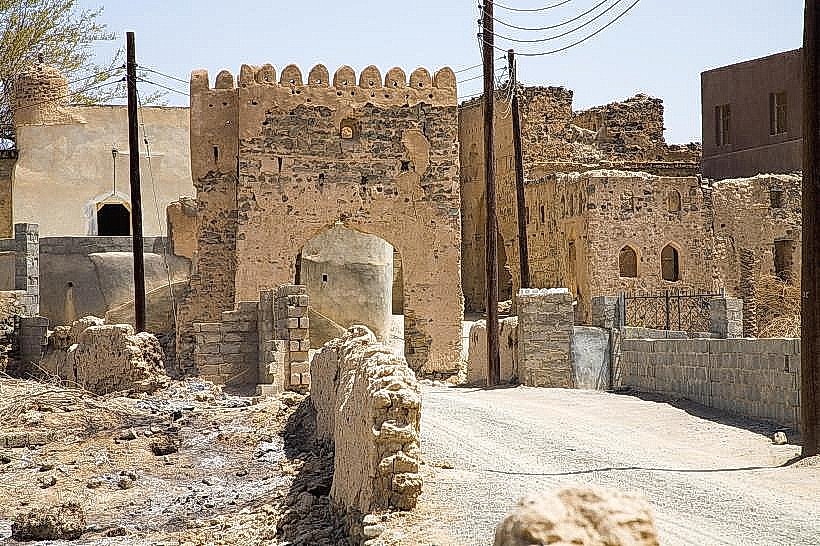
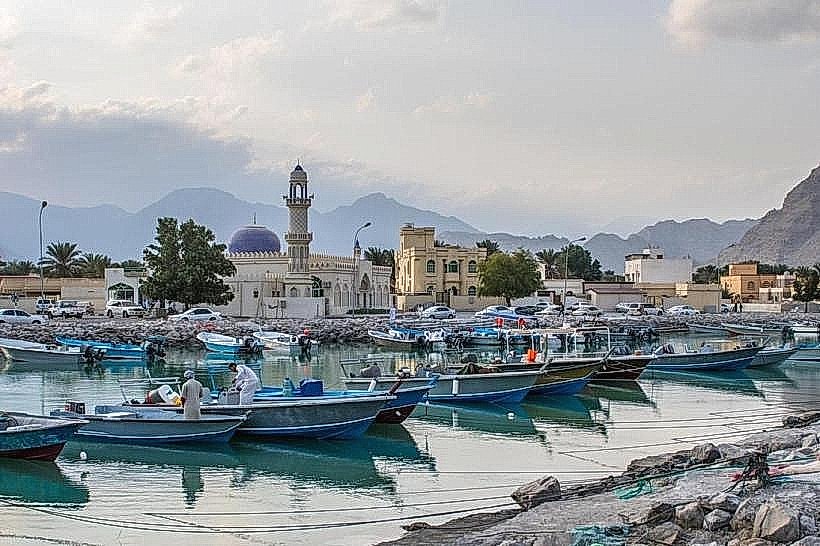
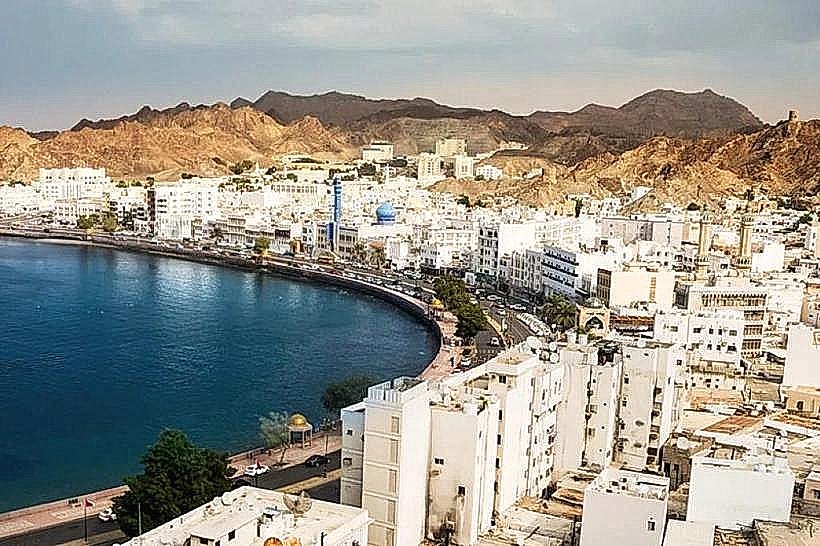
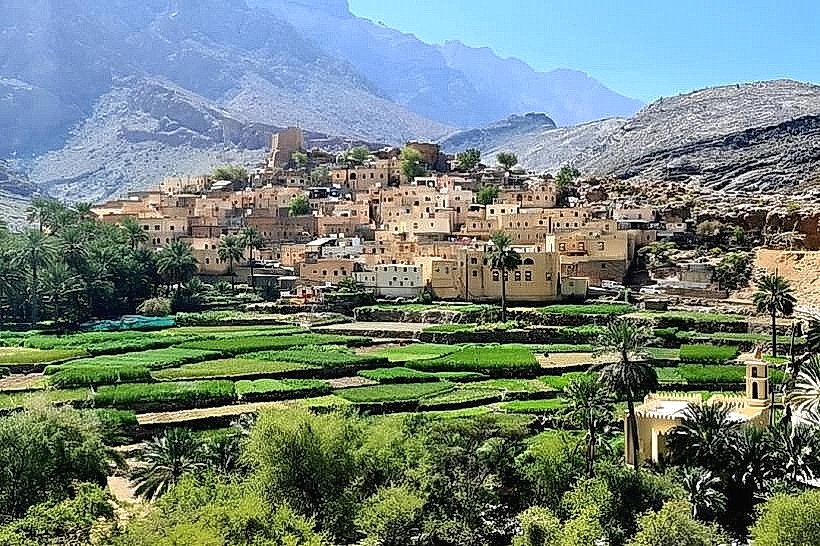
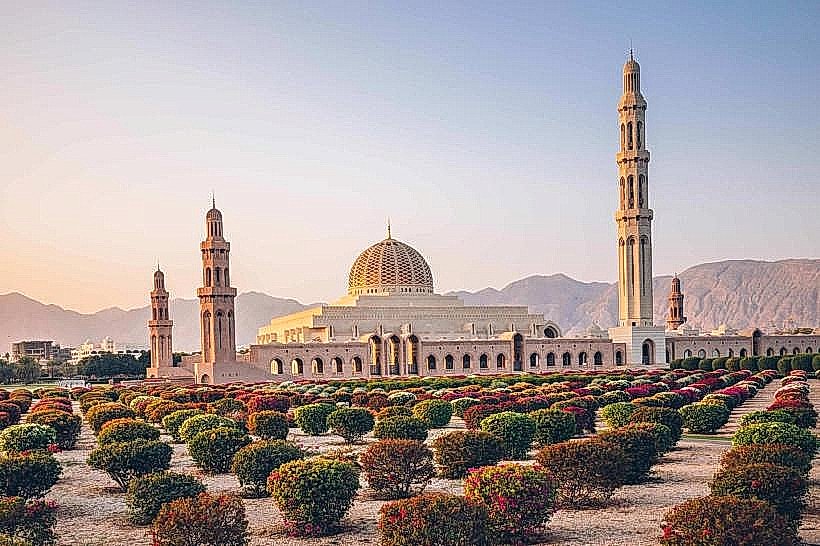
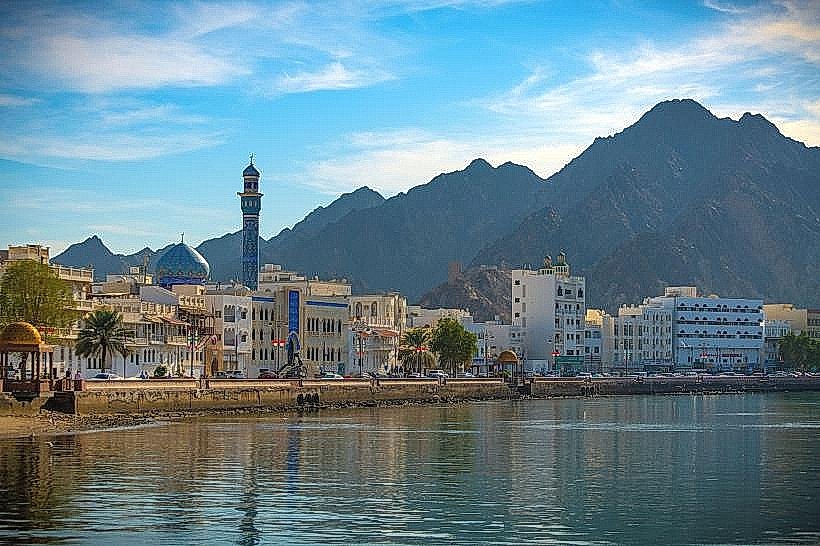
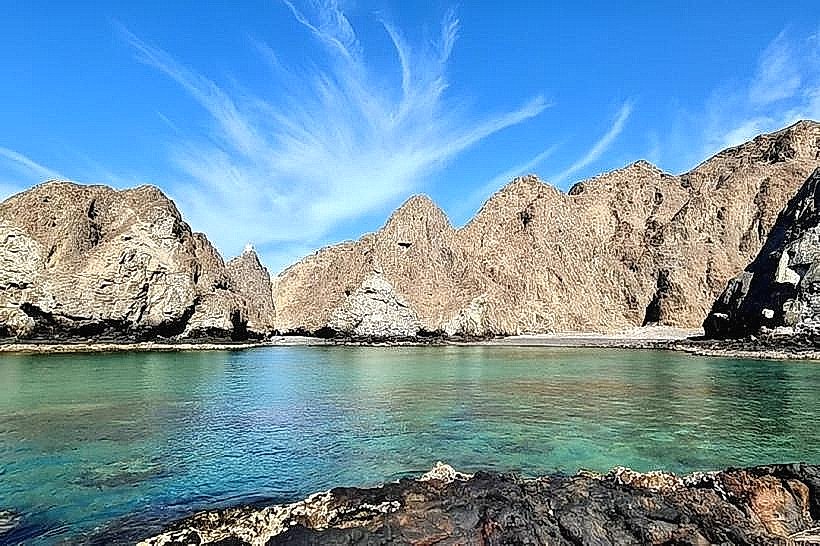
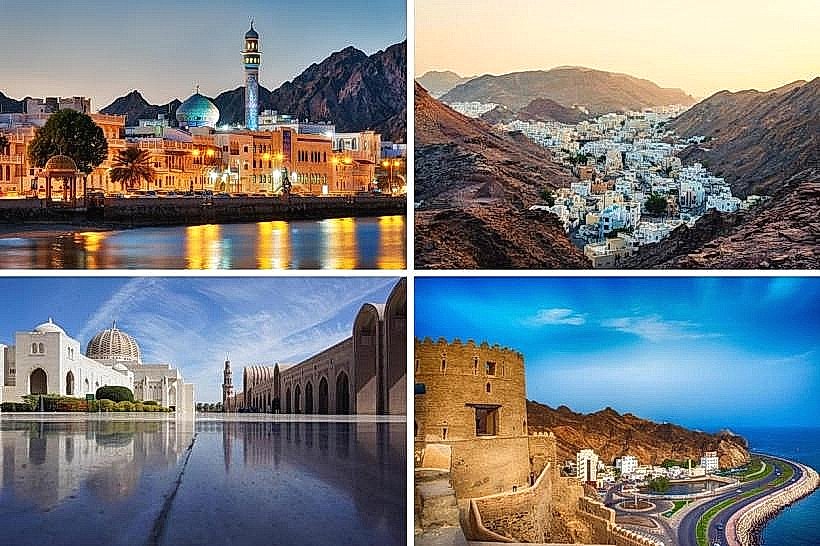
Oman occupies the southeastern coast of the Arabian Peninsula, bordering the United Arab Emirates to the northwest, Saudi Arabia to the west, and Yemen to the southwest. The country is defined by its strategic position at the mouth of the Persian Gulf and its varied topography consisting of desert plains and the Al Hajar mountain range, with Muscat serving as the capital city.
History & Culture
Oman gained formal independence from Portuguese influence in 1650 and has remained a sovereign state since. The modern political era began with the Renaissance in 1970 under Sultan Qaboos bin Said, transitioning the nation into a modernized sultanate. Islam is the state religion, with the majority practicing Ibadism. National Day, celebrated on November 18th, marks the most significant holiday. Social etiquette requires modest dress covering shoulders and knees, and public displays of affection are prohibited.
Language & Communication
Arabic is the official language. English proficiency is high in urban centers and the business sector but decreases in rural interior regions. Balochi and Swahili are dominant local dialects in specific coastal and southern communities.
Population & Economy
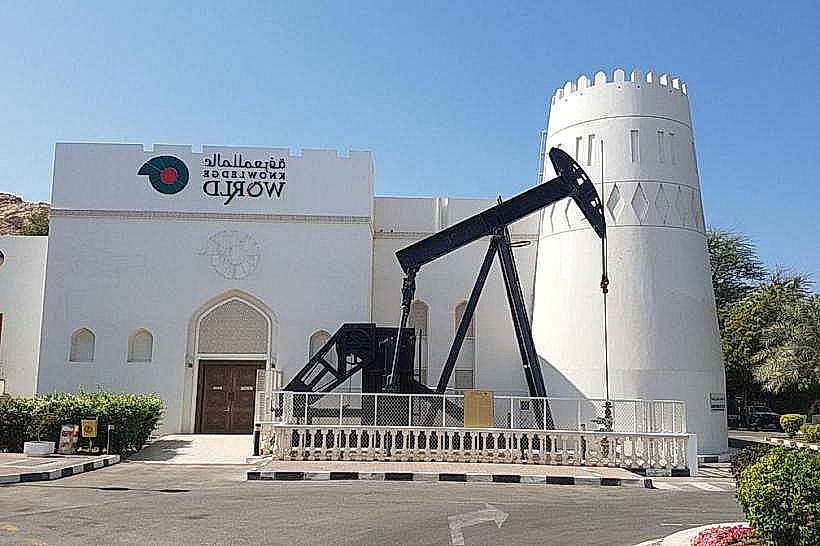
The population is approximately 5.2 million, with roughly 87% residing in urban areas. The top three export commodities are crude petroleum, natural gas, and refined petroleum. GDP per capita is approximately $25,000 USD. The labor market is primarily driven by the oil and gas industry, followed by a growing logistics and tourism sector.
Visa & Entry Policy
Citizens from over 100 countries, including the EU, US, and UK, can enter Oman visa-free for up to 14 days. For longer stays, an E-Visa system is the standard application method. Visa on Arrival is largely phased out in favor of the online portal. Entry enforcement is strict regarding passport validity (minimum 6 months) and proof of return travel.
Currency & Payment Systems
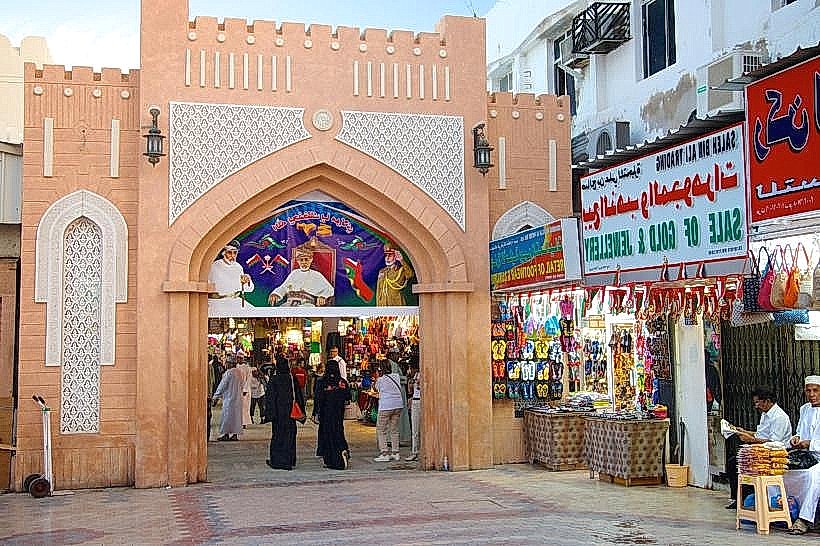
The currency is the Omani Rial (OMR). Card payments and tap-to-pay are universal in Muscat and major towns, though cash is required for traditional souqs and remote desert camps. ATM availability is high in all settled areas but scarce in the Empty Quarter and deep wadis.
National Transport Grid
Intercity travel relies almost exclusively on a modern road network; there is no passenger rail system. Mwasalat operates a reliable long-distance bus network connecting major hubs. Domestic flights via Oman Air or SalamAir are common for travel between Muscat and Salalah.
Digital Infrastructure
The primary mobile network providers are Omantel and Ooredoo. 5G coverage is consistent in Muscat and Salalah, while 4G is reliable along major highways. Signal strength drops significantly in deep mountain canyons and remote desert regions.
Climate & Seasonality
The climate is hot and arid, with the north experiencing desert conditions and the south (Dhofar) experiencing a tropical monsoon climate. The dry season runs from October to April. The "Khareef" (wet season) specifically affects the south from June to September.
Health & Safety
No mandatory vaccines are required for entry unless traveling from a Yellow Fever risk zone. Malaria risk is negligible, but heat exhaustion is a significant environmental risk. The emergency number for Police and Ambulance is 9999.
Top Major Regions & Cities
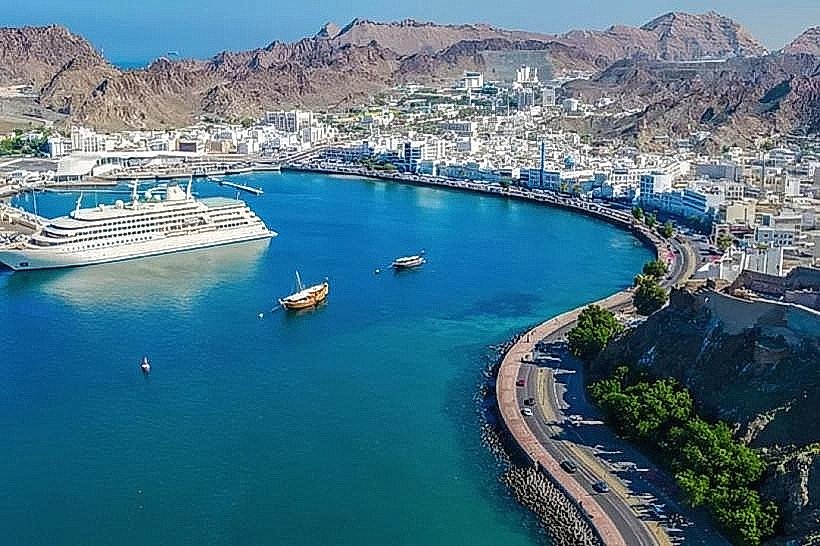
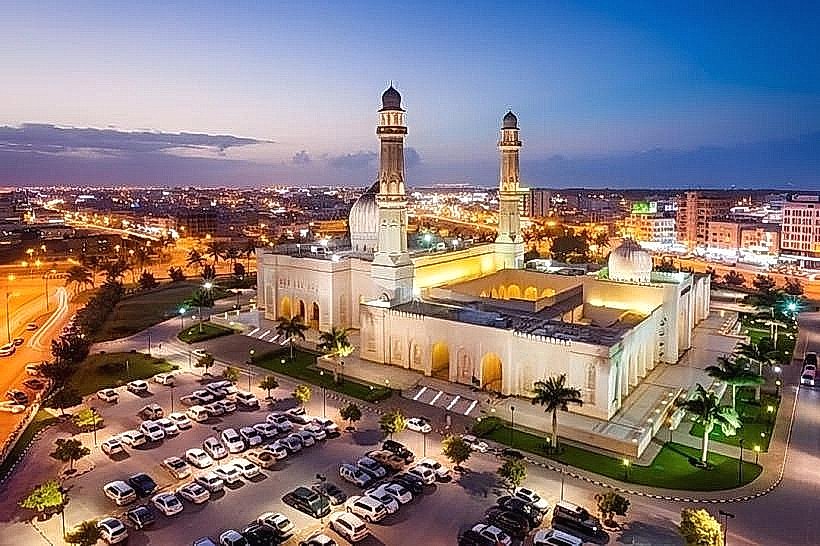
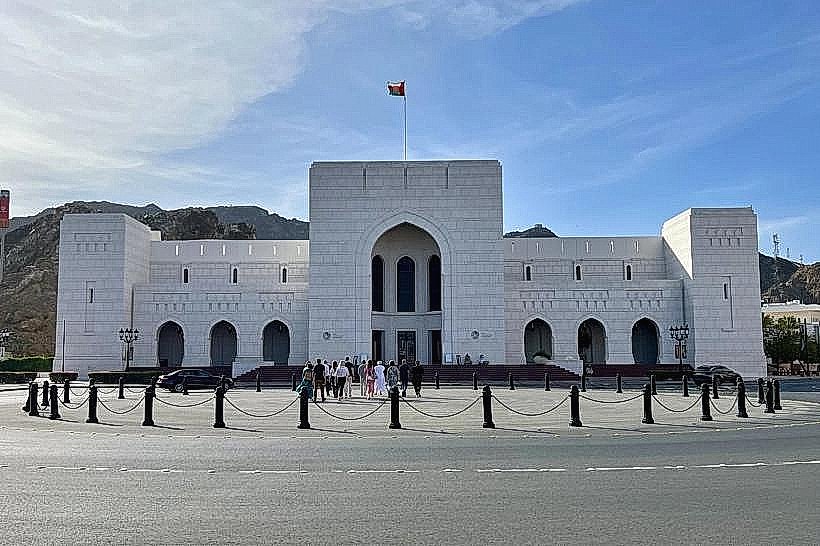
Muscat Governorate: Hub for commerce and the primary entry point via Muscat International Airport.
Dhofar Governorate: The southern hub centered around the city of Salalah, known for the seasonal monsoon.
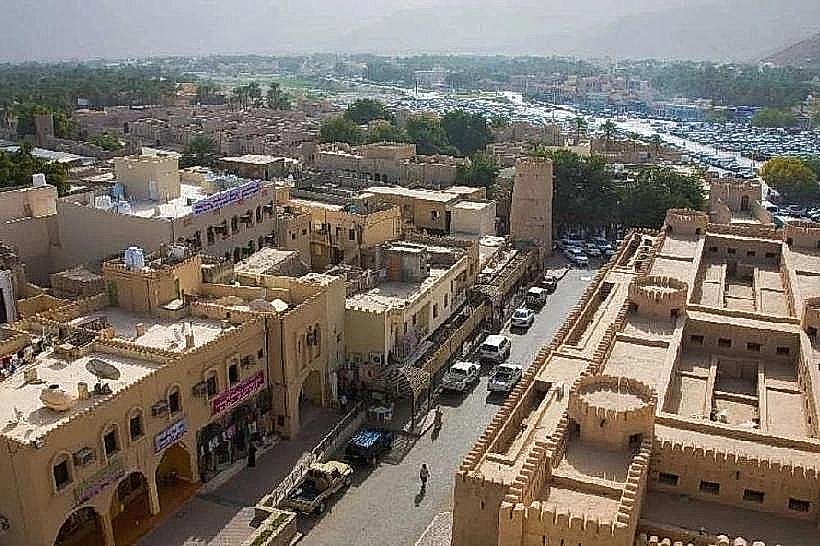
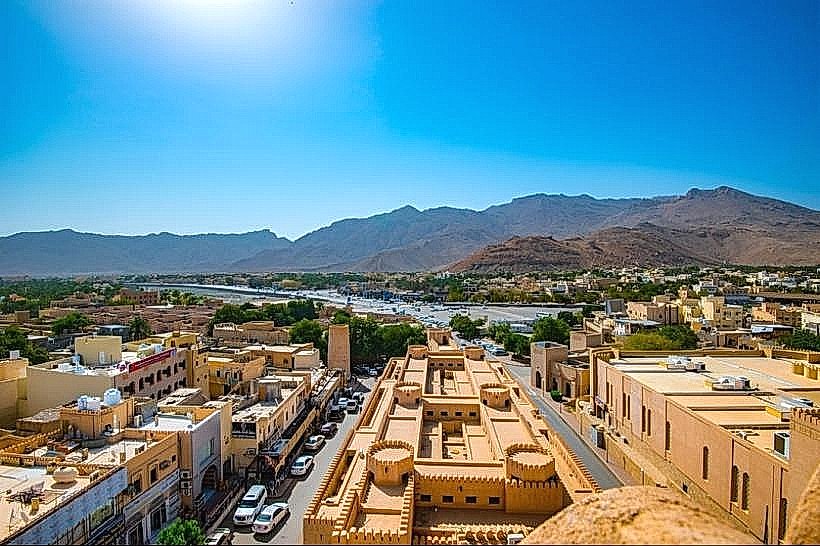
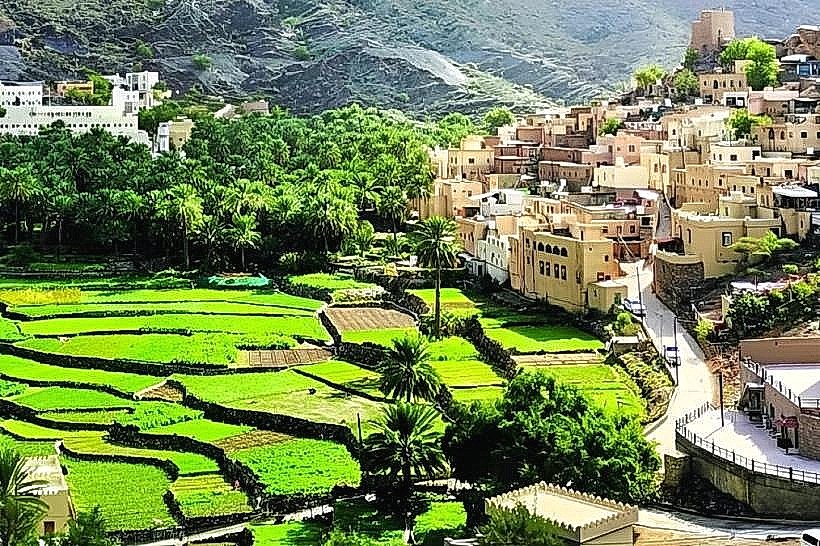
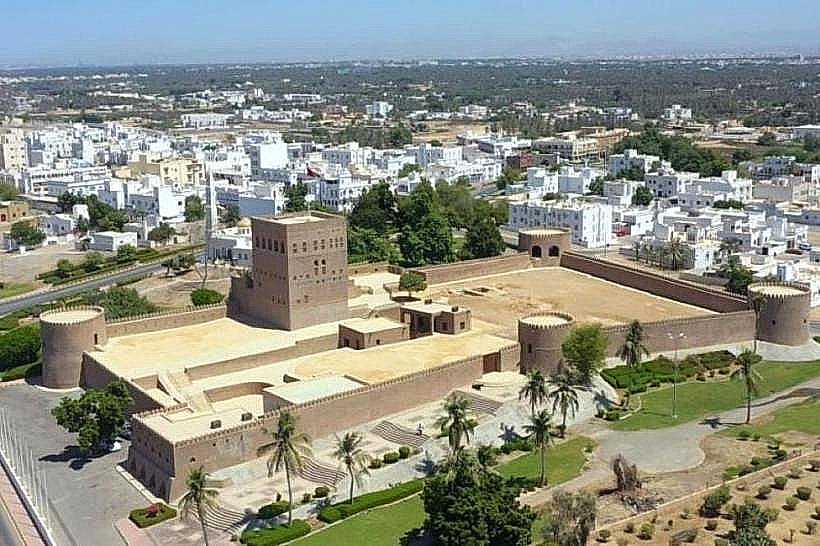
Al Dakhiliyah: The interior mountainous region with Nizwa as the central hub for historic forts.
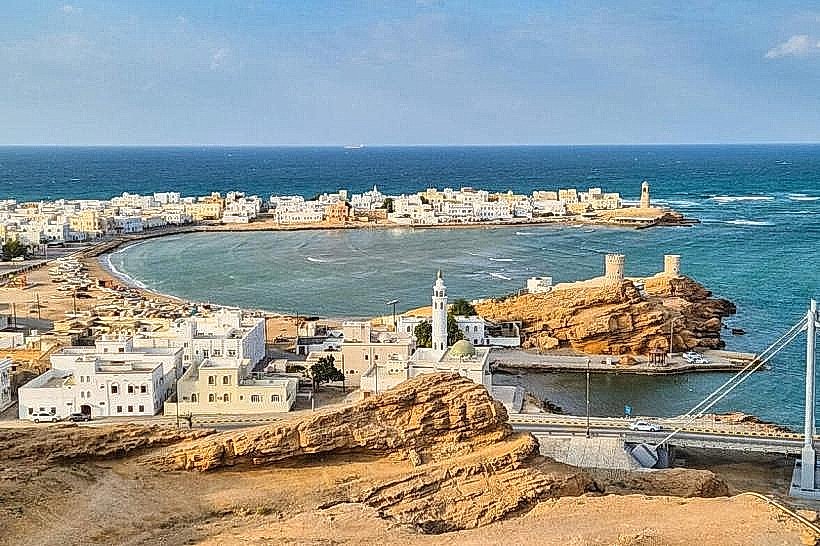
Ash Sharqiyah: The coastal and desert region with Sur as the primary hub for maritime history and turtle nesting.
Local Cost Index
1L Water: 0.200 OMR ($0.52 USD)
1 Domestic Beer: 4.000 OMR ($10.40 USD) - Note: Only available in licensed hotels/restaurants.
1 Sim Card (10GB Data): 5.000 OMR ($13.00 USD)
Facts & Legends
Oman is home to the legendary "Atlantis of the Sands," the lost city of Ubar. Long considered a myth, satellite imagery in the early 1990s helped locate the ruins of a frankincense trading hub in the Dhofar desert that had collapsed into a limestone cavern centuries ago.