Information
City: Ann ArborCountry: USA Michigan
Continent: North America
Ann Arbor, USA Michigan, North America
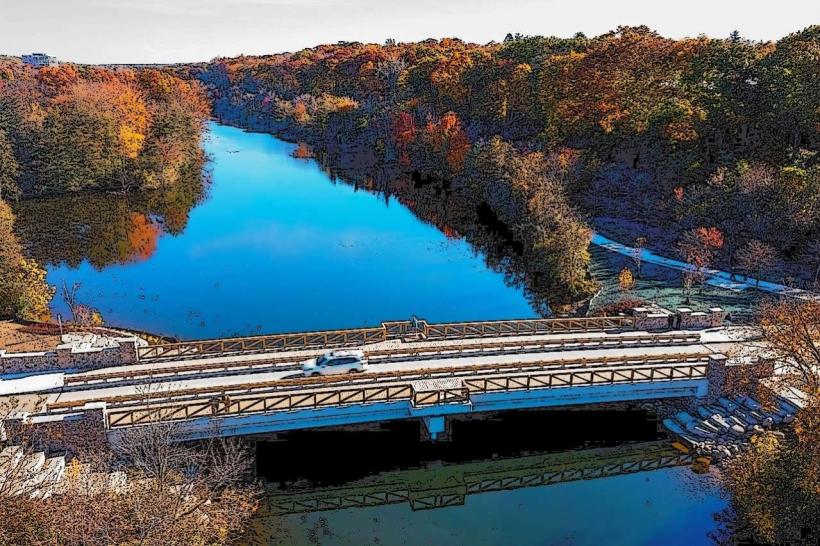
Ann Arbor serves as the county seat of Washtenaw County and is the primary anchor of the western Greater Detroit area. It is situated on the Huron River, approximately 70 km west of Detroit. The city's identity and economy are defined by the University of Michigan (U-M).
Historical Timeline
Founded in 1824 by John Allen and Elisha Rumsey, the city was named after their wives (both named Ann) and the dense stands of bur oak trees (arbors) on the site. Primary governance eras include as the site for the University of Michigan in 1837 and its 20th-century development into a global center for research, medicine, and political activism. A critical historical event was the 1960 speech by John F. Kennedy on the steps of the Michigan Union, where he first proposed the formation of the Peace Corps.
Demographics & Population
The population is approximately 124,000. The demographics are White (66%), Asian (17%), Black or African American (7%), and Hispanic or Latino (5%). The median age is 27.5 years, a figure reflecting the heavy concentration of undergraduate and graduate students.
Urban Layout & Key Districts
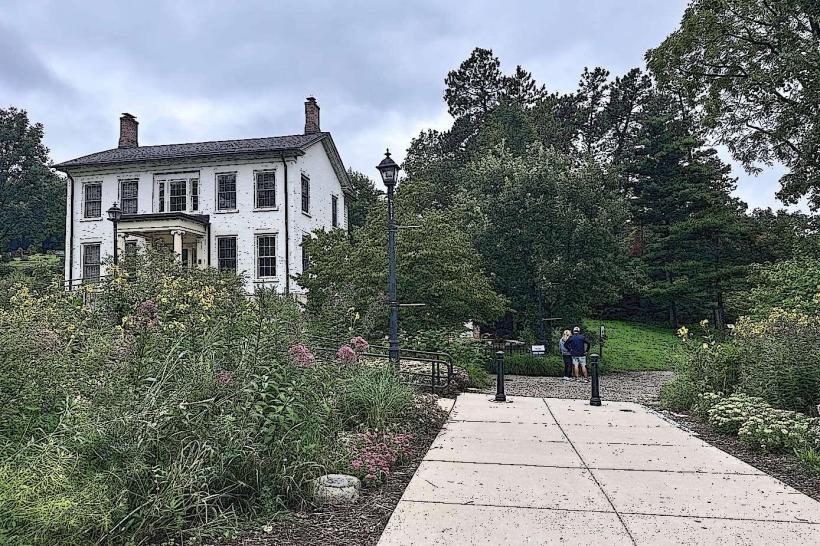
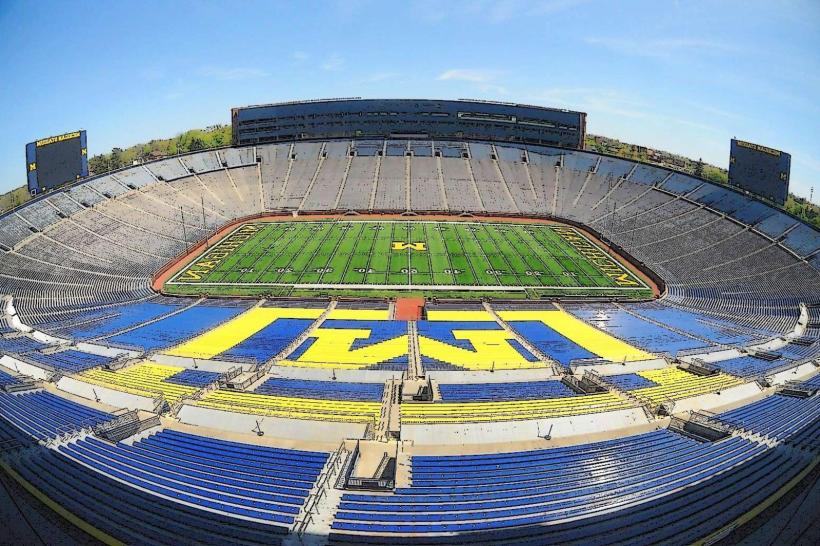
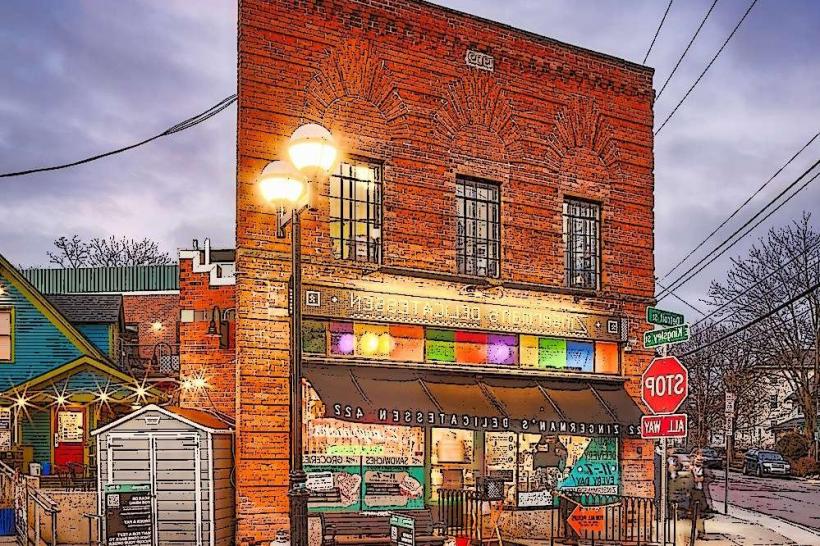
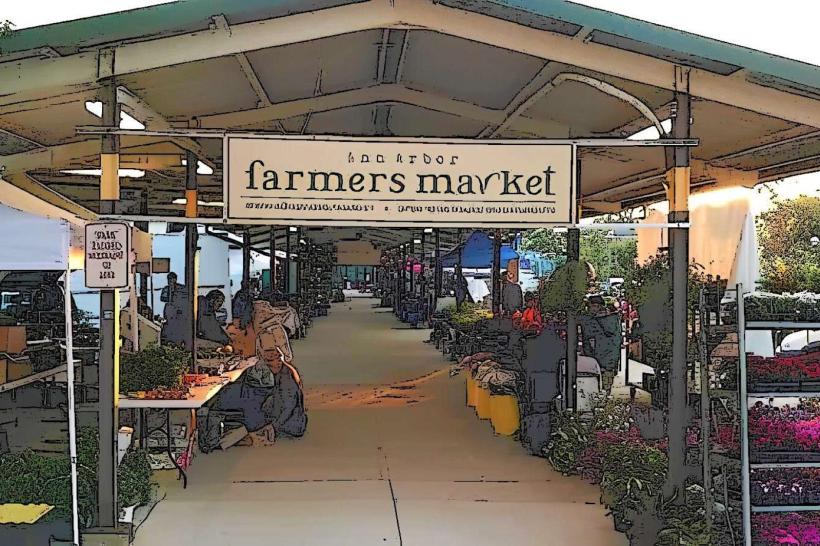
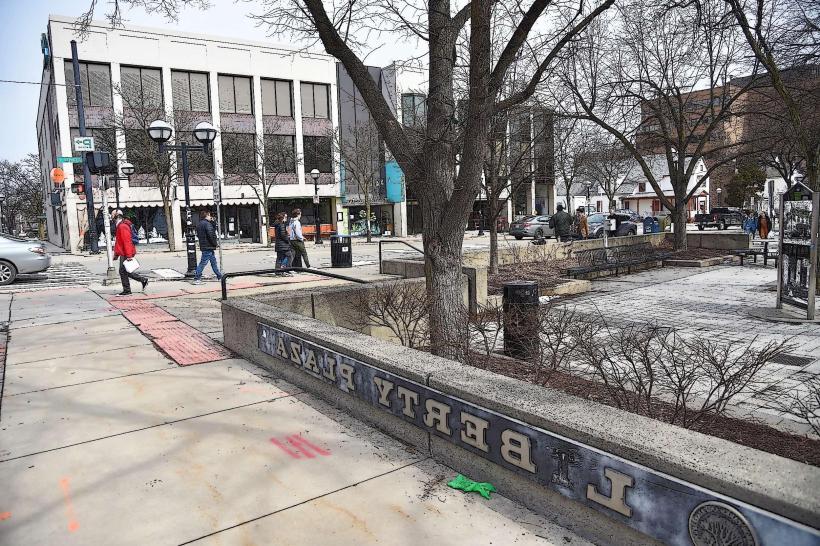
The city is organized on a modified grid centered on the university's Central Campus. Downtown is the center for independent retail and dining, specifically along Main Street and Liberty Street. The Kerrytown District features historic architecture, the Farmers Market, and a distinct artisanal atmosphere. The Old West Side is a preserved 19th-century residential neighborhood. South State Street serves as the primary gateway to the university's athletic complex and Michigan Stadium.
Top City Landmarks
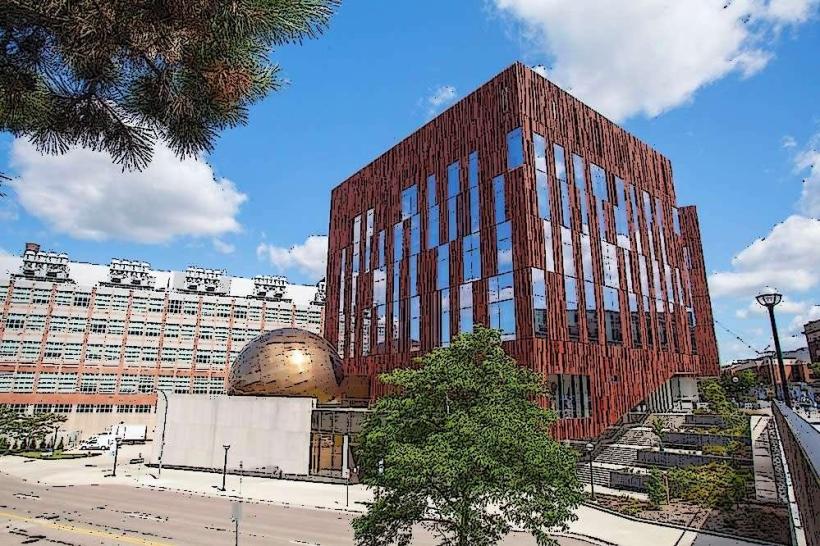
University of Michigan (Central Campus)
Michigan Stadium ("The Big House")
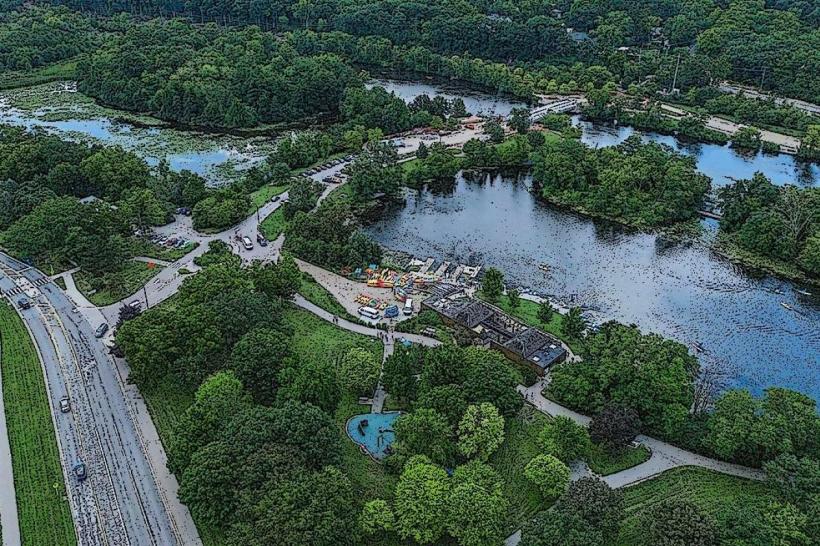
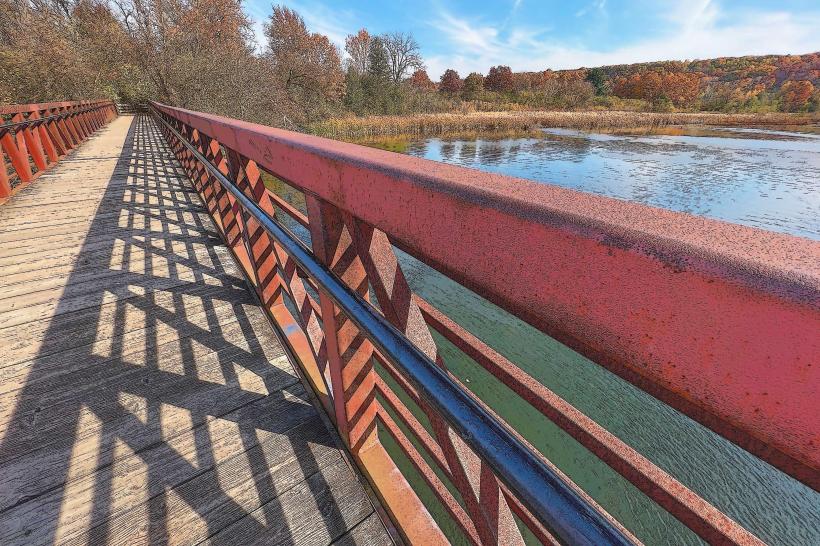
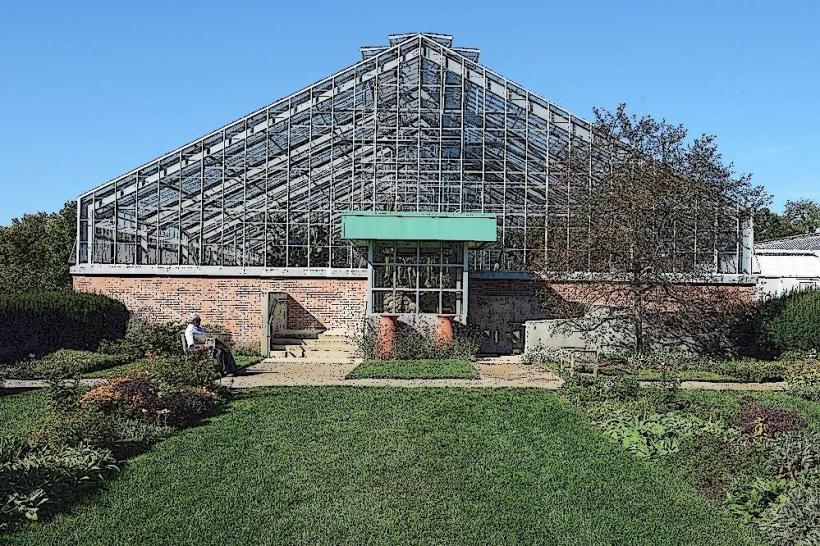
Matthaei Botanical Gardens & Nichols Arboretum ("The Arb")
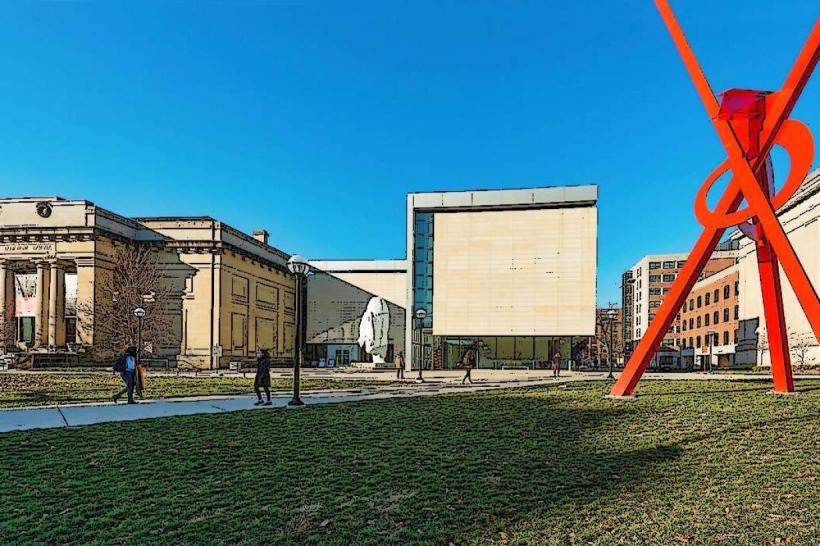
University of Michigan Museum of Art (UMMA)
Transportation Network
Movement is serviced by TheRide (Ann Arbor Area Transportation Authority). The city is a major stop on Amtrak's Wolverine line (Chicago–Detroit–Pontiac). It is connected via I-94 and US-23. Detroit Metropolitan Airport (DTW) is located 40 km to the east. Ride-sharing via Uber and Lyft is highly active. Traffic density is high, particularly on Washtenaw Avenue and near the university hospitals (Michigan Medicine).
Safety & "Red Zones"
The general safety level is very high. Property crime, specifically bicycle theft and vehicle break-ins, is the primary issue. There are no recognized "red zones," though caution is advised in high-density student housing areas on the South University corridor during late-night weekend hours. Common scams involve fraudulent seasonal sub-leasing listings and unauthorized "game day" parking on private lawns.
Digital & Financial Infrastructure
Internet speeds average 400 Mbps with fiber-optic availability via AT&T and Comcast. Main mobile carriers are Verizon, AT&T, and T-Mobile. Card and mobile payment acceptance is universal. ATMs are concentrated on State Street and within the Michigan Union.
Climate & Air Quality
Temperatures range from -8°C to 0°C in winter and 18°C to 28°C in summer. Air quality is consistently high. Specific weather risks include heavy snowfall and extreme humidity in late summer.
Culture & Social Norms
The standard tipping percentage is 18–25%. A handshake is the standard greeting. Dress codes are "Academic-Casual." Smoking is prohibited in all public indoor spaces and across the entire University of Michigan campus. The city is culturally defined by progressive politics, literature, and "Maize and Blue" collegiate athletics.
Accommodation Zones
Downtown / Central Campus: Recommended for walking access to the university, independent bookstores, and local nightlife.
Briarwood / I-94: Recommended for national hotel chains, suburban retail, and proximity to Michigan Stadium.
Local Cost Index
1 Espresso: $4.75 (USD)
1 Standard Lunch: $18.00 (USD)
1 Bus Fare: $1.50 (USD)
Nearby Day Trips
Dexter / Huron-Clinton Metroparks (15 km)
Detroit (70 km)
Henry Ford Museum (Dearborn) (55 km)
Chelsea, MI (Jiffy Mix Factory) (25 km)
Facts & Legends
Ann Arbor is consistently ranked as one of the most educated cities in the U.S., with over 75% of adults holding a bachelor's degree. Historically, it was a major hub for the 1960s counterculture and anti-war movements. A local legend involves the "Ann Arbor Fairy Doors," small, intricately designed doors found at the base of buildings throughout downtown; their origin remains a closely guarded local secret, though they have become a staple of local folklore since 2005.