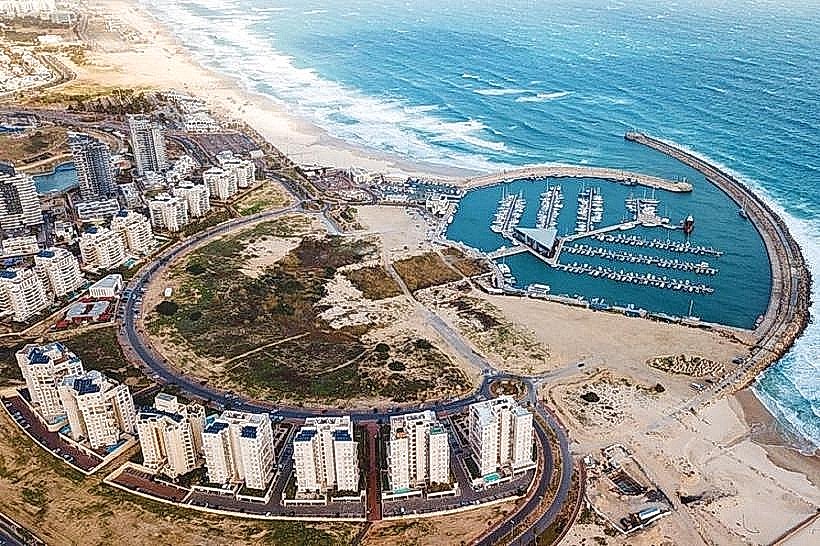
City: Ashdod
Country: Israel
Continent: Asia
Ashdod, Israel, Asia
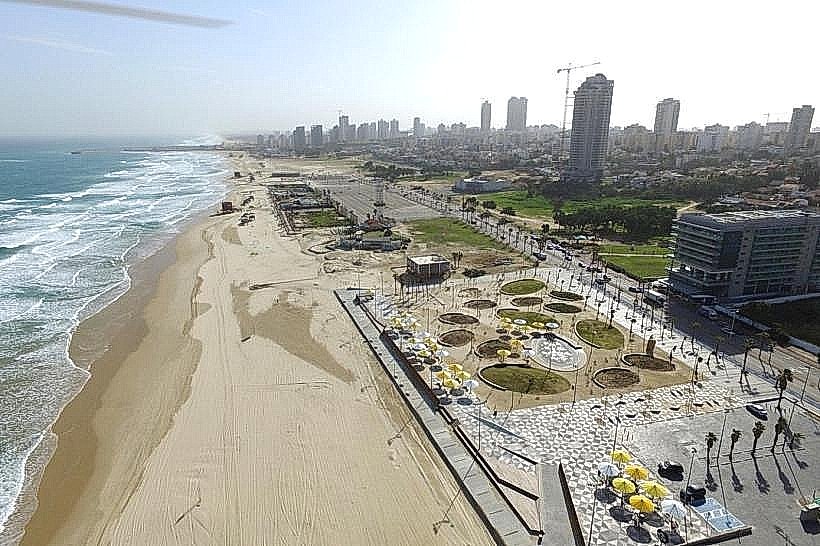
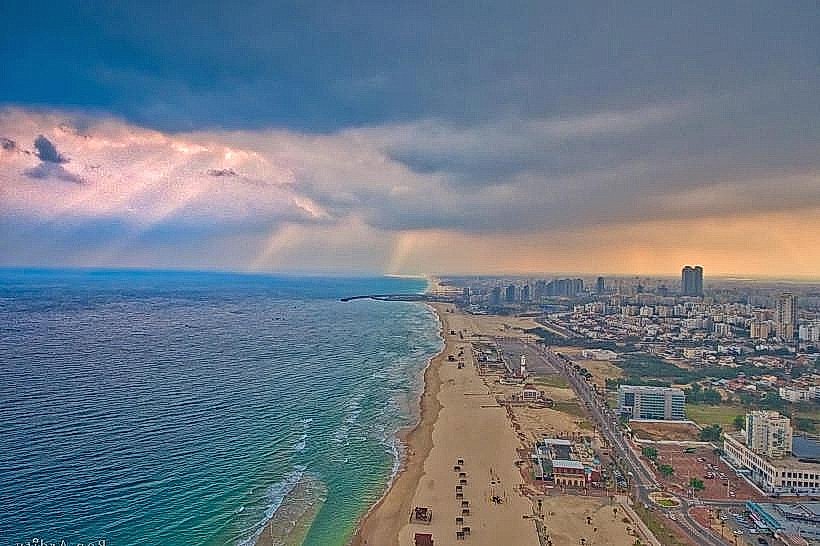
Ashdod serves as Israel’s primary commercial gateway, hosting the country's largest and busiest maritime port, which handles approximately 60% of all national imports and exports. Geographically, it is positioned on the Mediterranean coastline in the Southern District, roughly midway between Tel Aviv and Gaza.
Historical Timeline
Ashdod was one of the five ancient Philistine pentapolis cities, with archaeological roots dating to the 17th century BCE. Primary governance eras include Philistine, Israelite, Hellenistic, Byzantine, and Islamic periods. The modern city was founded on November 25, 1956, following a government decision to establish a port city on the site. The primary event shaping its current urban form was the 1950s master plan that utilized a unique "grid and sector" model, dividing the city into autonomous residential quarters to manage rapid population growth.
Demographics & Population
The total population within city limits is approximately 226,000 residents, while the metropolitan area exceeds 286,000. The city is highly diverse, featuring a large population of immigrants from the former Soviet Union (approx. 30%), a significant French-speaking community, and a substantial Haredi (Ultra-Orthodox) sector. The median age is 32.8 years.
Urban Layout & Key Districts
The city is organized into 17 autonomous residential quarters, named alphabetically (Aleph, Bet, Gimel, etc.). The most important districts for visitors are the Marina and City District (West), which contains the primary dining and entertainment hubs, and the CBD/Culture Quarter (Central), housing administrative buildings and museums. The industrial zone and port are located in the northern cardinal direction relative to the city center.
Top City Landmarks
Ashdod Yam Park (featuring a musical fountain)
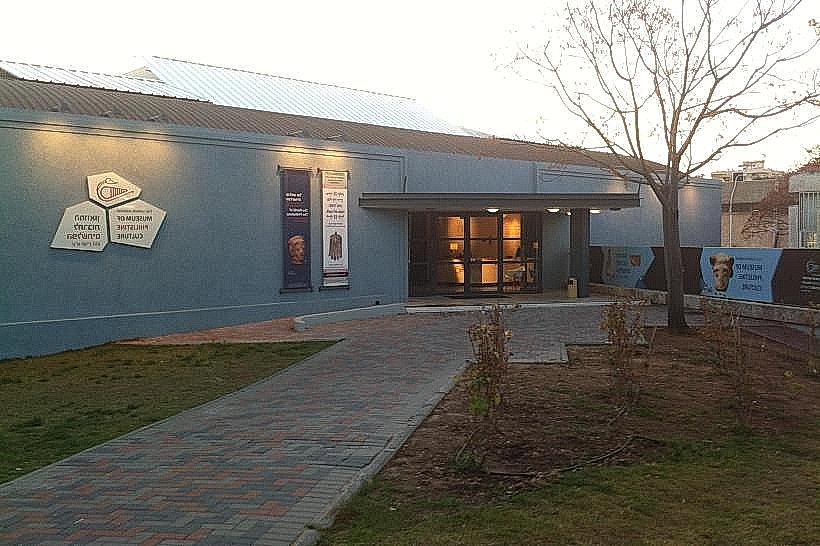
The Corinne Mamane Museum of Philistine Culture
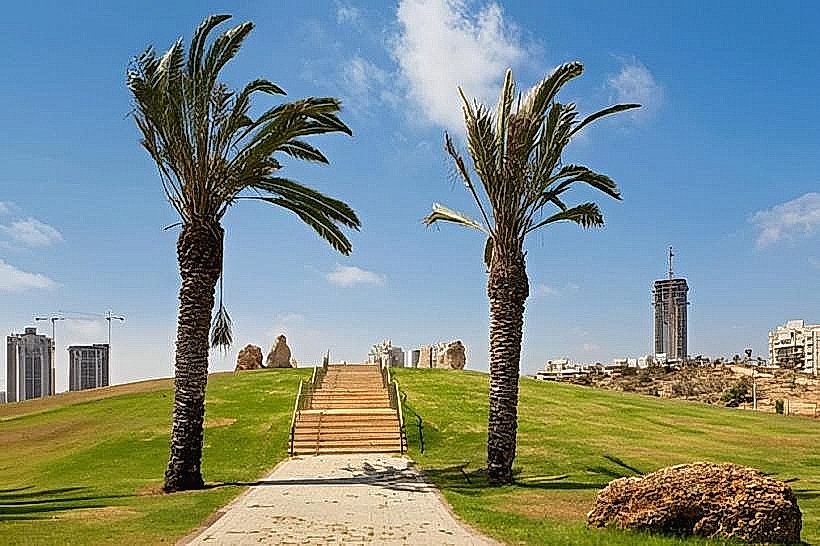
Givat Yonah (Jonah's Hill and Lighthouse)
Ashdod Yam Fortress (Crusader-era ruins)
The Ad Halom Memorial Park
Transportation Network
Internal movement relies on an extensive bus network operated primarily by Electra-Afikim. Ashdod was the first city in Israel to implement the "Reway" project, featuring dedicated high-speed bus lanes. The Ashdod-Ad Halom Railway Station connects the city to the national coastal line. Ride-sharing via Gett is the primary app; Uber is unavailable. Official taxis are white. Traffic density is high at the northern and southern entrances near Highway 4 during rush hours.
Safety & "Red Zones"
Ashdod is generally safe for tourists, though its proximity to the Gaza Strip makes it a frequent target for rocket fire during periods of regional escalation. Visitors should be aware of the nearest "Merhav Mugan" (protected space) at all times. Avoid the industrial zone late at night. Common scams are limited to unregulated private transport offers at the train station.
Digital & Financial Infrastructure
Average internet speed is 200 Mbps with fiber optic availability in most quarters. Main mobile carriers include Partner, Cellcom, and Pelephone. Card acceptance is universal for all formal businesses; contactless payment is standard. ATMs are widely available in shopping centers like Sea Mall and Big Fashion.
Climate & Air Quality
Summers (June–September) are hot and humid, ranging from 23°C to 31°C. Winters (December–February) are mild and wet, ranging from 9°C to 18°C. Air quality is generally moderate; however, localized pollution can occur due to the heavy industrial activity in the northern port zone. Weather risks include winter flooding in lower-lying residential quarters.
Culture & Social Norms
A tipping rate of 12-15% is standard. Handshakes are the common greeting. Dress code is casual, though modest clothing is mandatory in the Haredi quarters (such as Quarters Gimel and Zain). Most businesses in the city center close for Shabbat, though some restaurants in the Marina area and the "Big Fashion" mall remain open on Saturdays.
Accommodation Zones
Stay in the Marina Area for luxury hotels, direct beach access, and walking access to nightlife.
Stay in the City Center (Quarter City) for logistical access to public transport and shopping malls.
Local Cost Index
1 Espresso: 12 ILS ($3.25 USD)
1 Standard Lunch (Fish/Grilled Meat): 75 ILS ($20.25 USD)
1 Metro/Bus Ticket: 5.50 ILS ($1.50 USD)
Nearby Day Trips
Tel Aviv-Yafo (35 km)
Jerusalem (65 km)
Ashkelon National Park (15 km)
Palmachim Beach (20 km)
Facts & Legends
Local tradition holds that the biblical prophet Jonah is buried at Givat Yonah, the highest point in the city. While various sites claim his tomb, the hill remains a site of local pilgrimage. An urban legend persists that during the construction of the modern port in the 1960s, workers discovered massive ancient anchors made of solid stone that were so heavy they had to be re-buried under the concrete foundations of the modern pier to avoid delaying the project.