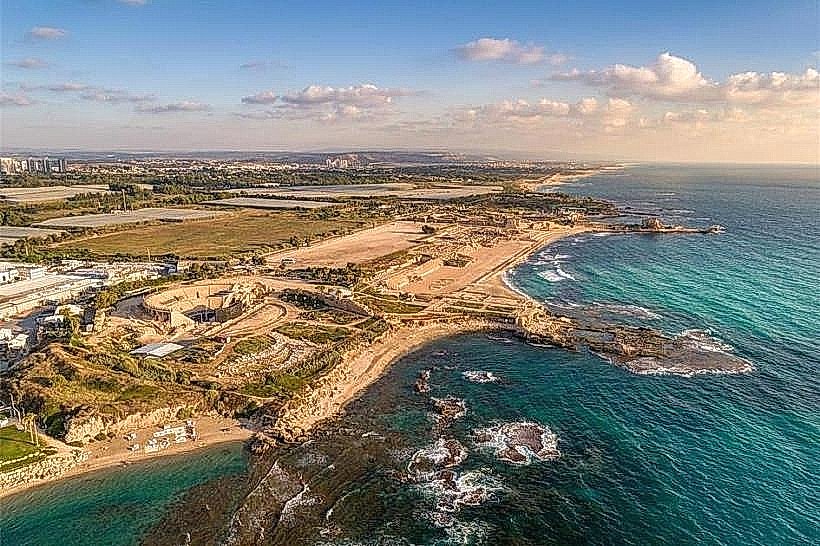
City: Caesarea
Country: Israel
Continent: Asia
Caesarea, Israel, Asia
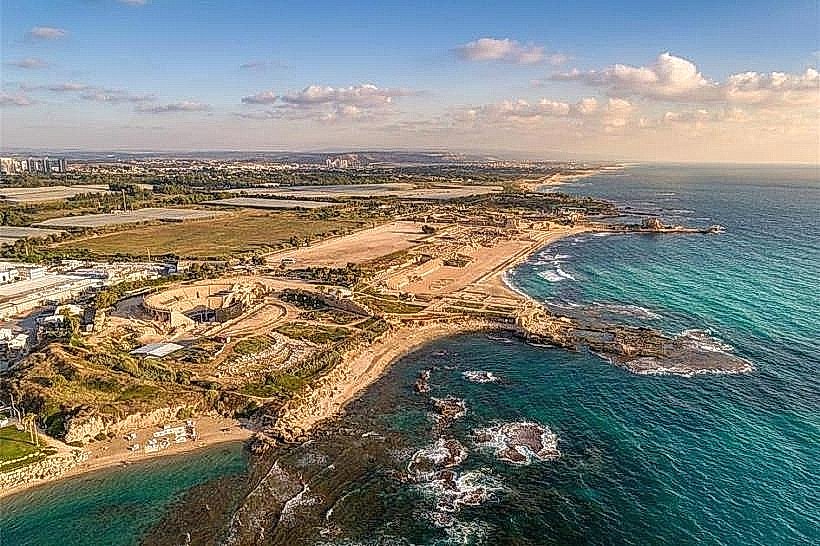
Caesarea serves as a major archaeological center and an upscale residential enclave on Israel’s Mediterranean coast. It is situated midway between Tel Aviv and Haifa, approximately 55 kilometers north of the former.
Historical Timeline
The city was founded by Herod the Great between 22 and 10 BCE on the site of a Phoenician port known as Straton's Tower. Primary eras of governance include the Roman-Byzantine period (as the provincial capital), the Early Islamic period, the Crusader era, and the Ottoman period. The primary event shaping the current urban form is the 19th-century settlement by Bosniak immigrants followed by the mid-20th century development of the Caesarea Development Corporation, which transformed the area into a planned luxury community and national park.
Demographics & Population
The total population within the municipal boundaries is approximately 5,500 residents. The demographic is predominantly Jewish (98%), characterized by a high socio-economic profile. The median age is approximately 45 years, reflecting a high concentration of established professionals and retirees.
Urban Layout & Key Districts
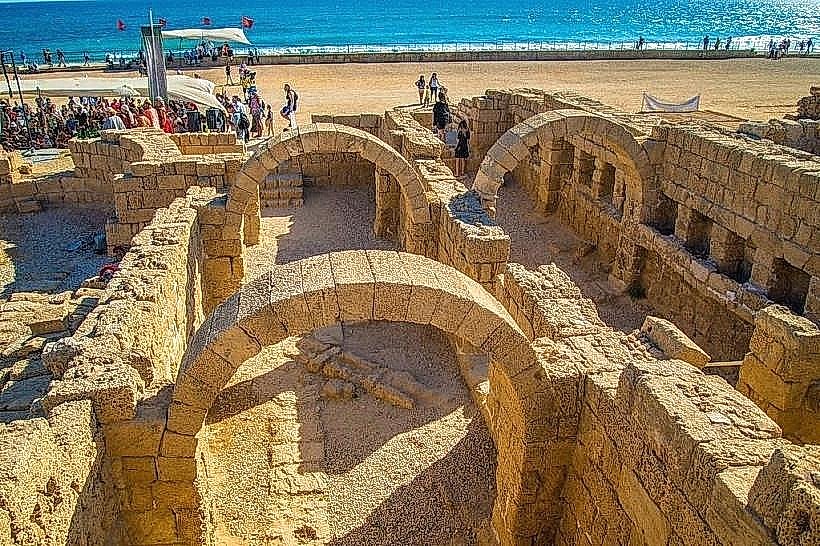
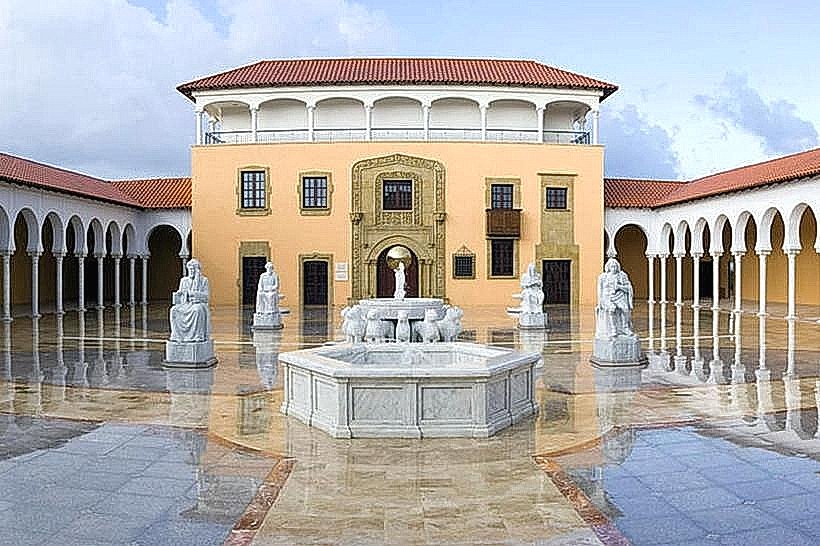
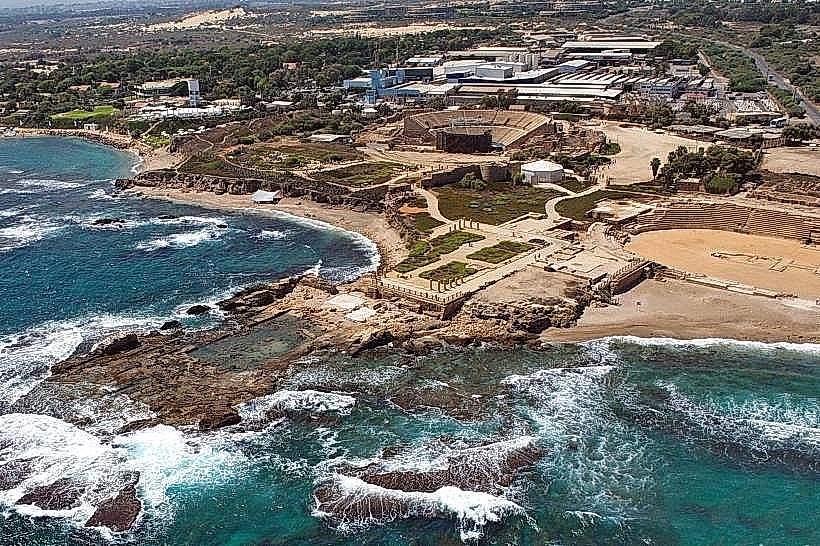
The city is organized into numbered residential clusters (Clusters 1–13) and a centralized business park. The 2–3 most important districts for visitors are the Caesarea National Park (South), which contains the Roman harbor and ruins; the Harbor District (West), featuring dining and galleries; and the Business Park (East), which houses high-tech offices and the Ralli Museum.
Top City Landmarks
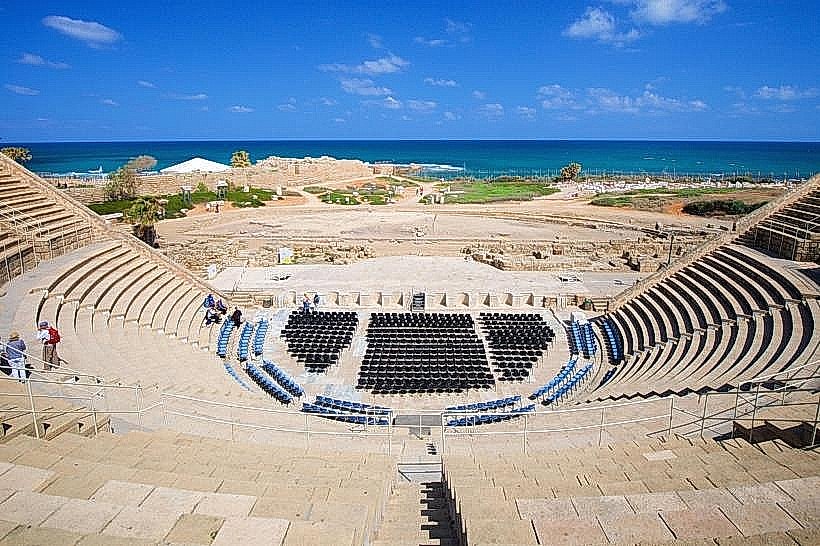
Roman Theatre
Herod’s Promontory Palace
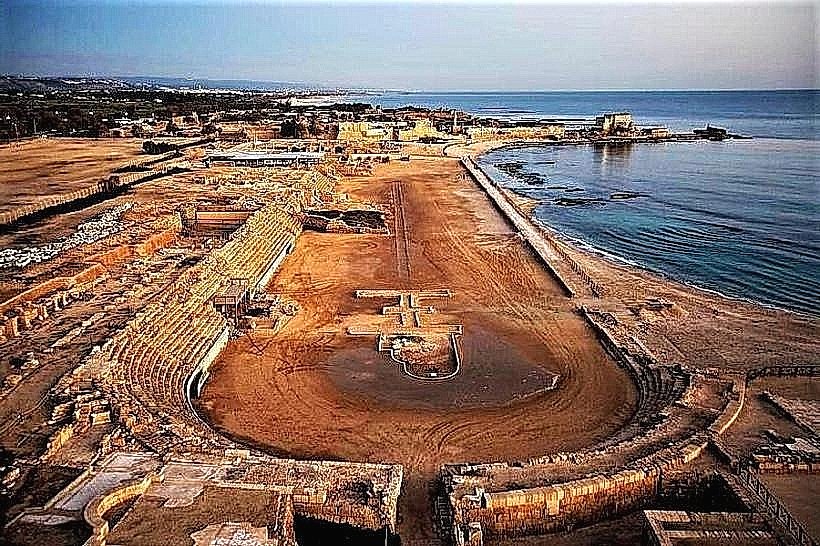
The Hippodrome (Circus)
Crusader Fortifications and Gate
Transportation Network
Movement within the city requires a private vehicle as internal public transit is minimal. The Caesarea-Pardes Hanna railway station is located on the eastern edge of the business park, connecting to the coastal line. Local buses serve the business park but do not frequently enter the residential or national park areas. Ride-sharing via Gett is available but wait times can be significant. Official taxis are white. Traffic is generally low, except at the entrance to the National Park on weekends.
Safety & "Red Zones"
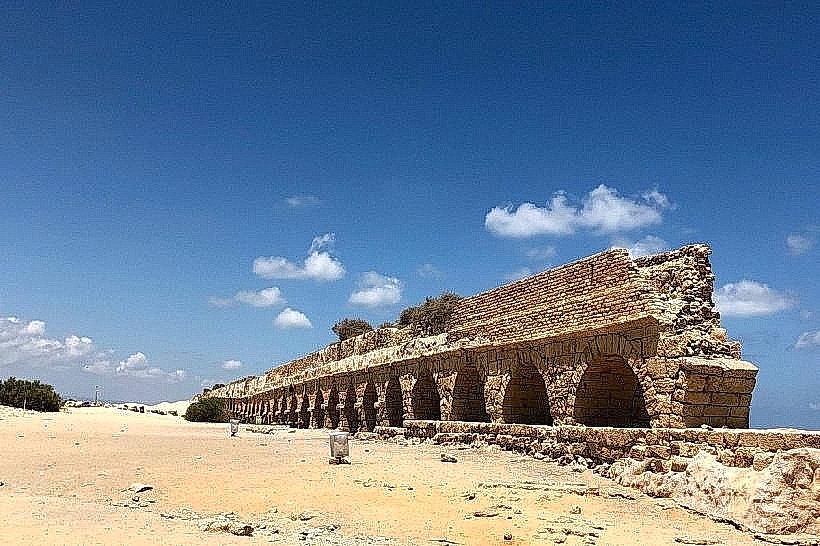
Caesarea is one of the safest locations in Israel with private security patrols throughout the residential clusters. There are no "red zones" or areas to avoid. Common scams are limited to inflated pricing at restaurants within the National Park harbor and unauthorized individuals offering "guided tours" at the Aqueduct beach.
Digital & Financial Infrastructure
Average internet speed is 200 Mbps with widespread fiber optic availability. Main mobile carriers are Partner, Cellcom, and Pelephone. Card acceptance is universal; contactless payment is the standard. ATMs are available in the Business Park and near the entrance to the National Park.
Climate & Air Quality
Summers (June–September) are hot and humid, ranging from 22°C to 30°C. Winters (December–February) are mild and rainy, ranging from 9°C to 17°C. Air quality is high due to the coastal location and absence of heavy industry within the city limits. Salt spray from the Mediterranean causes high atmospheric salinity near the shore.
Culture & Social Norms
A tipping rate of 12–15% is standard. Handshakes are the common greeting. Dress code is casual but tends toward "resort chic" in the harbor area. Public transport and businesses in the residential areas close for Shabbat, though many restaurants in the Harbor District remain open on Saturdays to accommodate tourism.
Accommodation Zones
Stay in the Harbor Vicinity for luxury boutique lodging and direct access to archaeological sites.
Stay in Cluster 2 (Near the Golf Club) for high-end villas and proximity to the country's only international-standard golf course.
Local Cost Index
1 Espresso: 14 ILS ($3.70 USD)
1 Standard Lunch (Pasta/Seafood): 90 ILS ($24.00 USD)
1 Metro/Bus Ticket: 5.50 ILS ($1.50 USD)
Nearby Day Trips
Zichron Ya'akov (15 km)
Mount Carmel National Park (30 km)
Haifa (40 km)
Alexander River / Turtle Bridge (20 km)
Facts & Legends
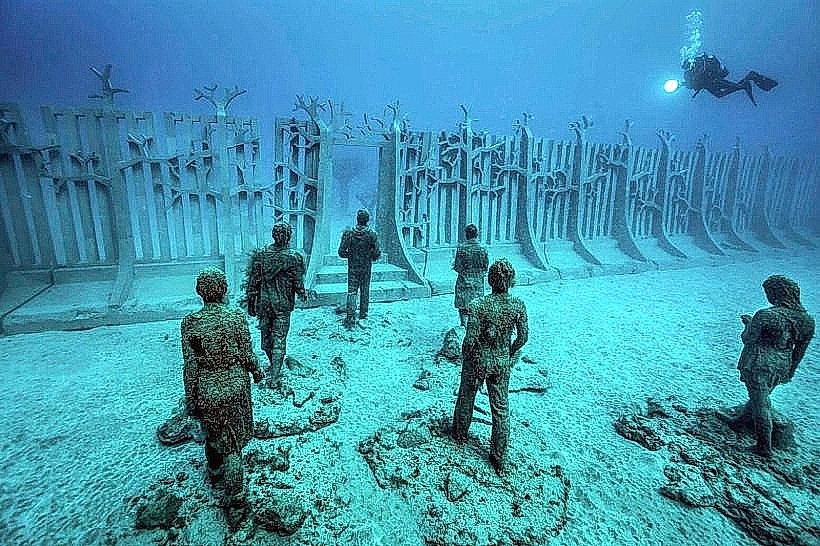
A local legend centers on the "Curse of the Sunken Harbor." Herod’s harbor, Sebastos, was a marvel of Roman engineering using hydraulic concrete that set underwater. It inexplicably sank shortly after completion due to a suspected seismic fault line. Local maritime lore suggests that on clear, calm days, the ghost of Herod’s hubris can be seen in the perfectly preserved underwater ruins, which supposedly shift positions despite being made of massive stone blocks.