City: Fatick
Country: Senegal
Continent: Africa
Fatick, Senegal, Africa
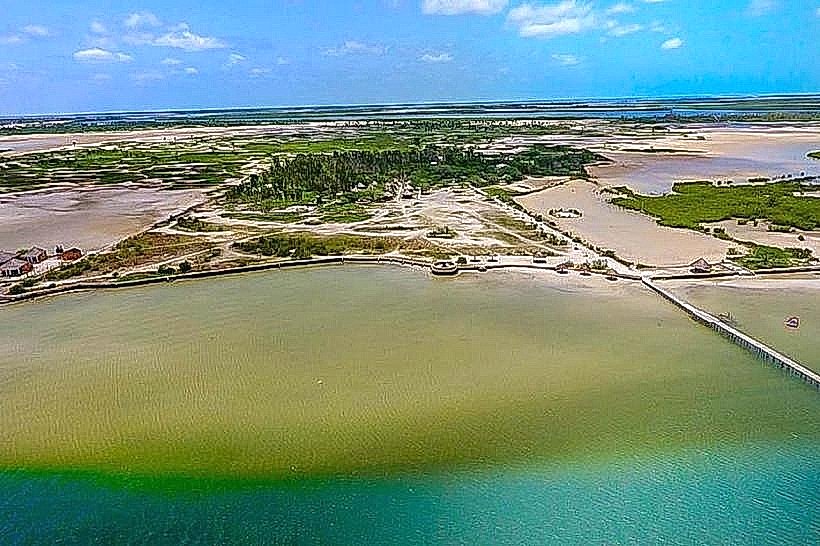
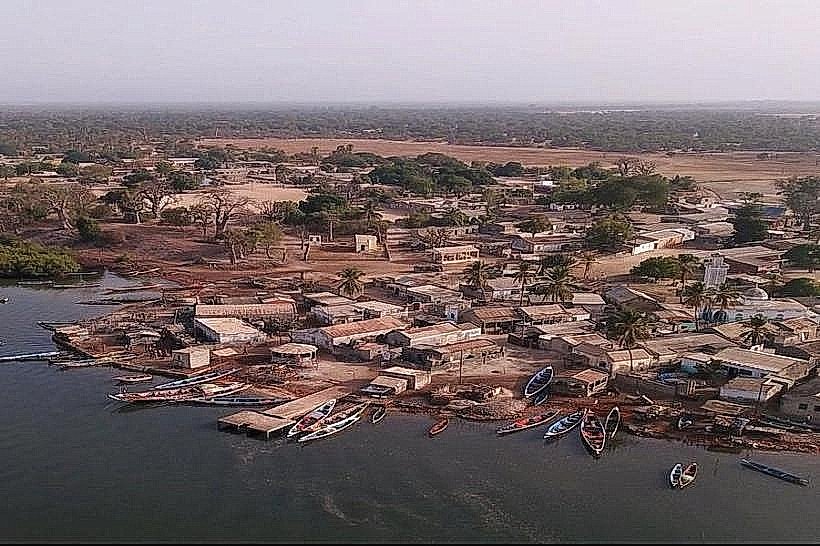
Fatick serves as the administrative capital of the Fatick Region and a central node in the Sine-Saloum delta. It is situated on the Sine River, approximately 155 km southeast of Dakar, functioning as a primary gateway for salt production and agricultural trade between the capital and the Gambian border.
Historical Timeline
Founded in the 16th century, Fatick served as a strategic center for the Kingdom of Sine. Primary eras of governance include the pre-colonial Serer monarchy, French colonial administration (1890s–1960), and the post-independence era. The most significant architectural and political reconstruction occurred in 2001 following the elevation of the city's profile during the Macky Sall administration. The primary event shaping the current urban form was the 1984 administrative reform which established Fatick as a regional capital, leading to the construction of the current governorate and regional hospital infrastructure.
Demographics & Population
The total population within city limits is approximately 32,000, with a metropolitan area reaching 75,000. The top three ethnic demographics are the Serer (approx. 60%), Wolof (20%), and Pulaar (15%). The median age of the population is 18.7 years.
Urban Layout & Key Districts
The city is organized along the N1 highway and the Sine River. Escale (Central) contains the administrative buildings, the regional prefecture, and the main bank branches; Ndiaye-Ndiaye (East) is a high-density residential and artisanal district; and Peulgha (South) serves as a traditional residential zone near the riverbanks.
Top City Landmarks
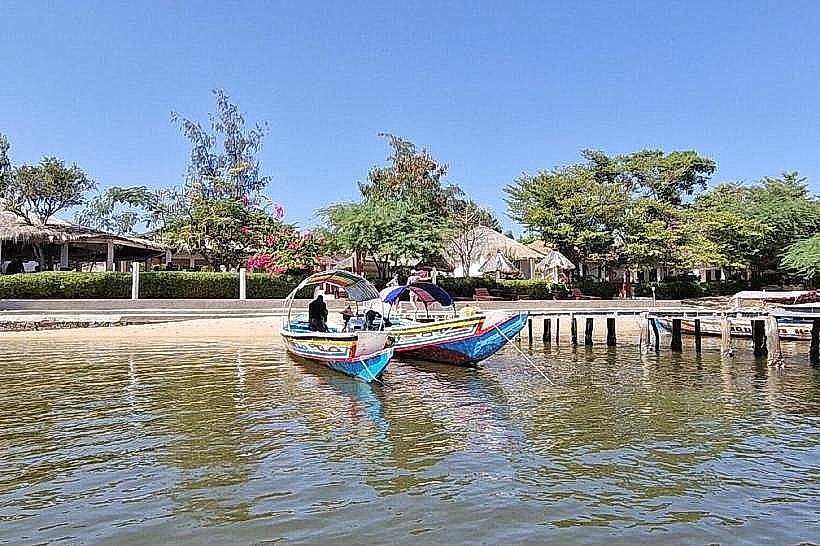
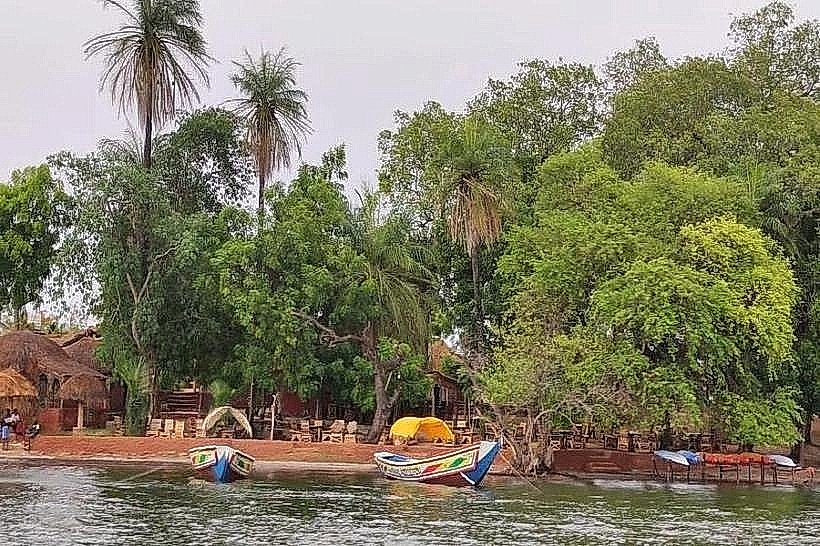
The Sine River Waterfront
Fatick Regional Hospital
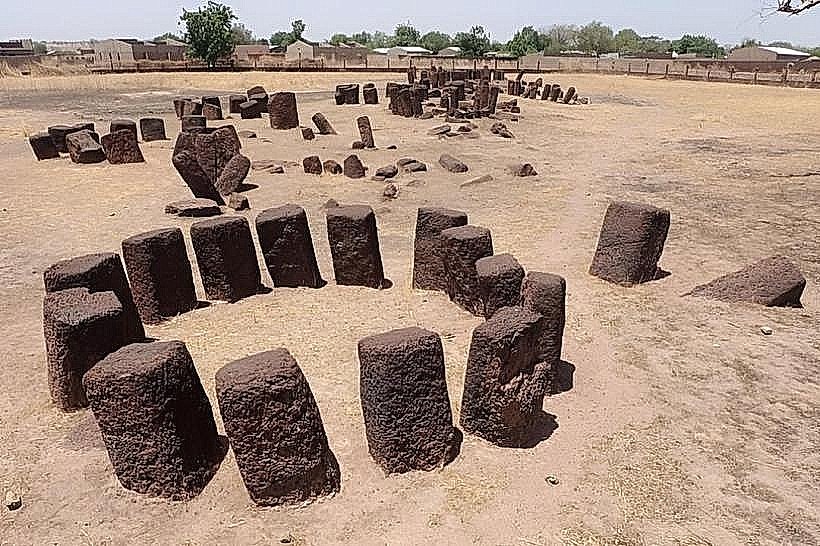
The Mbind Diogoye (Ancestral home of the Sall family)
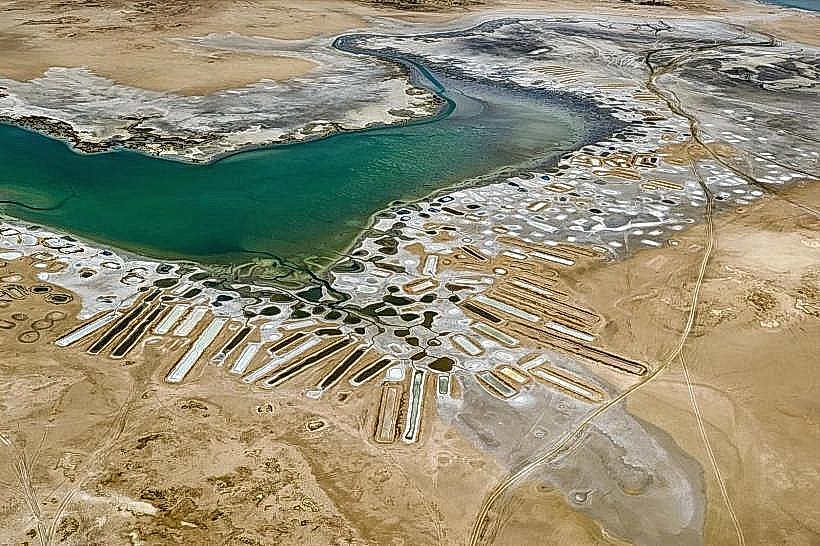
The Salt Flats of Fatick
The Great Mosque of Fatick
Transportation Network
Movement within the city is conducted via "Jakarta" motorbike taxis and yellow-and-black unmetered taxis. There are no Metro or Tram systems. Long-distance transit is managed via the "Gare Routière" using "sept-places" (seven-seat taxis) and Ndiaga Ndiaye buses connecting to Kaolack and Mbour. Ride-sharing apps are not operational. Traffic density is low, peaking during the weekly "Lumo" (market days) when heavy trucks transit the N1 highway.
Safety & "Red Zones"
The general safety level is very high. There are no specific "red zones" or neighborhoods to avoid. Common scams are rare, though visitors should verify prices for motorbike taxi trips before departure to avoid "tourist pricing" in the market areas.
Digital & Financial Infrastructure
Average fixed broadband speed is 15–25 Mbps. Main mobile carriers are Orange and Free. Card acceptance is very low; cash (XOF) is required for most transactions. ATMs are limited, located primarily at CBAO and SGBS branches on the main road.
Climate & Air Quality
Temperatures range from 18°C to 40°C. The city experiences a hot, dry season from November to June and a monsoon season from July to October. Significant weather risks include seasonal flooding due to the city's low elevation in the Sine-Saloum basin. Air quality is generally high, though salinity levels in the air are elevated near the salt flats.
Culture & Social Norms
Tipping is not mandatory but 500 XOF is common in restaurants. Handshakes are the standard greeting. Social norms are heavily influenced by Serer traditions and Islam; modest dress is expected in public spaces. Public consumption of alcohol is restricted to specific licensed guesthouses.
Accommodation Zones
Escale: Stay here for logistical proximity to transport hubs, banks, and administrative offices.
Riverfront: Stay here for quieter guesthouses with views of the Sine River and salt flats.
Local Cost Index
1 Espresso: 1,000 XOF (1.65 USD)
1 Standard Lunch: 2,000 XOF (3.30 USD)
1 Metro/Bus Ticket: 150 XOF (0.25 USD) - local shared taxi or minibus fare.
Nearby Day Trips
Foundiougne: 25 km (Via ferry crossing)
Toubacouta: 65 km
Joal-Fadiouth: 45 km
Mar Lodj Island: 35 km
Facts & Legends
Fatick is the site of the "Mbind Diogoye," the ancestral home of the first Serer families in the region. Local legend states that the city’s founders were guided to the location by a mystical white crocodile in the Sine River. Historically, the city remains a center for Serer traditional wrestling (Laamb), with many national champions originating from the surrounding Sine-Saloum villages.