Country: Senegal
Continent: Africa
Senegal, Africa
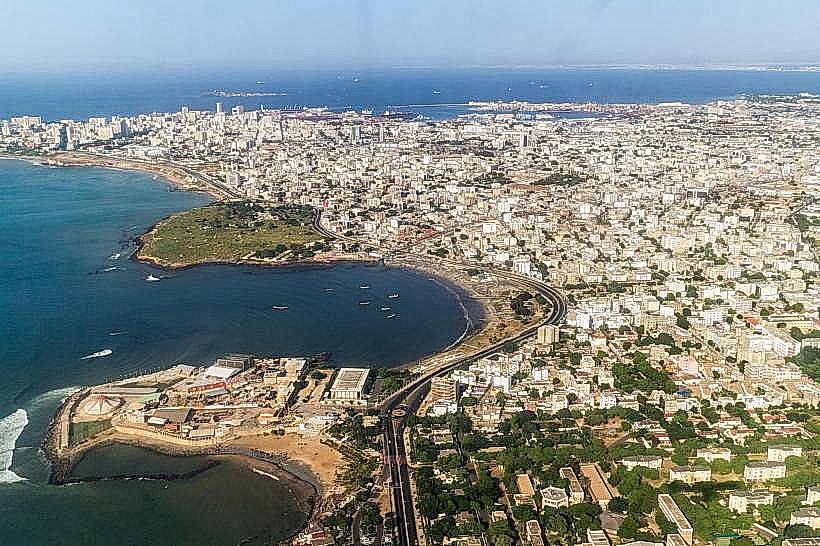
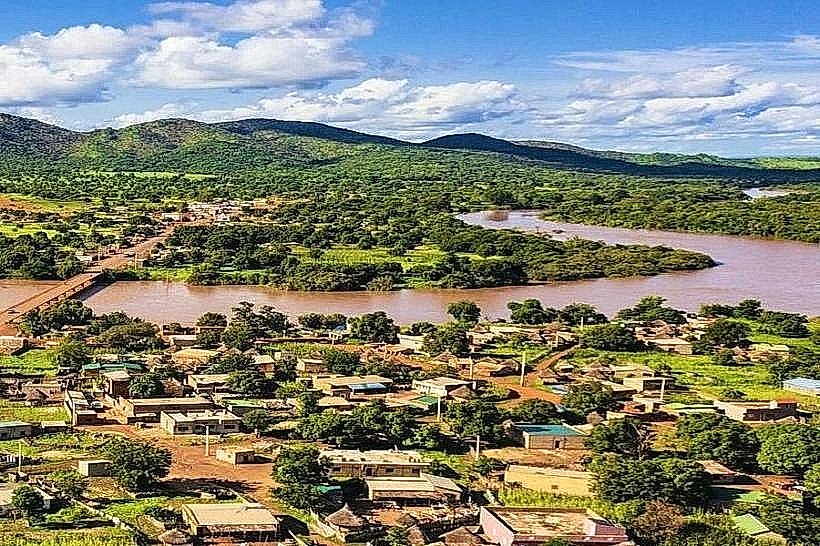
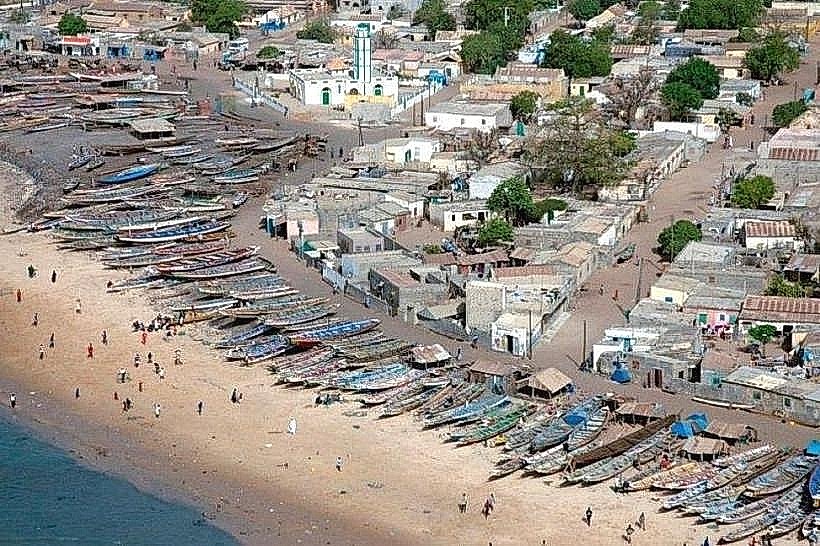
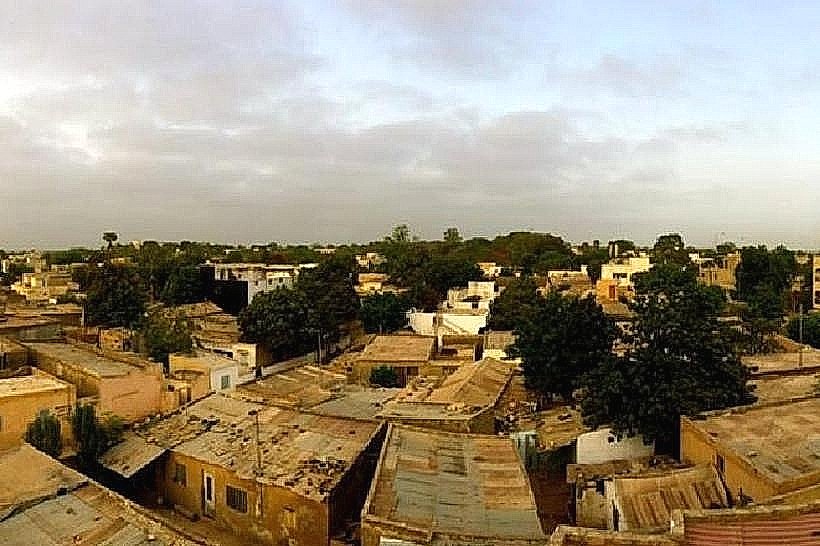
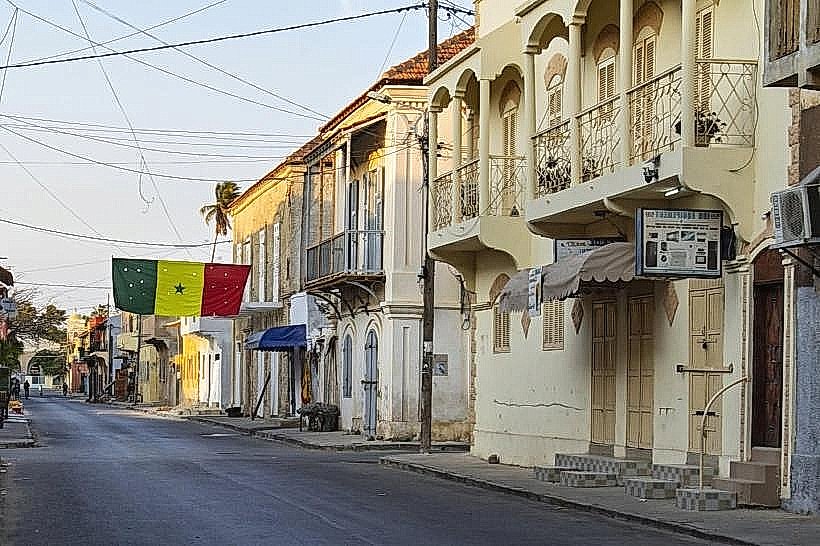
Senegal is located on the westernmost point of the African continent, bordered by Mauritania, Mali, Guinea, Guinea-Bissau, and The Gambia. The country is defined by its coastal Atlantic geography and its role as a regional diplomatic hub, with Dakar serving as the capital city.
History & Culture
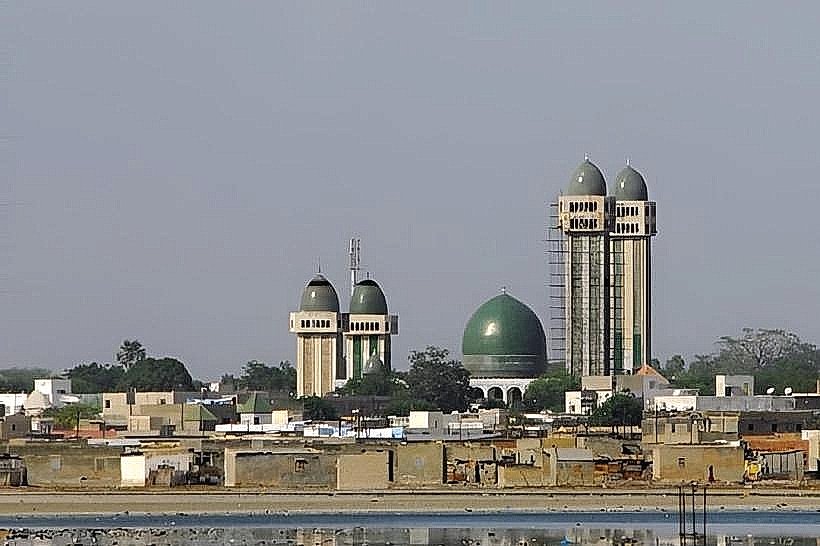
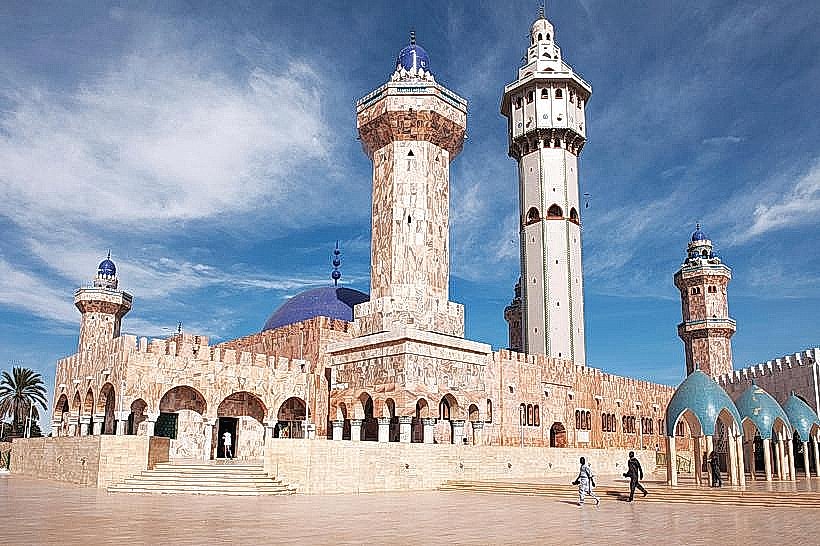
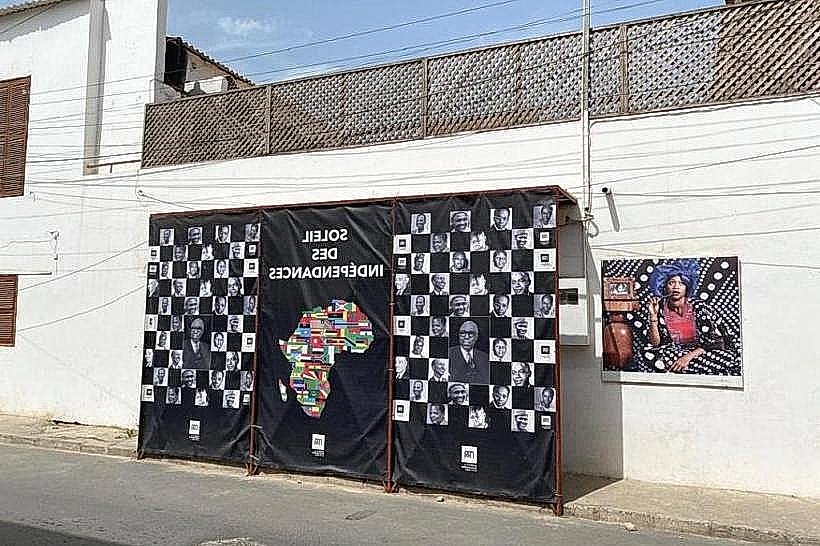
Senegal gained independence from France in 1960 and has maintained a stable multi-party democracy since. Major political eras include the presidency of Léopold Sédar Senghor and the transition to a modern republic. Approximately 95% of the population identifies as Muslim, primarily affiliated with Sufi brotherhoods. Independence Day is celebrated on April 4. Social etiquette centers on "Teranga" (hospitality), where greeting elders first and using the right hand for eating or exchanging items are mandatory norms.
Language & Communication
The official language is French. English proficiency is Low, concentrated mainly in the tourism sector and international business hubs. Wolof is the dominant local dialect, spoken by approximately 80% of the population as a first or second language, followed by Pulaar and Serer.
Population & Economy
The population is approximately 18 million, with 49% residing in urban areas. Top export commodities include phosphoric acid, gold, and frozen fish. The GDP per capita is approximately $1,600 USD. Agriculture is the primary industry driving the labor market, employing over 60% of the workforce.
Visa & Entry Policy
Citizens of the EU, US, and UK do not require a visa for stays up to 90 days. For other nationalities, an E-Visa system is available. Entry requirements are generally moderate, provided travelers possess a valid passport and proof of Yellow Fever vaccination if arriving from an endemic zone.
Currency & Payment Systems
The currency is the West African CFA Franc (XOF). Cash is the primary medium of exchange across the country. Credit cards are accepted in major hotels and upscale restaurants in Dakar, but are virtually non-existent in rural areas. ATM availability is high in Dakar and Saint-Louis but becomes scarce in the eastern and southern regions.
National Transport Grid
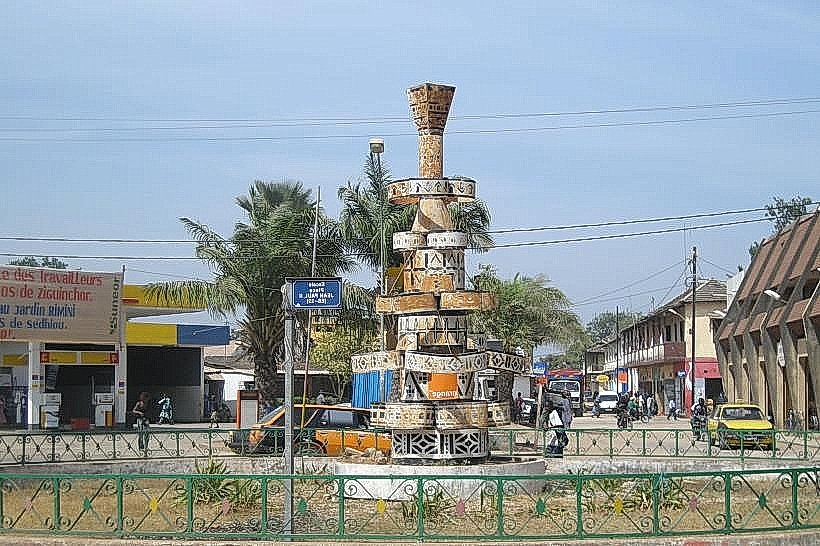
Inter-city travel relies on the "Sept-Place" (seven-seat bush taxis) and "Ndiaga Ndiaye" buses. The Regional Express Train (TER) connects Dakar to Diamniadio, but no extensive national rail network exists for passengers. Air Sénégal operates limited domestic flights to Ziguinchor. Dem Dikk is the primary public transport company for long-distance bus routes.
Digital Infrastructure
The leading mobile network providers are Orange, Free (formerly Tigo), and Expresso. Orange offers the most reliable 4G coverage. While 4G is consistent in urban centers like Dakar and Thiès, connectivity drops to 3G or becomes intermittent in remote parts of the Casamance and eastern Senegal.
Climate & Seasonality
Senegal has a tropical climate with a distinct dry season from November to May and a rainy season (hivernage) from June to October. The north is semi-arid (Sahelian), while the south (Casamance) is more humid with higher rainfall.
Health & Safety
Proof of Yellow Fever vaccination is required for entry. Malaria is endemic nationwide, necessitating prophylaxis. The primary health risk is waterborne disease; bottled water is advised. Emergency numbers are 17 (Police) and 18 (Fire/Ambulance).
Top Major Regions & Cities
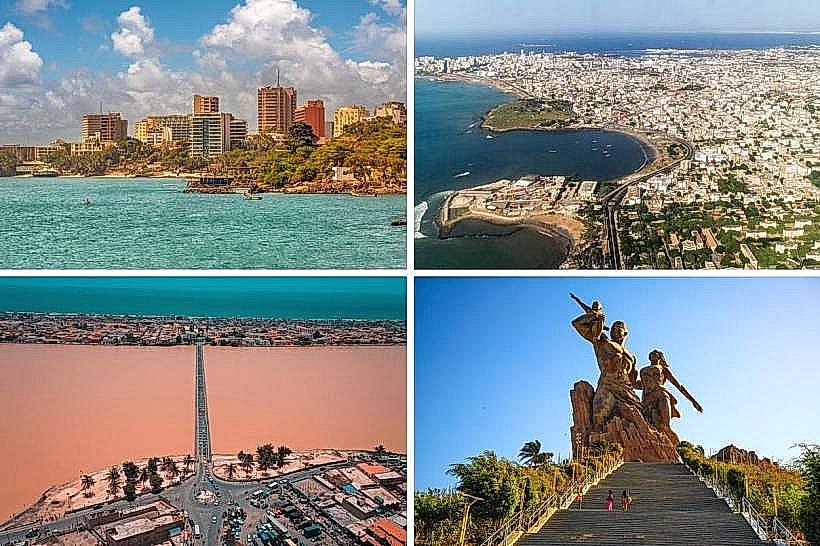
Cap-Vert Peninsula: Hub: Dakar.
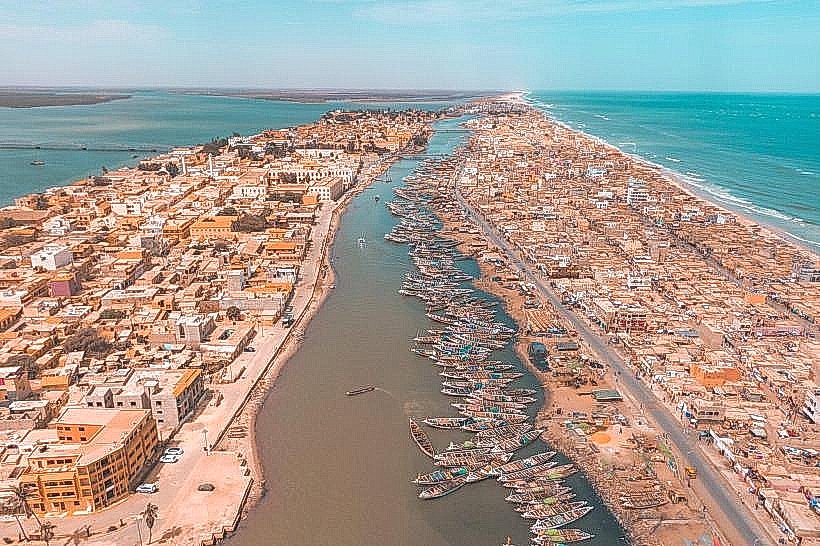
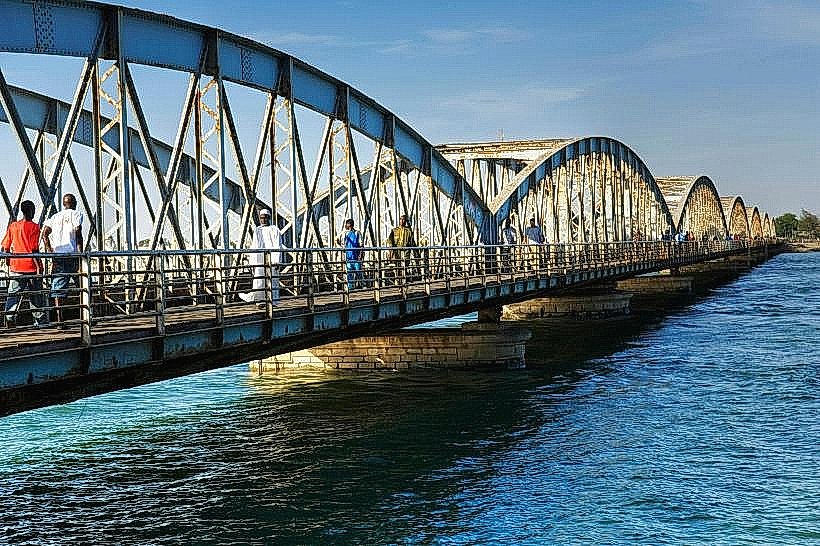
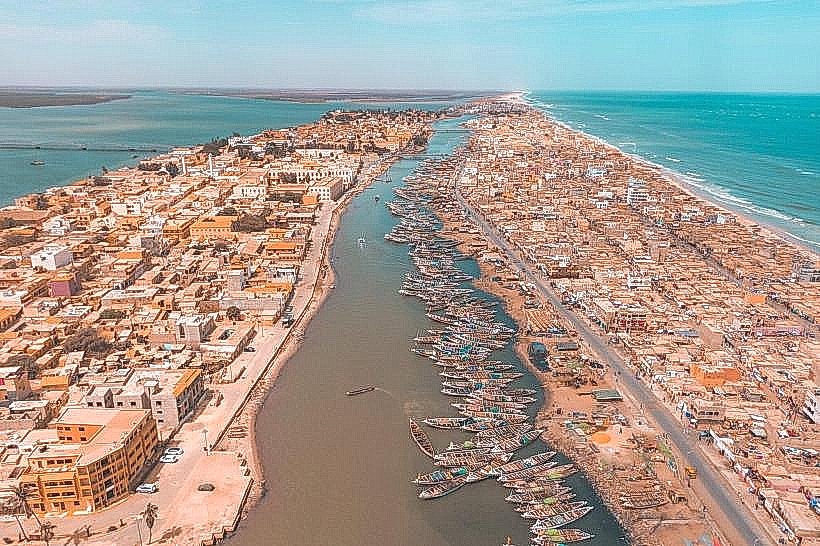
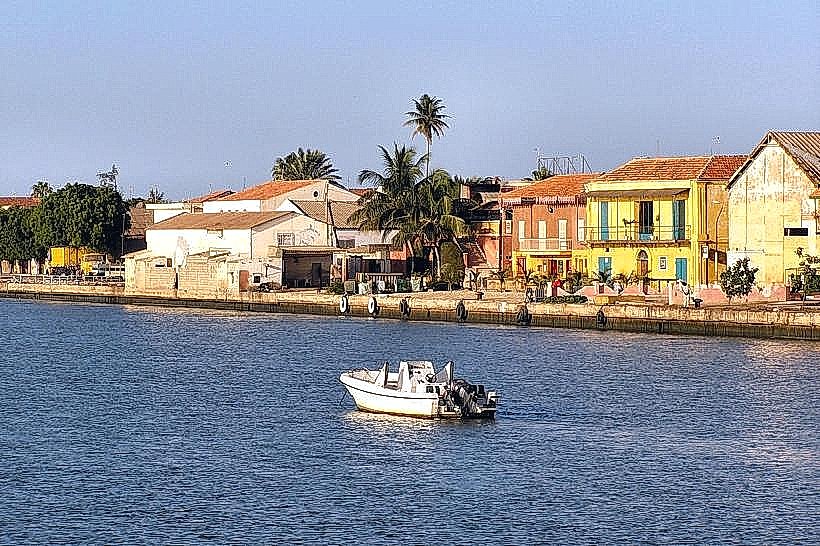
North Coast: Hub: Saint-Louis.
Petite Côte: Hub: Mbour/Saly.
Casamance: Hub: Ziguinchor.
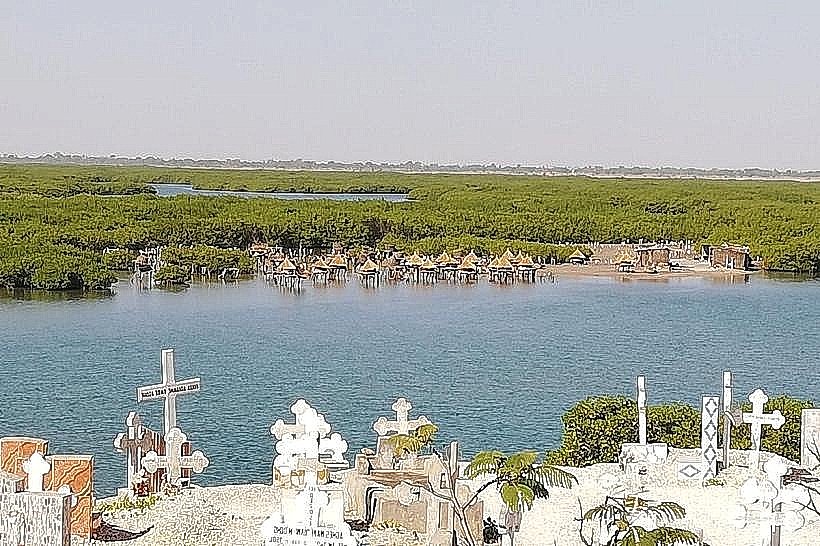
Sine-Saloum Delta: Hub: Toubacouta.
Local Cost Index
1L Water: 400 XOF ($0.65 USD)
1 Domestic Beer: 1,000 XOF ($1.65 USD)
1 Sim Card (with 2GB Data): 2,500 XOF ($4.10 USD)
Facts & Legends
Senegal is home to the African Renaissance Monument, the tallest statue in Africa, which stands at 49 meters-taller than the Statue of Liberty. In local folklore, the Baobab tree is considered sacred and is often used as a burial site for "griots" (traditional storytellers and musicians) to ensure their songs remain rooted in the earth.