City: Haifa
Country: Israel
Continent: Asia
Haifa, Israel, Asia
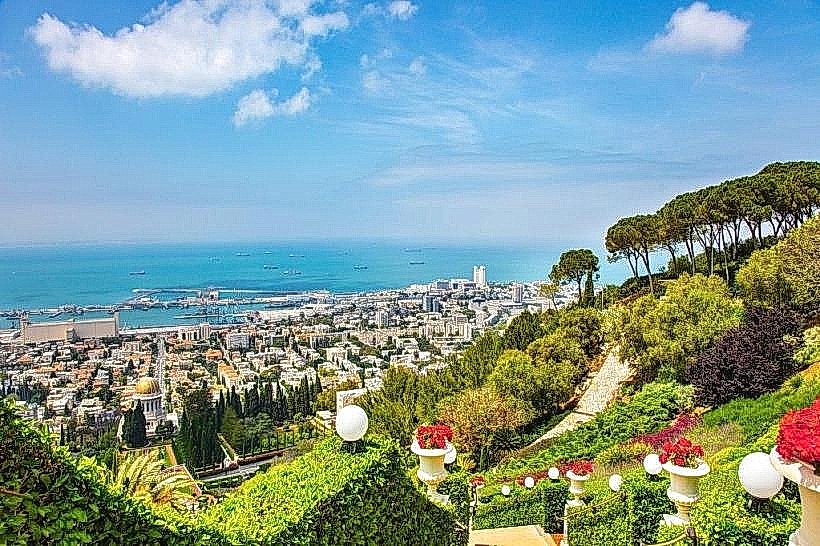
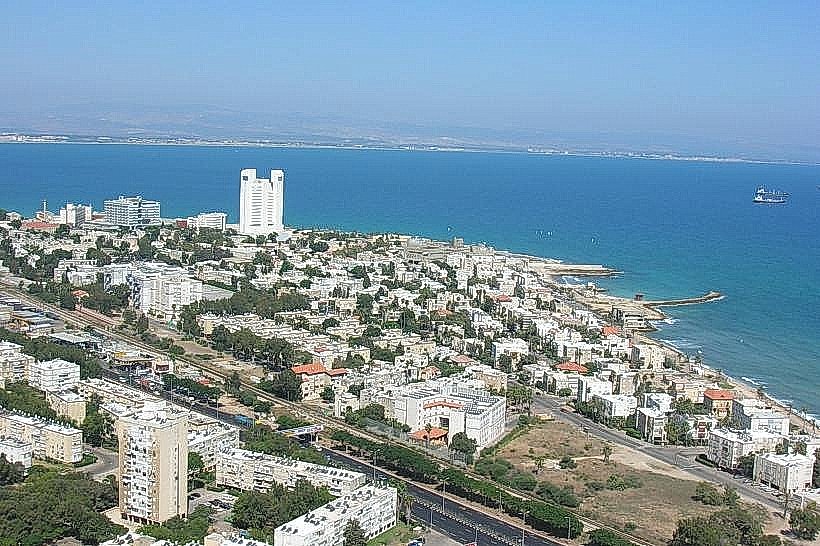
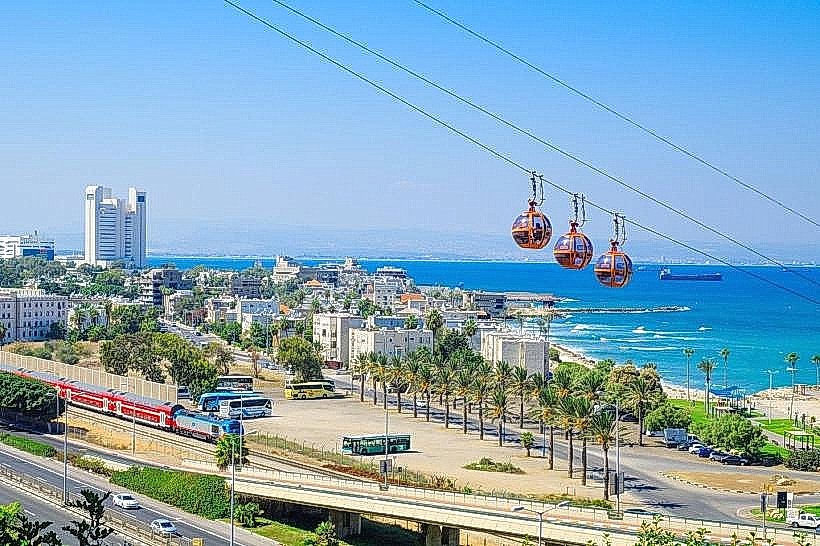
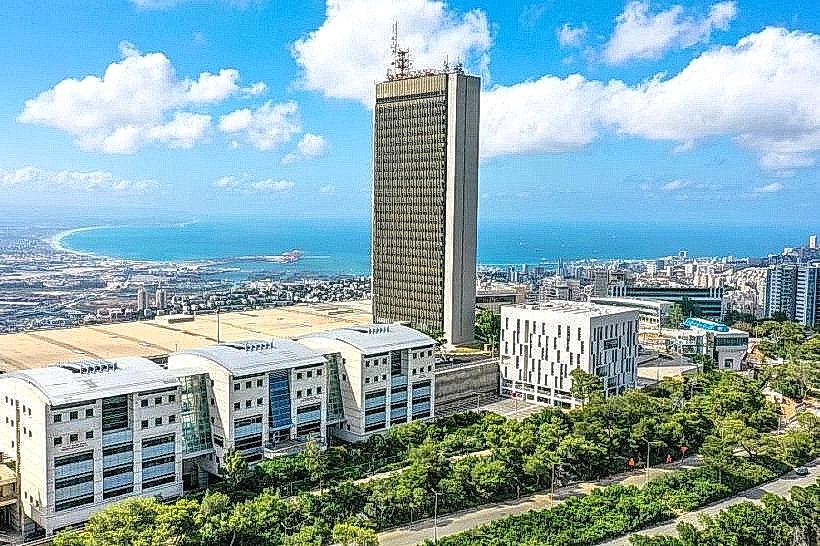
Haifa serves as the primary industrial, maritime, and academic hub of northern Israel. It is situated on the slopes of Mount Carmel along the Mediterranean coast, approximately 90 kilometers north of Tel Aviv.
Historical Timeline
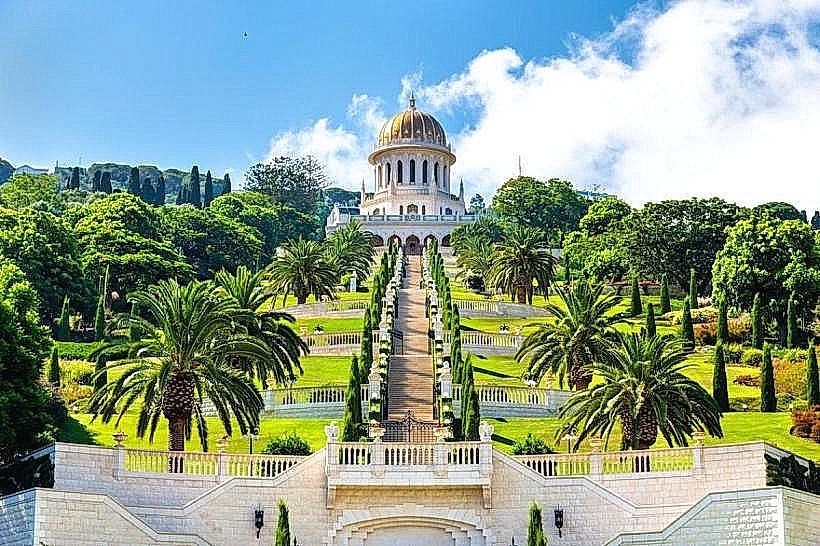
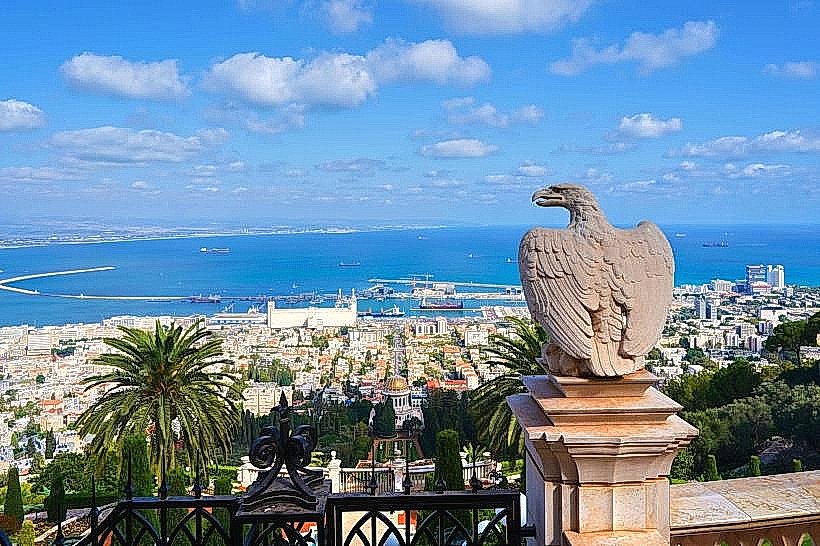
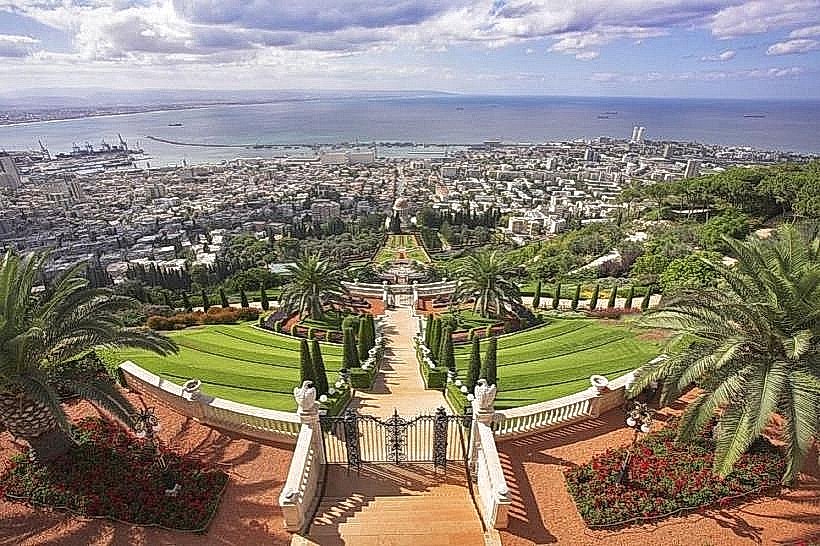
Haifa was established as a fortified town in the late 18th century under Ottoman rule. Primary governance eras include the Late Ottoman period, the British Mandate (1917–1948), and the Israeli state post-1948. The city underwent significant modernization in the 1930s when the British developed the deep-water port and oil refineries. The primary event shaping its current urban form was the construction of the Baha'i Gardens and the vertical expansion of neighborhoods up Mount Carmel, connected by the Carmelit underground funicular.
Demographics & Population
The total population within city limits is approximately 285,000, with a metropolitan area reaching 600,000. The top three demographics are Jewish (approx. 70%), Arab (approx. 10%), and residents from the former Soviet Union. The median age is 38.5 years, trending older than the national average due to a stable, established residential base.
Urban Layout & Key Districts
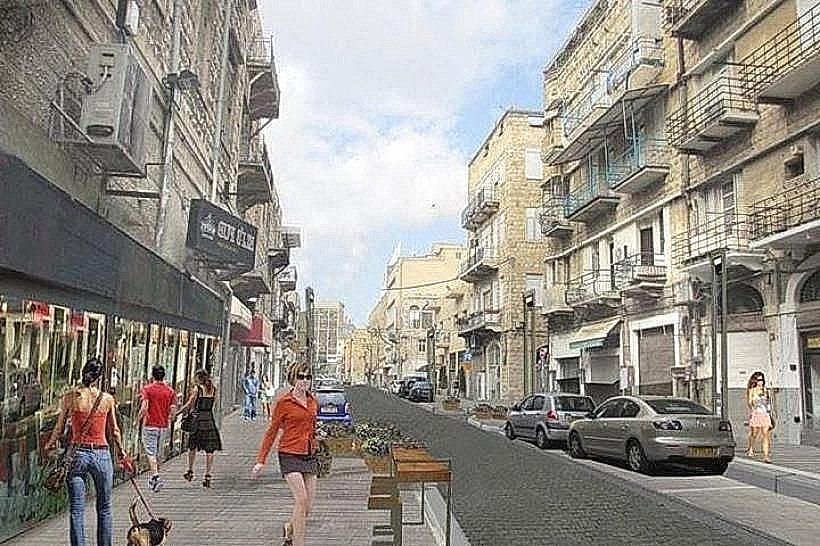
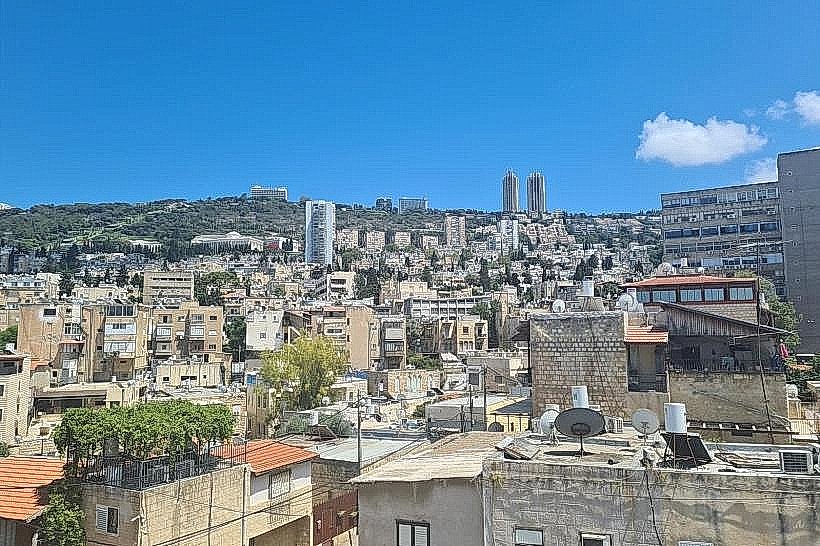
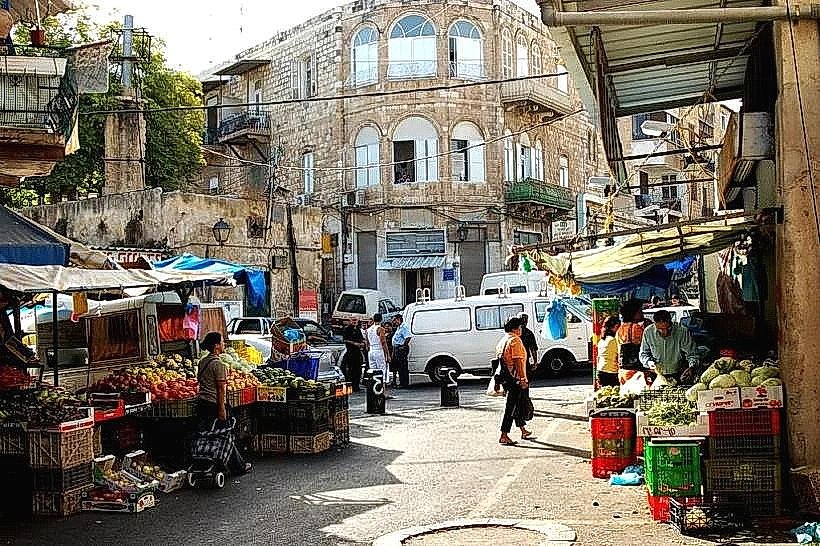
The city is organized vertically into three tiers. The Lower City (Downtown) contains the port and business district. The Middle City (Hadar HaCarmel) is the historic commercial center located on the mid-slope. The Upper City (Carmel Center) sits on the ridge and serves as the primary entertainment and residential zone. These areas are oriented along the northwestern face of Mount Carmel facing Haifa Bay.
Top City Landmarks
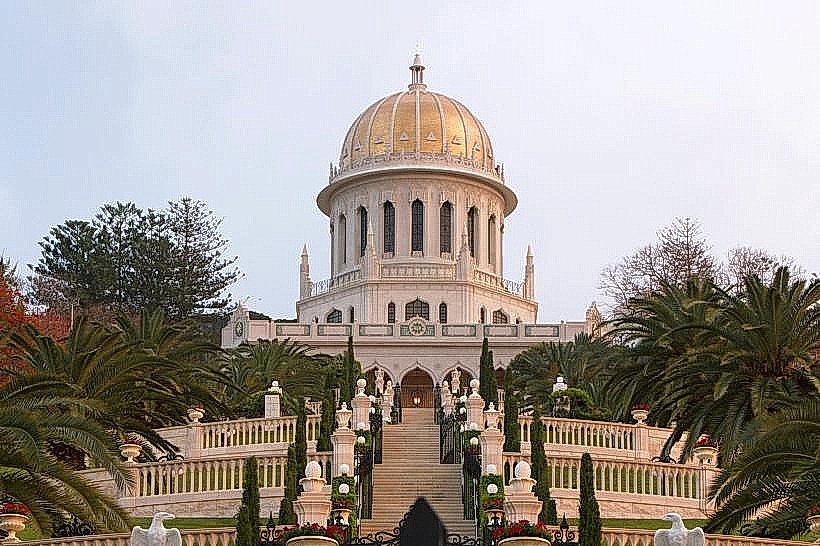
Baha'i Gardens and World Centre
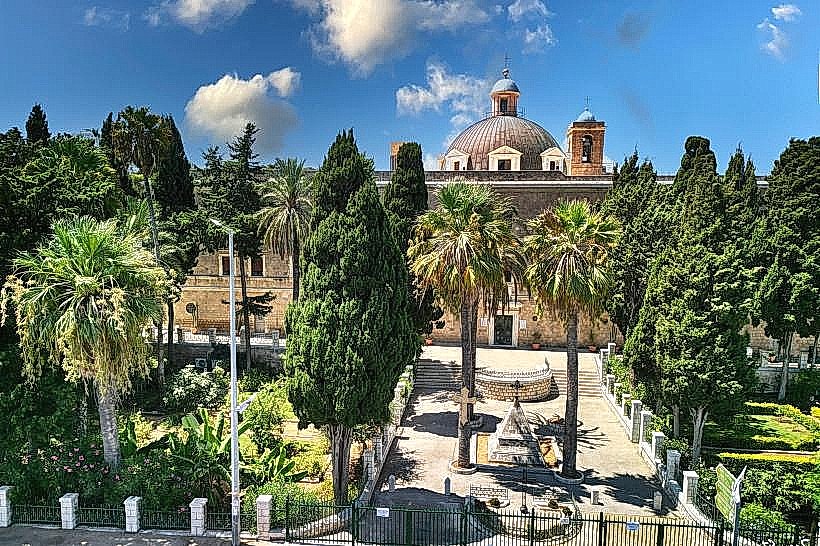
German Colony (Templer settlement)
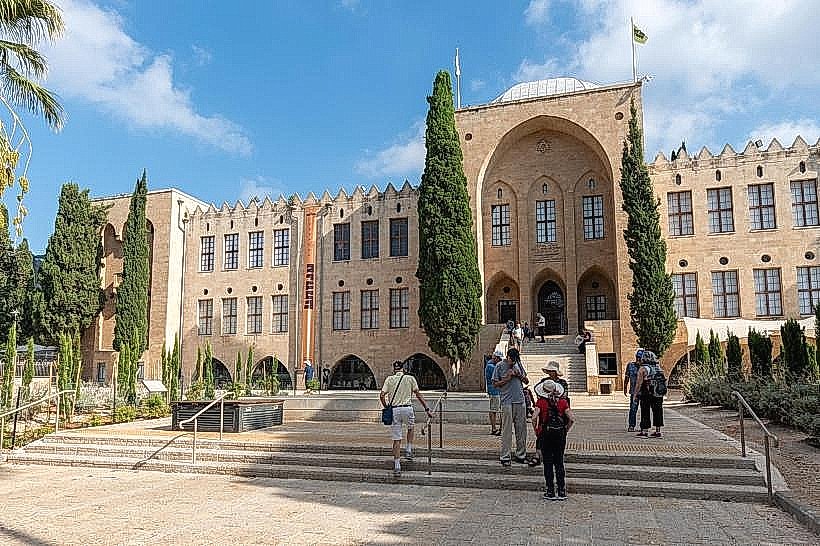
Madatech (National Museum of Science, Technology and Space)
Transportation Network
Internal movement is facilitated by the Metronit (Bus Rapid Transit) with three main lines (Red, Blue, Green) and the Carmelit, Israel's only underground subway system. Egged operates the standard bus network. Ride-sharing is available via Gett and Uber. Official taxis are white. Traffic density is high at the city’s southern and northern entrances, particularly during shift changes at the Matam high-tech park.
Safety & "Red Zones"
Haifa is considered one of Israel's safest major cities. However, the area surrounding the Central Bus Station in Hadar and parts of the Lower City near the port can be isolated at night. Standard travel precautions apply. Common scams are rare but may include unlicensed taxis at the port terminal attempting to charge flat rates rather than using the legal meter.
Digital & Financial Infrastructure
Average internet speed is 180 Mbps. Main mobile carriers include Partner, Cellcom, and Pelephone. Card acceptance is universal in all formal businesses; ATMs are widely available, particularly in the Carmel Center and Downtown zones.
Climate & Air Quality
Summers (June–August) are humid and hot, ranging from 22°C to 30°C. Winters (December–February) are cool and wet, ranging from 8°C to 16°C. Haifa Bay faces specific air quality challenges due to the concentration of heavy industry and refineries, though levels are monitored and generally within regulatory limits except during specific weather inversions.
Culture & Social Norms
Tipping is expected at 10–15% in restaurants. Handshakes are the standard greeting. Dress is generally casual, though modest attire is mandatory for the Baha'i Gardens and religious sites. Public transportation and most businesses in Jewish neighborhoods close for Shabbat (Friday evening to Saturday evening), though some restaurants in the German Colony and Downtown remain open.
Accommodation Zones
Stay in the German Colony for central access to dining and the base of the Baha'i Gardens.
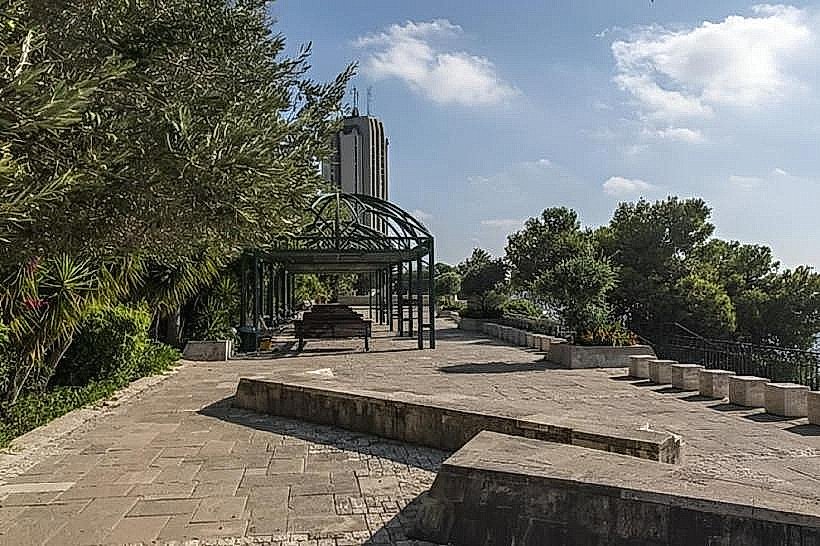
Stay in the Carmel Center for higher elevation, cooler temperatures, and proximity to major hotels and the Louis Promenade.
Local Cost Index
1 Espresso: 13 ILS ($3.40 USD)
1 Standard Lunch: 60 ILS ($15.70 USD)
1 Metro/Bus Ticket: 5.50 ILS ($1.45 USD)
Nearby Day Trips
Akko (Acre) Old City (25 km)
Rosh HaNikra Grottoes (40 km)
Caesarea National Park (45 km)
Druze Villages of Daliyat al-Karmel (20 km)
Facts & Legends
A local urban legend concerns the "Haifa Underground," referring to a series of rumored tunnels built by the British or early Templers that supposedly connect the hilltop to the port. While many storage cellars and the Carmelit tunnel exist, the myth persists that a secret, continuous passage allows one to traverse the entire height of the mountain without ever surfacing.