City: Ibra
Country: Oman
Continent: Asia
Ibra, Oman, Asia
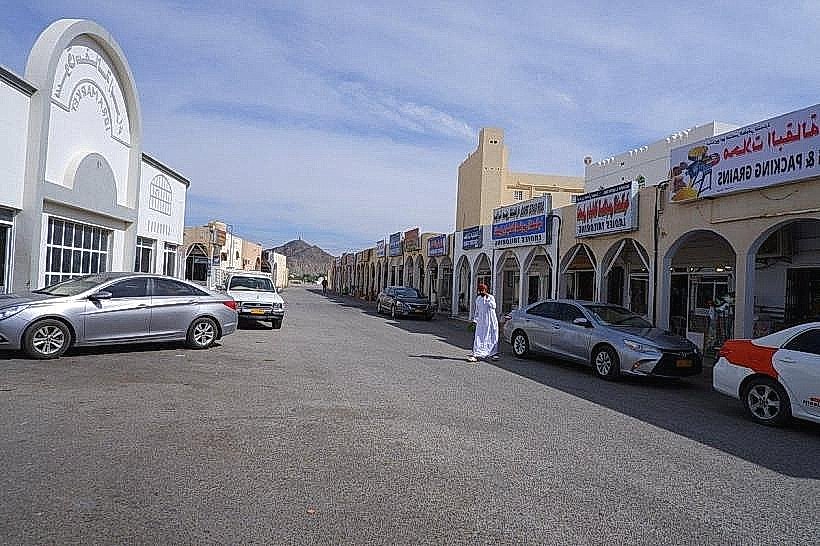
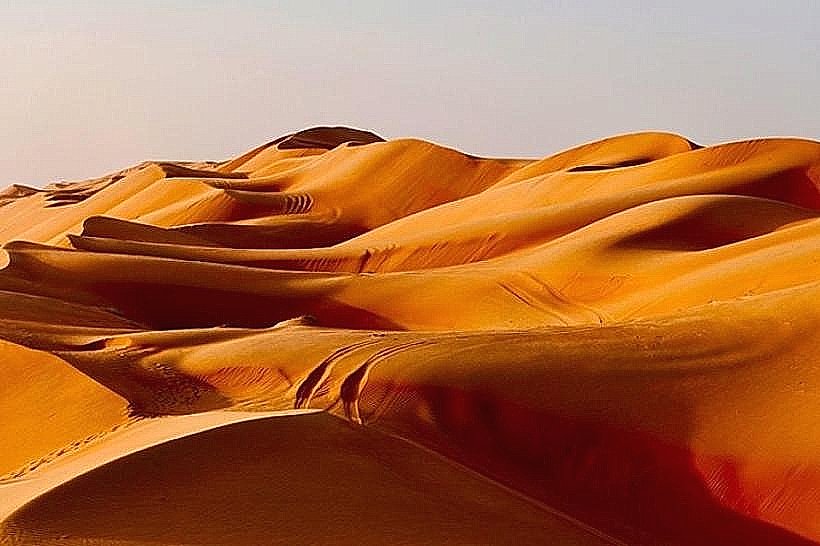
Ibra serves as the gateway to the North Sharqiyah region, positioned approximately 170 kilometers inland from the coast. The city is a critical commercial and historical hub, defined by its traditional architecture and its role as a link between the Al Hajar Mountains and the Wahiba Sands.
History & Culture
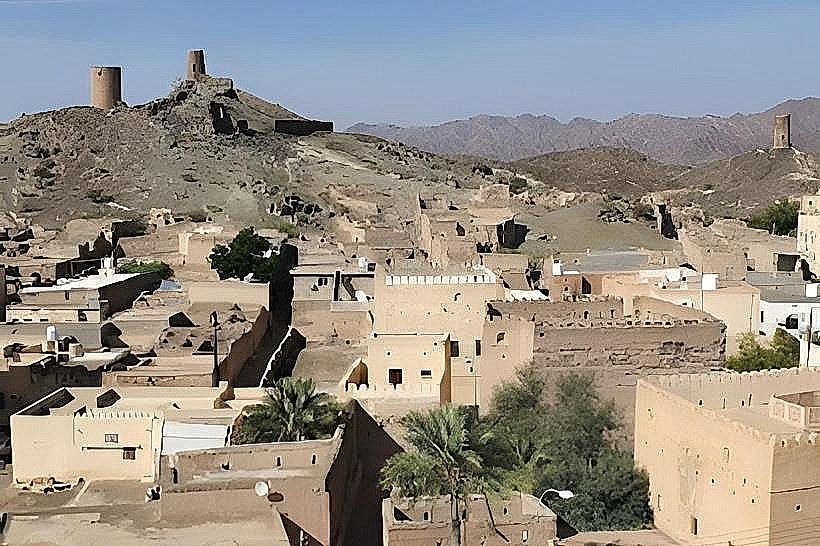
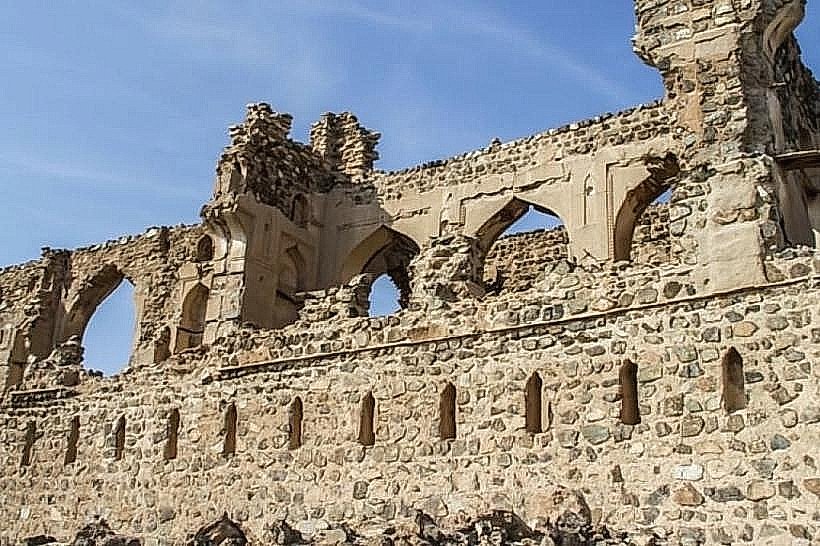
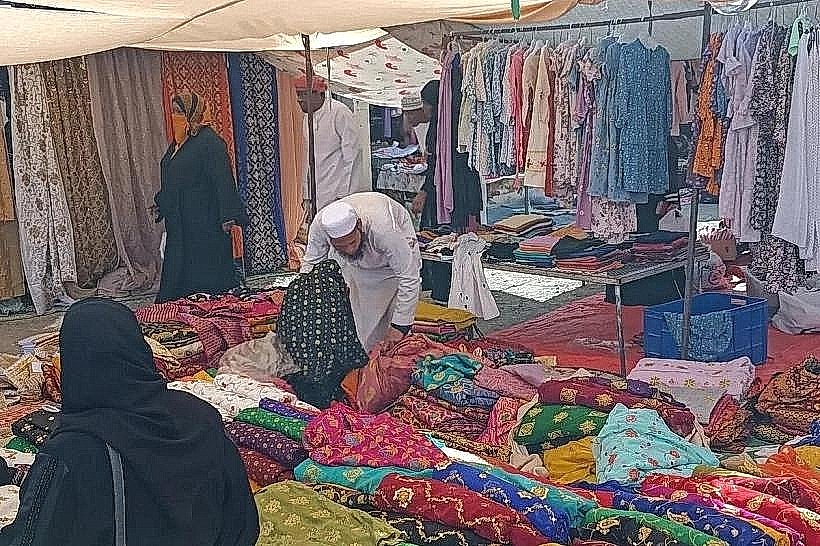
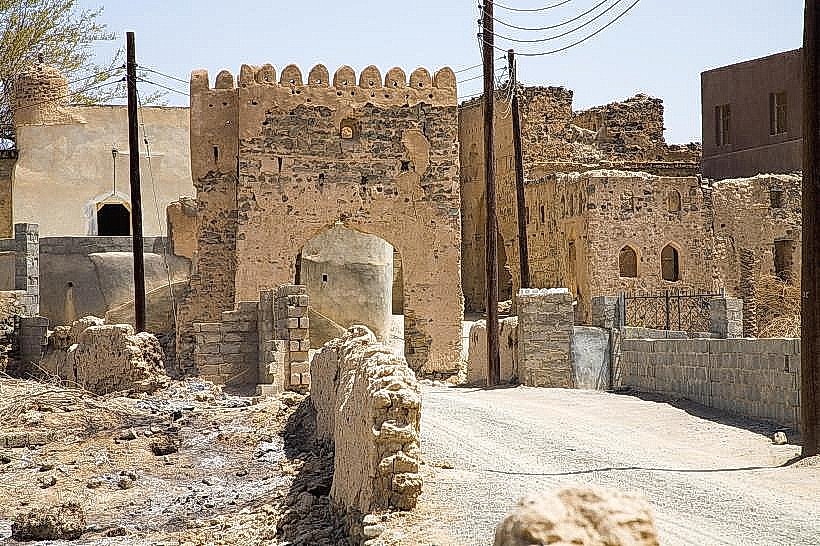
Ibra is one of the oldest cities in Oman, historically serving as a center for trade and religious scholarship. The city is famous for its distinct architectural heritage, particularly the Al Munisifeh district, which features mud-brick ruins dating back to the 18th and 19th centuries. The primary religious affiliation is Ibadism. A unique cultural norm is the "Ladies' Souq" held every Wednesday, which is a female-only marketplace where men are traditionally prohibited from entering or trading.
Language & Communication
Arabic is the official language. English proficiency is medium; it is understood by younger residents and shopkeepers but less common among the elderly in rural outskirts. The local Sharqiyah dialect is the dominant form of spoken Arabic.
Population & Economy
The population of Ibra is approximately 30,000. It functions as an urban administrative center for the surrounding rural villages. The regional economy is driven by government administration, retail trade, and agriculture. Small-scale farming focusing on dates and livestock remains a primary industry for the local labor market.
Visa & Entry Policy
As a domestic city, entry follows Omani national policy. EU, US, and UK passport holders benefit from the 14-day visa-free entry or the standard E-Visa system via the Royal Oman Police portal. There are no checkpoints between Muscat and Ibra, but valid identification is required for accommodation check-ins.
Currency & Payment Systems
The Omani Rial (OMR) is the currency. Cash is essential for the traditional souqs and smaller vendors. While major supermarkets and fuel stations accept card and tap-to-pay, the city remains more cash-dependent than Muscat. ATMs are widely available along the main commercial strip.
National Transport Grid
Transport between Ibra and other cities relies on the Route 23 highway. Mwasalat buses stop in Ibra on the Muscat-to-Sur route. Most residents and visitors rely on private vehicles or shared "engaged" taxis, which operate from a central taxi hub near the main souq.
Digital Infrastructure
Omantel and Ooredoo are the primary providers. 4G coverage is reliable throughout the city center and along the main highway. Signal strength is intermittent in the surrounding mountain wadis and the nearby sand dunes.
Climate & Seasonality
Ibra has a hot desert climate. Summer temperatures (May to August) frequently exceed 45°C. The dry season from October to March is the only period suitable for outdoor activities, with mild days and cool nights. Rainfall is rare and usually occurs during brief winter storms.
Health & Safety
There are no mandatory vaccines for domestic travel to Ibra. Heatstroke and dehydration are the primary environmental risks. Flash flooding in nearby wadis during rain is a significant localized hazard. The emergency number is 9999.
Top Major Regions & Cities
Al Munisifeh District: The historical hub of Ibra featuring abandoned mansions and traditional fortifications.
Wednesday Market (Ladies' Souq): The primary cultural hub for regional commerce located in the town center.
Al Harthy District: An administrative and residential hub representing the modern expansion of the city.
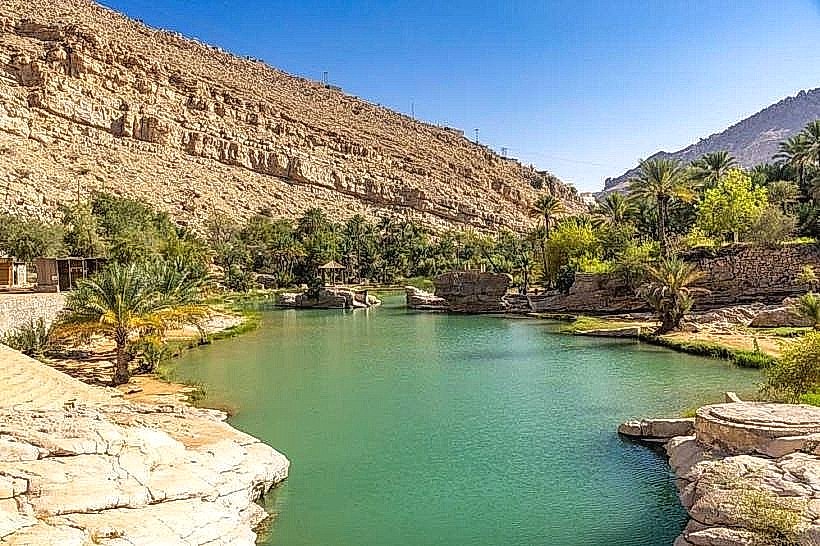
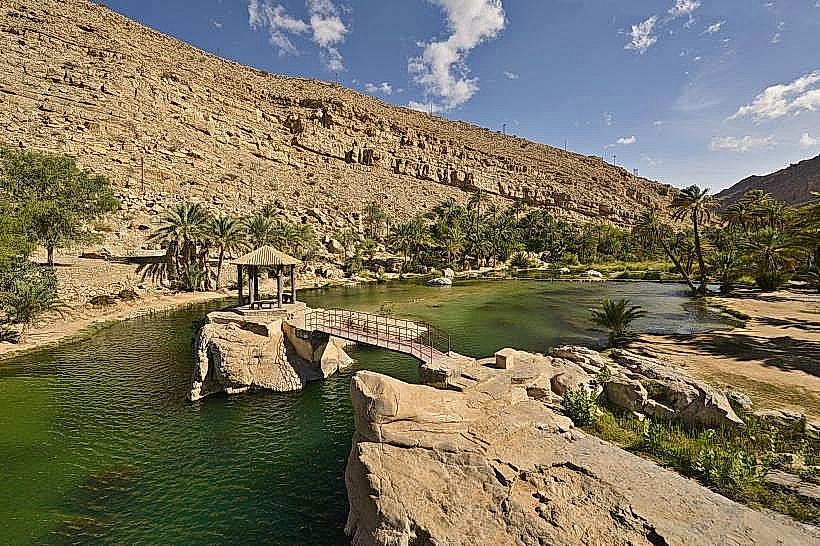
Wadi Bani Khalid: A major tourism region accessible via a short drive from Ibra, centered around the village of Muqhal.
Local Cost Index
1L Water: 0.200 OMR ($0.52 USD)
1 Domestic Beer: Not available; there are no licensed alcohol outlets in Ibra.
1 Sim Card (10GB Data): 5.000 OMR ($13.00 USD)
Facts & Legends
According to local folklore, the Al Munisifeh ruins are said to be protected by unseen guardians who ensure the preservation of the old family crests carved into the wooden doors. Historically, the wealth of Ibra’s merchant families was so great that they built multi-story houses with intricate ventilation systems, a rarity in the interior desert at the time, to display their status gained from the Zanzibar trade.