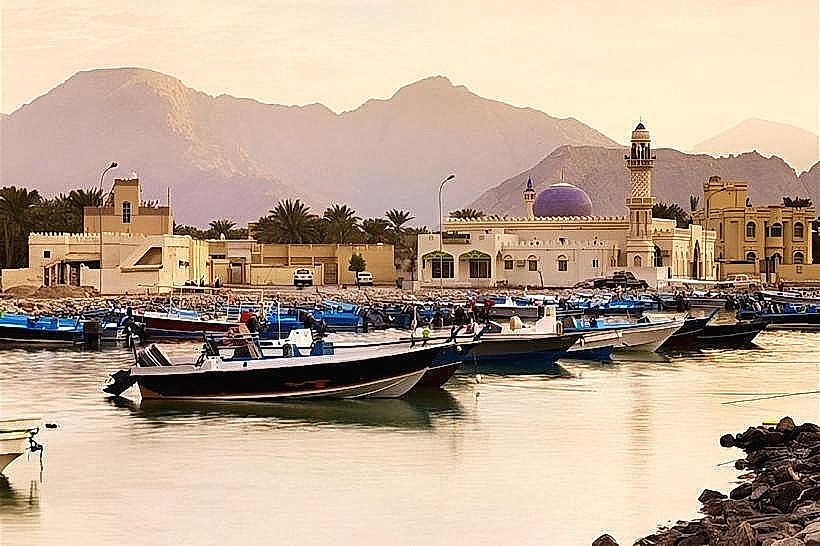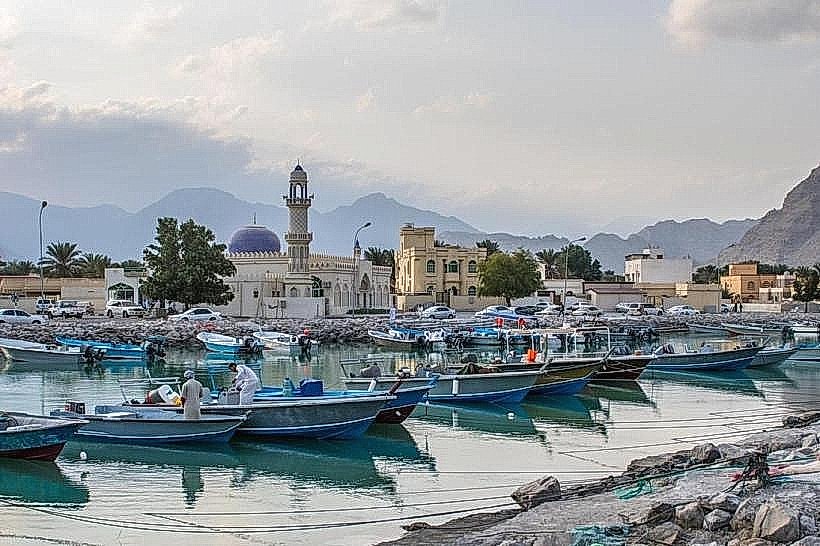
City: Khasab
Country: Oman
Continent: Asia
Khasab, Oman, Asia
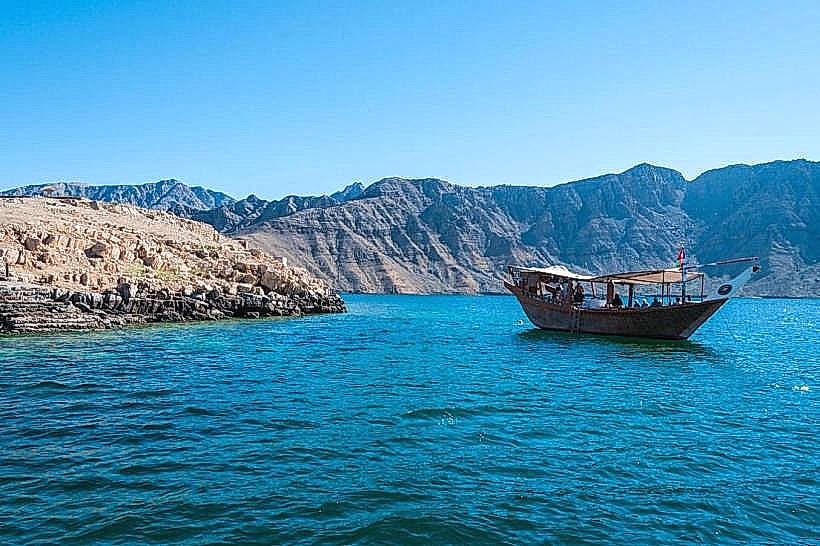
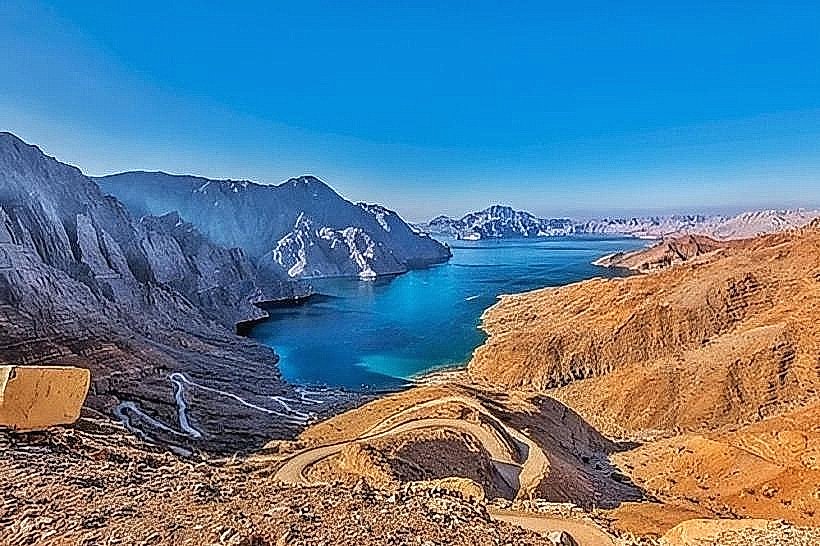
Khasab serves as the administrative capital of the Musandam Governorate, an Omani exclave separated from the mainland by the United Arab Emirates. It is strategically located on the southern tip of the Strait of Hormuz, positioned at the mouth of the "Fjords of Arabia."
Historical Timeline
Khasab was established as a strategic maritime outpost in the 17th century, with the Portuguese building the first permanent fortifications to control the entrance to the Persian Gulf. The city’s primary era of modern governance began in the 1970s following the consolidation of the Omani state. The most significant architectural and political reconstruction occurred in the late 1980s with the expansion of the Khasab Port and the construction of the coastal road, which integrated the isolated fishing villages into a centralized urban hub.
Demographics & Population
The total population of Khasab is approximately 18,000, while the Musandam Governorate totals roughly 50,000. Omani nationals (predominantly the Shihuh tribe) make up 60% of the population, followed by Indian (20%) and Pakistani (15%) expatriates. The median age is approximately 29 years.
Urban Layout & Key Districts
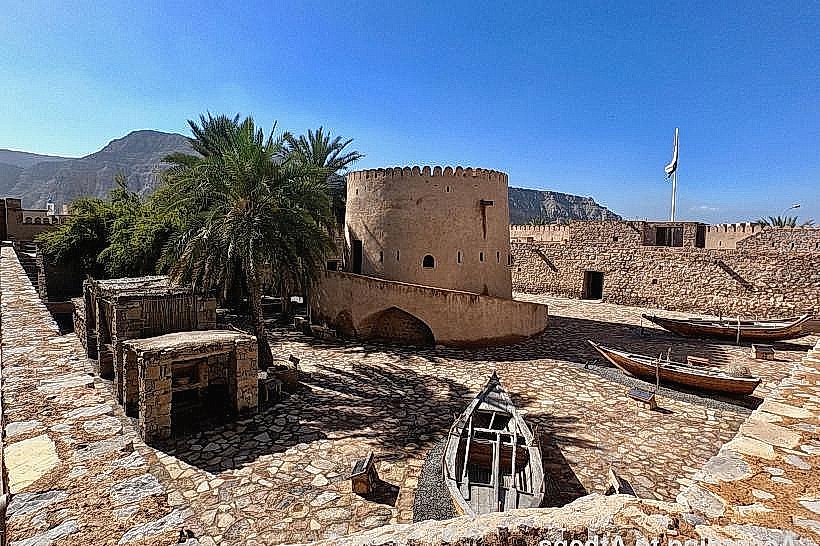
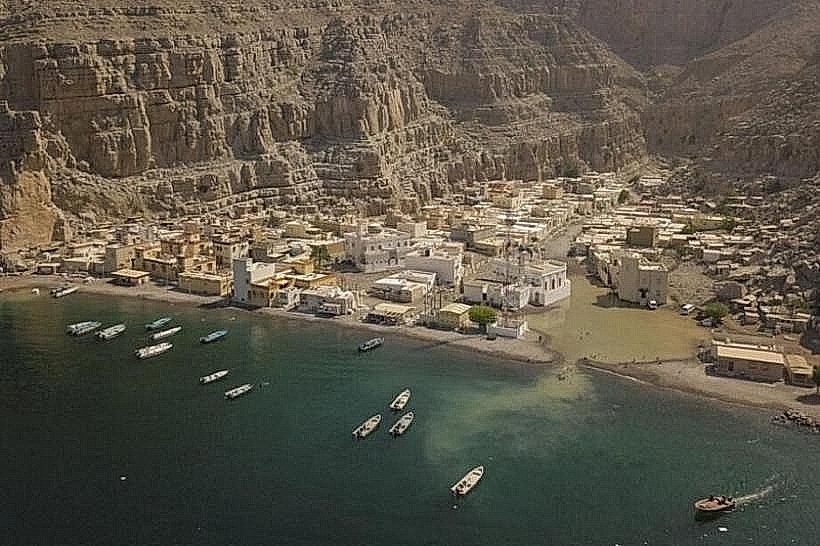
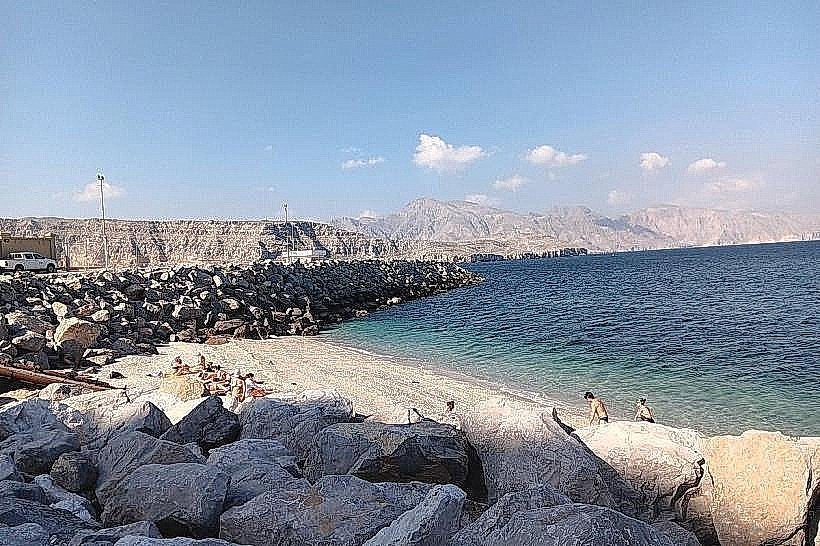
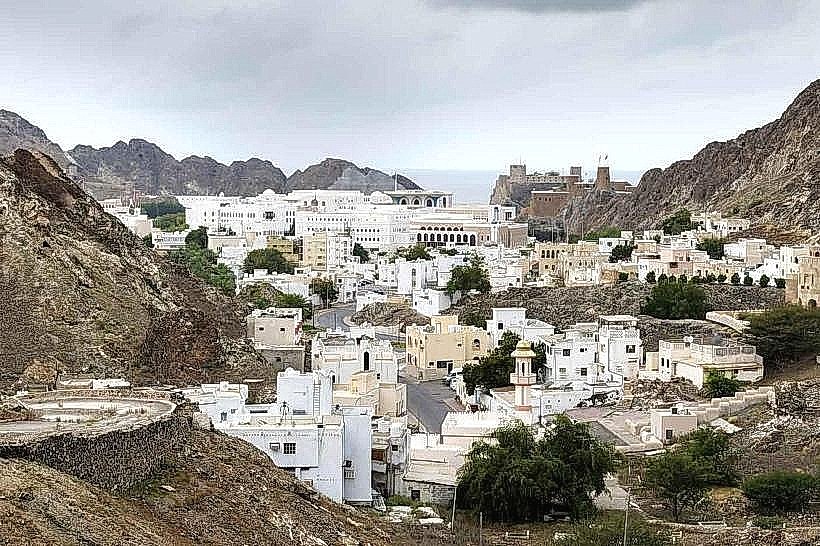
The city is organized linearly between steep limestone cliffs and the sea. The Port District (Khasab Port) is the logistical center for dhow cruises and trade; the Old City (Khasab Souq) contains the historic fort and traditional markets; and the New Khasab District (Al Suwaiqah) serves as the primary residential and governmental expansion area to the west.
Top City Landmarks
Khasab Castle
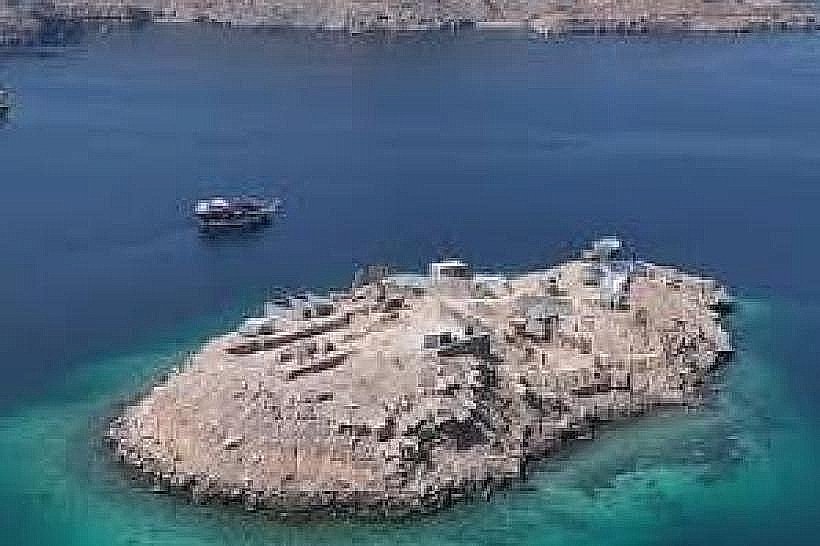
Telegraph Island (Jazirat al Maqlab)
Khawr Najd (Mountain overlook)
Alkmazara Fort
Transportation Network
Movement within Khasab is limited to private vehicles or hotel-arranged shuttles. There is no public bus or metro system. A few independent taxis (white and orange) operate, but most logistics are handled by tour operators. Traffic density is extremely low. The city is accessible via the Khasab Airport (KHS) or the coastal road from the UAE (Tibat border).
Safety & "Red Zones"
Khasab is exceptionally safe with nearly zero reported violent crime. There are no neighborhoods to avoid. Visitors should be aware of the heavy maritime traffic in the Strait of Hormuz and follow local regulations regarding photography near military or port installations.
Digital & Financial Infrastructure
Average internet speeds range from 30–50 Mbps. The main carriers are Omantel and Ooredoo. Card acceptance is limited to hotels and the main Lulu Hypermarket; cash (OMR or AED in some cases) is required for dhow tours and local shops. ATMs are available in the central commercial strip.
Climate & Air Quality
Summer temperatures (May–September) range from 35°C to 45°C with extreme humidity. Winter temperatures (December–March) are mild, ranging from 15°C to 25°C. Air quality is very high due to the lack of heavy industry, though the region is prone to high winds and rough seas during the "Shamal" wind season.
Culture & Social Norms
Tipping is not standard but 5% is common for tour guides. Handshakes are the standard greeting. Conservative dress is required in town, though swimwear is permitted on private dhow tours. Alcohol is only available at the Atana Khasab and Atana Musandam hotels; it is strictly prohibited in public areas.
Accommodation Zones
Stay in the Port Area for immediate access to dhow cruises and maritime activities.
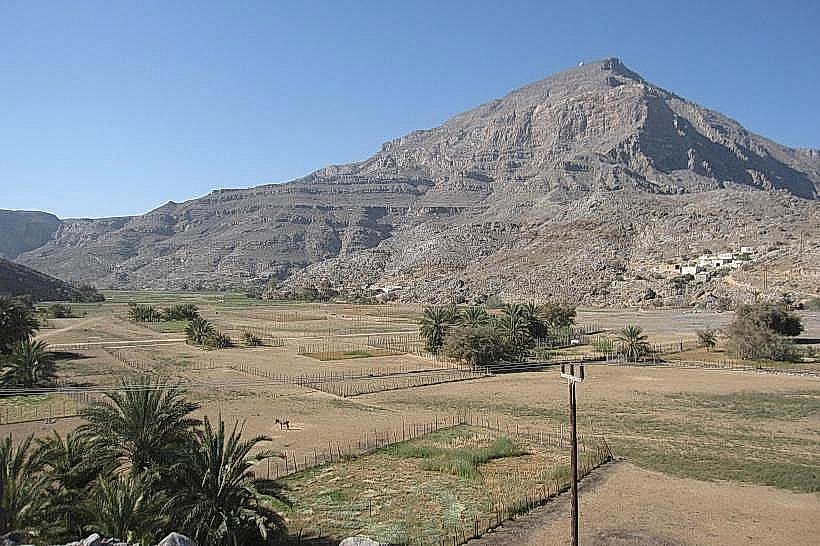
Stay in New Khasab for a quieter residential experience near the mountains.
Local Cost Index
1 Espresso: 1.60 OMR ($4.16 USD)
1 Standard Lunch: 4.00 OMR ($10.40 USD)
1 Dhow Cruise Ticket (Half-day): 15.00 OMR ($39.00 USD)
Nearby Day Trips
Kumzar Village: Accessible only by boat (1 hour)
Jebel Harim (Mountain of Women): 35 km (1 hour, 4WD required)
Khor Ash Sham: Accessible by dhow from the port (20 minutes)
Bukha Fort: 30 km (30 minutes via coastal road)
Facts & Legends
Khasab is known for the unique "Kumzari" language spoken in nearby Kumzar, which is a composite of Arabic, Farsi, Hindi, English, and Portuguese, reflecting the city’s role at a global maritime crossroads. A local legend claims that the "Mountain of Women" (Jebel Harim) was used as a sanctuary by local women to hide from pirates and invaders while the men were away at sea.