City: Malindi
Country: Kenya
Continent: Africa
Malindi, Kenya, Africa
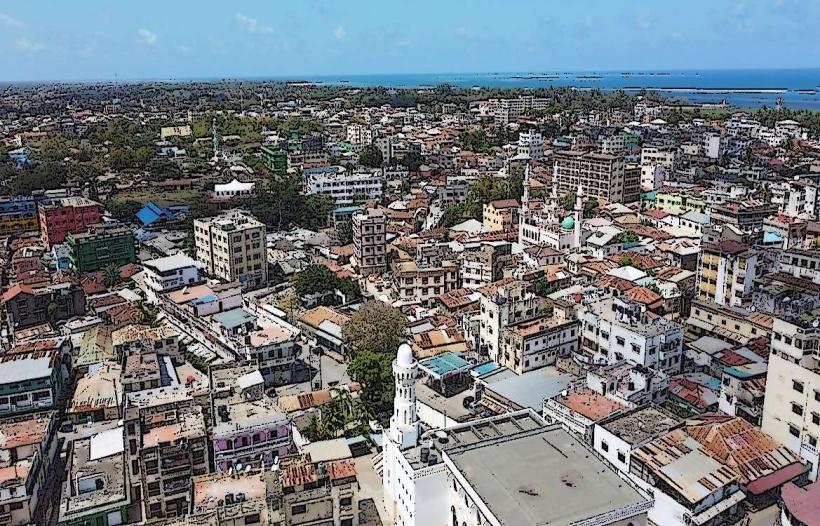
Malindi is a coastal town in Kilifi County, situated on Malindi Bay at the mouth of the Sabaki River. It is the second-largest urban center on the Kenyan coast after Mombasa and is located approximately 120 kilometers north of Mombasa.
Historical Timeline
Malindi has been a Swahili settlement since the 9th century. The primary event shaping its history was the 1498 arrival of Vasco da Gama; unlike Mombasa, Malindi formed an alliance with the Portuguese, leading to its role as a key supply port for voyages to India. In the 20th century, the town became a center for the Italian space program (San Marco Broglio Space Centre) and a major European tourism hub, particularly for Italian expatriates.
Demographics & Population
The estimated metropolitan population for 2026 is 135,000. The demographics are a mixture of Swahili, Mijikenda (predominantly Giriama), and a significant Italian expatriate community. The median age is approximately 20.8 years.
Urban Layout & Key Districts
The town is organized along the beachfront and the B8 highway.
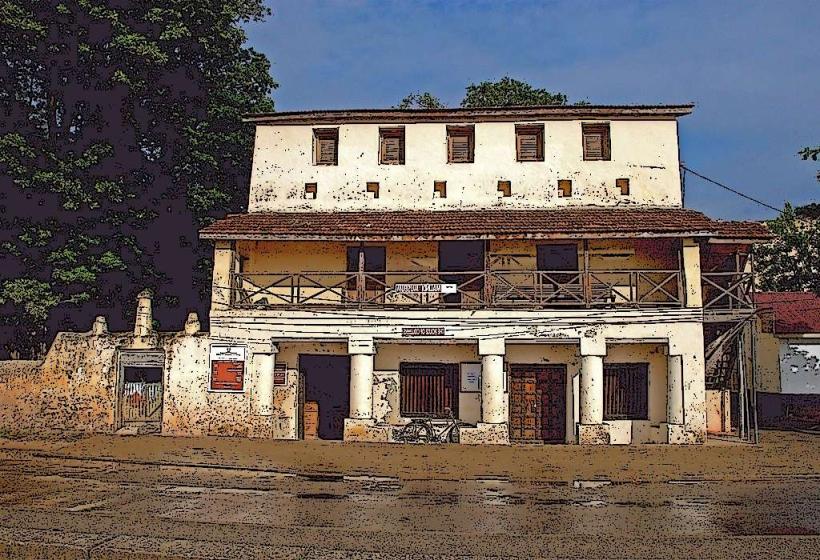
The Old Town: A cluster of Swahili architecture and narrow streets near the jetty.
The Italian Quarter (Silversands): The southeastern beachfront area dominated by luxury villas and resorts.
Malindi Central: The commercial core centered on the main market and bus station.
Shella: A residential district extending toward the north.
Top City Landmarks
Vasco da Gama Pillar: A coral limestone cross erected in 1498, one of the oldest European monuments in Africa.
Portuguese Chapel: A small thatched-roof chapel built around 1502.
Malindi Marine National Park: One of the oldest marine parks in Africa, featuring coral gardens and fringing reefs.
Falconry of Kenya: A sanctuary for birds of prey and reptiles.
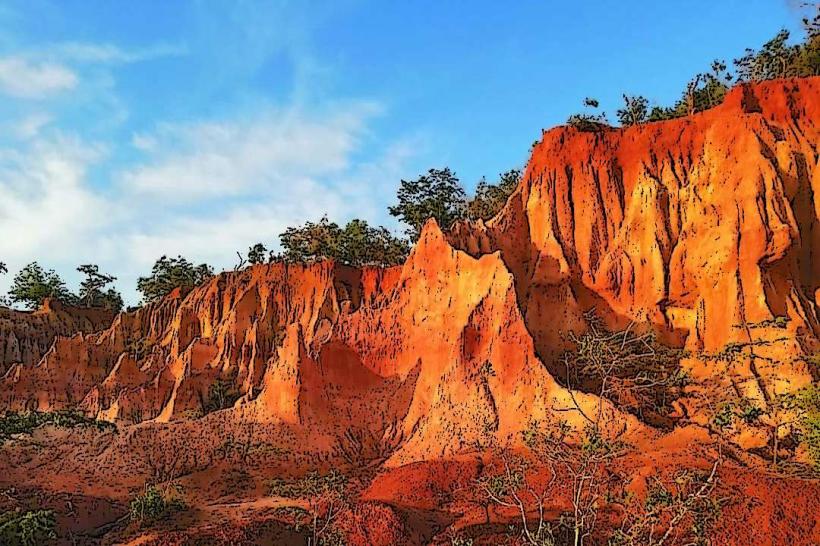
Marafa Depression (Hell's Kitchen): A series of sandstone gorges 40 km outside the town.
Transportation Network
Intra-city transit is dominated by Tuk-tuks, Boda Bodas, and Matatus. Malindi Airport (MYD) provides frequent domestic flights to Nairobi and Lamu. There is no rail service; the city is connected to Mombasa via the B8 highway. Traffic is generally low but increases during the peak tourism months of December and August.
Safety & "Red Zones"
The general safety level is high. Petty theft is common on public beaches and in the market area. There are no specific "red zones," though travelers should avoid walking alone at night in the Shella and airport road areas. Ocean safety is a priority; the mouth of the Sabaki River has strong currents and is known for occasional crocodile sightings.
Digital & Financial Infrastructure
Internet speeds average 25–40 Mbps. Main carriers are Safaricom and Airtel. M-Pesa is the primary payment method. ATMs are ubiquitous along the main road and near the Galana Shopping Centre. Credit card acceptance is common in Italian-owned resorts and large supermarkets but low in the Old Town.
Climate & Air Quality
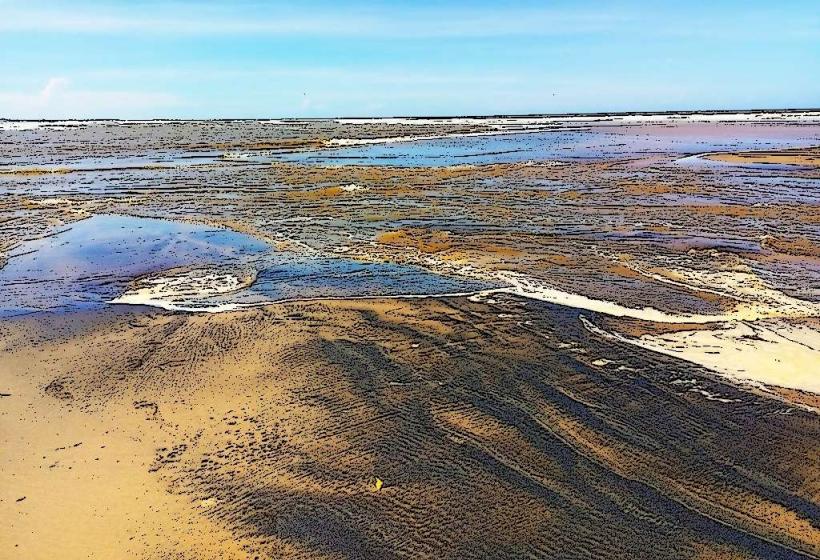
Temperatures range from 23°C to 31°C. The climate is tropical and humid. Air quality is excellent due to Indian Ocean trade winds. Significant weather risks include heavy flooding during the monsoon seasons (April–June), which can cause the Sabaki River to deposit large amounts of brown silt into the bay, temporarily affecting beach aesthetics.
Culture & Social Norms
The town has a unique "Italo-Swahili" culture; Italian is widely spoken by locals in the tourism sector. Tipping is standard at 10%. Modest dress is expected in the Old Town and near mosques, while beachwear is standard in the resort districts. Shaking hands is the standard greeting.
Accommodation Zones
Silversands: Recommended for luxury villas, resort stays, and proximity to the Marine Park.
Casuarina: Recommended for quiet, high-end residential stays.
Local Cost Index
1 Espresso: 250 KES ($1.60 USD)
1 Standard Lunch (Pasta or Seafood): 900 KES ($5.80 USD)
1 Tuk-tuk Trip (Short): 150 KES ($1.00 USD)
Nearby Day Trips
Watamu: 25 km (Known for white sand beaches and the Gede Ruins).
Gede Ruins: 20 km (A 12th-century abandoned Swahili forest city).
Arabuko Sokoke Forest: 30 km (The largest remaining coastal forest in East Africa).
Facts & Legends
Malindi is often called "Little Italy" because of its thousands of Italian residents and specialized pizzerias. A local legend suggests that the Gede Ruins were abandoned overnight due to a "plague of spirits," though archaeologists cite water shortages. A verified historical oddity is the Malindi Space Centre (San Marco), located offshore in the bay, which was used by Italy to launch satellites between 1967 and 1988 due to its proximity to the Equator.