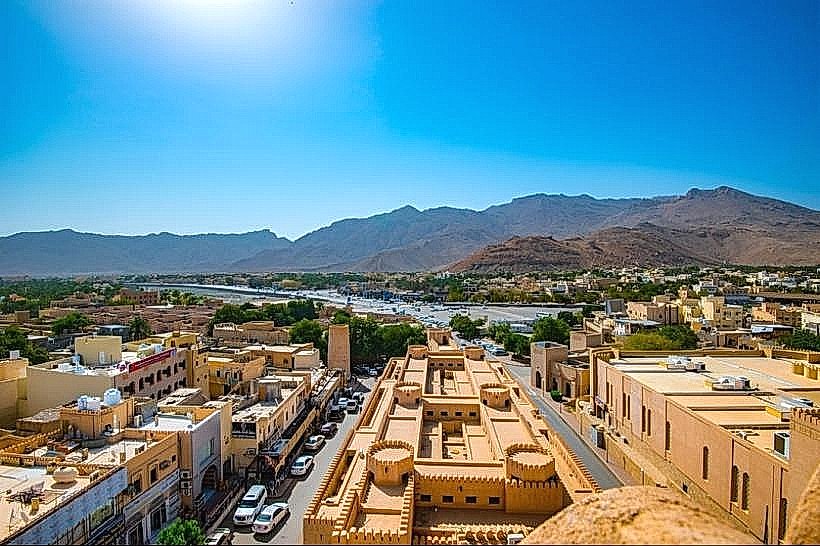
City: Nizwa
Country: Oman
Continent: Asia
Nizwa, Oman, Asia
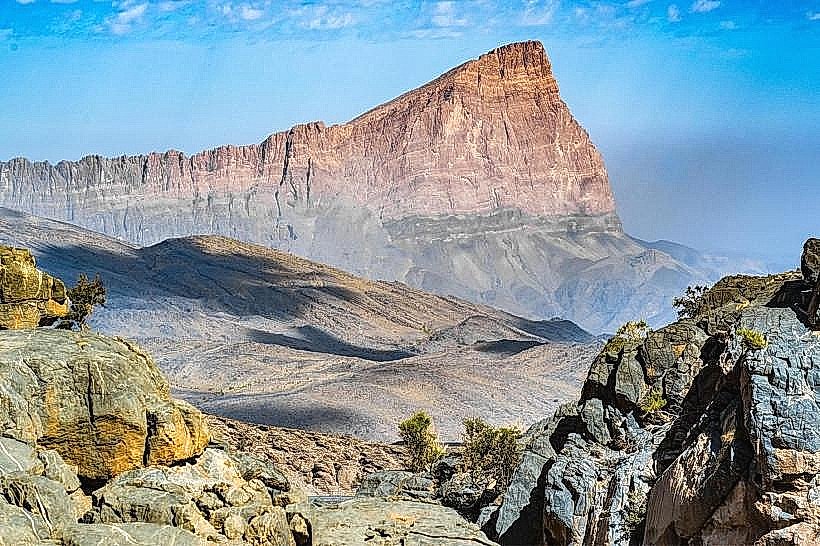
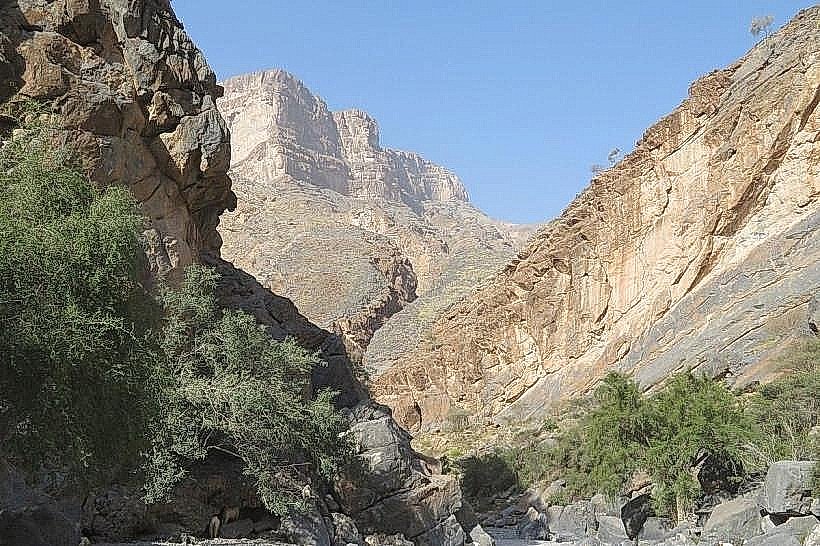
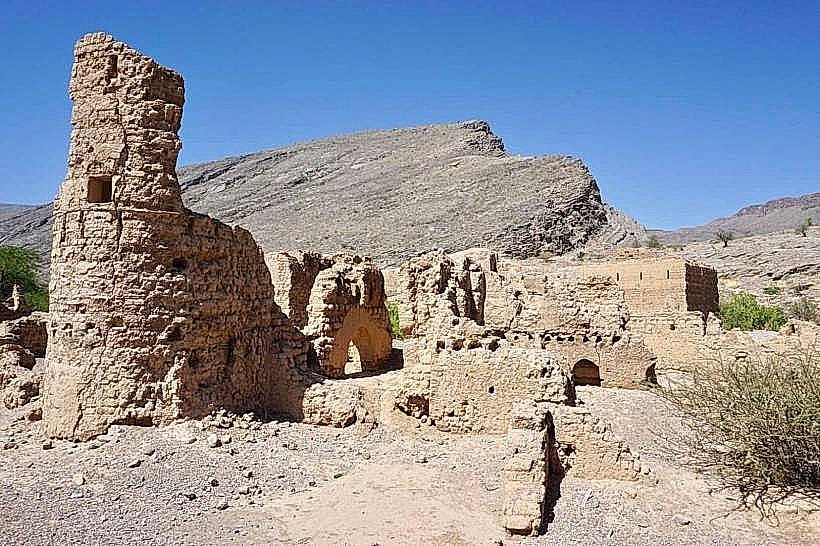
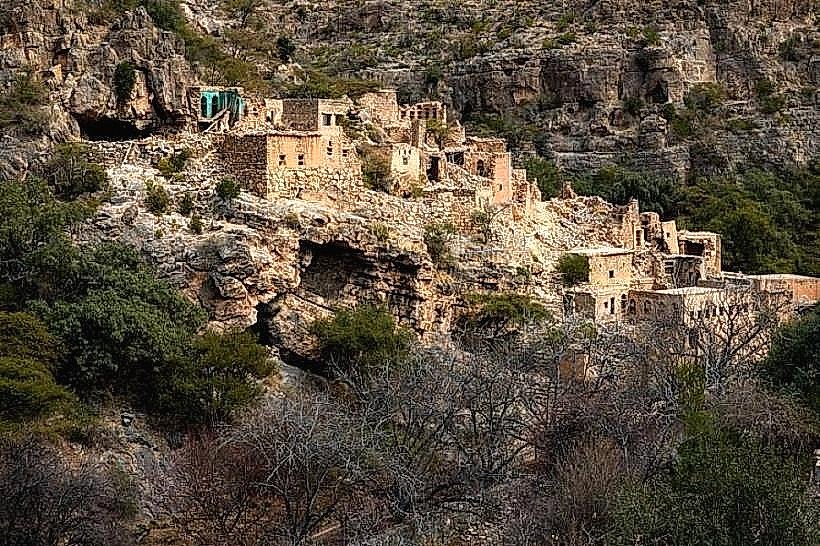
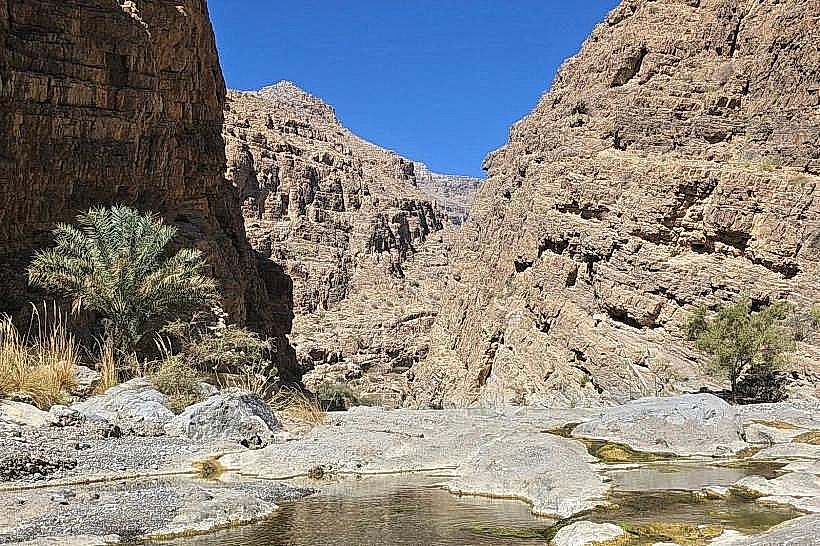
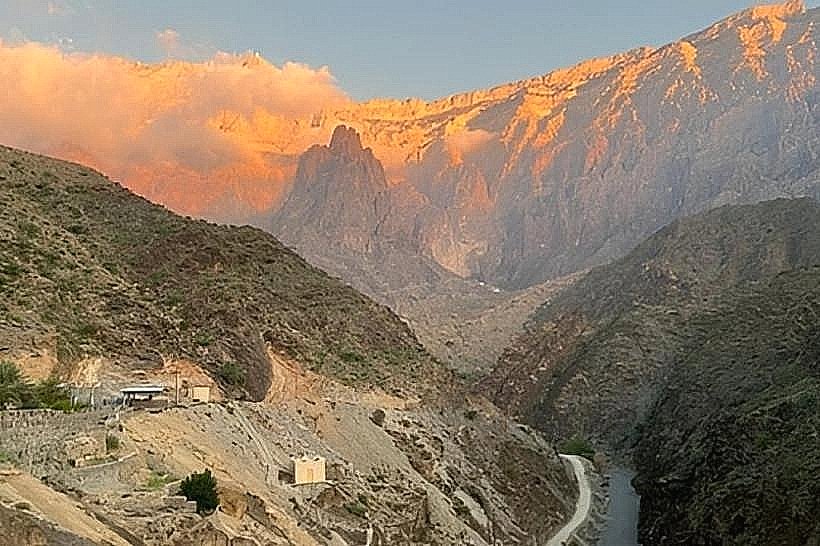
Nizwa serves as the regional center of the Ad Dakhiliyah Governorate and remains the historical bastion of Omani Islamic scholarship and jurisprudence. It is located at the base of the Western Al Hajar Mountains, approximately 140 kilometers inland from the coastal capital of Muscat.
Historical Timeline
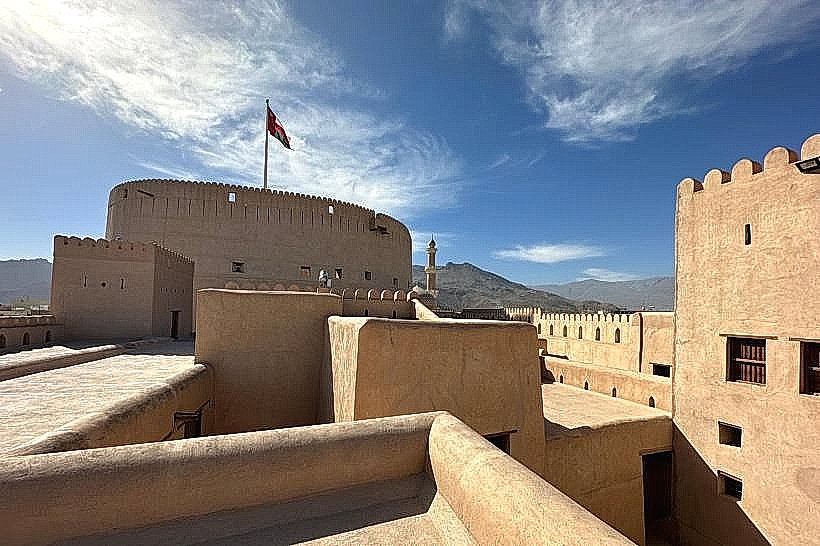
Nizwa was the capital of Oman during the 6th and 7th centuries and served as the seat of the Ibadi Imamate until the mid-20th century. The city underwent its most significant architectural reconstruction in the 1650s under Imam Sultan bin Saif Al Yarubi, who built the iconic Nizwa Fort. The primary event shaping the current urban form was the 1950s Jebel Akhdar War, which led to the integration of the interior imamate into the centralized Sultanate.
Demographics & Population
The total population of the Nizwa Wilayat is approximately 130,000. Omani nationals constitute the majority at 65%, followed by Indian (20%) and Bangladeshi (10%) expatriates. The median age of the population is 26 years.
Urban Layout & Key Districts
The city is organized around the intersection of the Wadi Kalbou and Wadi Abyad. The Historic Center (Al Aqar) contains the fort and traditional markets; the Commercial District (Firq) serves as the modern gateway at the junction of the Muscat highway; and the Residential District (Birkat Al Mouz) lies at the foot of Jebel Akhdar to the east.
Top City Landmarks
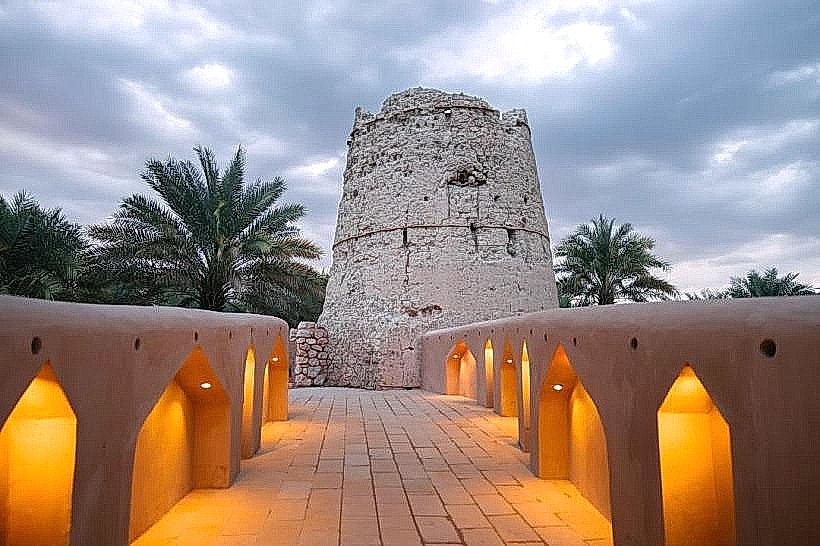
Nizwa Fort (Circular Tower)
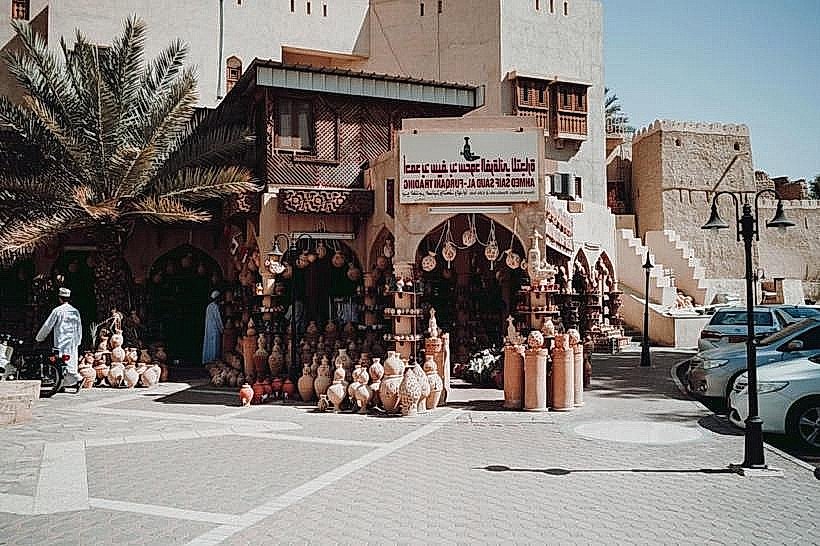
Nizwa Souq (Traditional Market)
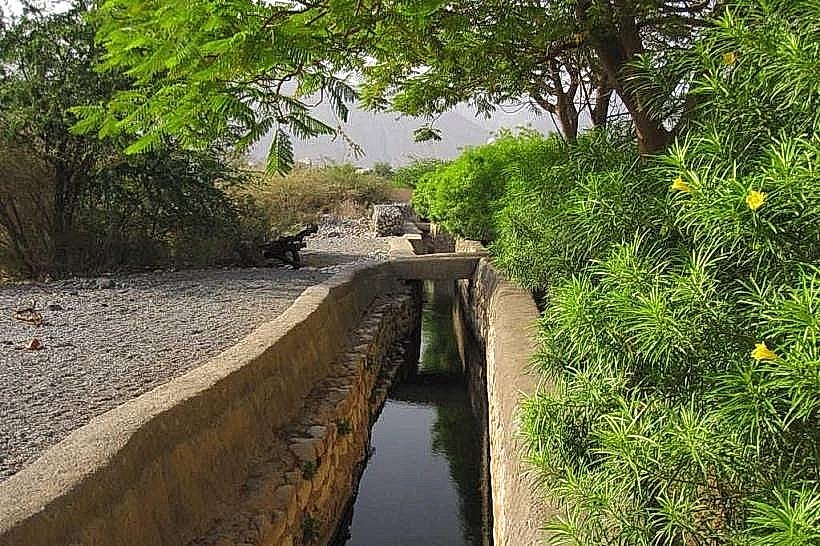
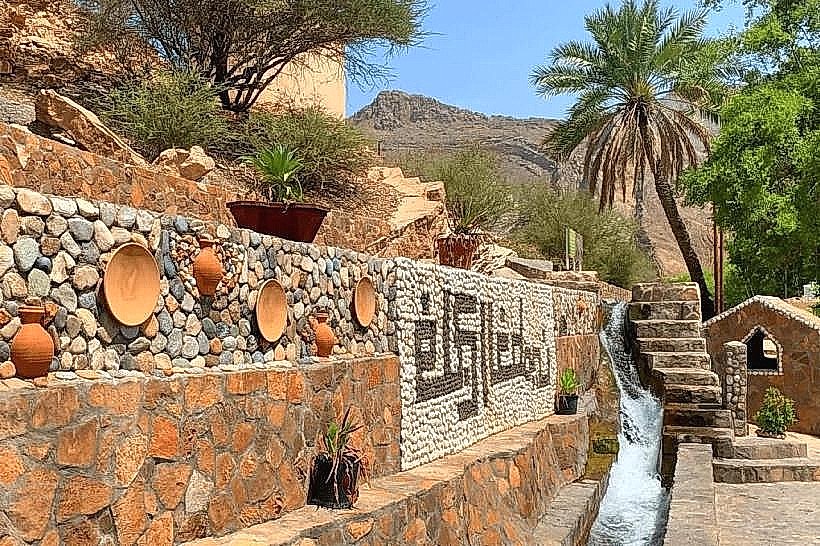
Falaj Daris (UNESCO World Heritage irrigation system)
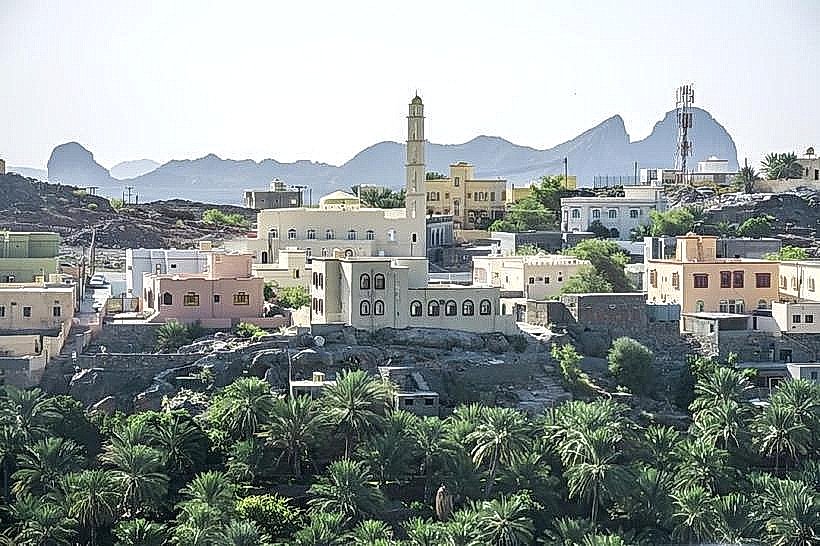
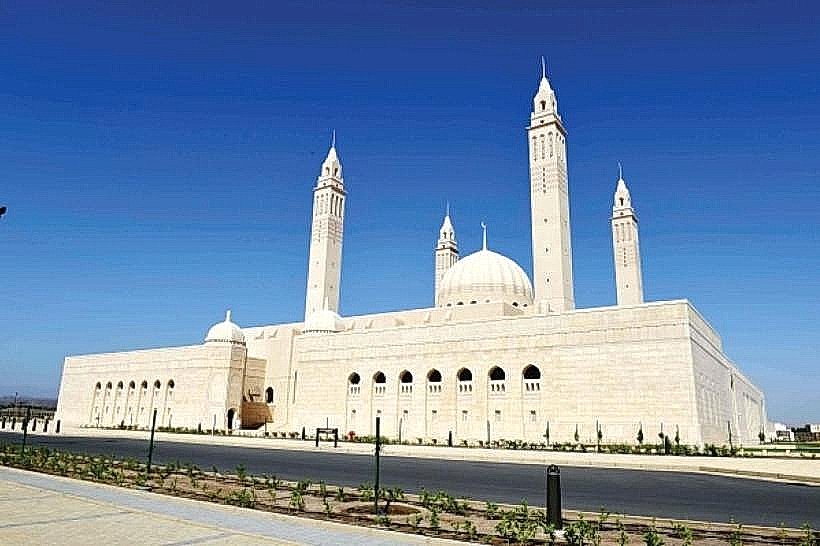
Sultan Qaboos Mosque (Nizwa)
Al Aqar Quarter (Ancient walled neighborhood)
Transportation Network
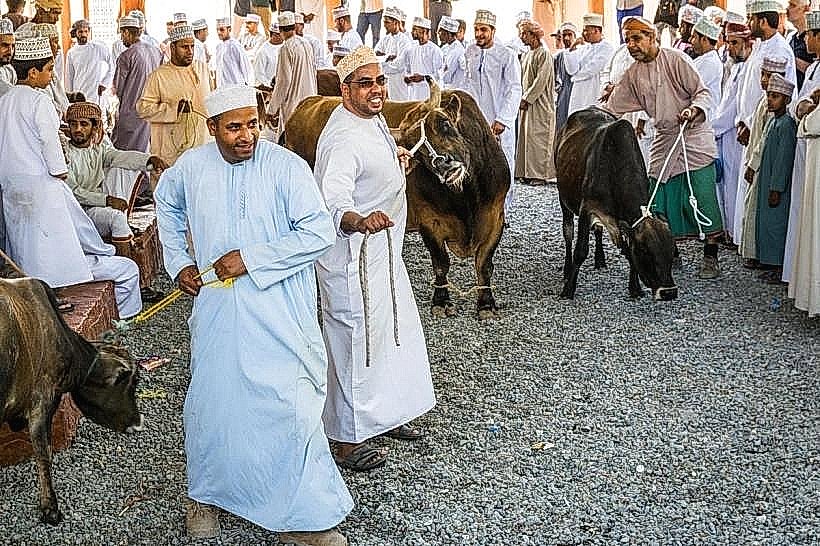
Intra-city movement relies on private vehicles or "engaged" taxis. Mwasalat operates long-distance buses connecting Nizwa to Muscat and Salalah, but there is no local bus network. "Otaxi" is available but has lower density than in Muscat. Taxis are white and orange. Traffic density is moderate, peaking on Friday mornings during the livestock market.
Safety & "Red Zones"
Nizwa is exceptionally safe with negligible crime rates. There are no specific neighborhoods to avoid. Visitors should be aware that the city is more socially conservative than Muscat, and respectful behavior is expected at all times.
Digital & Financial Infrastructure
Average internet speeds range from 30–60 Mbps. Main mobile carriers are Omantel and Ooredoo. Card acceptance is high in modern supermarkets and hotels, but the livestock and craft souqs operate strictly on a cash-only basis. ATMs are concentrated in the Firq and Souq areas.
Climate & Air Quality
Summer temperatures (May–August) frequently exceed 45°C with very low humidity. Winter temperatures (December–February) range from 12°C to 25°C. Air quality is very high due to the inland mountain location, though seasonal dust winds can reduce visibility in the surrounding plains.
Culture & Social Norms
Tipping is not standard but small change is accepted. Handshakes are the common greeting among men. Dress code is strictly conservative; both men and women must ensure shoulders and legs are covered. Alcohol is not sold in the city, and smoking is prohibited in most public areas.
Accommodation Zones
Stay in the Al Aqar district for immediate walking access to the historic fort and souq.
Stay in Birkat Al Mouz for proximity to mountain hiking trails and a quieter environment.
Local Cost Index
1 Espresso: 1.40 OMR ($3.64 USD)
1 Standard Lunch: 3.00 OMR ($7.80 USD)
1 Bus Ticket (to Muscat): 2.00 OMR ($5.20 USD)
Nearby Day Trips
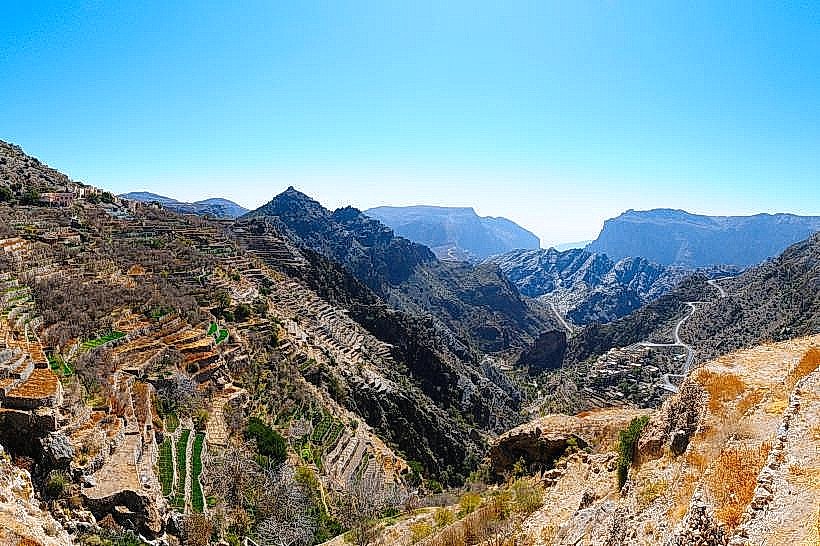
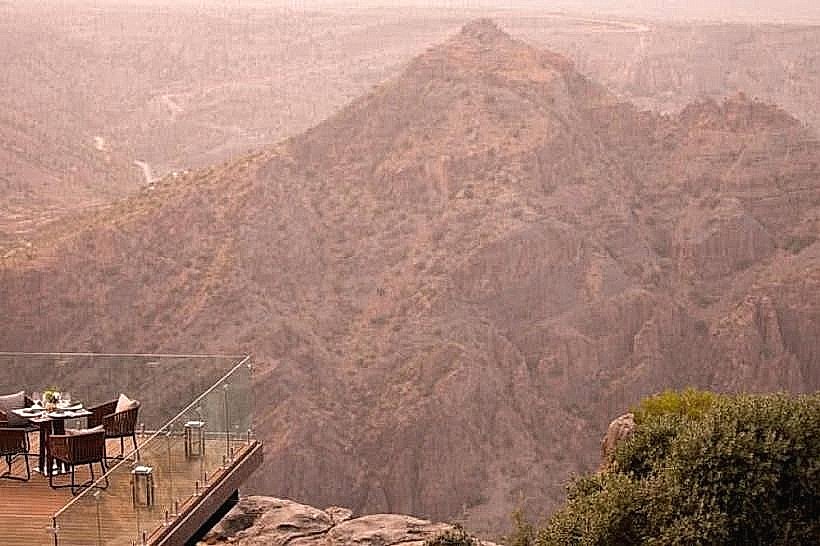
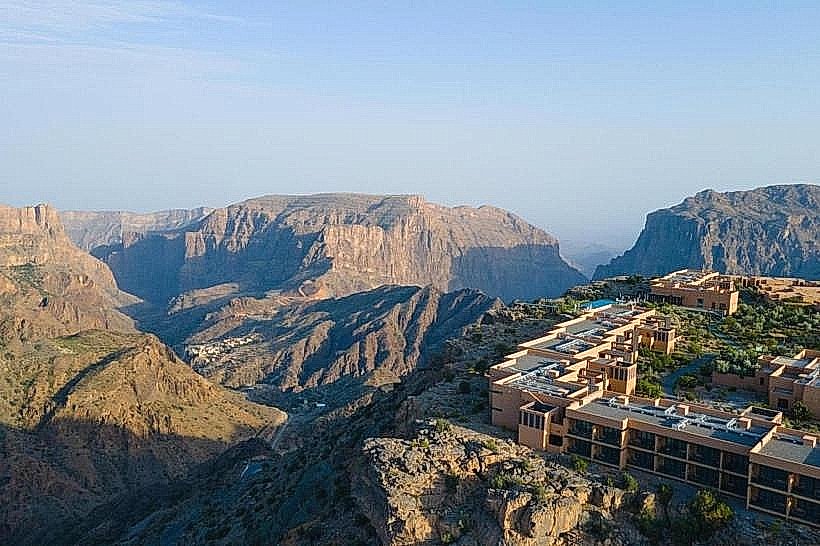
Jebel Akhdar (Green Mountain): 30 km (45 minutes, 4WD required)
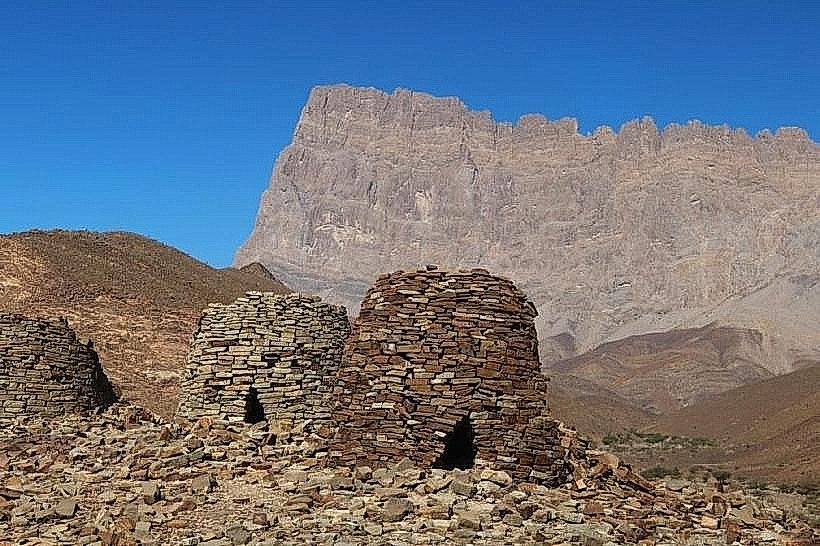
Bahla Fort (UNESCO site): 40 km (30 minutes)
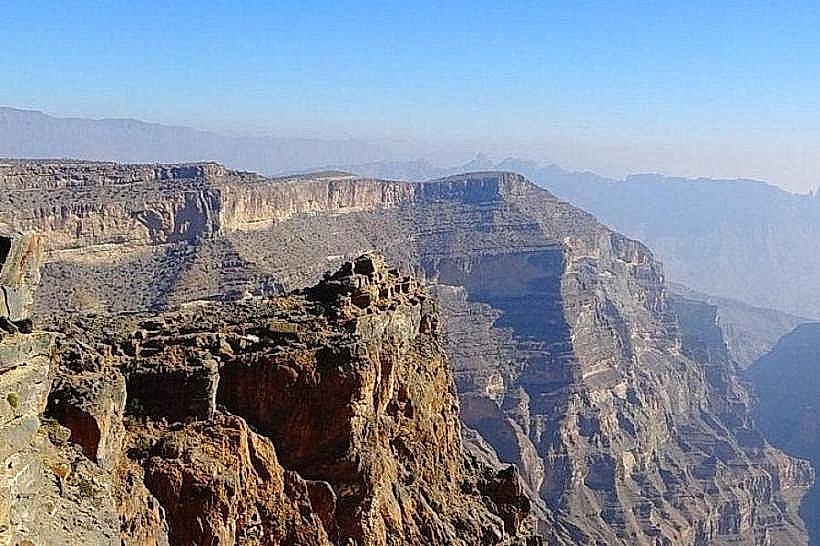
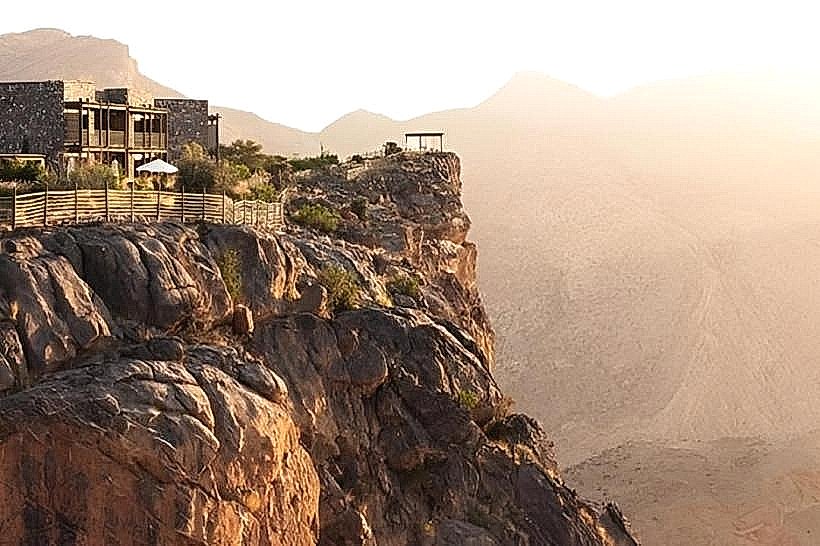
Jebel Shams (Grand Canyon of Oman): 90 km (1 hour 45 minutes)
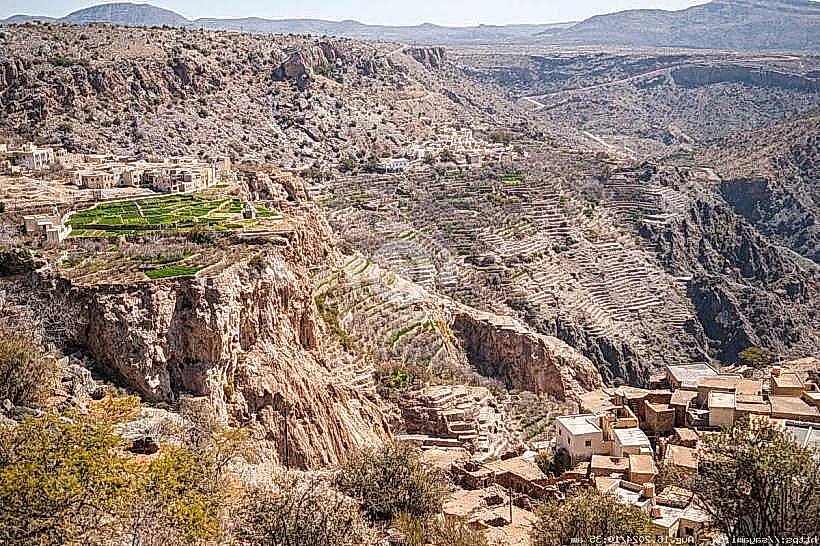
Al Hamra / Misfat Al Abriyeen: 50 km (45 minutes)
Facts & Legends
Nizwa is famous for its Friday livestock market, where the traditional "circling" auction of goats and cows has remained unchanged for centuries. A local historical oddity is the design of the Nizwa Fort’s "murder holes"-slots above the doors used to pour boiling date syrup on invaders, a unique local adaptation of traditional boiling oil defenses.