City: Nyamasheke
Country: Rwanda
Continent: Africa
Nyamasheke, Rwanda, Africa
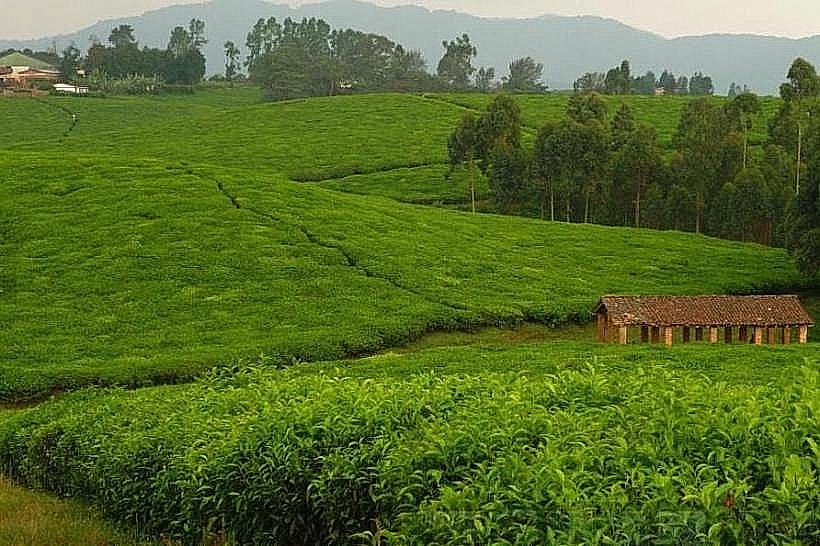
Nyamasheke serves as a vital maritime and agricultural hub in the Western Province, situated on the southwestern shores of Lake Kivu. The city functions as a primary link between the deep-water ports of the lake and the high-altitude tea and coffee plantations bordering Nyungwe National Park.
Historical Timeline
Nyamasheke’s modern history began in 1898 when Captain Bethe established the first German colonial military post at Shangi. This was followed by the arrival of the first Catholic missionaries in 1900, marking the city as a primary site for early colonial and religious expansion in Rwanda. The most significant architectural and administrative reconstruction occurred post-2006, following a national territorial reform that consolidated the region into the Nyamasheke District with Kagano as its capital. The primary event shaping the current urban form was the 1994 genocide, which necessitated a transition from a fragmented colonial outpost to a modern, centralized administrative town with a focus on reconciliation and memorialization.
Demographics & Population
The total population of the Nyamasheke District is approximately 434,221 (2022 Census), with the urban population concentrated in the Kagano and Kanjongo sectors totaling roughly 33,000. In accordance with national policy, ethnic data is not officially recorded; the population is predominantly Rwandan with a median age of 19.3 years.
Urban Layout & Key Districts
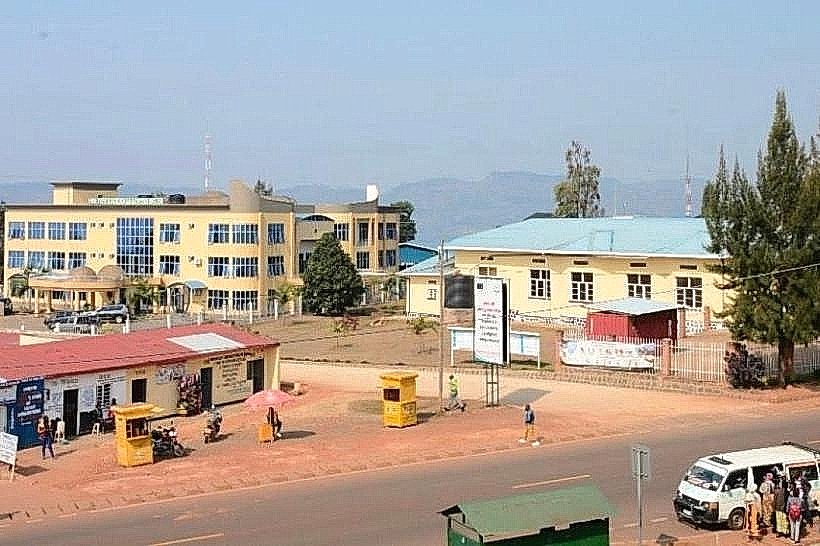
The city is organized along the undulating shoreline of Lake Kivu and the high ridges overlooking the water. Kagano serves as the administrative core and capital, housing district offices and the main hospital. Shangi, located to the west, is the historical district containing colonial-era sites and early mission buildings. Bushenge is a major commercial and healthcare sub-center, known for its strategic position on the road to Rusizi.
Top City Landmarks
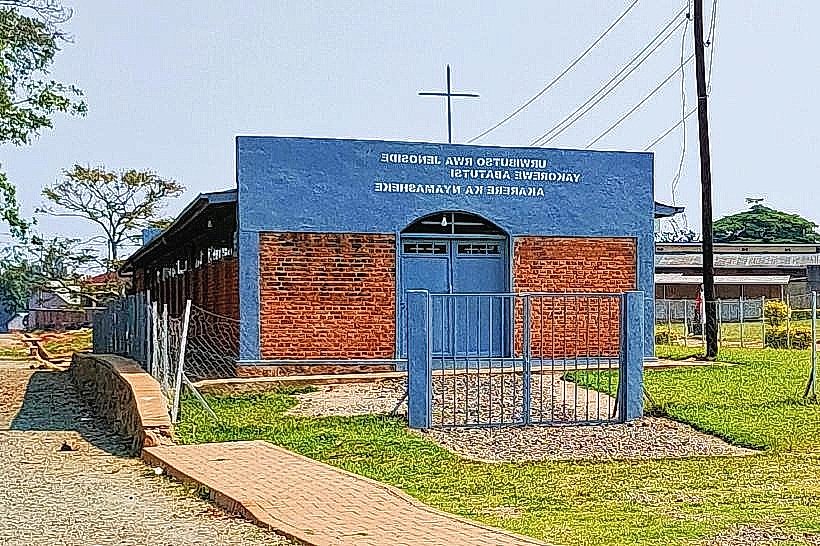
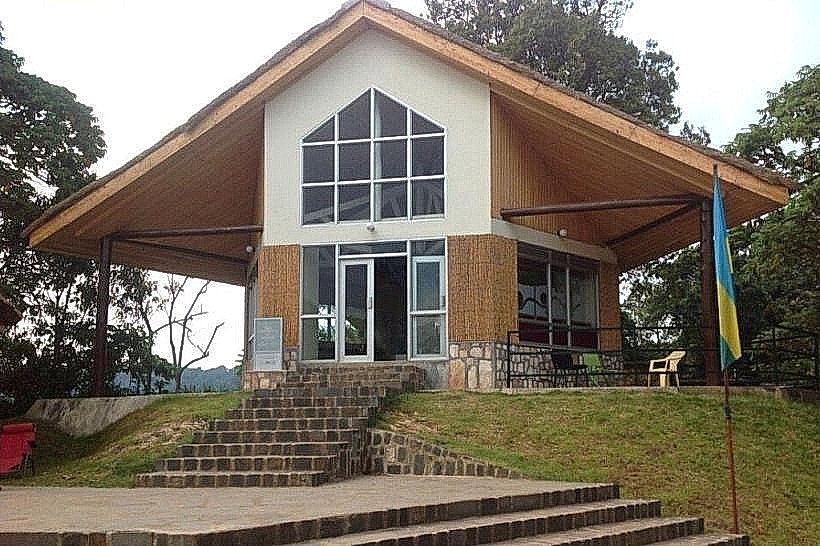
Shangi Historical Site: The location of the first German military post and the site of Rwanda’s first Catholic Mass.
Gashirabwoba Genocide Memorial: A significant site of remembrance located in the Bushenge sector.
Kibogora Polytechnic: A prominent university hilltop campus that defines the city's educational profile.
Kumbya Peninsula: A tranquil, forested retreat on the lake used for retreats and ecological study.
Nyamyumba Tea Factory: A large-scale industrial facility representing the district’s primary economic export.
Transportation Network
Movement within Nyamasheke is predominantly via Moto-taxis, with drivers wearing green or blue vests. Water transport is essential for reaching island communities and neighboring coastal towns, with motorized wooden boats departing from local piers. Ritco and Omega bus lines provide scheduled transit to Kigali and Rusizi. Official car taxis are white with orange stripes, though they are less frequent than motorcycles. Traffic density is low, though the terrain consists of steep, winding lakeside roads.
Safety & "Red Zones"
Nyamasheke is considered very safe for international visitors. There are no designated "red zones." Caution is advised when navigating the lake on unofficial boats during the rainy season due to unpredictable winds. Petty theft is rare but can occur at the Kagano Market on busy trading days.
Digital & Financial Infrastructure
Average internet speed is 15-25 Mbps, with 4G coverage provided by MTN and Airtel. Card acceptance is low, limited to upscale lodges and the Kibogora area. Bank of Kigali and BPR Bank maintain the primary ATMs in the Kagano and Kanjongo sectors.
Climate & Air Quality
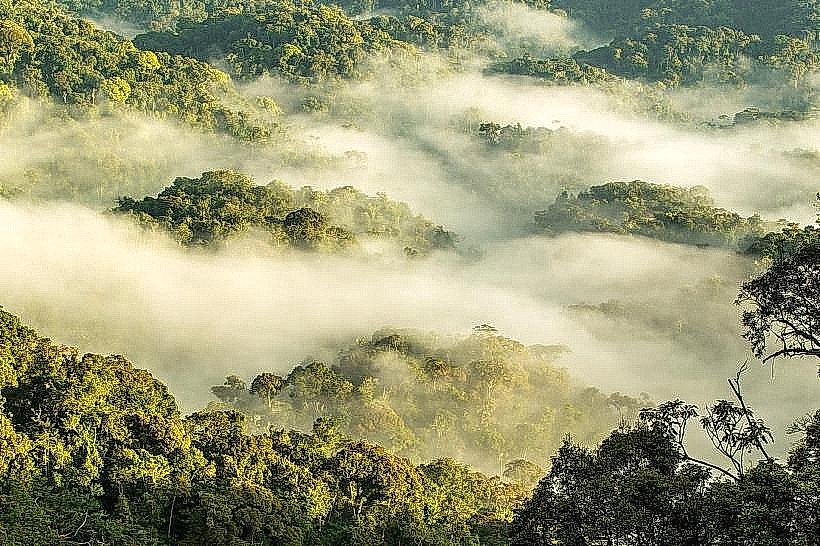
The climate is tropical highland, moderated by the lake, with temperatures ranging from 15°C to 26°C. The region receives high annual rainfall, particularly from March to May. Air quality is excellent due to the proximity of Nyungwe Forest and the lack of heavy industrial pollutants, though wood-smoke from domestic cooking is common in the evenings.
Culture & Social Norms
Tipping is not mandatory; 1,000–2,000 RWF is appreciated for boat pilots. Handshakes are the standard greeting. The local culture is deeply influenced by both maritime and agricultural traditions; conservative dress is expected in public spaces. As in all of Rwanda, the monthly Umuganda community service is strictly observed on the last Saturday of each month.
Accommodation Zones
Stay in Kagano/Kibogora for logistical access to the university, hospital, and transport links.
Stay on the Kumbya Peninsula or lakeside lodges for quiet, nature-focused environments.
Local Cost Index
1 Espresso: 1,800 RWF ($1.40 USD)
1 Standard Lunch: 3,500 RWF ($2.70 USD)
1 Bus Ticket (to Rusizi): 1,200 RWF ($0.95 USD)
Nearby Day Trips
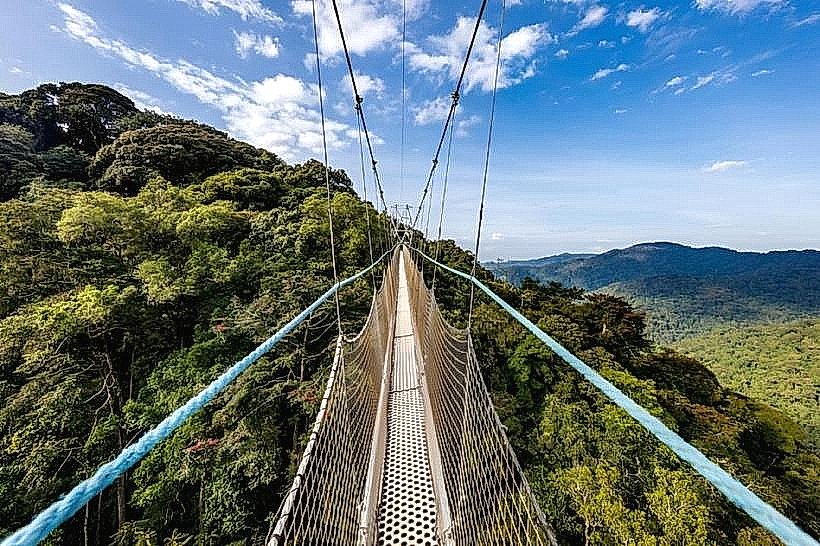
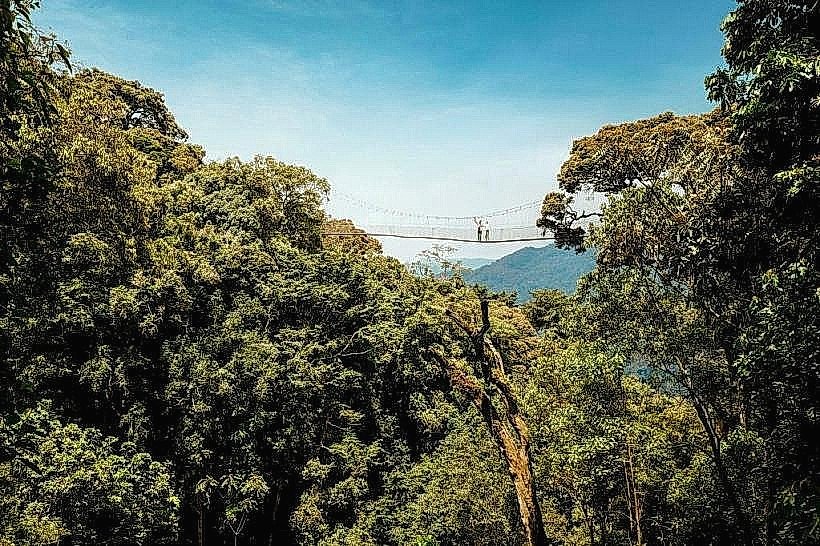
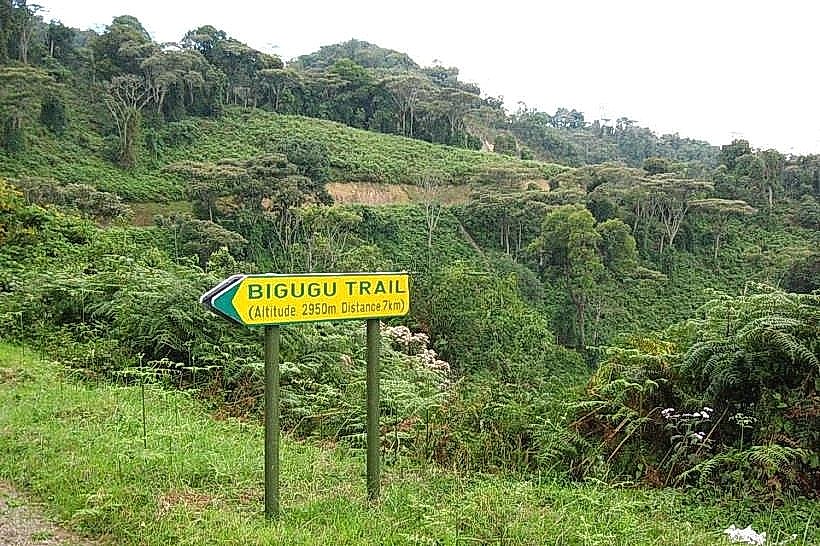
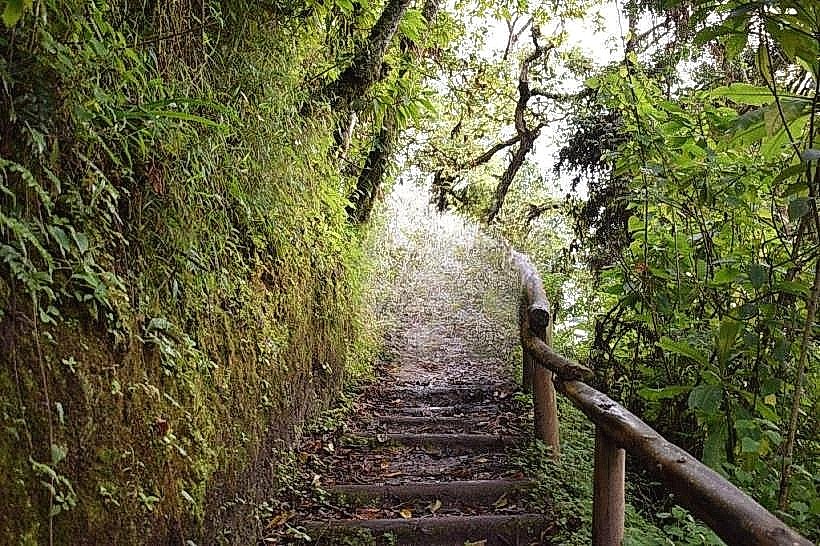
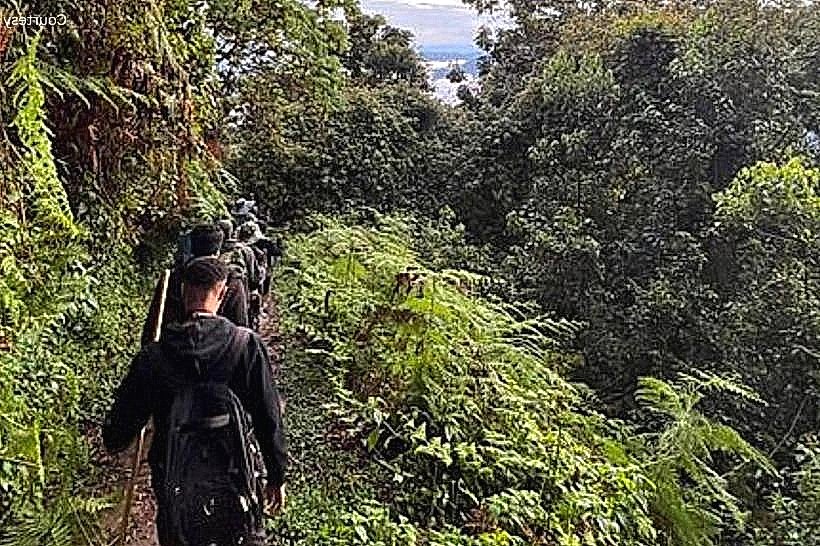
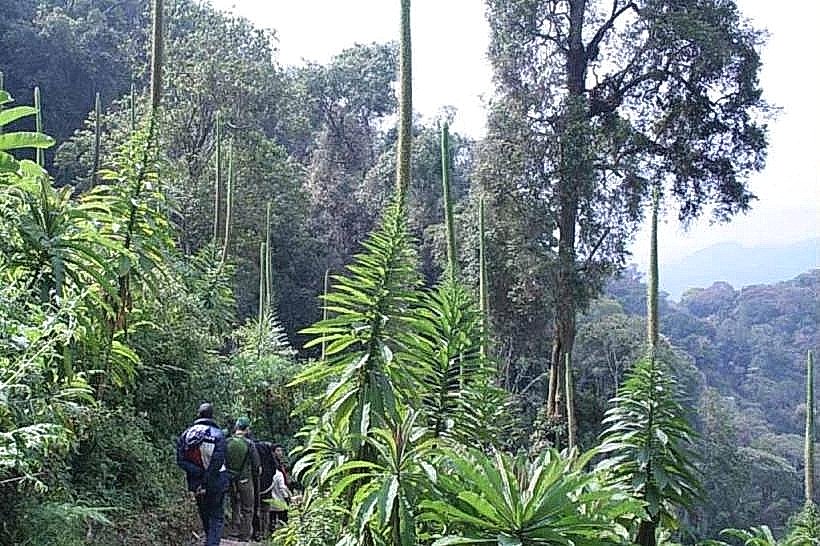
Nyungwe National Park (Gisakura): 25 km (45 mins) for canopy walks and chimpanzee trekking.
Rusizi (Kamembe): 55 km (1 hour) for airport access and Congolese border trade.
Ishwa Island: 15-minute boat ride for archaeological and bird-watching excursions.
Karongi: 60 km (1.5 hours) for additional lakeside tourism.
Facts & Legends
A local legend surrounds the Kumbya Peninsula, which is said to be protected by ancestral spirits that prevent the lake's waters from ever flooding the holy ground, regardless of the intensity of the rainy season. Historically, Nyamasheke is recognized as the place where the "Western world" first met Rwanda, specifically at Shangi, which locals call the "Gate of Rwanda."