Country: Rwanda
Continent: Africa
Rwanda, Africa
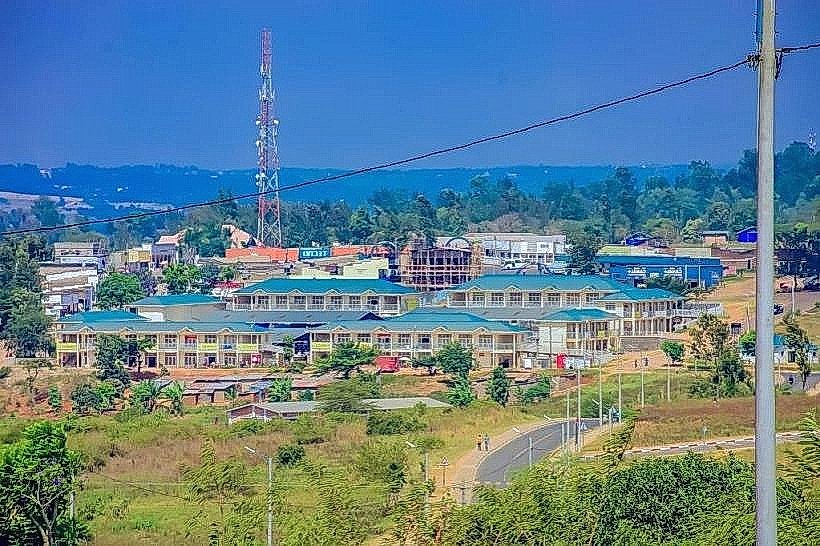
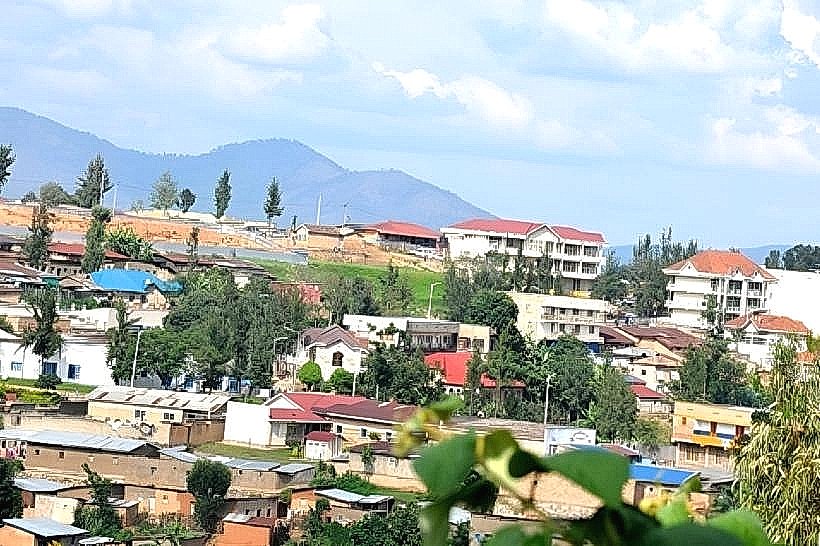
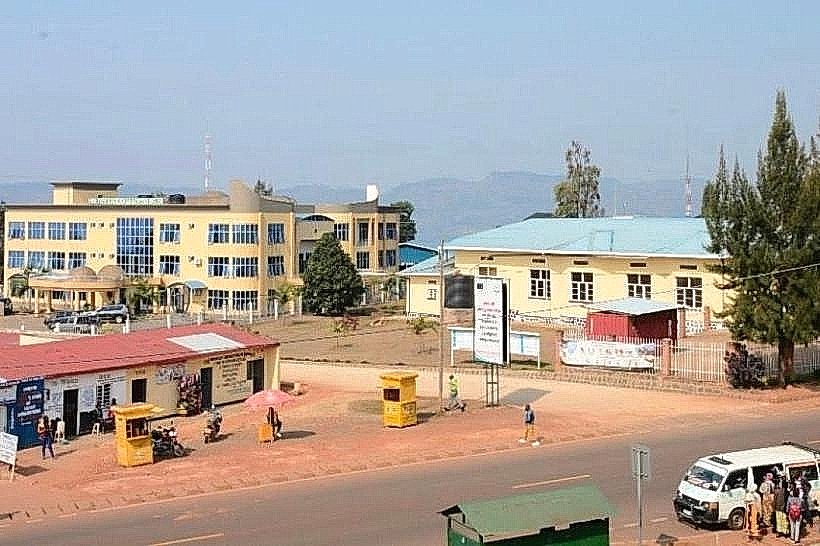
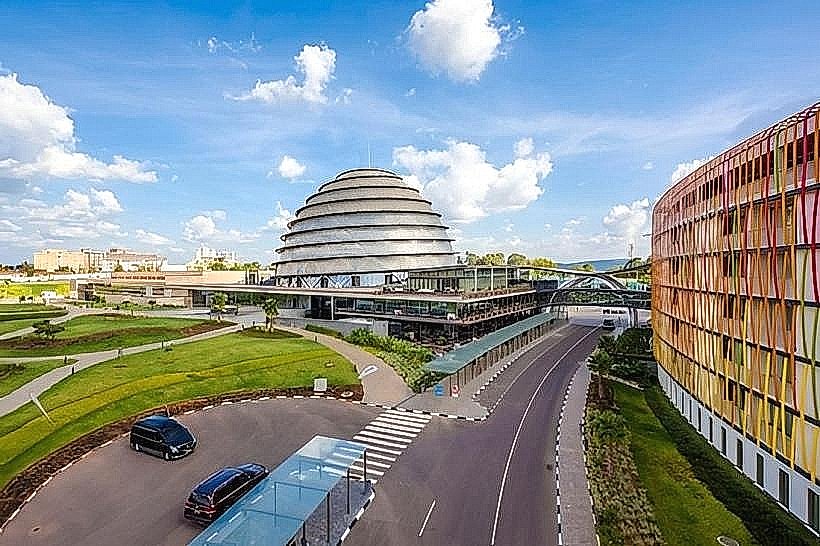
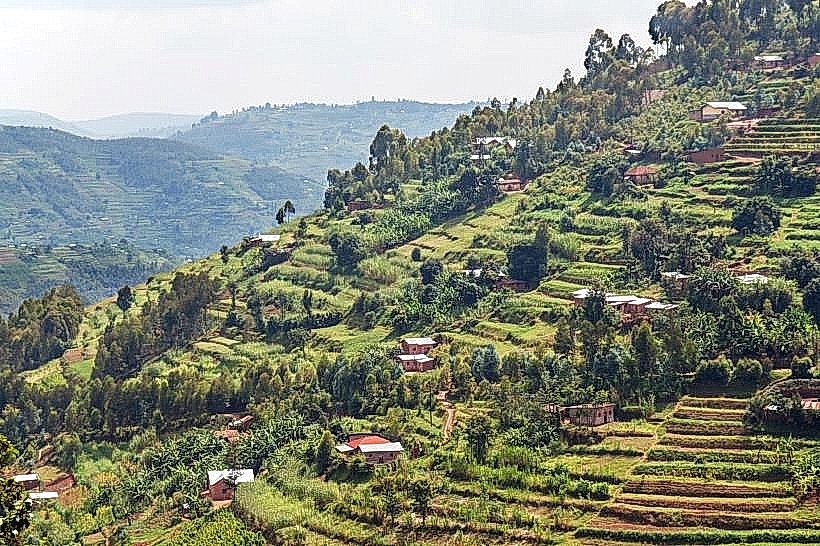
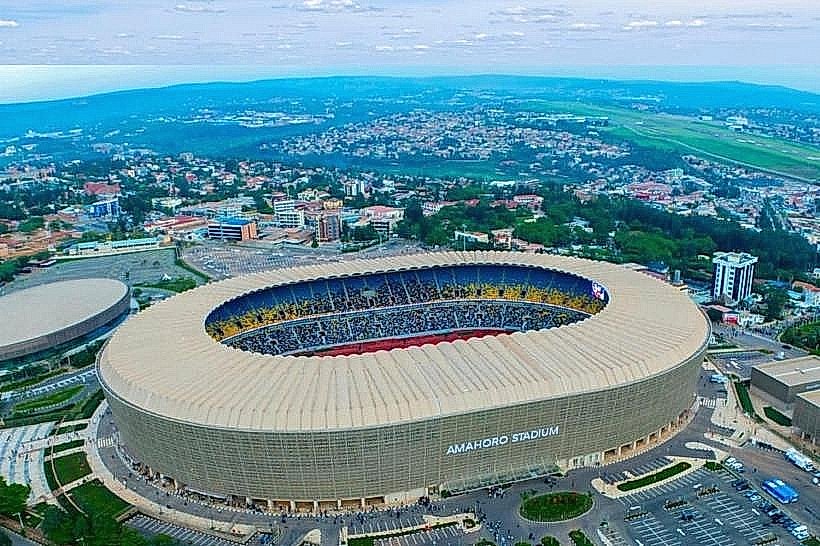
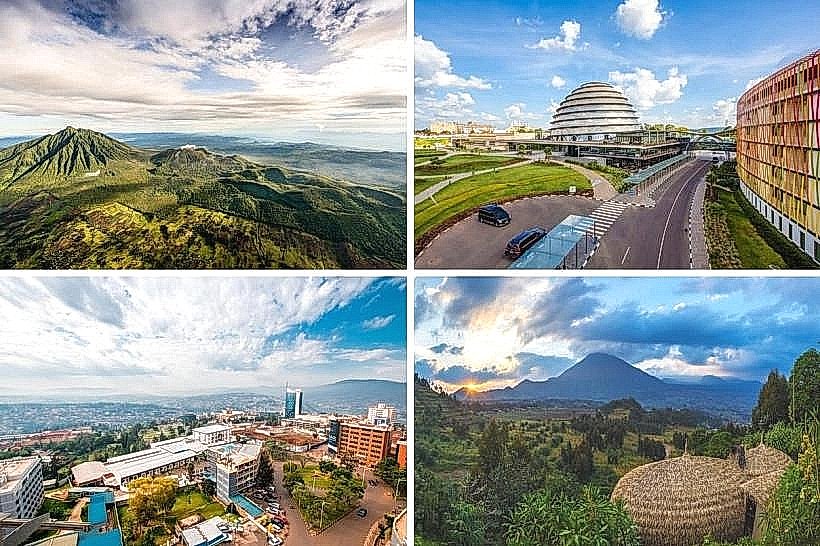
Rwanda is located in East-Central Africa, sharing borders with Uganda to the north, Tanzania to the east, Burundi to the south, and the Democratic Republic of the Congo to the west. The nation is defined by its mountainous, high-altitude geography and its transition into a regional technology and services hub. The capital city is Kigali.
History & Culture
Rwanda gained independence from Belgium on July 1, 1962. The modern political era began in 1994 following the genocide against the Tutsi. Primary religious affiliations are Roman Catholic (44%) and Protestant (38%). The most significant national holiday is Liberation Day on July 4. Core social etiquette includes Umuganda, a mandatory community service day on the last Saturday of every month, and a cultural emphasis on public order and cleanliness.
Language & Communication
The official languages are Kinyarwanda, English, French, and Swahili. English proficiency is Medium in urban centers and among government officials but Low in rural farming communities. Kinyarwanda is the universal tongue spoken by the entire population.
Population & Economy
The total population is approximately 14.8 million, with 18.5% urban and 81.5% rural distribution. Top three export commodities are gold, coffee, and tea. GDP per capita is approximately $1,070 USD. The primary industry driving the labor market is subsistence agriculture, though the services sector is the largest contributor to GDP.
Visa & Entry Policy
Rwanda offers a Visa on Arrival for all citizens of the world. Citizens of the AU, Commonwealth, and La Francophonie member states (including the UK, US, and many EU states) receive a free 30-day visa. An E-Visa system is available for those requiring pre-authorization. Strictness is High regarding plastic bags, which are banned and confiscated at customs.
Currency & Payment Systems
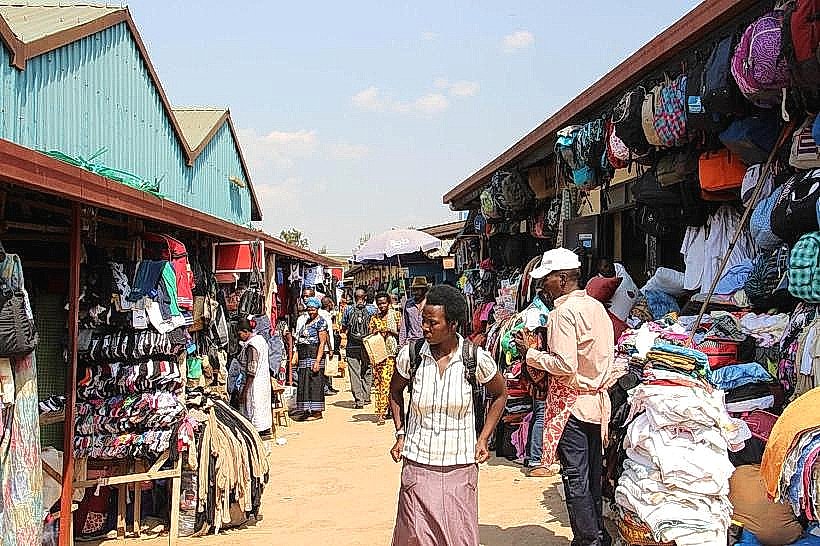
The currency is the Rwandan Franc (RWF). Cash is dominant outside Kigali, though card infrastructure is standard in the capital. Mobile money (MTN MoMo) is the universal payment method used for taxis and markets. ATM availability is Low in rural districts.
National Transport Grid
People move between cities primarily via scheduled coach buses operated by companies such as Ritco and Volcano Express. There is no domestic railway network. Travelers rely on motorcycle taxis (motos) for short distances and private transfers for high-end tourism circuits.
Digital Infrastructure
The best mobile network providers are MTN Rwanda and Airtel-Rwanda. 4G coverage is reliable in all major district towns; 5G rollout is concentrated in Kigali and central business districts.
Climate & Seasonality
Rwanda has a temperate tropical highland climate. The dry months are June to August and December to February. The wet months are March to May and September to November.
Health & Safety
Yellow Fever vaccination is mandatory if arriving from an endemic country. Malaria risk is present nationwide. Emergency number: 112 (Police), 912 (Ambulance).
Top Major Regions & Cities
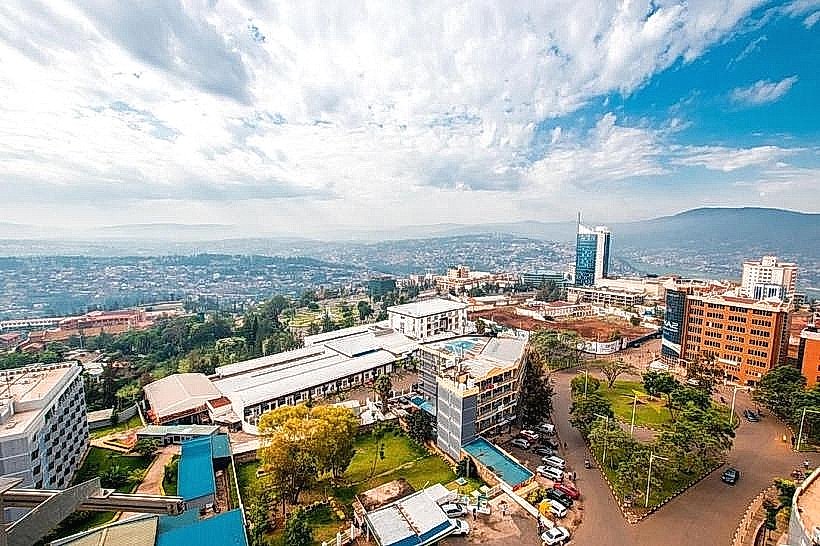
Kigali City: Hub - Kigali
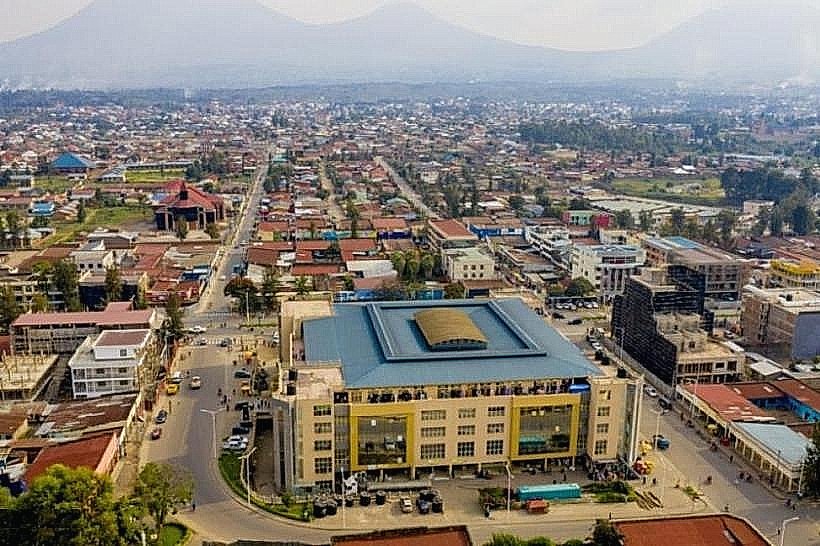
Northern Province: Hub - Musanze
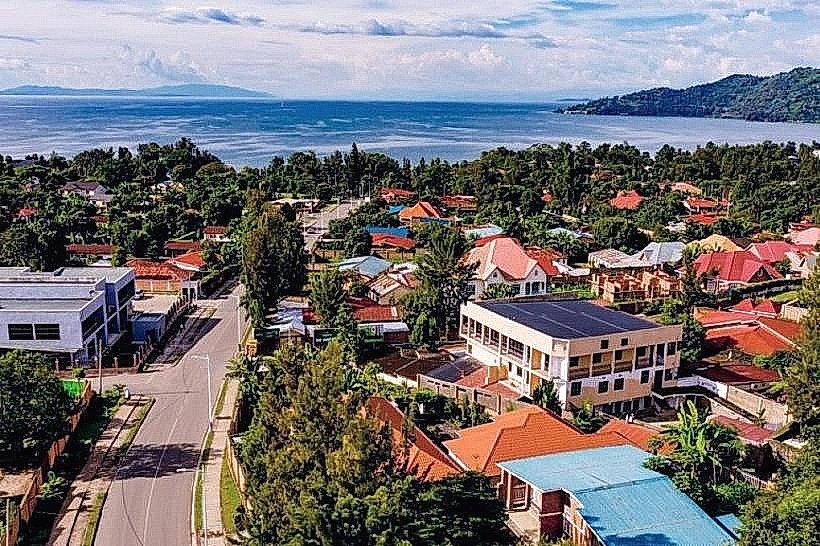
Western Province: Hub - Rubavu (Gisenyi)
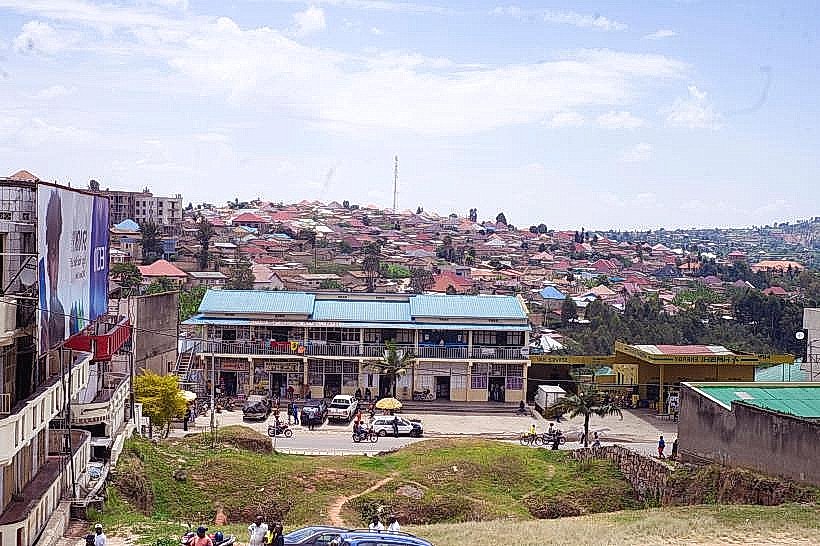
Southern Province: Hub - Huye (Butare)
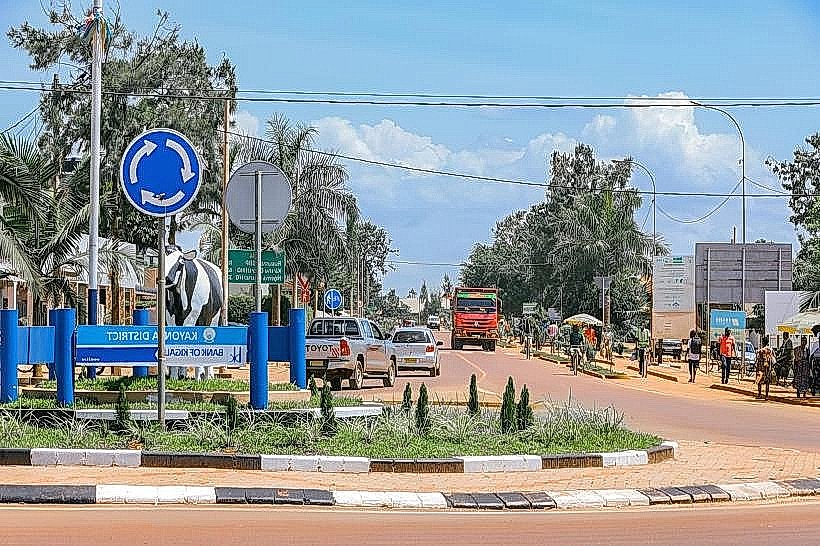
Eastern Province: Hub - Kayonza
Local Cost Index
1L Water: 600 RWF ($0.41 USD)
1 Domestic Beer: 1,200 RWF ($0.83 USD)
1 Sim Card (Data Plan): 5,000 RWF ($3.45 USD)
Facts & Legends
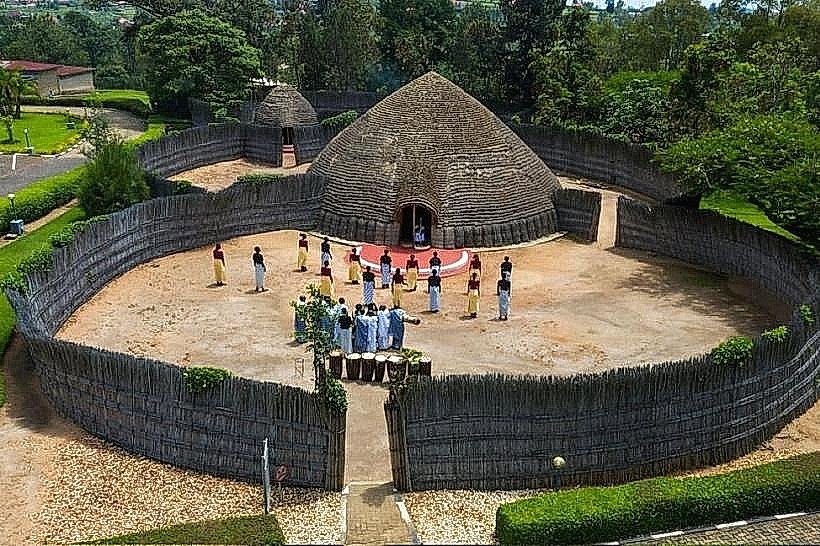
Rwanda is the only country in the world where the parliament is majority female, currently exceeding 60%. Local legend holds that the first King, Gihanga, descended from heaven to forge the Rwandan nation through the mastery of fire and iron, uniting the clans under a single mystical drum known as Kalinga.