City: Nyanza
Country: Rwanda
Continent: Africa
Nyanza, Rwanda, Africa
Nyanza serves as the cultural and historical capital of Rwanda, located in the Southern Province. The city is situated atop a series of hills at an elevation of approximately 1,790 meters and functions as the traditional seat of the Rwandan monarchy.
Historical Timeline
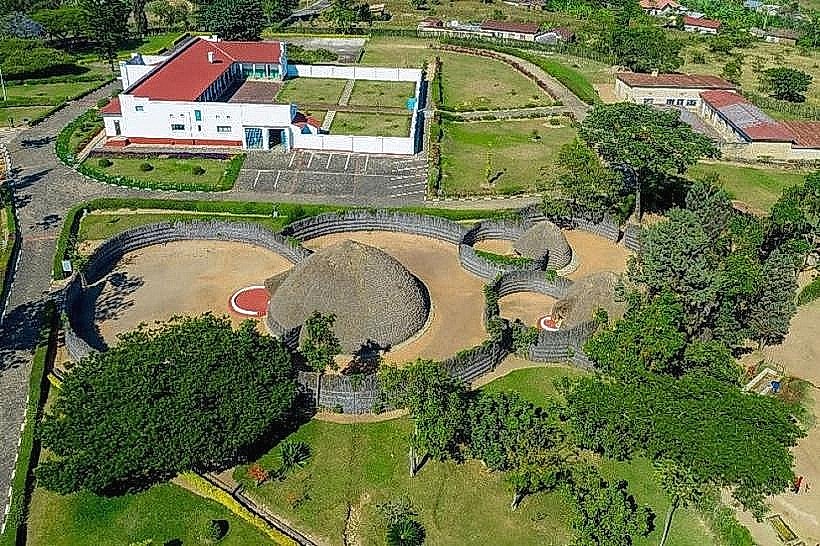
Nyanza was established as the permanent royal capital of the Kingdom of Rwanda in 1899 during the reign of King Yuhi V Musinga. It remained the heart of the monarchy through the German and Belgian colonial eras until the abolition of the kingdom in 1962. The most significant architectural reconstruction occurred in 2008 with the restoration of the royal residence into the King’s Palace Museum. The primary event shaping its current urban form was the decision by the monarchy to transition from a mobile court to a fixed administrative center, concentrating historical and artistic heritage in this specific highland location.
Demographics & Population
The population of the Nyanza district is approximately 323,000, with roughly 60,000 residents within the urban center. The demographic is predominantly Rwandan, with a significant concentration of traditional artists and historians. The median age of the population is 19.5 years.
Urban Layout & Key Districts
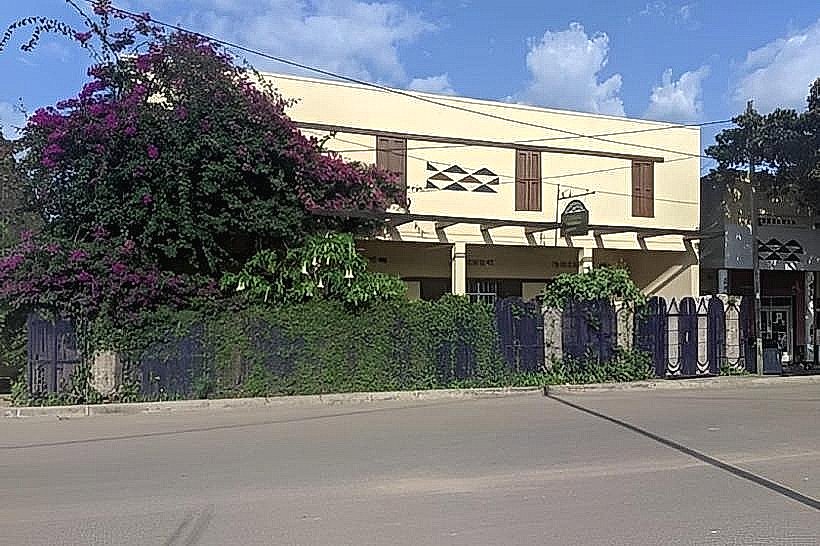
The city is organized around the central Nyanza Hill, which hosts the primary historical sites. The Commercial Center is located at the base of the hill, containing the bus station and main markets. Rwabicuma is the primary residential district to the west. The layout is characterized by radial roads extending from the historical core toward the surrounding agricultural hills.
Top City Landmarks
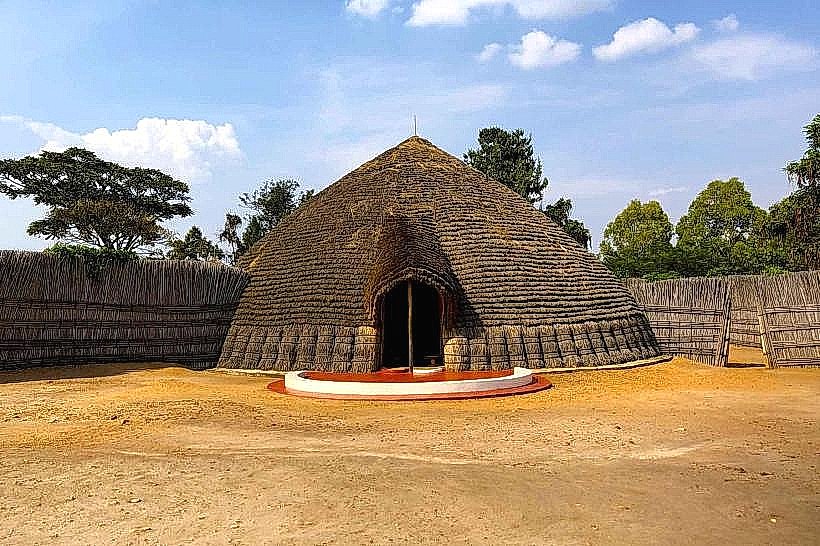
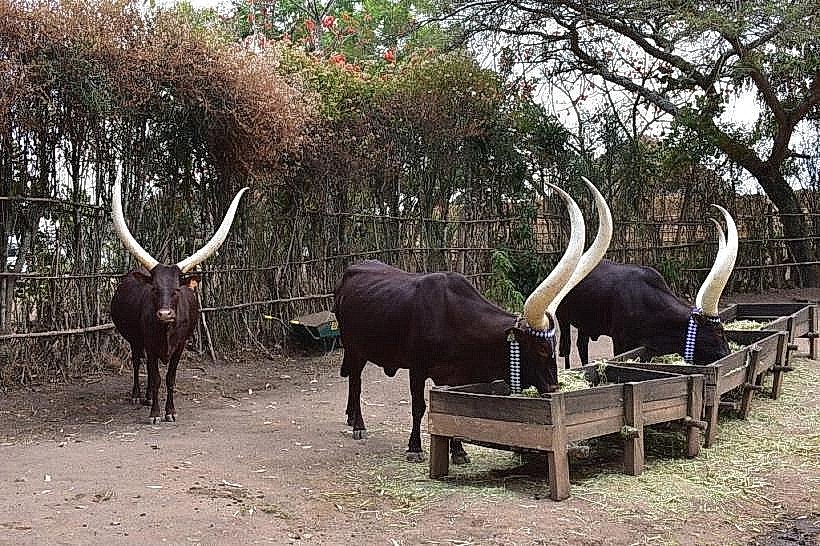
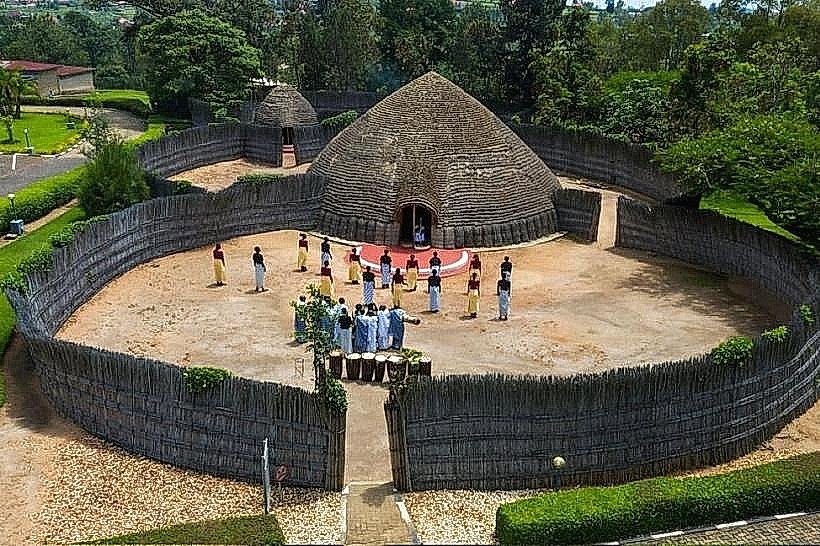
King’s Palace Museum (Urukari): A high-fidelity reconstruction of the traditional royal residence, featuring thatched-roof architecture and royal long-horned Inyambo cattle.
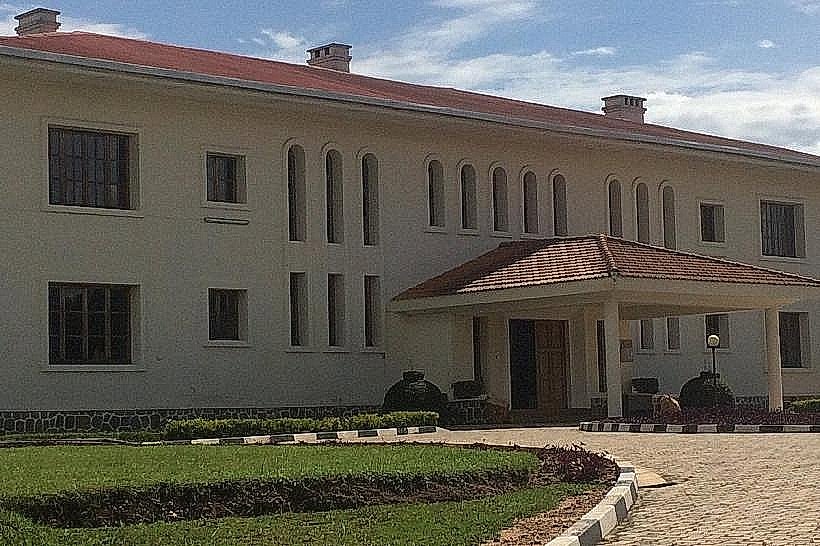
Rwesero Art Museum: Housed in the palace intended for King Mutara III Rudahigwa, it now serves as the National Art Gallery.
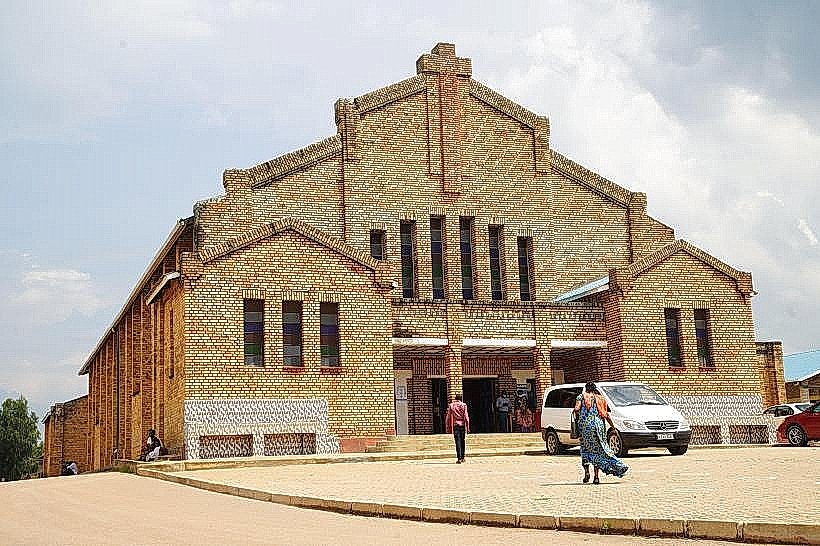
Christ the King Cathedral: A prominent 1930s-era brick church that serves as a major religious landmark.
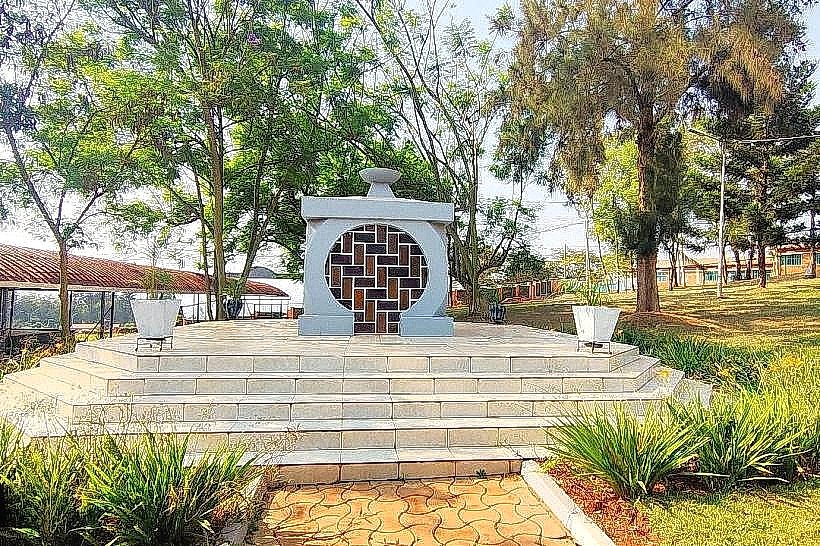
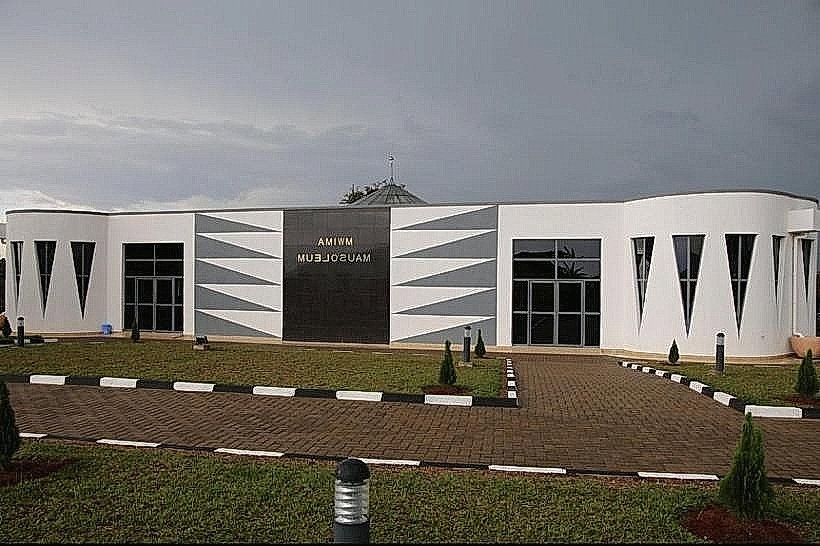
The Mausoleum of King Mutara III Rudahigwa: The burial site of the last ruling monarch of Rwanda and Queen Rosalie Gicanda.
Laiterie de Nyabisindu: A historic dairy facility famous for the production of traditional Rwandan yogurt and fermented milk.
Transportation Network
Movement within Nyanza is primarily serviced by Moto-taxis, identifiable by their green or yellow vests. The city is a major stop on the RN1 highway, with frequent bus services from Horizon Express and Volcano Express connecting it to Kigali and Huye. The urban core is compact and highly walkable. Traffic density is extremely low, consisting mostly of commercial transit passing through to the southern border.
Safety & "Red Zones"
Nyanza is one of the safest towns in Rwanda, maintaining a quiet, rural-administrative atmosphere. There are no designated "red zones" or neighborhoods to avoid at night. Petty theft is rare, and there are no recorded common scams targeting visitors.
Digital & Financial Infrastructure
Average internet speed is 15-20 Mbps, with stable 4G coverage from MTN and Airtel. Card acceptance is low, limited primarily to the museums and the Nyanza Heritage Hotel. Bank of Kigali and BPR Bank maintain ATMs in the commercial center that support international Visa and Mastercard transactions.
Climate & Air Quality
The climate is tropical highland with temperatures ranging from 15°C to 26°C. The region experiences a long dry season from June to August. Air quality is excellent due to the lack of industrial activity and the surrounding eucalyptus forests, though dust increases on unpaved side roads during the dry months.
Culture & Social Norms
Tipping is not expected, though 1,000–2,000 RWF is customary for museum guides and cattle handlers. As a historical royal seat, the local culture is highly traditional; greetings are formal and involve a handshake. Conservative dress is standard. Public smoking is uncommon and socially discouraged in public gatherings.
Accommodation Zones
Stay in the Historical Core for proximity to the King's Palace and the Art Museum.
Stay near the Commercial Center for immediate access to the bus terminal and local markets.
Local Cost Index
1 Espresso: 1,500 RWF ($1.15 USD)
1 Standard Lunch: 3,000 RWF ($2.30 USD)
1 Moto-taxi (Short trip): 400 RWF ($0.30 USD)
Nearby Day Trips
Huye (Ethnographic Museum): 35 km (45 mins) for academic and cultural exhibits.
Kibeho (Holy Land): 60 km (1.5 hours) for religious pilgrimage sites.
Amayaga Region: 20 km (30 mins) for scenic agricultural landscapes and valley views.
Kigali: 85 km (2 hours) for metropolitan services.
Facts & Legends
Local history centers on the Inyambo cattle, which were traditionally "trained" to listen to poems and perform dances for the King; these cattle still reside at the palace today. A persistent legend suggests that Nyanza was chosen as the capital because the hills possessed a specific spiritual energy that protected the monarch from external threats, a belief reinforced by the city's strategic elevation over the surrounding plains.