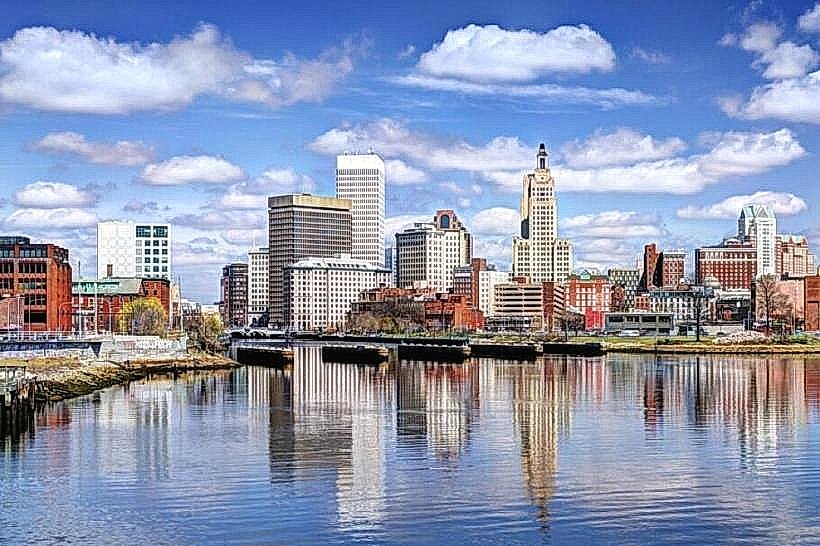
City: Providence
Country: USA Rhode Island
Continent: North America
Providence, USA Rhode Island, North America
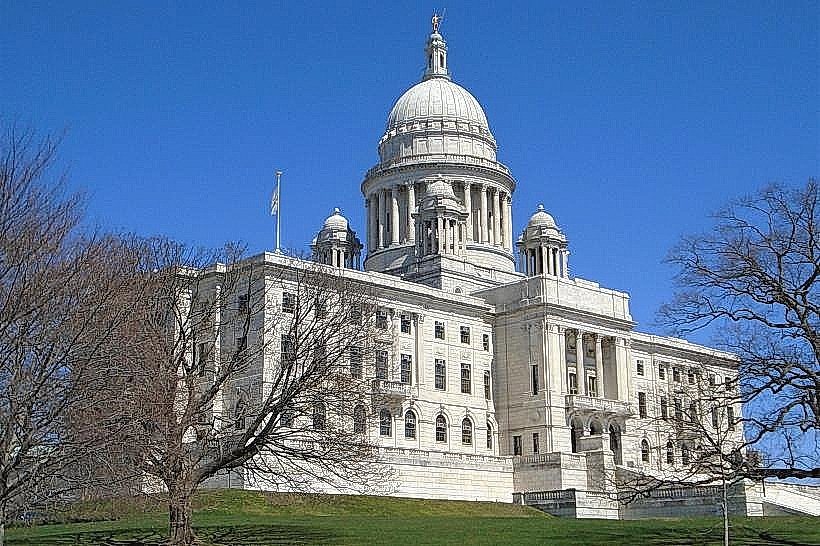
Providence serves as the capital of Rhode Island and the primary economic and cultural hub of the Narragansett Bay region. It is situated at the head of the Providence River in the northeastern United States.
Historical Timeline
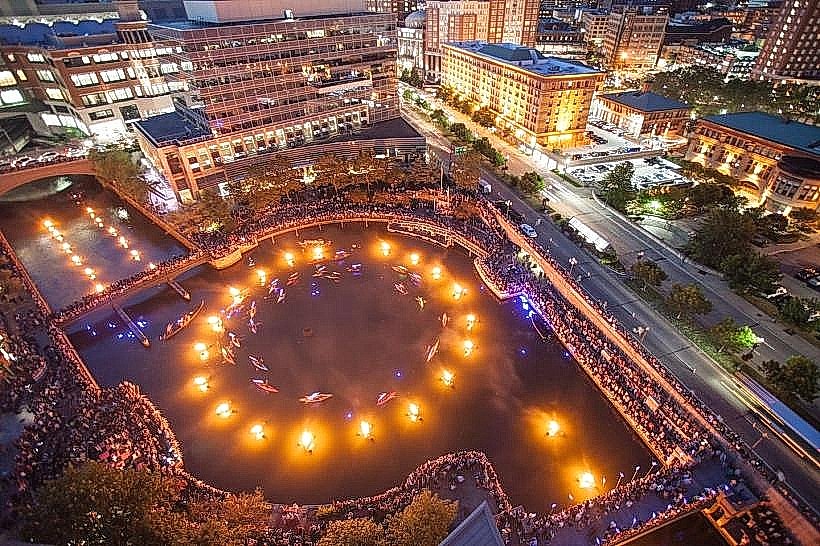
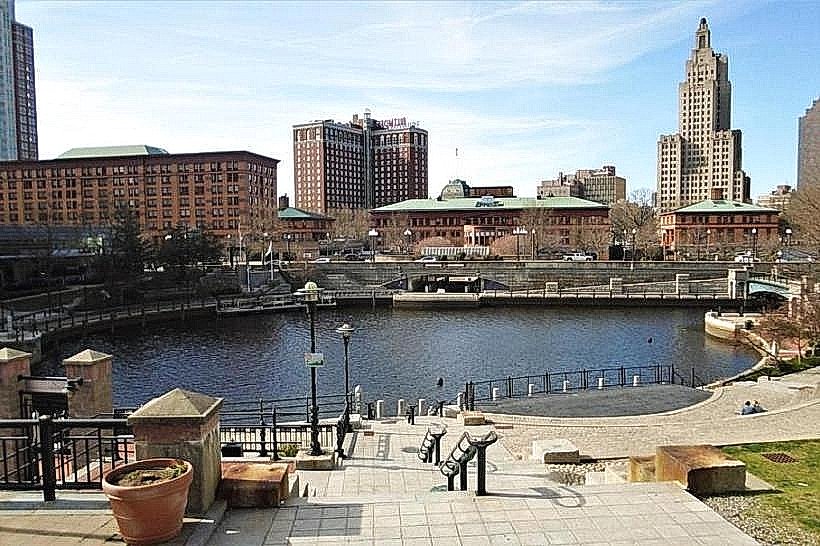
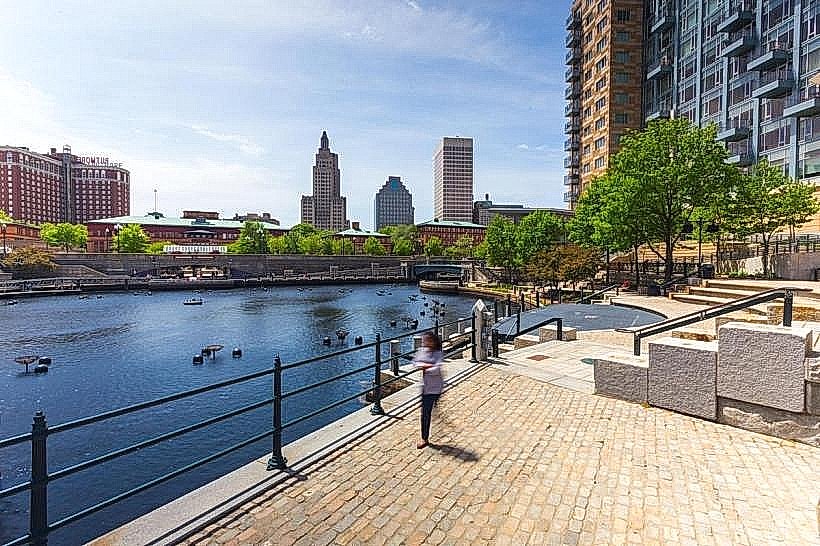
Founded in 1636 by Roger Williams as a refuge for religious dissenters, Providence transitioned from a colonial maritime port to a global center for jewelry and silverware manufacturing during the Industrial Revolution. The city underwent its most significant architectural and infrastructural reconstruction during the "Providence Renaissance" of the 1990s, which involved the relocation of major rivers and railroad tracks. The primary event shaping the current urban form was the 1994 completion of Waterplace Park, which reclaimed the waterfront from industrial decay.
Demographics & Population
The city limits contain approximately 190,000 residents, while the Greater Providence metropolitan area hosts 1.6 million people. The top three demographics are White (49.8%), Hispanic or Latino (43.5%), and Black or African American (13.1%). The median age is 31.5 years.
Urban Layout & Key Districts
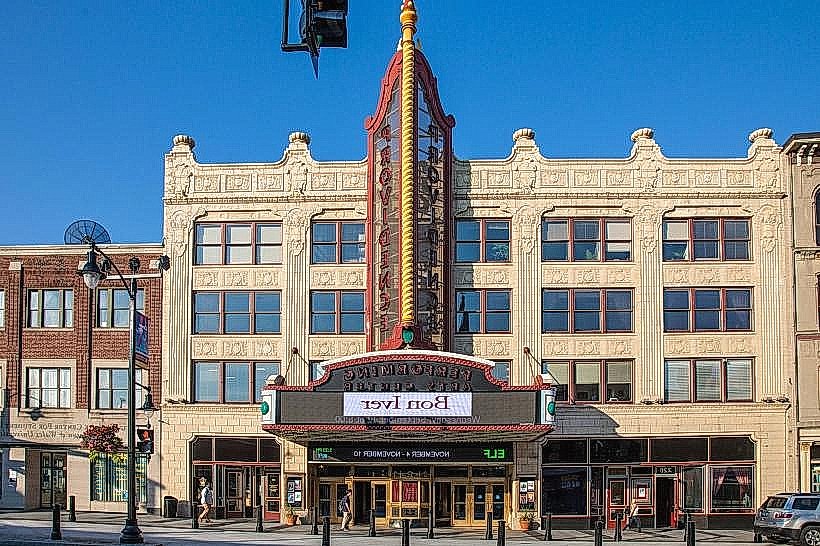
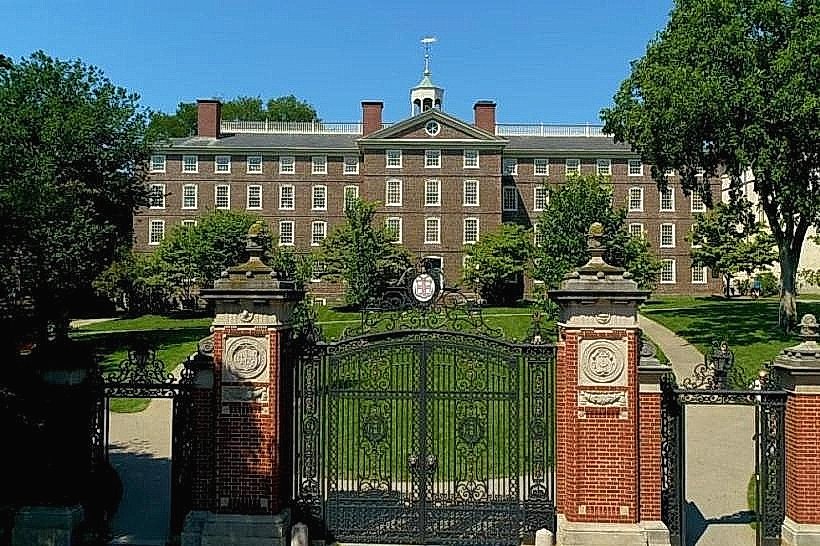
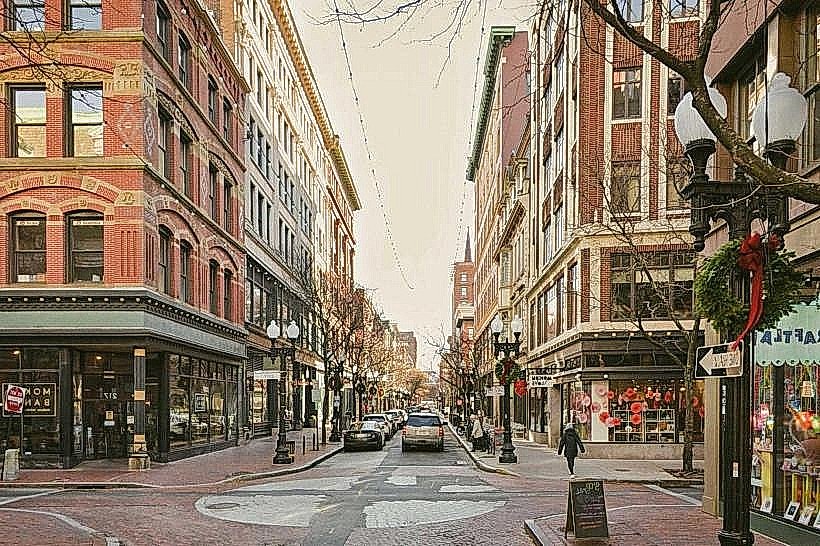
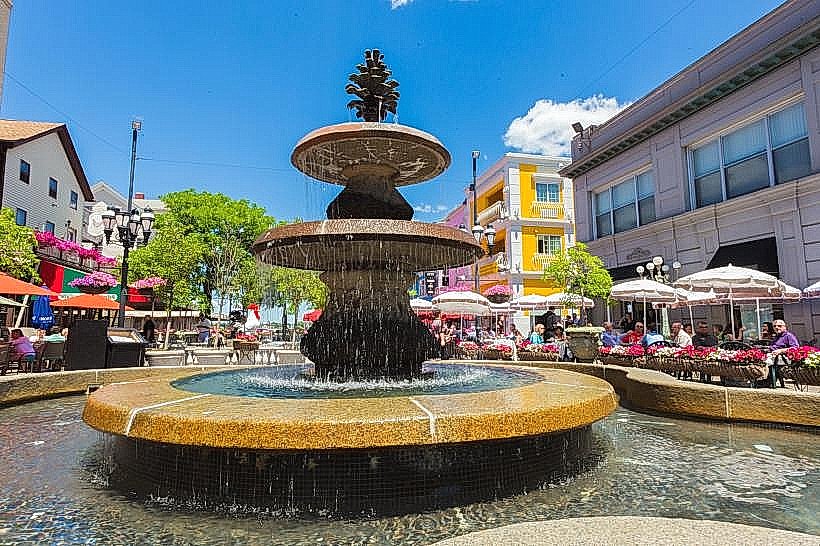
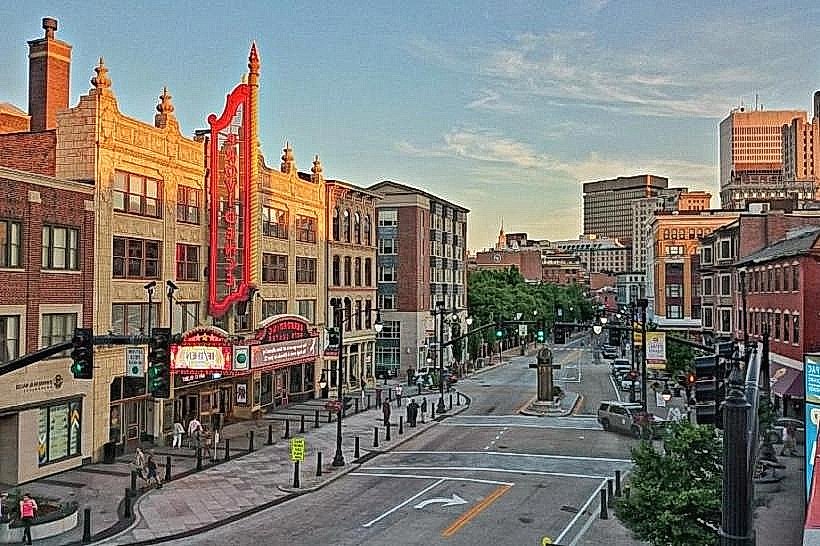
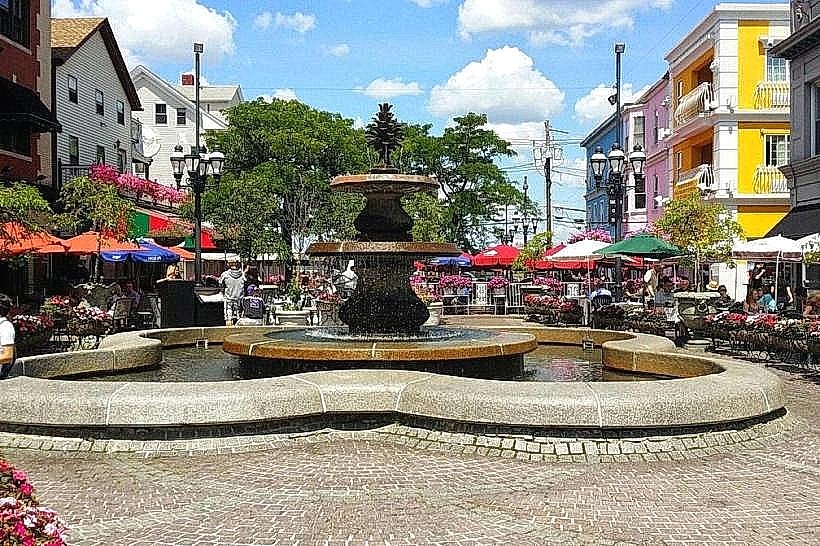
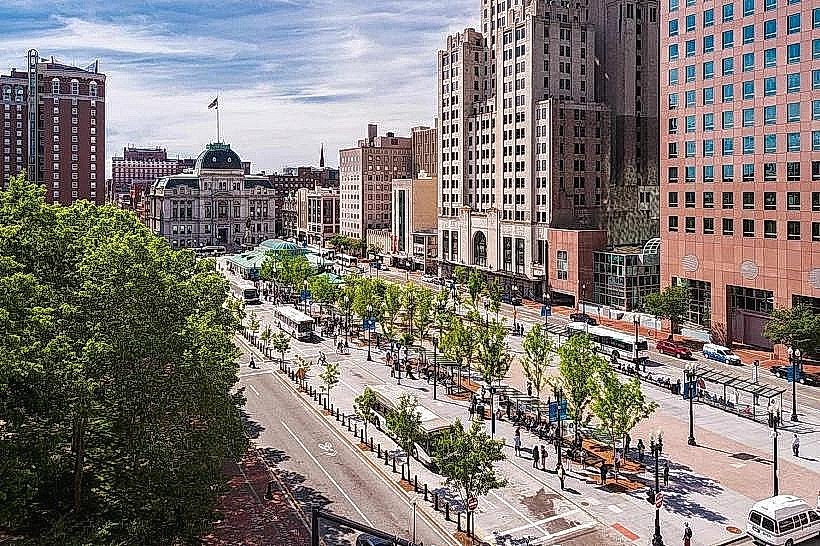
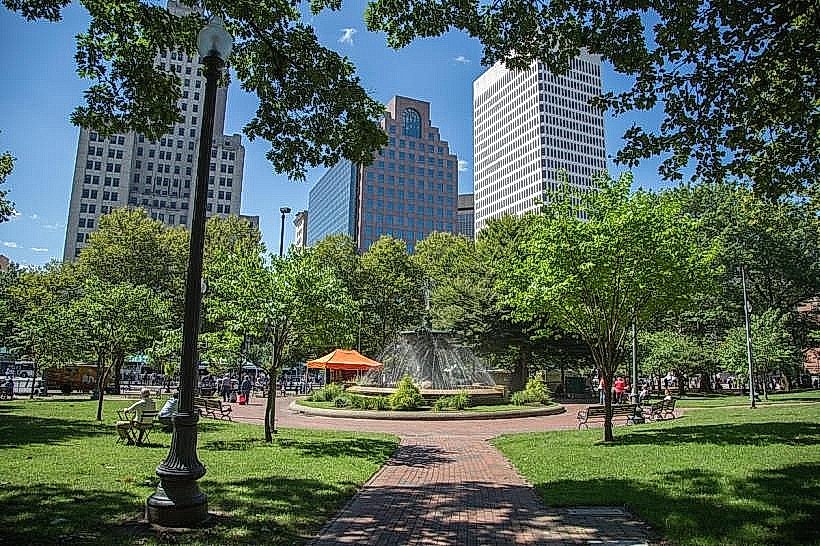
The city is organized around the confluence of the Woonasquatucket and Moshassuck Rivers. The most important districts for visitors are Downtown (Kennedy Plaza), the central business and transit hub; College Hill (East Side), containing the historic district and Ivy League institutions; and Federal Hill (West), the traditional culinary and Italian-American district.
Top City Landmarks
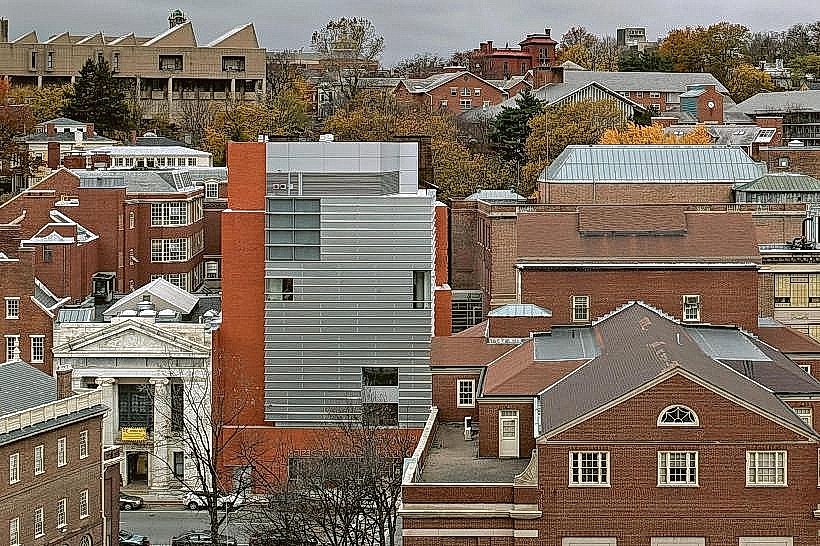
RISD Museum of Art
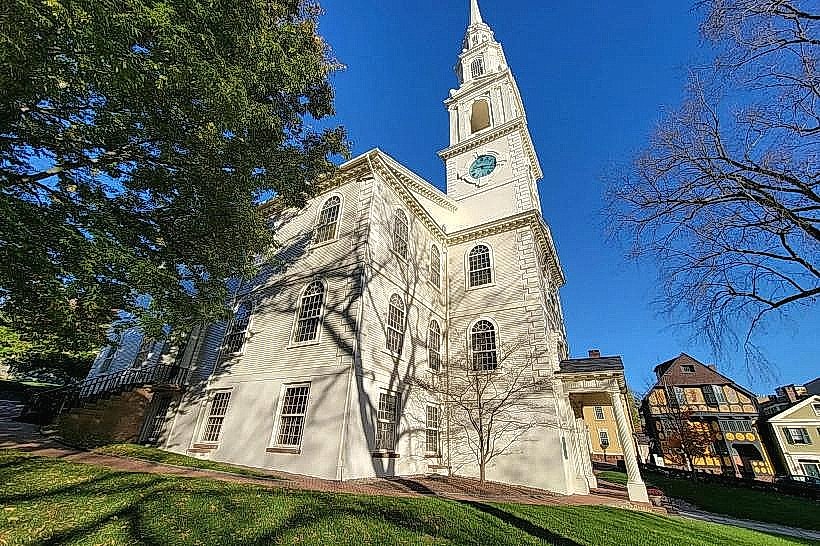
First Baptist Church in America
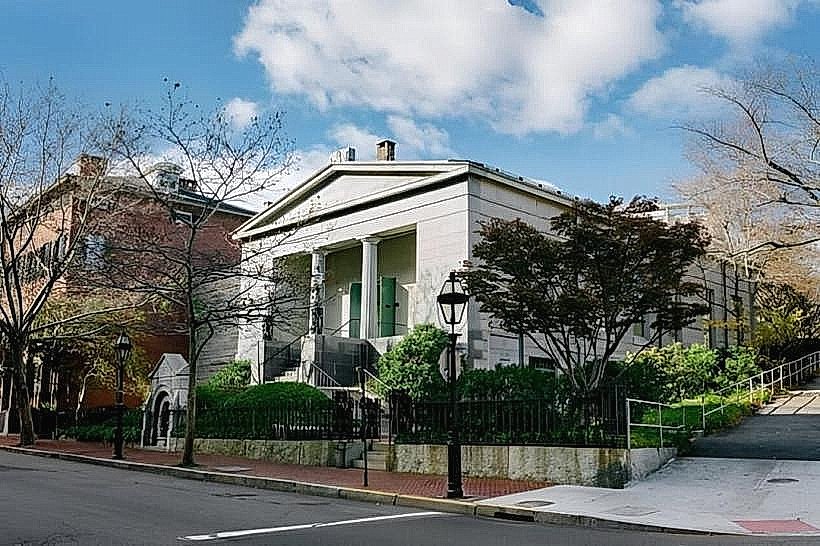
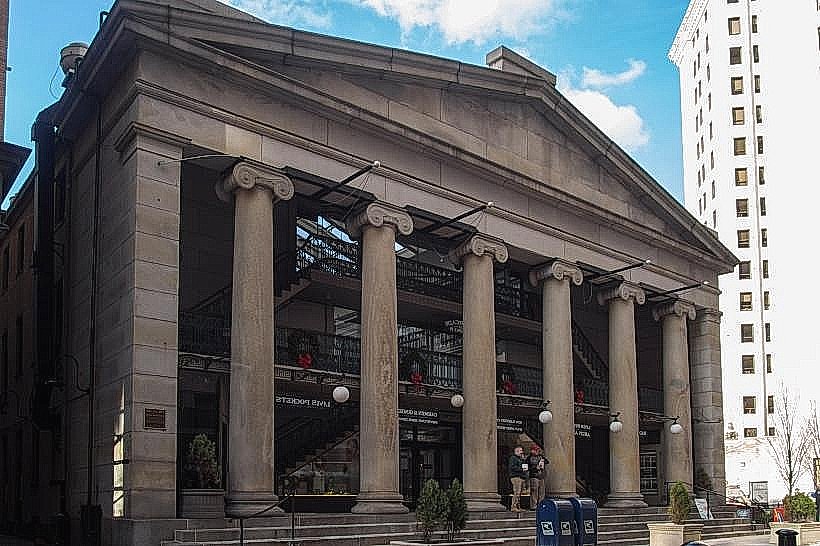
The Athenaeum
Transportation Network
Movement within the city is facilitated by the RIPTA bus system, which radiates from Kennedy Plaza. The Northeast Corridor (Amtrak and MBTA) provides high-speed rail links to Boston and New York. Uber and Lyft are the dominant ride-sharing platforms; official taxis are typically white or yellow and operated by companies like Yellow Cab. Traffic density is high during peak commuting hours, particularly on I-95 and I-195.
Safety & "Red Zones"
The general safety level is moderate. Areas in the South Providence neighborhood and certain sections of Olneyville should be avoided at night. Common scams are infrequent, though typical urban awareness is required near transit hubs.
Digital & Financial Infrastructure
Average internet speed is 200–500 Mbps via Cox or Verizon Fios. Main mobile carriers are Verizon, AT&T, and T-Mobile. Card acceptance is nearly universal at all retail and dining establishments. ATMs are ubiquitous, with Citizens Bank and Bank of America having the highest density.
Climate & Air Quality
Temperatures range from -5°C in January to 28°C in July. The city is subject to high humidity in summer and occasional Nor'easters (blizzards) in winter. Air quality is generally good, though summer heat waves can occasionally trigger ozone alerts.
Culture & Social Norms
Tipping is expected at 18–22% for service. Handshakes are the standard greeting. Dress code is generally "New England Casual," though more formal in financial and academic settings. Smoking is prohibited in all indoor public spaces; alcohol consumption is restricted to licensed premises.
Accommodation Zones
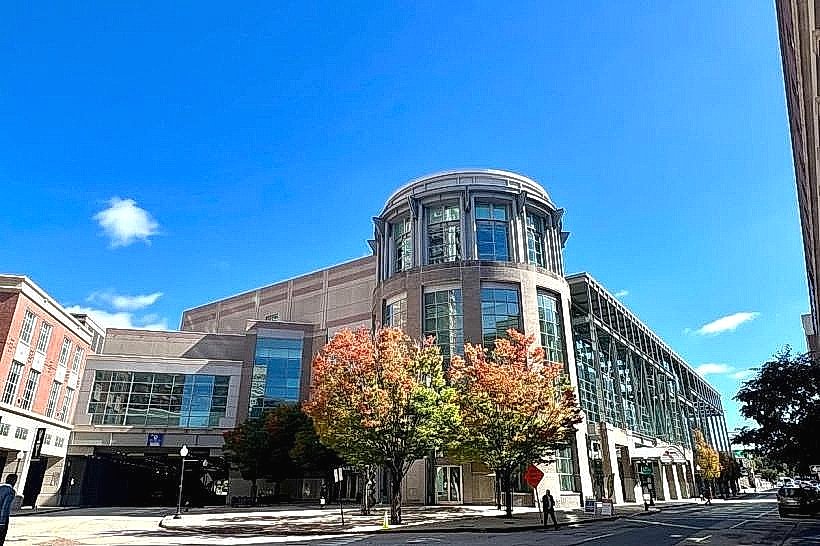
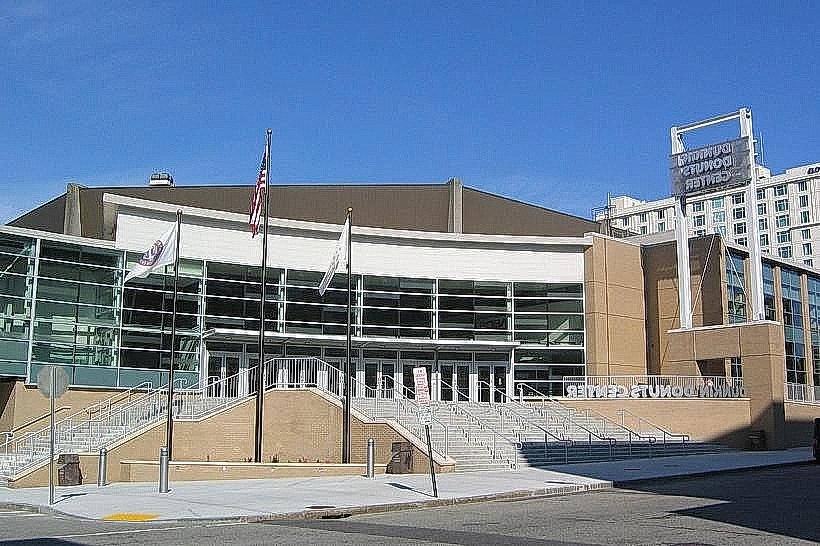
Stay in Downtown for walking access to the Convention Center and theaters.
Stay in College Hill/East Side for a quiet, historical atmosphere and proximity to Brown University.
Local Cost Index
1 Espresso: $4.50 (795 JPY)
1 Standard Lunch: $18.00 (3,180 JPY)
1 Bus Ticket: $2.00 (354 JPY)
Nearby Day Trips
Newport, RI (35 miles south)
Boston, MA (50 miles north)
Narragansett Town Beach (30 miles south)
Blackstone River Valley (15 miles north)
Facts & Legends
Providence is the birthplace of H.P. Lovecraft, the pioneer of cosmic horror, and many of his stories utilize the city's actual 18th-century architecture as backdrops. A local urban legend involves the "Vampire of Rhode Island" (Mercy Brown), a historical 19th-century case where a resident was exhumed under the belief she was a vampire, reflecting the superstitious folk medicine prevalent in the region's history.